
The question usually sounds simple at first - how many hours wedding photographer needed for one day? But the real answer lives inside your timeline, your priorities, and the way you want your wedding to feel when you look back on it years from now. Coverage is not just about clocking hours. It is about making sure the quiet, emotional, once-only parts of your story have room to unfold.
Some couples only want the ceremony, portraits, and a bit of the reception. Others want the full arc of the day, from the slow breath before getting dressed to the packed dance floor after sunset. Neither choice is wrong. The right number of hours depends on what you want preserved, what pace your day will have, and how much of the in-between matters to you.
How many hours wedding photographer needed for most weddings?
For most weddings, 8 hours is the sweet spot. It usually gives enough space for getting ready, key details, the ceremony, family photos, couple portraits, and a meaningful portion of the reception. If you want a wedding gallery that feels complete rather than rushed, 8 hours is often where the story starts to breathe.
That said, not every celebration fits neatly into one number. A smaller wedding with one location and a short reception may only need 6 hours. A larger celebration with separate venues, a first look, a wedding party, sunset portraits, and a full evening exit may need 10 to 12 hours. The more movement, people, and meaningful moments your day includes, the more time your photographer needs to capture it well.
What each coverage length usually captures
4 to 6 hours
This is usually best for very intimate weddings, elopements, or celebrations where you care most about the ceremony and portraits. If your day is simple and centered on a few key moments, this can absolutely work.
The trade-off is that shorter coverage often leaves out the softer parts of the story. You may miss the anticipation of getting ready, the hugs before the ceremony, or the atmosphere as the reception settles into its rhythm. Four to six hours is efficient, but it can feel selective rather than complete.
8 hours
Eight hours is often the most balanced choice. It can cover enough of the day to tell a fuller story without feeling excessive. For many couples, this is where the emotional texture of the wedding starts to show up - not just the major milestones, but the energy around them.
If you want details, candid moments, family connection, and reception memories without feeling like every minute is under pressure, 8 hours is often the best fit.
10 to 12 hours
Longer coverage is ideal for layered wedding days. Maybe you are getting ready in separate locations. Maybe your ceremony is in one place and your reception is somewhere else. Maybe you want both a first look and sunset portraits, or you are planning a cultural celebration with multiple events woven into the day.
This amount of coverage gives breathing room. It protects the timeline from feeling overly tight, and it allows your photographer to document moments as they naturally happen instead of rushing from one checkpoint to the next.
The biggest factors that affect how many hours you need
Your timeline matters more than your guest count
A 40-person wedding can still need 10 hours of coverage if the day is spread across multiple locations and includes several meaningful events. A 150-person wedding might only need 8 if everything happens in one place and the schedule is streamlined.
What matters most is not how many people are attending. It is how your day is structured. Travel time, transition time, and the amount of space between events all shape the answer.
Getting ready may be more meaningful than you expect
Many couples underestimate the emotional weight of the beginning of the day. The final touches, the nerves, the laughter with your closest people, the note you open in private, the way your parent looks at you before the ceremony - these moments often become some of the most treasured photographs.
If those memories matter to you, shorter coverage may feel limiting. If you are less attached to those quieter chapters and care more about the ceremony onward, you may be comfortable starting later.
Receptions tell a different kind of story
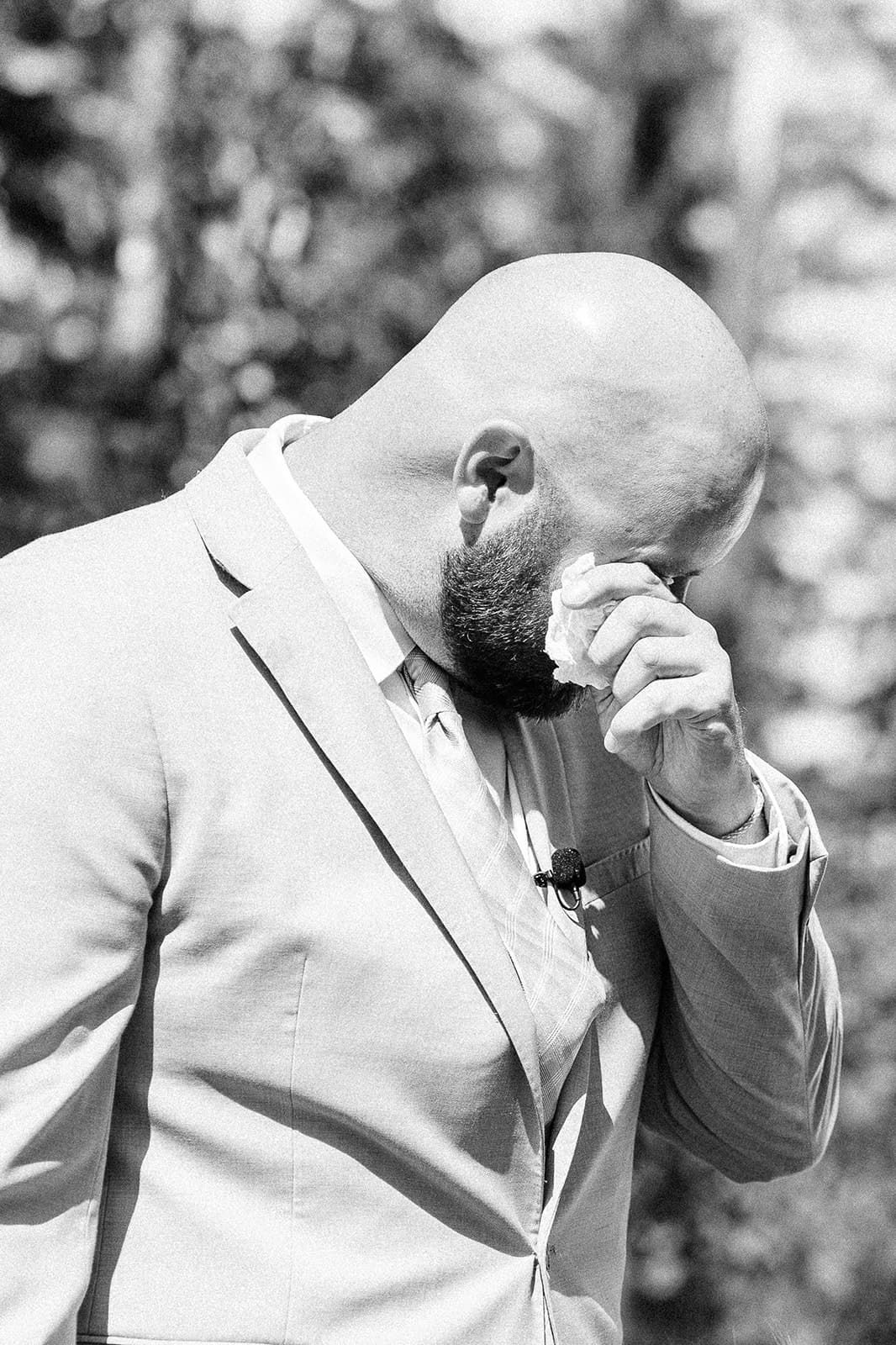
A lot of wedding emotion shows up after dinner. Toasts crack people open. First dances shift the energy. The dance floor becomes joyful and loose in a way the rest of the day is not. If you want that side of your wedding remembered, make sure your coverage lasts long enough to reach it.
This is where couples sometimes regret trimming hours. They secure beautiful portraits and ceremony images, but miss the living heartbeat of the celebration.
How to know what coverage fits your wedding
Start by asking a more personal question than how many hours wedding photographer needed. Ask yourself what you would be heartbroken to lose. Would it be the morning with your people? The ceremony? The candid cocktail hour moments? The speeches? The dance floor? Your private sunset portraits in the mountains? Once you know the memories that matter most, the number becomes easier to choose.
It also helps to think in terms of story, not logistics. A wedding gallery feels powerful when it has an emotional beginning, middle, and end. If coverage only captures the middle, it may still be beautiful, but it can feel less complete.
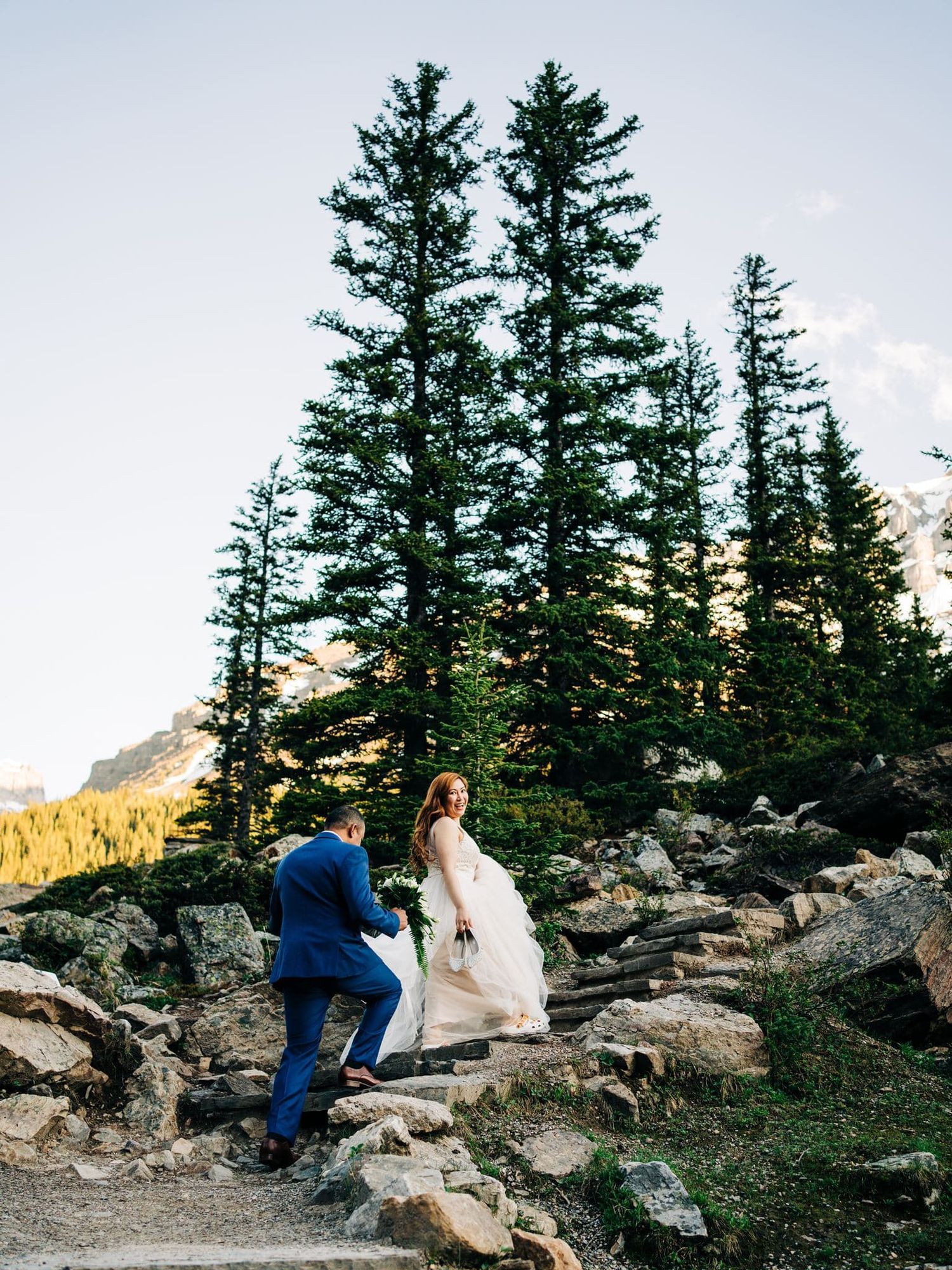
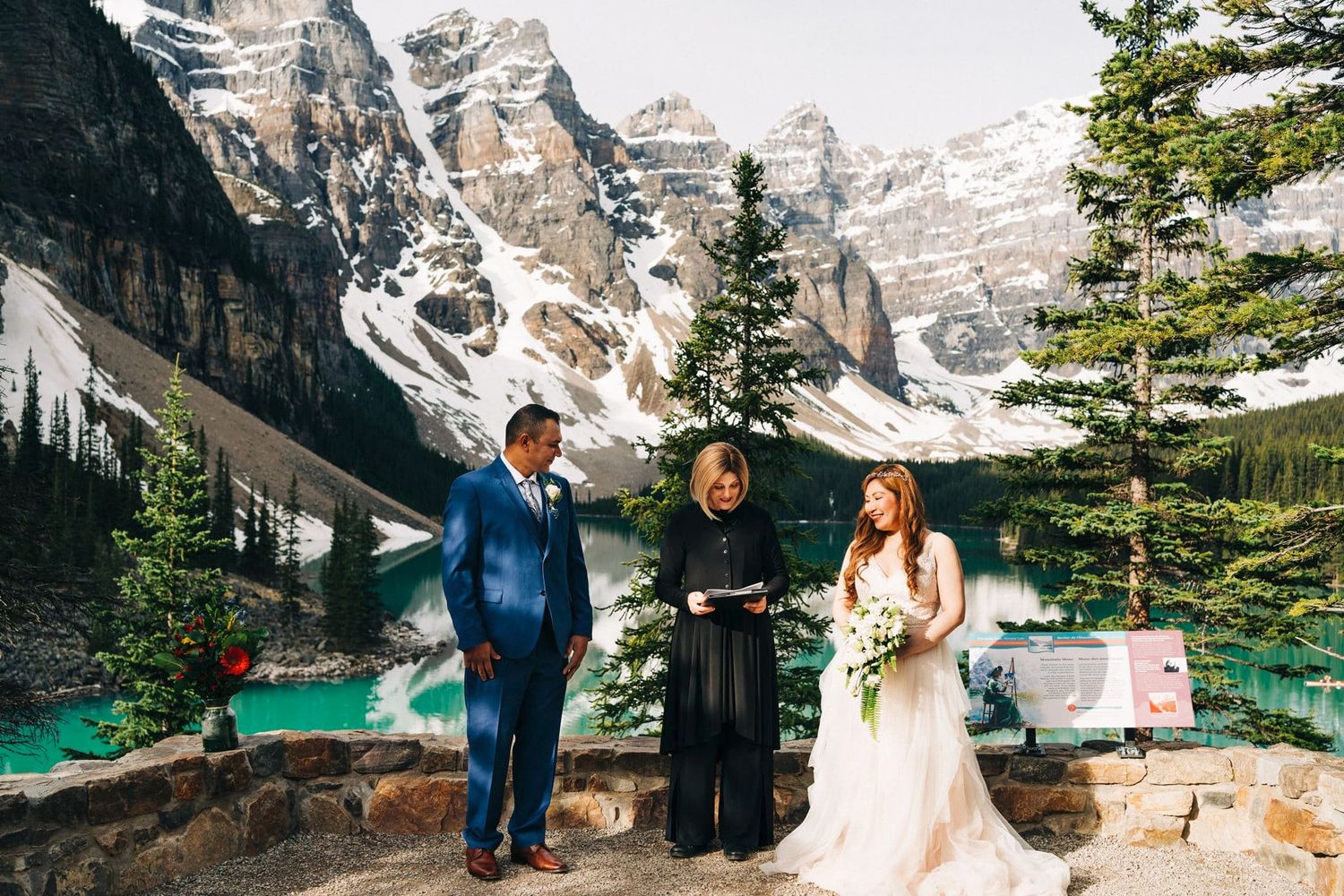
For couples planning weddings in places like Banff or Canmore, this becomes even more important. Mountain weddings often involve travel, weather shifts, and landscapes that deserve intentional portrait time. If your setting is part of the story, you may want extra coverage simply to avoid feeling rushed.
A few common wedding-day scenarios
A simple city wedding with one venue, no wedding party, and a short reception may only need 6 hours. That can be enough for a little getting ready, the ceremony, family photos, couple portraits, and the first part of the celebration.
A traditional wedding with getting ready, a first look, a full ceremony, family portraits, wedding party photos, dinner, speeches, and dancing will usually be more comfortable at 8 to 10 hours. This gives room for natural movement and protects your experience from becoming one long sprint.
A larger celebration with multiple locations, cultural traditions, and a late-night exit may need 10 to 12 hours or even split coverage across events. In those cases, the extra time is less about excess and more about honoring the depth of the day.
Why underbooking can cost more than overbooking
Most couples worry about paying for hours they might not use. That is understandable. But in real life, wedding days rarely run early. Hair and makeup run long. Transportation gets delayed. Family photos take more time than expected. A schedule that looked generous on paper can tighten quickly.
When photography coverage is too short, the pressure lands on the entire day. Portraits get rushed. Candid moments disappear. You may find yourself watching the clock instead of being present.
A little extra margin often creates a better experience. It gives your photographer room to document honestly and gives you permission to actually live your wedding instead of performing it.
The best choice is the one that protects the feeling of the day
At Conquer Your Journey, we believe wedding coverage should support the emotional truth of your celebration, not force it into a formula. The right number of hours is the one that lets your day unfold with enough space for both the planned moments and the unexpected ones - the tears you did not see coming, the laughter that changed the room, the hand squeeze that said everything.
If you are deciding between packages, choose the coverage that protects your peace and your memories, not just your schedule. A wedding passes quickly. The story you keep should feel like it had time to live.