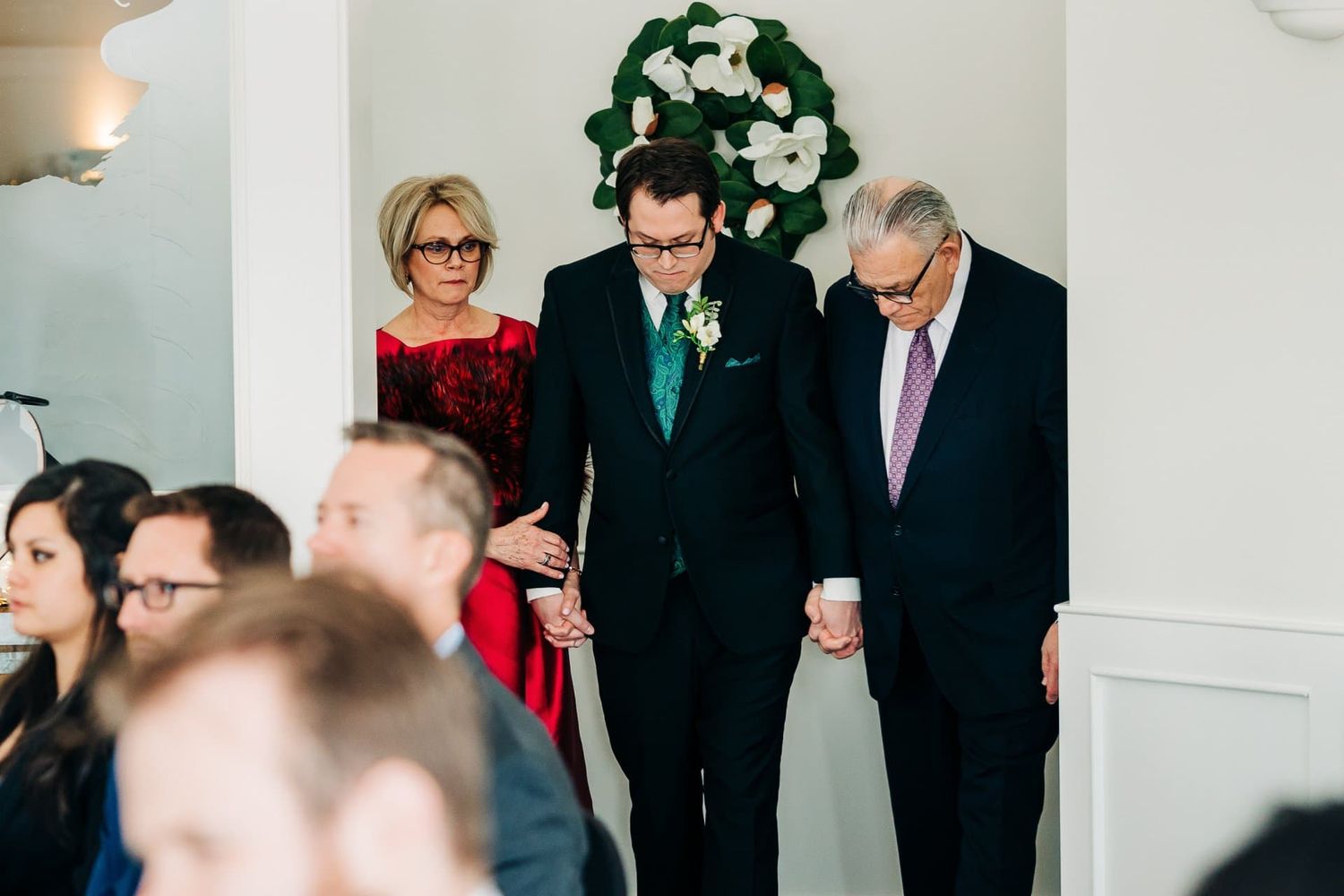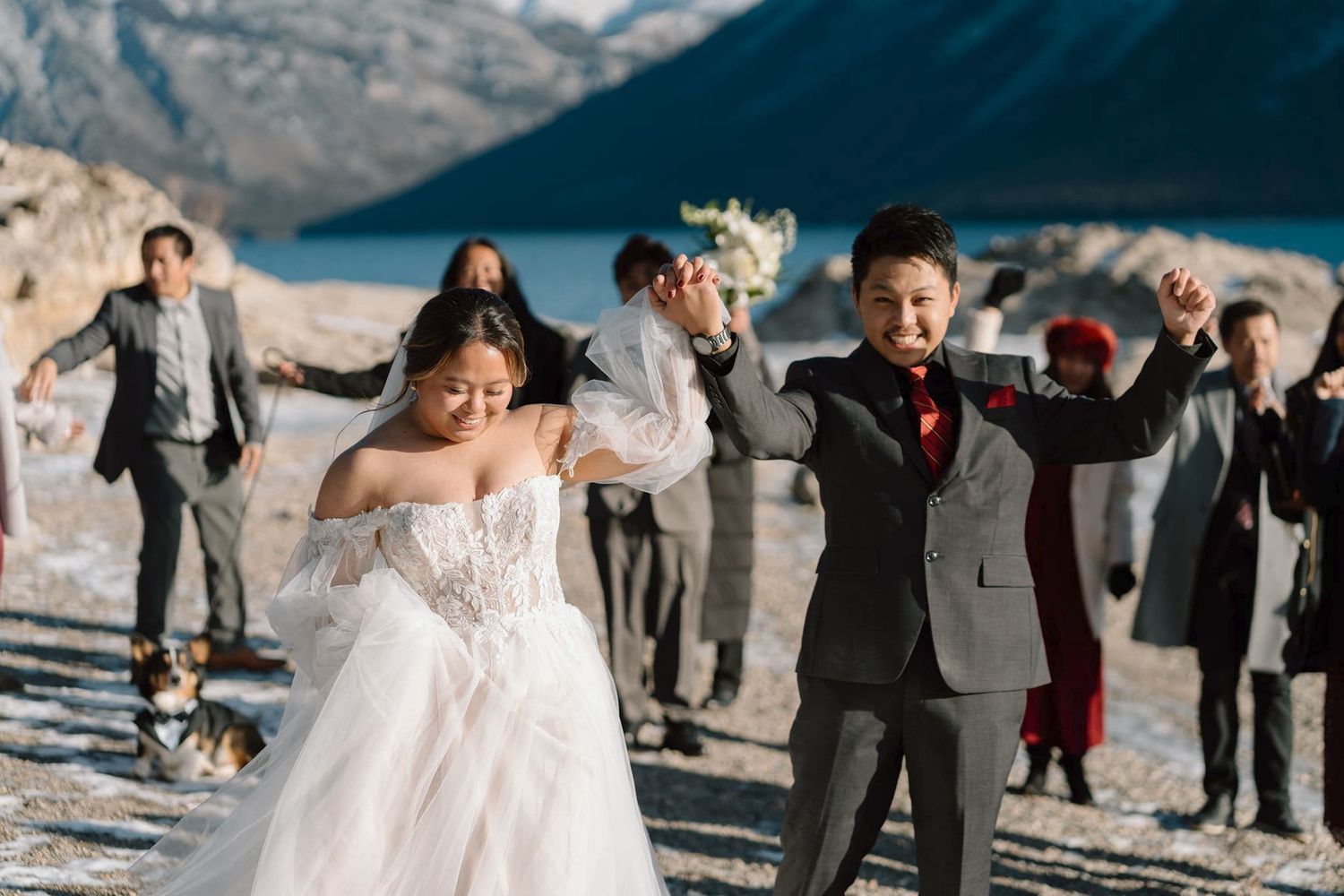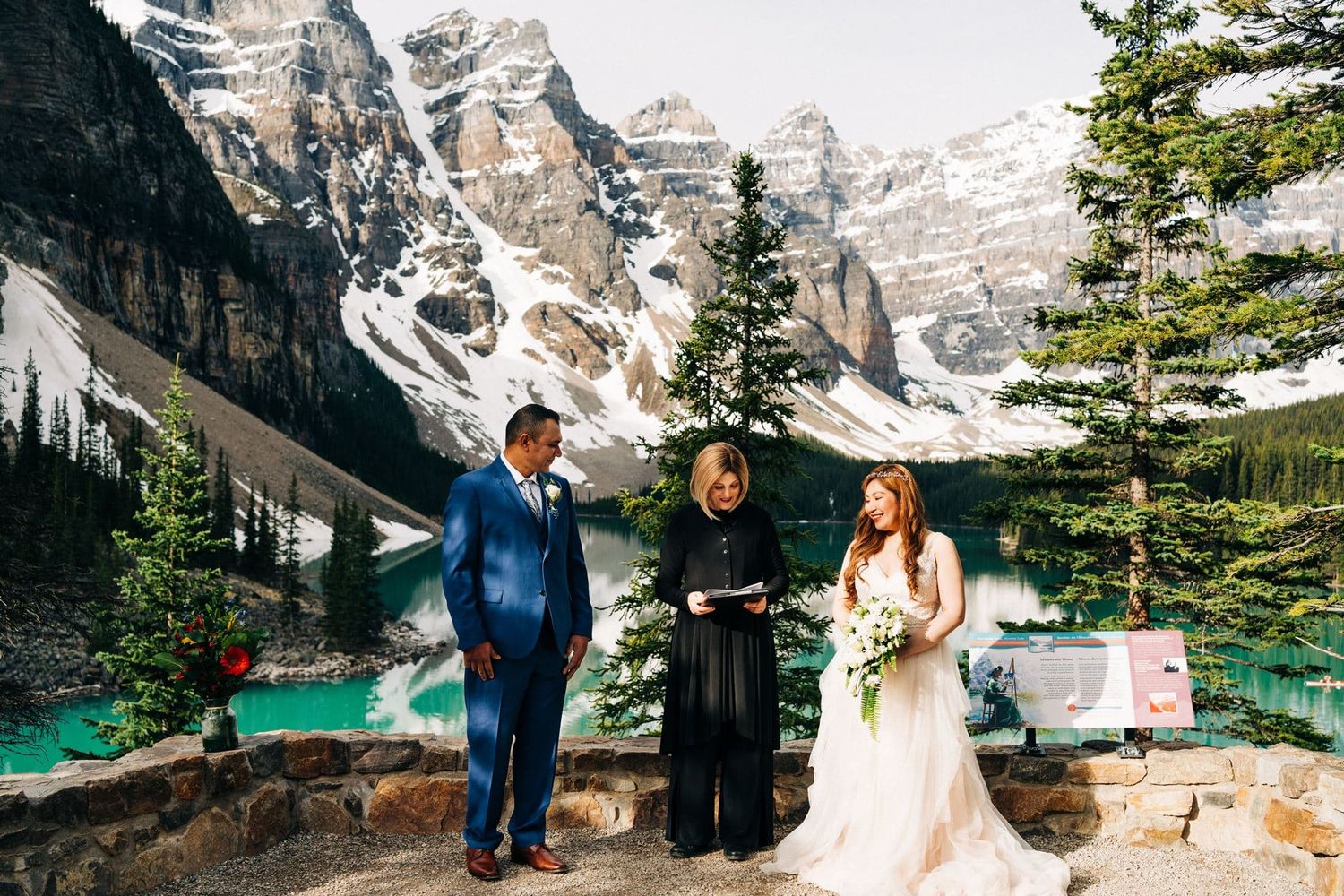
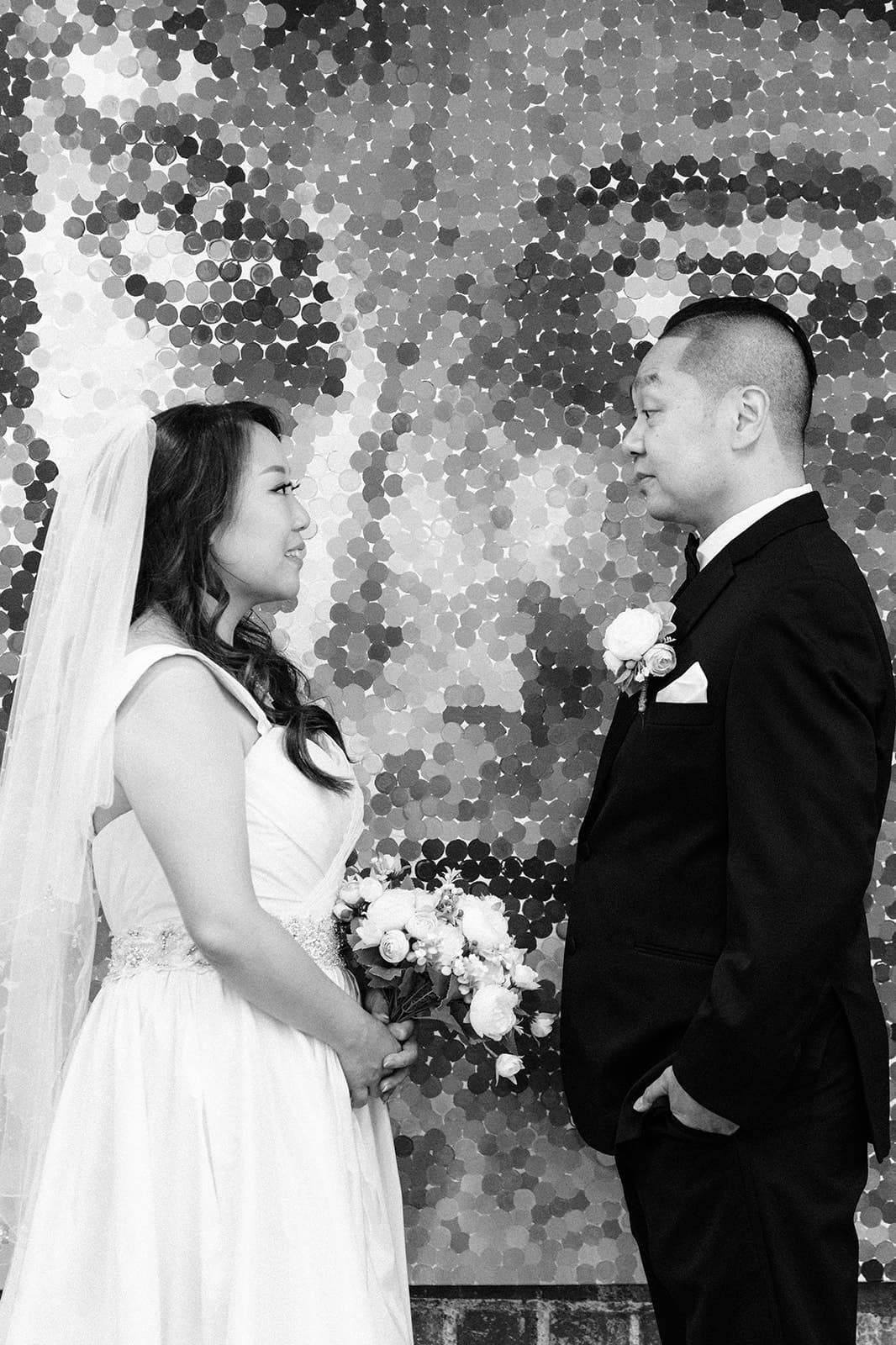
The moment your partner reaches for your hand before the ceremony. The break in a parent’s voice during a toast. The laughter that arrives when nobody is trying to be funny. These are the pieces of a wedding day that move quickly, almost quietly, and wedding films give them a way to remain.
A beautiful wedding film is not simply a record of what happened. It is a return to the feeling of being there. Years from now, when the flowers have faded and the details have softened in memory, the right film can bring back the energy in the room, the sound of your vows, and the way your people looked at you when you finally became married.
Wedding Films Are About More Than Beautiful Footage
Cinematic visuals matter. The mountain light in Banff, a candlelit reception in Calgary, the movement of a veil in the wind - these details create atmosphere and help tell the story of where your day unfolded. But beautiful footage without emotional truth can feel empty. A film should not just show a wedding that looked incredible. It should reveal a wedding that felt unmistakably like yours.
That is why the most meaningful films are built around real moments rather than manufactured ones. A videographer can arrange a dress, guide you toward good light, or offer a little reassurance when nerves are high. But the heart of the story should come from what happens naturally: the way you calm each other before walking down the aisle, the joyful chaos of your wedding party, and the unplanned tears that arrive halfway through a speech.
There is a difference between being filmed and being observed with care. When a team is quietly present, you are free to talk, hug, cry, dance, and take in the day without feeling as though you are constantly being asked to perform. That freedom shows up on camera.
The sound is where memory lives
A still image can preserve a glance forever. Film adds the voice behind it.
Your vows may be the first thing you think of when you imagine wedding audio, but the smaller sounds often become just as precious. Maybe it is your grandmother laughing from her table. Maybe it is the shaky exhale before a parent begins their speech. Maybe it is the cheer that fills the room after your first kiss.
Strong wedding filmmaking treats audio as part of the emotional story, not an afterthought. Clear vows, thoughtful selections from speeches, ambient sound, and music should work together without competing. The goal is not to force emotion onto a scene. It is to make room for the emotion that was already there.
What Makes a Wedding Film Feel Personal
No two couples move through a wedding day in the same way, even when the venue, palette, and schedule look similar. Your film should reflect your rhythm, your relationships, and the atmosphere you worked so hard to create.
For some couples, that means a film with a quiet, intimate pace. Their favorite moments may be the private letter exchange, the stillness before the ceremony, or a first dance that feels like the rest of the room disappears. For others, the heartbeat of the day is celebration: champagne popping in the getting-ready suite, a packed dance floor, and friends who make every toast feel like a story worth retelling.
Neither approach is more meaningful. The best creative direction comes from paying attention to what matters to you rather than following a trend that does not fit. If you are naturally reserved, you should not feel pressured into grand gestures for the camera. If your family is loud, affectionate, and deeply expressive, your film should have room for that energy too.
Personal storytelling also depends on context. A destination wedding in the Rockies may hold sweeping views and a sense of adventure, but the landscape should never overshadow the people at the center of it. The mountains are part of the memory. Your connection is the reason the memory matters.
Presence creates better memories and better footage
Many couples worry that video coverage will make their wedding feel less natural. It can, if the experience is built around interruption. Constant posing, repeated actions, and a camera crew that takes over the timeline can turn meaningful moments into a production.
A more thoughtful approach is gentle direction paired with quiet anticipation. There are times when a little guidance is useful, especially during portraits or when light is fleeting. But the strongest footage usually appears in the space between instructions: when you forget the cameras are there and return to one another.
This is also why a coordinated photo and film team can make such a difference. When photographers and filmmakers understand each other’s movement, they can work from complementary angles without crowding you or blocking your guests. The experience feels calmer, and your day remains yours.
Choosing Wedding Films You Will Still Love Years From Now
It is easy to be drawn to a fast-paced highlight reel with dramatic music and perfect visuals. Those films can be exciting, and there is real artistry in creating them. Still, when choosing a filmmaker, look beyond a single polished minute on social media.
Ask yourself whether the work feels emotionally specific. Can you sense who the couples are? Do the films allow moments to breathe, or do they move so quickly that the vows and relationships get lost? Are speeches and natural audio used with intention? Does the filmmaker’s presence seem to support the day rather than redirect it?
You may also want to consider the kind of film experience you want after the wedding. A short highlight film is wonderful for revisiting the emotional arc of the day and sharing with loved ones. Longer edits can preserve more of your ceremony, speeches, and unscripted exchanges. One is not automatically better than the other. It depends on whether you want a poetic distillation, a fuller record, or both.
The conversation before you book matters, too. A filmmaker should want to know more than your venue and timeline. They should be curious about how you met, what you value about your relationship, who you cannot imagine celebrating without, and what parts of the day you are most looking forward to. Those answers shape the story far more than any shot list ever could.
The Magic of a Same-Day Edit
Some wedding films are made to be discovered after the celebration. A Same-Day Edit creates a different kind of magic: it lets you and your guests experience the opening chapters of your story while the day is still alive around you.
This cinematic highlight reel is edited during the wedding and shown before the reception ends. It might include morning preparations, the anticipation before the ceremony, your vows, the first kiss, and the first moments of celebration. Then, suddenly, the people who lived those moments with you are watching them together.
The room often changes when the film begins. Guests laugh when they see a familiar expression, go quiet when they hear your vows, and reach for tissues when the day’s emotion returns to them on screen. It is not just a surprise element or a beautiful addition to the reception. It becomes a shared memory within the memory itself.
A Same-Day Edit does require thoughtful planning, an experienced team, and space in the schedule for the film to be presented well. It may not fit every wedding, especially if the timeline is especially tight or the couple prefers a more private experience. But for couples who want to give their guests something unforgettable while everyone is still together, it is a powerful choice.
Your wedding will hold hundreds of moments that nobody can fully absorb in real time. You will be busy loving, greeting, crying, laughing, and trying to take it all in. Choose a film team that protects your ability to be present, then trust them to preserve the moments your heart may be too full to notice. That is how a wedding film becomes more than a keepsake. It becomes a way back.