You can feel the difference almost immediately. One wedding gallery shows who was there and what happened. Another pulls you back into the day - the shaky breath before the ceremony, the way your partner looked at you when no one else noticed, the warmth of the room during the toasts, the quiet weight of it all. That feeling is at the heart of what is cinematic wedding photography.
Cinematic wedding photography is a storytelling approach that makes your images feel like scenes from a beautifully told film. It is not about turning your wedding into a movie set or forcing every moment into a dramatic pose. It is about using light, composition, movement, emotion, and pacing to create photographs that feel immersive, intentional, and alive.
For couples who care less about perfect performance and more about remembering the truth of the day, this style can feel deeply personal. It preserves not just how everything looked, but how it felt.
What is cinematic wedding photography, really?
At its core, cinematic wedding photography borrows visual language from film. Think layered compositions, natural motion, meaningful shadows, emotional framing, and images that carry atmosphere. A cinematic photograph does more than record a moment. It invites you into it.
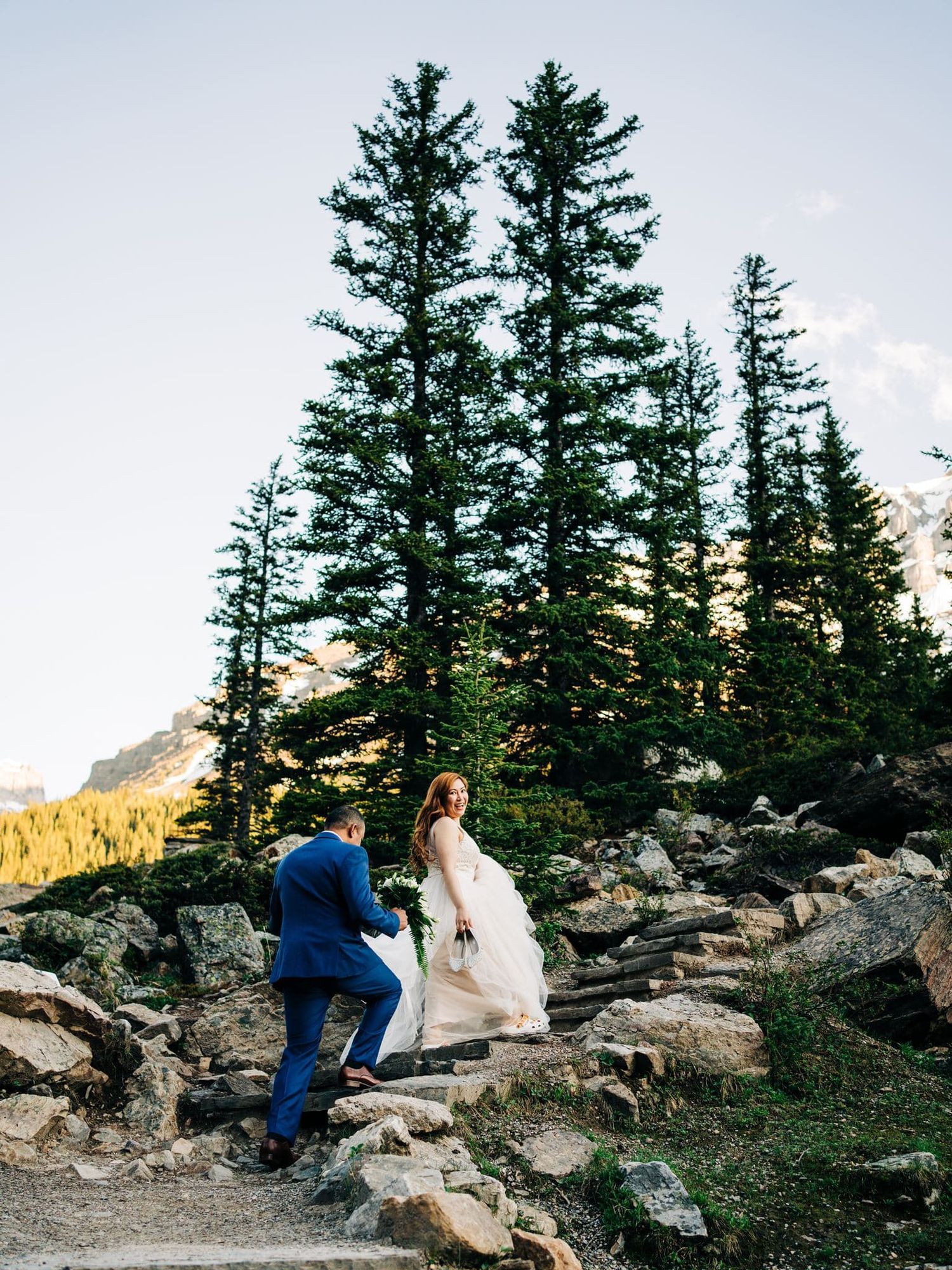
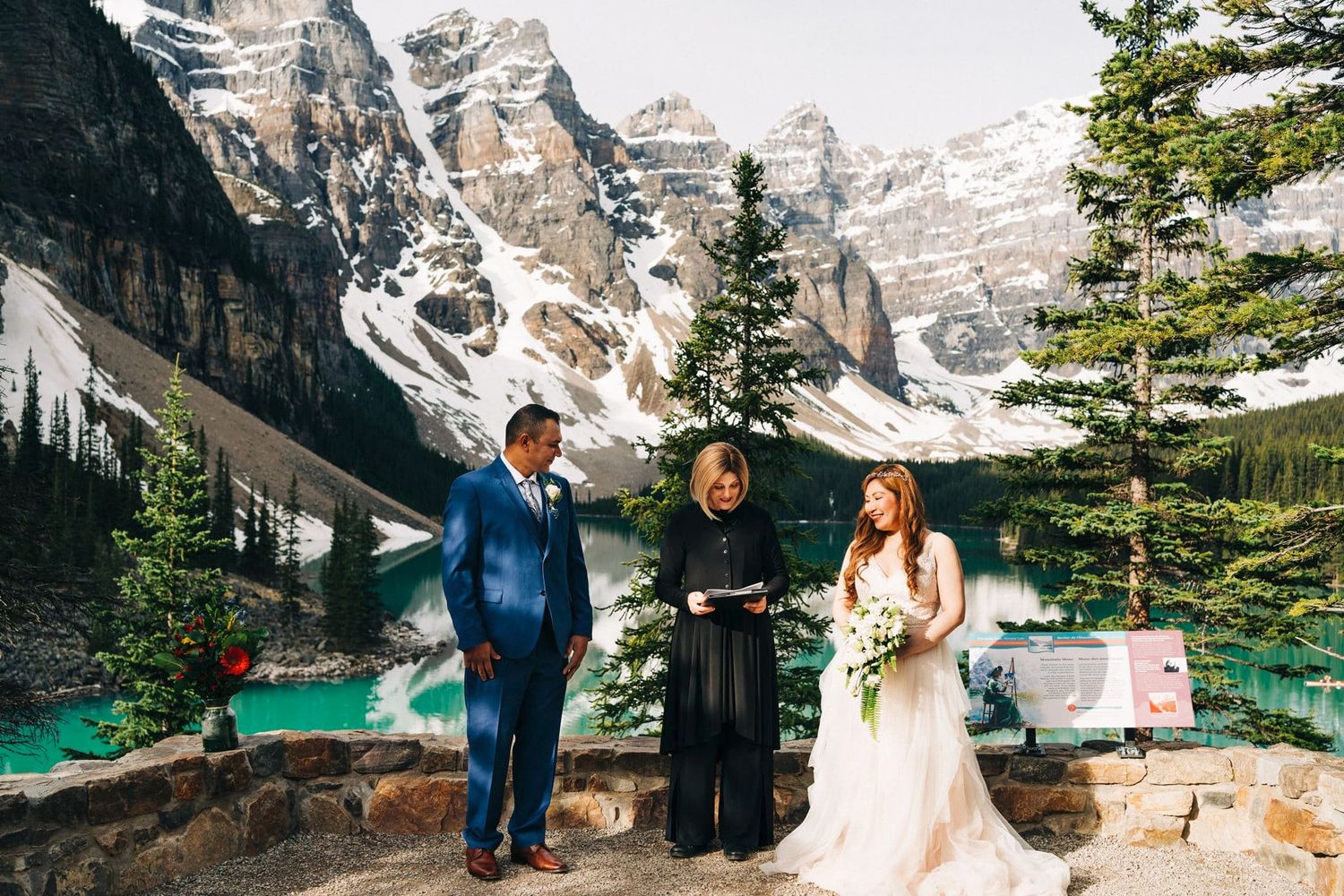
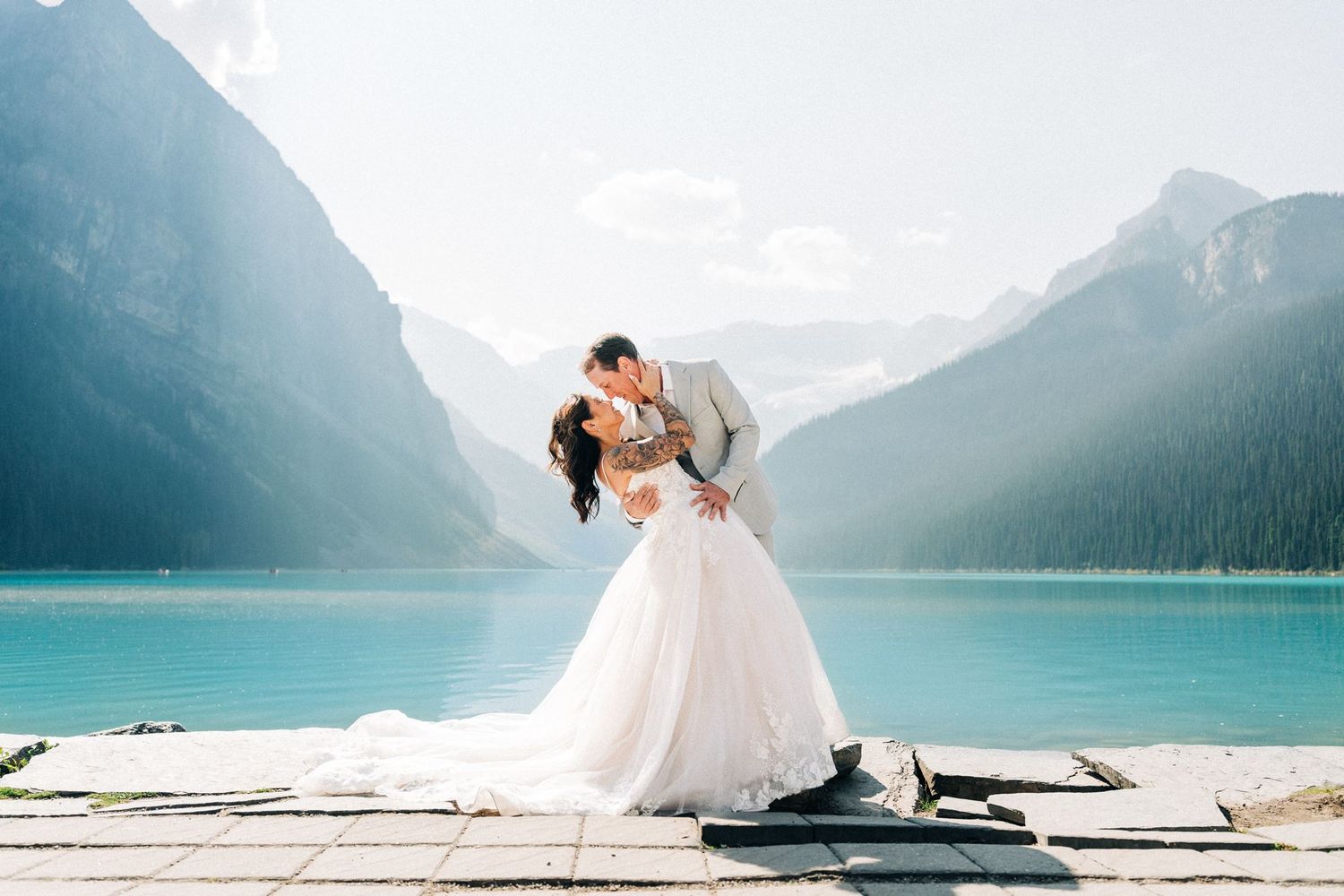
That might look like a wide shot of you standing together in the mountains with weather rolling in behind you. It might be a close, quiet frame of your hands tightening before you walk down the aisle. It might be a slightly imperfect image filled with movement during the dance floor because that blur says more about the joy of the night than a frozen, polished frame ever could.
The goal is not perfection in the traditional sense. The goal is emotional truth with artistic intention.
This is where cinematic photography differs from wedding coverage that feels purely informational. Traditional documentation often focuses on clarity, symmetry, and making sure every important event is captured. Cinematic work still does that, but it also pays close attention to mood, tension, rhythm, and visual storytelling.
How cinematic wedding photography feels different from traditional wedding photos
Traditional wedding photography can be beautiful. There is absolutely a place for clean portraits, family formals, and timeless images where everyone is looking at the camera. Most couples still want some of those photographs, and for good reason.
But cinematic wedding photography reaches for something more layered. Instead of asking, "How do we make this look perfect?" it often asks, "How do we make this feel real and unforgettable?"
That difference shows up in small ways. A cinematic photographer might use the architecture of the ceremony space to frame your entrance and build a sense of anticipation. They may leave room for shadows instead of brightening everything evenly, because the mood matters. They may photograph through movement, reflections, or foreground elements to create depth and intimacy.
It also shows up in how the day is approached. Rather than directing constantly, the photographer watches closely and steps in with intention. There is a trust in the natural unfolding of the day. Real reactions, not over-rehearsed ones, become the center of the story.
The elements that create a cinematic look
Cinematic wedding photography is not one editing preset or one trendy pose. It is the result of several choices working together.
Light
Light is one of the biggest factors. Cinematic images often use light in a more emotional way. That can mean soft window light during getting ready, dramatic side light during a first look, or the glow of candles and reception lighting left intact instead of being flattened out.
The point is not to make every frame equally bright. It is to let the light support the mood.
Composition
Composition in cinematic photography tends to feel thoughtful and story-driven. Instead of centering everything, the frame may leave negative space, include environment, or place subjects in a way that creates tension and context.
This helps the image feel less like a posed snapshot and more like part of a larger narrative.
Movement
Still photos can hold movement beautifully. A dress caught by wind, a hand reaching, a laugh mid-burst, a blurred spin on the dance floor - these details can make an image feel alive.
Cinematic work often embraces motion rather than fighting it. Not every frame needs to be perfectly crisp to be powerful.
Emotion
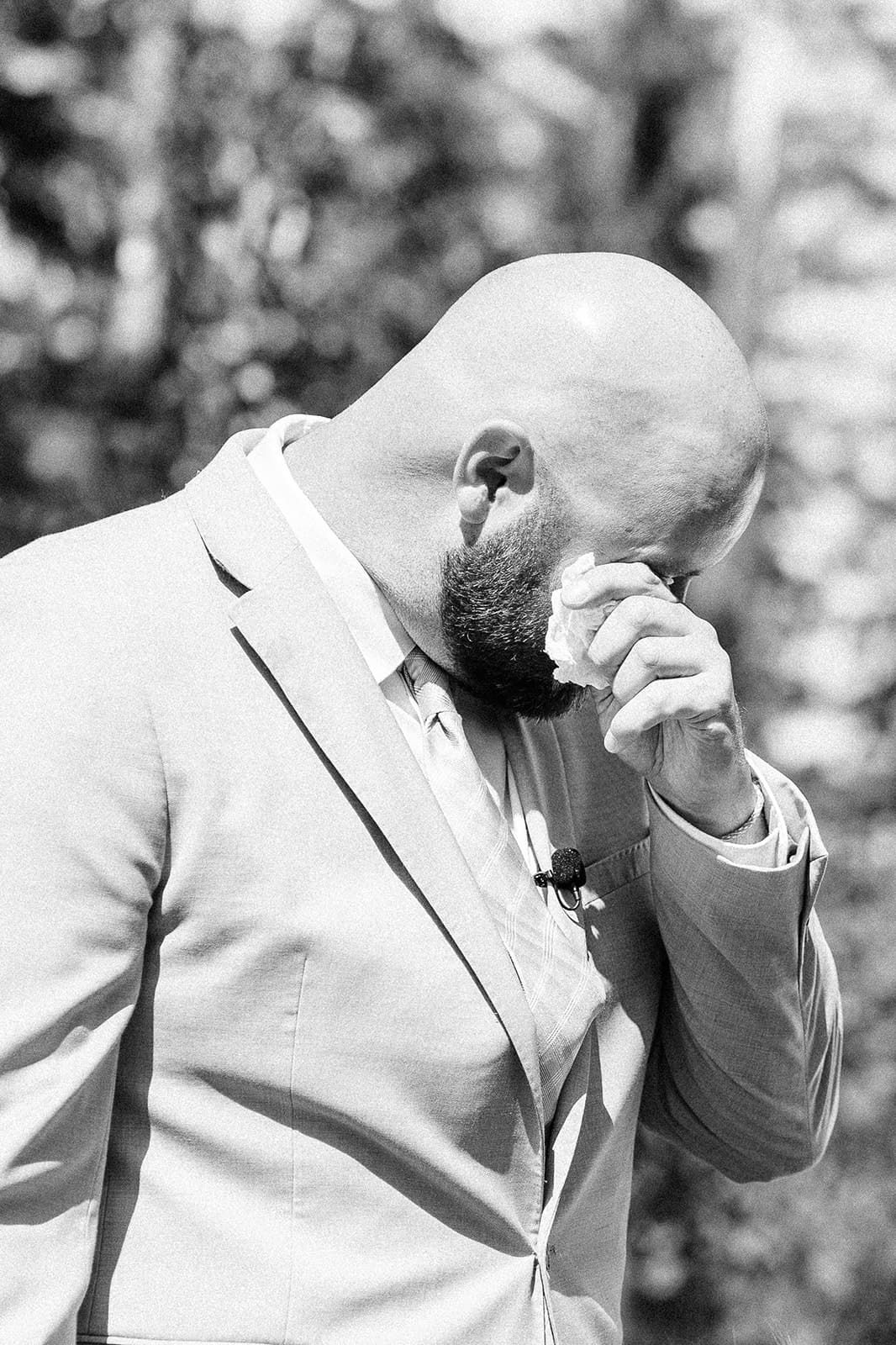
This is the heart of it. Cinematic wedding photography leans into expression, body language, atmosphere, and connection. It notices the in-between moments - the ones that might not be planned but are often the most memorable.
That is why this style resonates so strongly with couples who want their gallery to feel honest.
Editing
Editing plays a role, but it is not the whole story. Cinematic edits often have depth, rich tones, and a cohesive mood. They may feel warm and nostalgic, or clean and dramatic, depending on the photographer's style.
Still, editing alone does not make an image cinematic. Without emotion and intentional shooting, a heavy edit can feel more like a filter than a story.
Is cinematic wedding photography the same as documentary photography?
They overlap, but they are not identical.
Documentary wedding photography is rooted in observation. It prioritizes real moments as they happen, with minimal interference. Cinematic wedding photography often shares that love of authenticity, but adds a more stylized visual approach. It is still truthful, but it is also shaped with mood and artistry in mind.
In practice, many photographers blend the two. They document the day honestly while framing and editing it in a way that feels elevated and immersive. That combination can be especially meaningful for couples who want both emotional realism and visual beauty.
At Conquer Your Journey, that blend is part of what makes story-driven coverage feel so lasting. The day is not treated like a performance. It is treated like a chapter worth preserving with care.
Who is cinematic wedding photography best for?
This style is a natural fit for couples who care about feeling something when they look back at their images. If you are drawn to candid moments, atmosphere, and photographs that feel less staged and more lived-in, cinematic coverage may be exactly what you are looking for.
It is especially meaningful if your wedding is designed around experience. Maybe you care deeply about the setting, the emotion of your vows, the energy of your people, or the quiet moments tucked between the major events. Cinematic photography honors those layers.
It can also be a beautiful fit for mountain weddings and destination celebrations, where landscape and environment become part of the story. In places like Banff or Canmore, the cinematic approach often feels especially natural because the scenery already carries so much scale and emotion. Still, it is just as powerful in an intimate city wedding, a backyard celebration, or a candlelit indoor venue. The style is not about having a dramatic location. It is about seeing the emotional texture of whatever is real to you.
What to ask if you want this style
If you think cinematic wedding photography is your style, the best next step is not asking whether a photographer can make things look dramatic. It is asking how they tell stories.
Pay attention to whether their galleries feel emotionally consistent from start to finish. Do they photograph people in a way that feels natural? Can they handle low light without losing atmosphere? Do their images have movement and depth, or do they rely heavily on poses? Most importantly, do you see real connection in the work?
It also helps to ask how they direct. Some couples want very little interruption. Others want a bit more guidance during portraits while still keeping the rest of the day candid. A strong cinematic photographer usually knows how to do both - giving just enough direction when needed while protecting the flow of the day.
There is also a practical side to consider. More stylized work often requires strong instincts around timing, lighting conditions, and post-production. That artistry is part of the investment. If legacy matters to you, it is worth choosing someone whose vision aligns with how you want your memories to live.
A beautiful style, but not a one-size-fits-all answer
Cinematic wedding photography is compelling, but it is not the right fit for every couple. If your top priority is a large number of traditional posed images, or you want every photo to be bright, crisp, and straightforward, you may prefer a more classic approach.
And that is okay. The best wedding photography style is the one that reflects your values, not the one with the most buzz around it.
But if you want photographs that feel like memory instead of performance, if you want your gallery to carry emotion and movement and meaning, cinematic wedding photography offers something rare. It gives your day a visual heartbeat.
Years from now, when the flowers are gone and the timeline has blurred, the right images will still bring you back. Not just to what it looked like, but to the love, the nerves, the laughter, and the quiet certainty that this was the beginning of something worth remembering well.