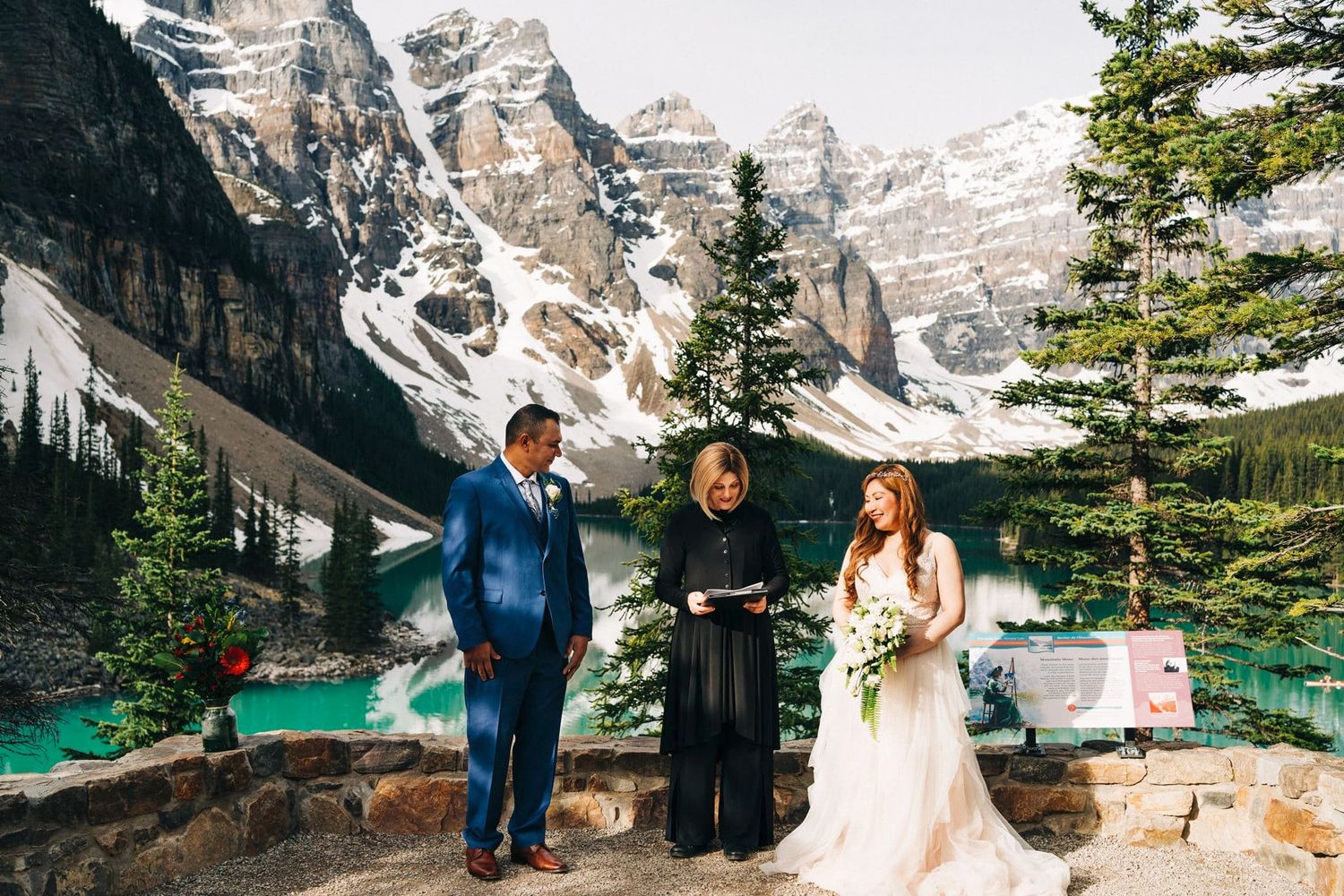

You are halfway through your vows, trying not to cry, and your partner gives you that look - the one that says everything without a single word. No one asked you to pose. No one interrupted the moment. It simply happened, and it was preserved as it felt. That is the heart of what is documentary wedding photography: a way of telling the truth of your wedding day through honest, unscripted imagery.
For couples who care more about meaning than performance, documentary wedding photography feels different from the start. It is less about manufacturing perfect moments and more about recognizing them as they naturally unfold. The laughter from your bridal party while getting ready, your parents reaching for each other during the ceremony, the quick breath you take before walking down the aisle - these are the details that become part of your legacy because they were real in the first place.
What is documentary wedding photography, really?
Documentary wedding photography is a storytelling approach built around observation rather than control. Instead of directing every movement, the photographer watches closely, anticipates emotion, and captures the day as it is actually lived.
That does not mean there is no artistry involved. Quite the opposite. Great documentary coverage requires timing, intuition, composition, and a deep understanding of people. The photographer is making creative decisions constantly, but without pulling you out of the moment every few minutes. The goal is to preserve the atmosphere of the day, not replace it.
This style is often described as candid, photojournalistic, or story-driven. Those terms overlap, but the core idea stays the same: your wedding is documented with honesty. The images are meant to feel alive, layered, and emotionally true.
The difference between documentary and traditional wedding photography
Traditional wedding photography usually places more emphasis on direction. You may be guided into poses, asked to repeat actions, or pulled aside frequently for carefully arranged shots. There is absolutely a place for that. Some couples love structure and want a polished, editorial feel throughout the day.
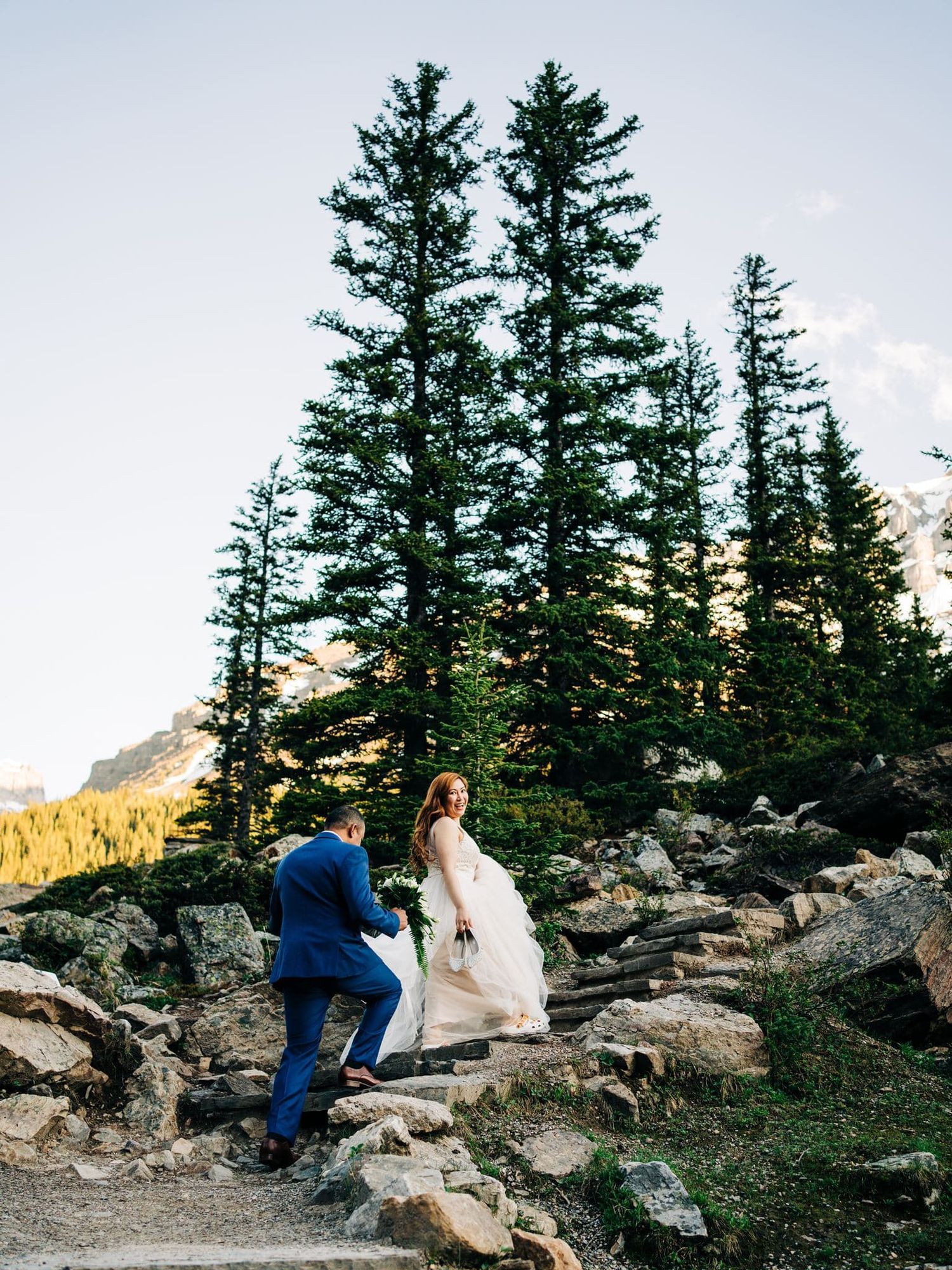
Documentary photography shifts the balance. Rather than building the day around the camera, the camera works around the day. The photographer blends into the rhythm of events and captures what is already happening. The result is often more spontaneous and emotionally textured.
The trade-off is worth understanding. If you want every image to feel highly posed and controlled, a fully documentary approach may not be the right fit on its own. On the other hand, if you want to remember how your wedding felt - not just how it looked - documentary coverage usually delivers something deeper.
Most couples do not need an all-or-nothing approach. In reality, many wedding days include a mix. Family portraits might be gently guided, while the ceremony, speeches, cocktail hour, and dance floor are documented with very little interference. That blend gives you both structure and honesty.
Why couples are drawn to this style
There is a reason so many engaged couples start here once they move past Pinterest-perfect inspiration. They begin to realize they do not want their memories to feel staged. They want to see themselves in the images, not a version of themselves performing for the camera.
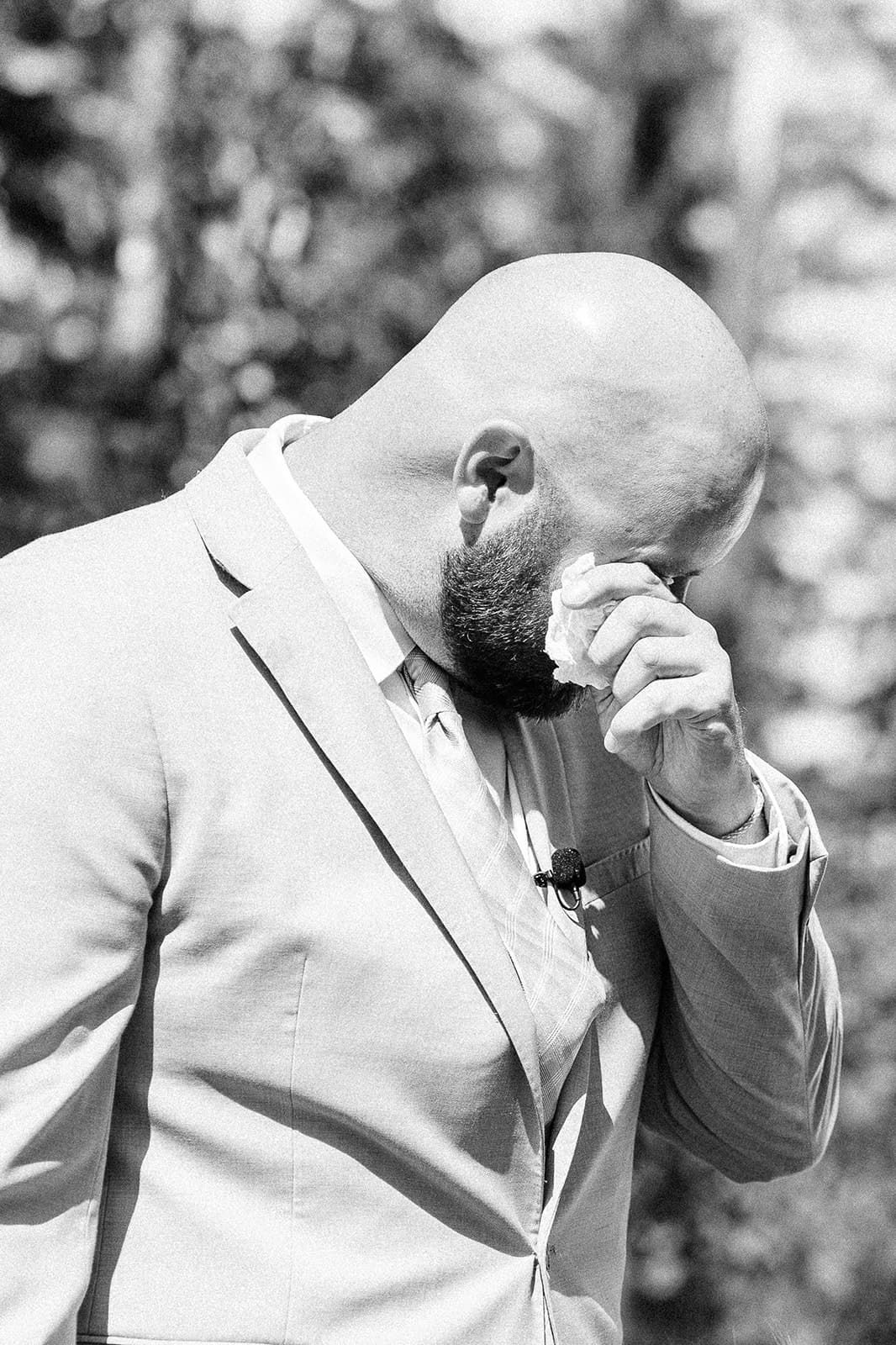
Documentary wedding photography gives space for that. It honors the nervous energy in the morning, the imperfect veil adjustment, the tearful hug that happens off to the side, and the kind of laughter that makes you forget a camera is even nearby. These moments are easy to miss in real time, but they become priceless later.
This style also tends to feel gentler on the wedding day itself. If being photographed all day sounds exhausting, a documentary approach can feel like a relief. You are not constantly being asked to stop, turn, smile, and repeat. You get to stay present with your people.
For couples planning a meaningful celebration in Calgary, the mountains, or somewhere far from home, that kind of presence matters. Your wedding is not a content shoot. It is the beginning of a new chapter, and the way it is documented should reflect the emotional weight of that.
What documentary coverage actually looks like on a wedding day
It begins long before the ceremony. During getting ready, a documentary photographer pays attention to relationships, not just details. Yes, the dress, invitations, and florals may be photographed beautifully, but so will the hands helping with the buttons, the quiet pause before everything begins, and the energy in the room.
At the ceremony, the focus stays on genuine reactions and unfolding moments. The exchange of glances. The way your guests lean in. The tears someone tries to hide. The movement of the room matters as much as the major milestones.
Later in the day, this approach becomes even more powerful. Speeches, hugs, happy chaos, children spinning on the dance floor, grandparents watching from their table, your friends losing themselves to the music - this is where the full story takes shape. A documentary photographer is always looking for connection, contrast, and the small moments between the obvious ones.
That does not mean couple portraits disappear. It simply means they are approached with more freedom and less stiffness. You might be prompted to walk, talk, hold each other, or take a breath together instead of being locked into formal posing. The final images still feel beautiful and intentional, but they also feel like you.
What makes a great documentary wedding photographer
Not every candid photo is documentary storytelling. A strong documentary wedding photographer does more than wait for random moments to happen. They know how to read a room, anticipate emotion, and move with intention without taking over.
They also understand restraint. Knowing when not to interrupt is just as important as knowing when to step in. That kind of awareness helps preserve moments that would disappear the second they are acknowledged.
Empathy matters, too. Weddings are emotional, fast-moving, and often unpredictable. The right photographer knows how to stay calm, connected, and observant through all of it. They can recognize when a moment needs space and when a couple needs guidance.
This is part of why chemistry with your photographer matters so much. When you feel safe and understood, it becomes easier to be fully present. And when that happens, your photos carry something much more valuable than polish. They carry truth.
Is documentary wedding photography right for every couple?
It depends on what you value most.
If you want your gallery to feel deeply personal, emotionally honest, and full of in-between moments you did not even realize were happening, documentary photography is likely a strong fit. If you care about experience and memory more than constant direction, it often feels like the most natural choice.
If you prefer a highly curated day with lots of posed imagery, dramatic setups, and detailed shot recreation, you may want a photographer whose style leans more editorial or traditional. That is not better or worse. It is simply a different priority.
Many couples find themselves somewhere in the middle. They want their wedding documented truthfully, but they also want a few beautiful portraits and family photos that feel timeless. A thoughtful photographer can help create that balance without letting the day turn into a series of interruptions.
At Conquer Your Journey, that balance is part of the beauty. The story leads, but there is still room for art, guidance, and intentional portraiture when it matters.
What lasts after the wedding
Long after the flowers are gone and the timeline stops mattering, your photographs become a way back. Not just to what your wedding looked like, but to what it felt like to live it.
That is why documentary wedding photography resonates so deeply. It gives you more than evidence of the day. It gives you texture, emotion, atmosphere, and memory. It lets you revisit the parts you missed, the expressions you never saw, and the quiet moments that held everything together.
If you are choosing how your wedding should be photographed, start there. Ask yourself what you want to remember when the day is no longer fresh. The answer is usually not perfect posing. It is your people, your feelings, your story, exactly as it unfolded.