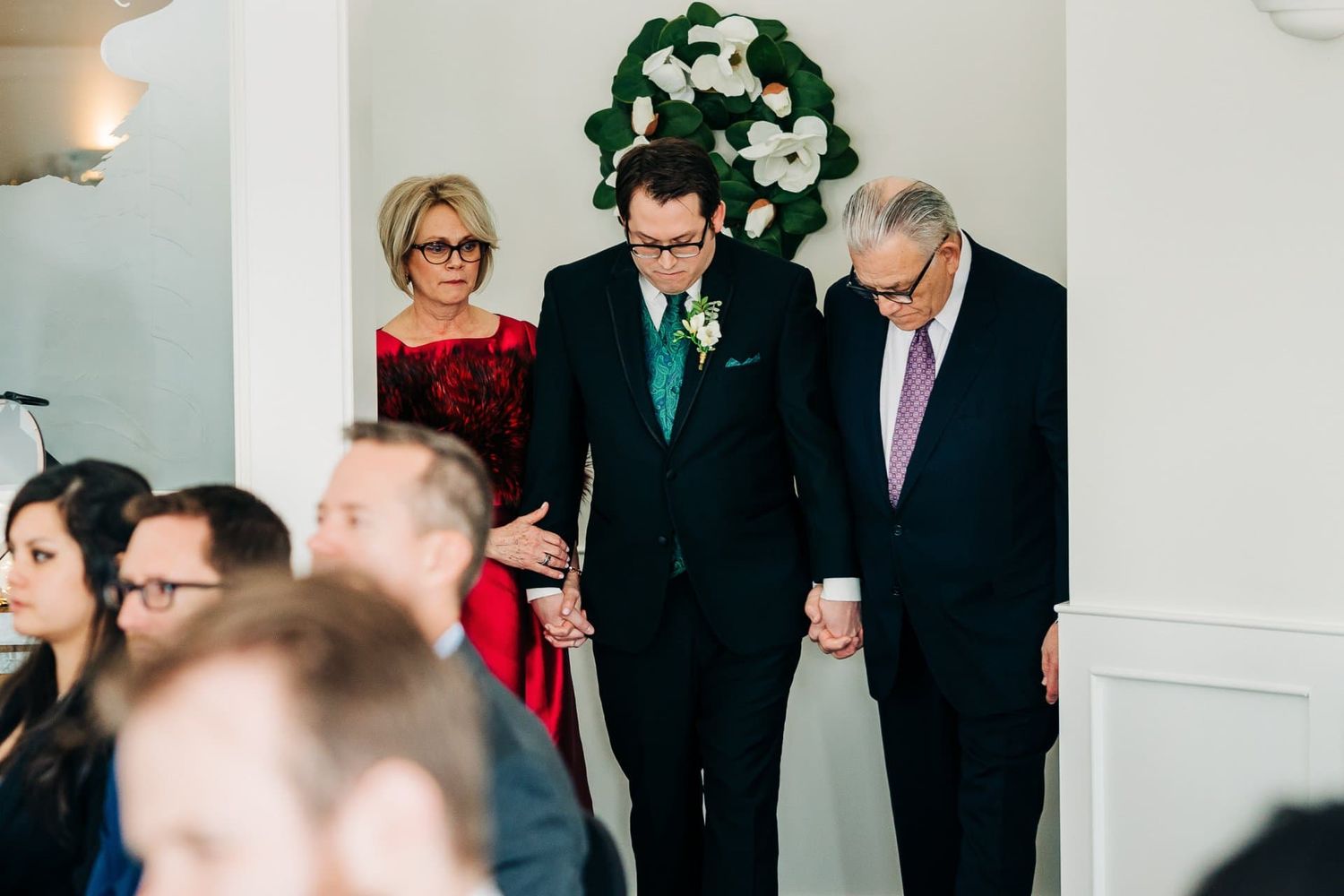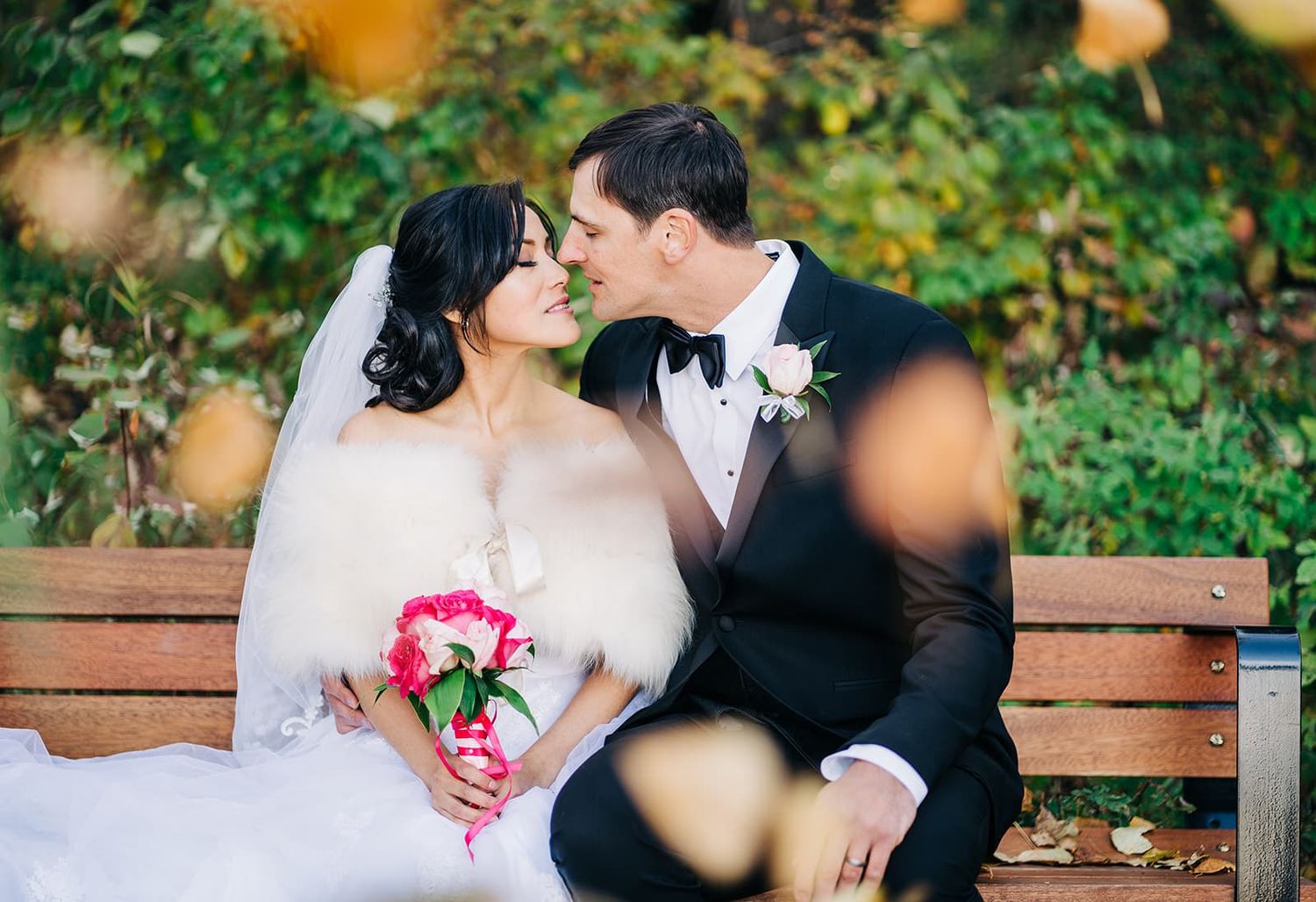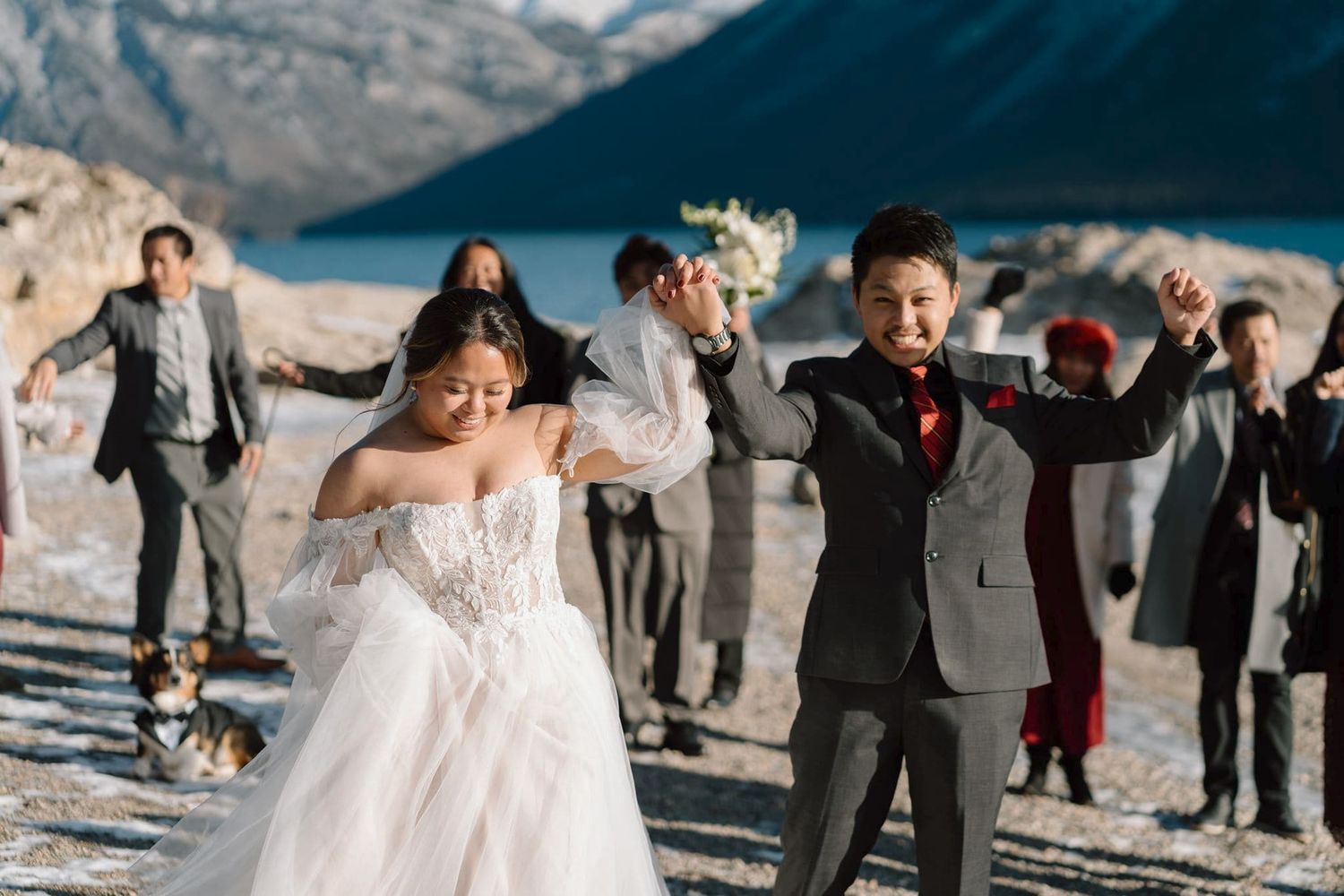
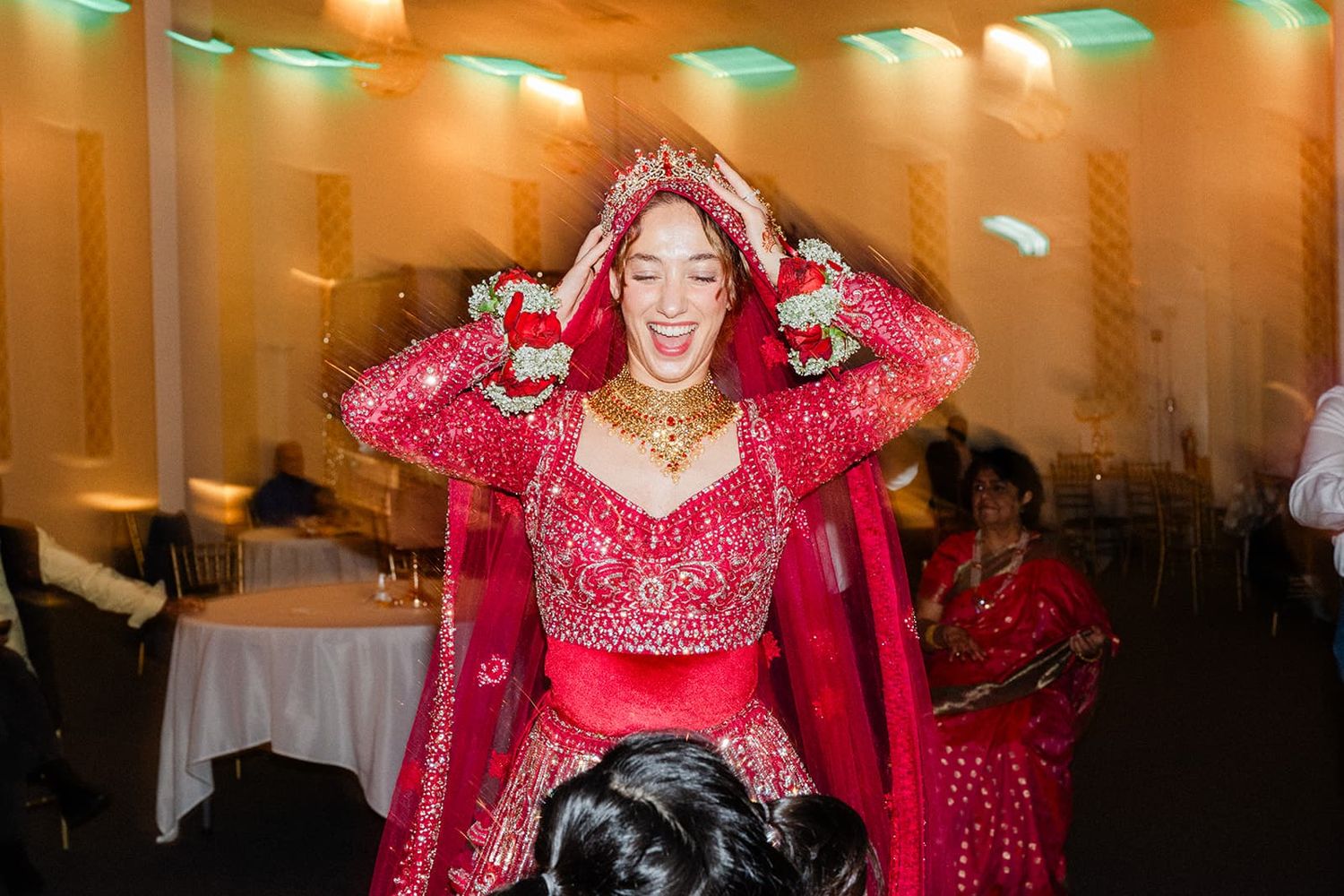
You can remember the way your partner looked at you during the vows. You can remember your people crying during speeches. But memory has a quiet way of softening the edges over time. That is part of why couples ask, what is wedding videography? At its best, it is not just a video of your wedding day. It is the living, breathing memory of how it felt to be there.
Wedding videography is the art of documenting a wedding through motion, sound, pacing, and emotion. It brings together the big moments and the small ones - your voices during vows, the crack in a parent’s speech, the rush of laughter on the dance floor, the wind moving through your veil, the room just before you walk down the aisle. Where photography freezes a moment, videography lets it unfold.
What is wedding videography meant to capture?
A lot of people assume wedding videography is just recording the ceremony and reception from start to finish. That can be part of it, but thoughtful wedding videography goes much deeper. It is less about surveillance and more about storytelling.
A wedding film is usually built around movement, sound, and emotional rhythm. That means the final piece may include the obvious milestones like the first look, vows, speeches, and first dance, but it also makes space for what happens in between. The trembling hands while getting ready. The half-second glance between partners across the room. The way your friends lose it when the music starts.
These details matter because they shape the emotional truth of the day. A strong wedding film does not simply show what happened. It helps you feel it again.
Wedding videography vs. a traditional wedding video
People often use these terms interchangeably, and that is completely understandable. Still, there can be a meaningful difference between a wedding video and wedding videography.
A traditional wedding video may focus on documenting events in chronological order, often with longer, more literal coverage. Think of it as a record of the day. Wedding videography usually leans more cinematic and story-driven. It is edited with intention, using audio, music, pacing, and visual composition to create an emotional narrative.
That does not mean one approach is automatically better. It depends on what you want to keep. Some couples value full-length ceremony and speech recordings because they want every word preserved. Others care most about a crafted highlight film that feels immersive and artful. Many want both.
The key is understanding that wedding videography is not just about having a camera present. It is about shaping a film that reflects your relationship, your people, and the atmosphere of your celebration.
What a wedding videographer actually does
From the outside, it can look like a wedding videographer simply shows up and films what unfolds. In reality, a lot of the work happens before and after the wedding day.
Before your wedding, a videographer usually learns how your day is structured, what matters most to you, and how you want your film to feel. Some couples want something romantic and reflective. Some want movement, energy, and a sense of adventure. Some want the film to center family, culture, or intimate in-between moments. Those choices shape how the day is filmed.
On the wedding day itself, a videographer is watching constantly for emotion, movement, and interaction. That means anticipating moments instead of forcing them. The best coverage often comes from being present without making the day feel like a production set.
Afterward, the editing process is where the story truly takes form. Hours of footage are reviewed, audio is selected, scenes are paired, pacing is refined, and a narrative arc is built. This is why wedding videography is both documentary and art. It preserves what happened, but it also interprets the feeling of it with care.
Why sound changes everything
One of the biggest reasons couples choose videography is simple: photos cannot replay voices.
You can see your vows in a photograph, but you cannot hear the pause before your partner says, “I do.” You can remember that your father gave a speech, but hearing his voice years later is an entirely different kind of keepsake. The same goes for toasts, laughter, live music, and the ambient sounds of the day that your memory may not hold forever.
This is where wedding videography becomes deeply personal. Sound has a way of bringing you back instantly. It can transport you into a moment in a way nothing else really can.
For many couples, that becomes even more meaningful with time. Long after the flowers, decor, and timeline have faded into the background, the voices remain priceless.
Is wedding videography worth it?
This is usually the real question sitting underneath what is wedding videography.
For some couples, the answer is an immediate yes. They know they want to preserve the movement, sound, and energy of the day because experience matters to them as much as appearance. For others, it feels like an extra until they imagine what they would miss without it.
If you care most about reliving emotion, hearing your people, and having a fuller record of how the day unfolded, videography is often worth the investment. If your wedding is deeply personal, includes meaningful speeches or family traditions, or brings together people you do not get to see often, film can hold those moments in a powerful way.
That said, not every couple wants the same thing. Budget matters. Priorities matter. Some couples would rather put more toward photography, travel, or guest experience. There is no single right formula. But if you know you are planning a day filled with meaning, videography is one of the few ways to preserve not just the look of it, but its pulse.
What styles of wedding videography exist?
Not every wedding film feels the same, and that is a good thing. Style shapes the final experience.
Documentary-style wedding videography focuses on real moments as they happen with minimal interference. It often feels natural, observational, and emotionally honest. Cinematic wedding videography tends to emphasize composition, movement, music, and editorial storytelling, creating a more film-like result. In practice, many wedding filmmakers blend both approaches.
There is also a difference in how much direction a couple wants. Some films include guided portrait moments and intentional setups. Others are almost entirely candid. Neither is wrong. It depends on your personalities and how you want to remember the day.
If you are drawn to authenticity over performance, look for work that feels human rather than overly polished. The most meaningful films usually leave room for imperfection because real love is not stiff or scripted.
How wedding photography and videography work together
Photography and videography do different jobs, which is why they can complement each other so beautifully.
Photography gives you the frame you will print, hold, and return to every day. Videography gives you motion, sound, and sequence. One captures stillness. The other captures flow. Together, they tell a fuller story.
This is especially helpful when your team works in sync. A coordinated photo and video team can move with the same rhythm, respect each other’s angles, and create a smoother experience for you. That matters more than couples sometimes realize. You do not want to feel pulled in different directions on a day that should feel present and natural.
For couples who value emotional storytelling, having both can create a legacy that feels complete. You can hang the photo on your wall, then hear the vows behind it years later.
What to ask before hiring a wedding videographer
Once you understand what wedding videography is, the next step is finding a filmmaker whose work feels like your story, not someone else’s.
Pay attention to whether their films make you feel something. Ask how they approach candid moments, how they capture audio, and how much direction they give during the day. Find out what is included in the final delivery, whether that means a highlight film, full ceremony edit, speech coverage, or social clips.
It also helps to ask about presence. Do they work quietly and intuitively, or in a more hands-on way? Neither style is universally right, but the right fit should match how you want your wedding day to feel.
If you are getting married in a place like Calgary, Banff, or Canmore, experience with changing light, mountain weather, and movement between locations can also shape the quality of your final film. Beautiful settings are part of the story, but they should never overpower the people at the heart of it.
At its core, wedding videography is the practice of preserving a chapter of your life in motion - not just so you can see it later, but so you can return to the feeling of it. Years from now, when your day exists mostly in fragments and stories, the right film can bring it back with astonishing clarity. That is the quiet power of being able to press play.