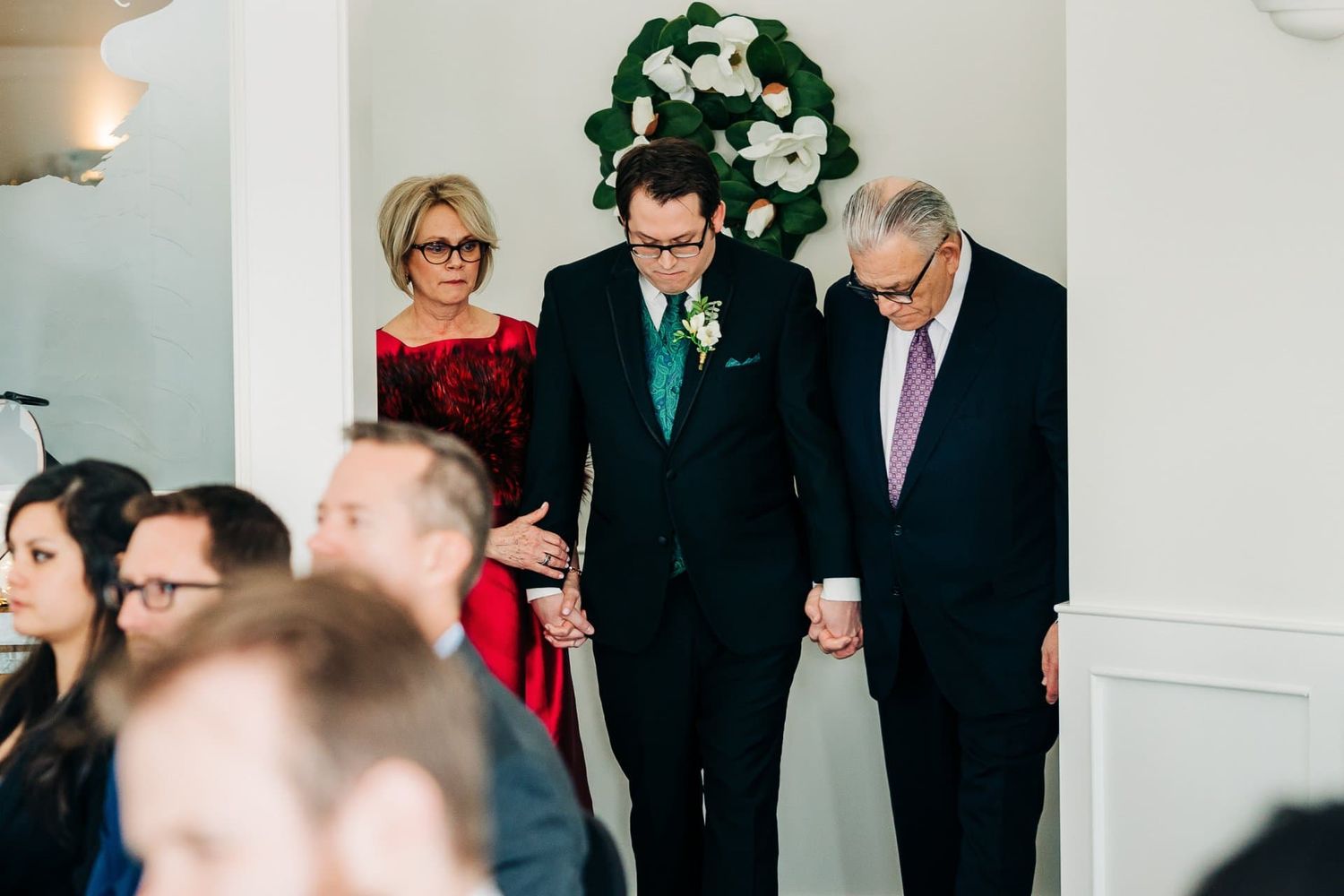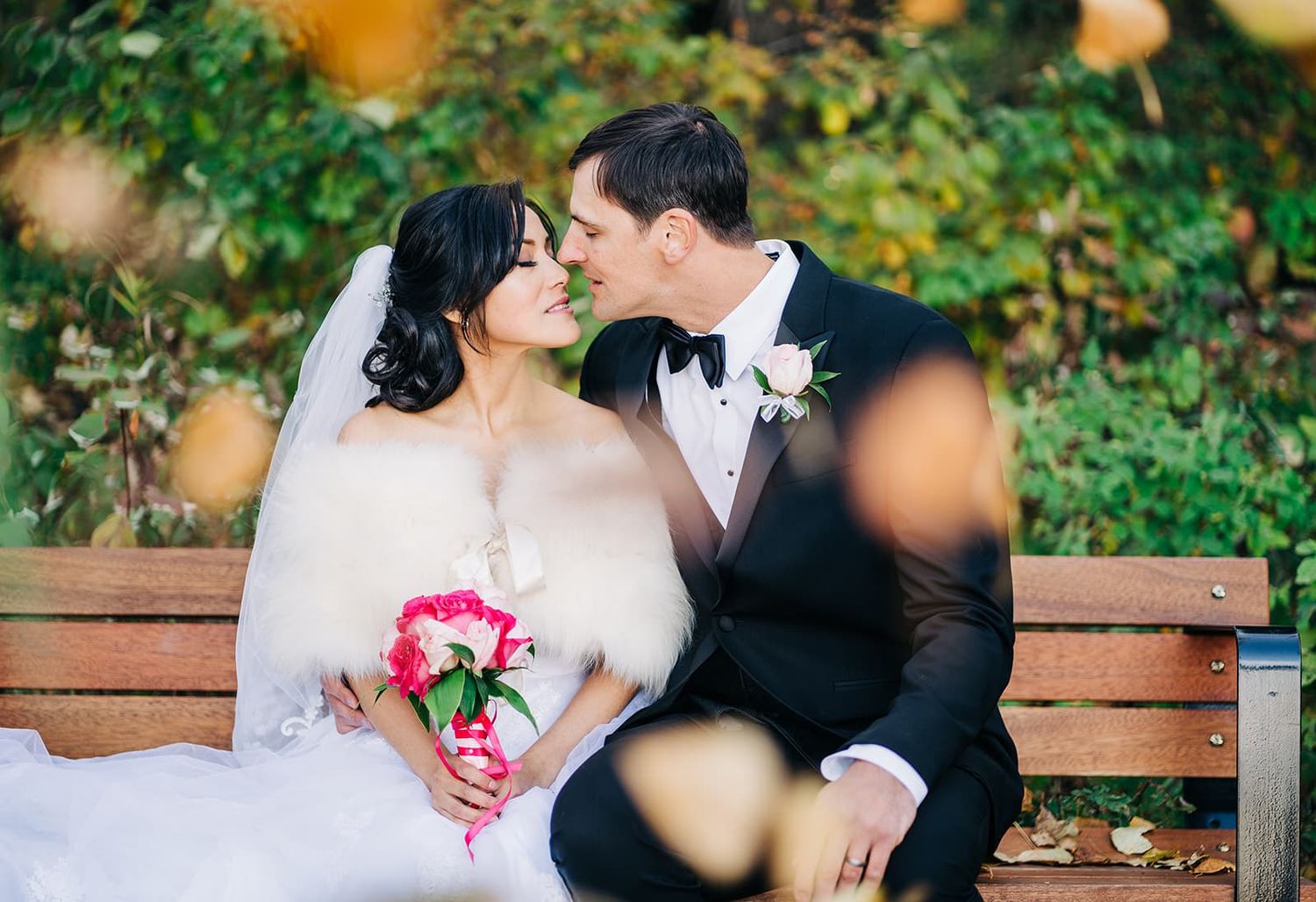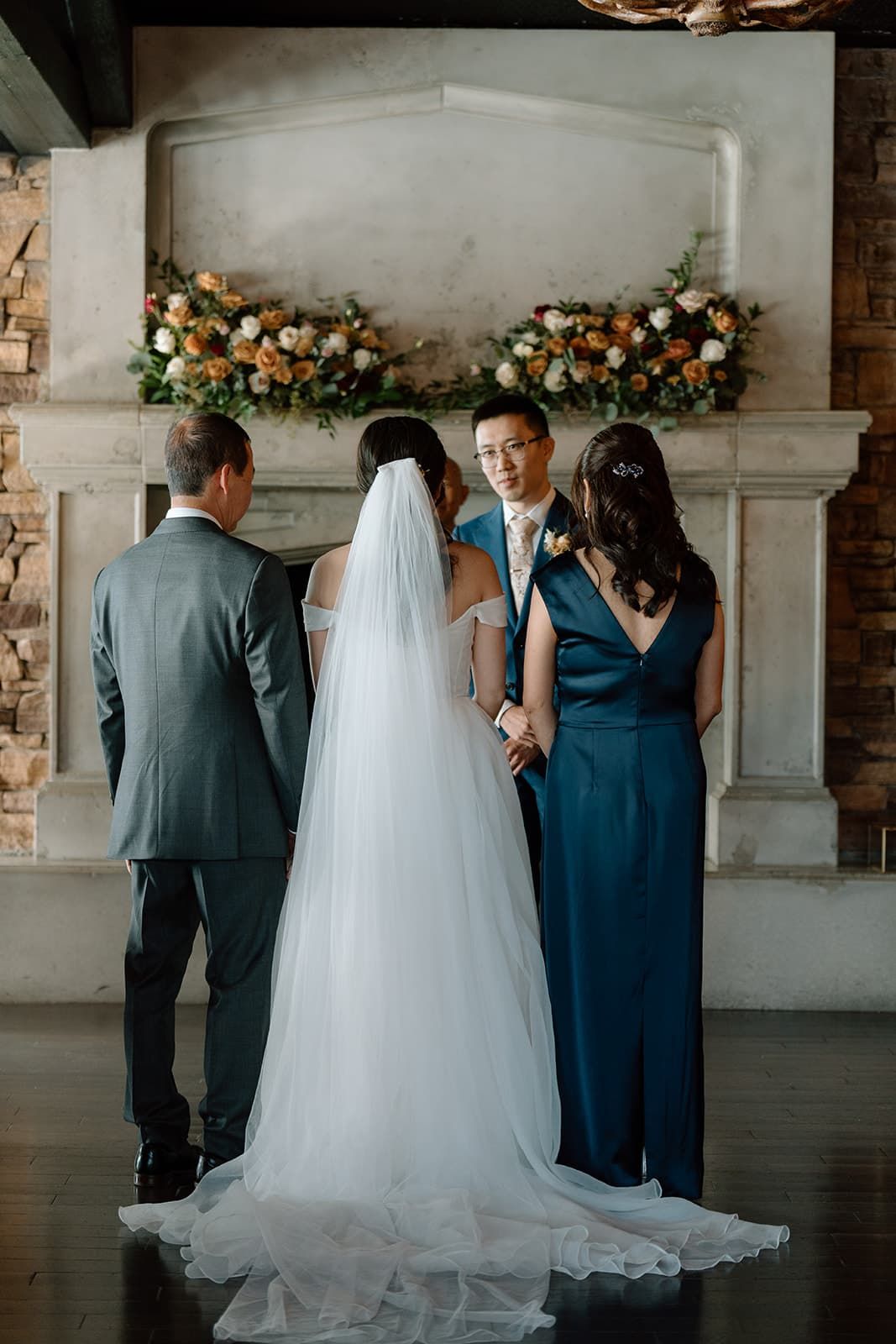
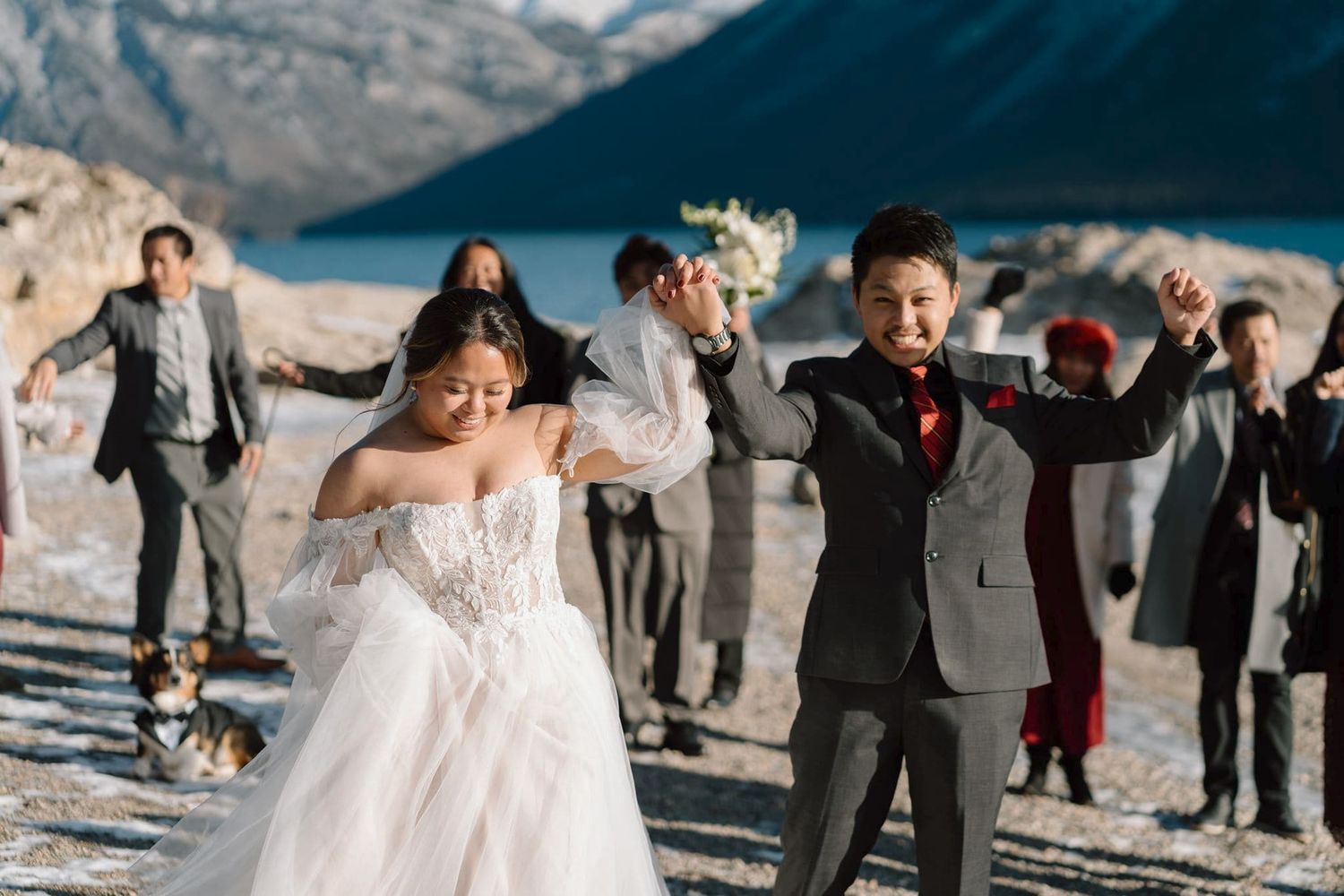
The first sound in your wedding film might not be your vows. It may be your boots pressing into damp earth before sunrise, wind moving through the pines, or the small breath you take before turning around to see each other. A Banff elopement video planning guide should make room for those moments, because they are often what brings you back to the feeling of the day years later.
Banff has a way of making a celebration feel vast and deeply intimate at once. But a meaningful film does not come from chasing every famous viewpoint or packing the day with photo stops. It comes from building a timeline that lets you be present, choosing locations with care, and trusting your team to notice what is already unfolding.
Start With the Feeling You Want to Remember
Before you choose a trail, a ceremony time, or the song for your film, talk honestly about how you want the day to feel. Do you picture a quiet morning with coffee in your cabin and a private first look? Do you want your closest people with you, sharing a long table dinner after a mountaintop ceremony? Or do you want the two of you, a few vows, and enough space to hear the wind between sentences?
Those answers should shape the video more than any trend. A cinematic elopement film can be expansive without being overproduced. The most moving footage usually comes from the things you would do anyway: helping each other get ready, reading a letter in private, laughing when the weather changes, holding hands during a quiet drive back to town.
Give your videographer context, too. Tell them about the people who matter, the story behind a meaningful heirloom, or why you chose Banff together. This is not about scripting your day. It is about helping your team understand what deserves their close attention.
Plan a Banff Elopement Video Around Light and Pace
Mountain light is beautiful, but it is not always predictable. Sunrise and the final hours before sunset often create the softest, most dimensional footage. They also tend to bring fewer people to popular areas, which can make it easier to stay connected to each other instead of feeling watched.
That does not mean every elopement needs a 4:30 a.m. alarm. If an early start will leave you exhausted, cold, and disconnected, it may not be the right trade-off. A later ceremony, a slower getting-ready morning, or a first look in a sheltered location can serve your experience better. The best timeline is the one that gives you energy for the moments you actually care about.
For video, build in more margin than you think you need. Moving between locations in Banff can take longer due to traffic, parking, trail conditions, shuttle schedules, or a sudden change in weather. A rushed day can look beautiful on paper while feeling stressful in real life. Leave space for warm drinks, bathroom breaks, a quiet pause after the ceremony, and the moments that cannot be scheduled.
Let your vows have room to breathe
Your ceremony is the emotional center of your film. Choose a place where you can hear one another and where your officiant, guests, and filmmaking team can work without disrupting the moment. A dramatic overlook may be perfect visually, but strong wind, nearby crowds, or traffic noise can make intimate vows difficult to capture.
If you are writing personal vows, consider reading them aloud once beforehand. Not to rehearse the emotion out of them, but to make sure you can speak slowly enough to be heard. Take a breath. Look at your partner. Let the tears or laughter happen. A pause is not dead space in a film. It is often the part that feels most true.
Choose Locations for More Than the View
Banff offers iconic lakes, mountain passes, forests, rivers, and quiet corners that feel worlds away from a busy townsite. The temptation is to fit as many into one day as possible. But your wedding film will feel more personal when you choose two or three locations that each have a purpose instead of treating the day like a scenic checklist.
You might choose a private place to get ready, a ceremony location with a clear view and practical access, then a quieter area for time together after the vows. Each setting can hold a different part of the story. The cabin holds anticipation. The ceremony site holds commitment. The trail or lakeshore holds the exhale afterward.
Accessibility matters, especially if guests are joining you. Think through walking distances, uneven terrain, parking, layers for warmth, and whether anyone needs seating or easier access. A place is only truly right if you and the people you love can experience it comfortably.
Many areas in and around Banff are protected, busy, or subject to specific rules. Permits, commercial filming requirements, ceremony restrictions, drone regulations, and seasonal closures can all affect your plans. Work with vendors who understand how to respect the landscape and confirm the current requirements for your chosen location. Protecting the place that holds your vows is part of honoring the day.
Prepare for Weather Without Fighting It
Weather in the Rockies can shift quickly. Sun, cloud, rain, wind, and even snow can arrive within the same celebration. Instead of seeing that uncertainty as a threat to perfect footage, plan for it as part of your story.
Bring layers that look and feel like you. A tailored coat, a textured shawl, a blanket, gloves, warm socks, and sturdy footwear can keep you comfortable without pulling you out of the visual world you have created. Clear umbrellas are useful, but do not assume rain means your ceremony has to stop. Light rain, fog, and low clouds can add an intimate, atmospheric quality that no clear-sky forecast can copy.
Have a real backup plan for the pieces that matter most. That might be a covered ceremony option, a flexible first-look location, or additional time in your schedule to wait out a short burst of weather. The goal is not to control the mountains. It is to keep you safe and give you permission to stay present when the day becomes something slightly different than expected.
Keep Photo and Video Working as One Story
When photography and videography are coordinated, you spend less time being repositioned and more time living your wedding. Your team can share a timeline, anticipate transitions, and give you simple guidance only when it helps. This is especially valuable during an elopement, when the day may move between remote locations and every hour of light matters.
Ask how your photo and video team works together during portraits. The right approach should not turn your elopement into a long performance. You may be prompted to walk, hold each other, or take a moment alone, but the direction should leave room for your real reactions. The camera should follow your connection, not replace it.
Audio deserves equal attention. Beautiful visuals can set the scene, but the sound of your voices carries the memory. Share whether you are exchanging letters, reading vows privately, or inviting loved ones to speak. Those words can become the thread that holds your film together.
Consider a Same-Day Edit if You Are Celebrating With Guests
If your Banff elopement includes a dinner, reception, or gathering afterward, a same-day edit can transform the evening. While your guests are still carrying the emotion of the ceremony, they can watch the first chapter of your story unfold on screen: the anticipation, the landscape, the vows, and the look on each other’s faces.
It is a premium option that requires thoughtful planning, enough coverage early in the day, and a reception setup that supports the screening. It is not necessary for every elopement, particularly if you are keeping the day entirely private. But for couples who want to give their guests an immediate, heartfelt experience, it can make the celebration feel even more connected.
At Conquer Your Journey, we see that moment as more than a film screening. It is a room full of people returning to the feeling of the day together, before the day has even ended.
Make Space for What Cannot Be Planned
The most lasting part of your Banff elopement film may be the moment that never appeared on the timeline. A parent wiping away tears during your vows. A sudden laugh when your veil catches in the wind. The quiet drive back after the ceremony, when it finally sinks in that you are married.
Plan carefully enough that you feel supported, then leave enough room to notice your own life happening. The mountains will provide the scale. Your presence with each other is what gives the film its heart.