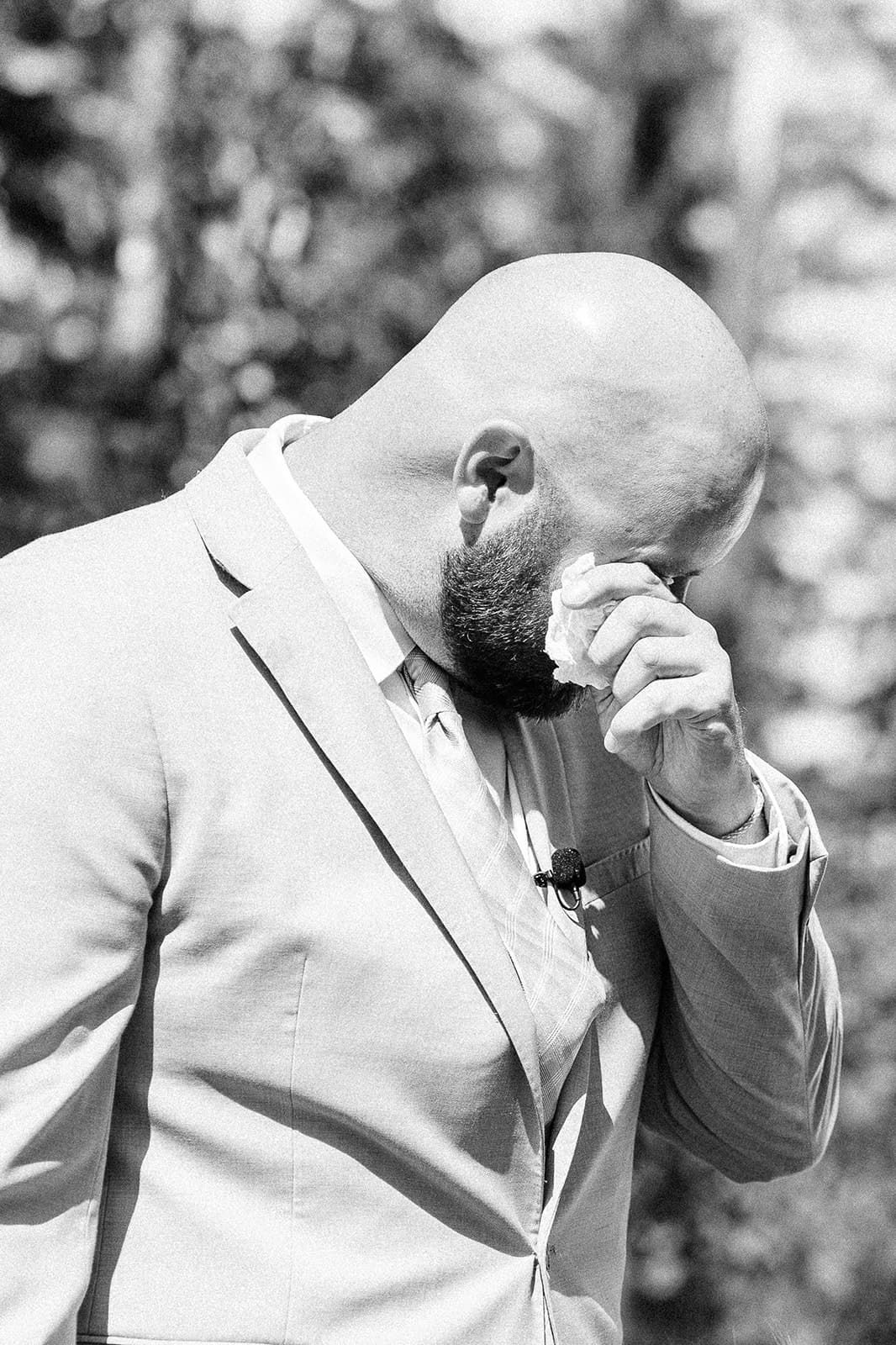
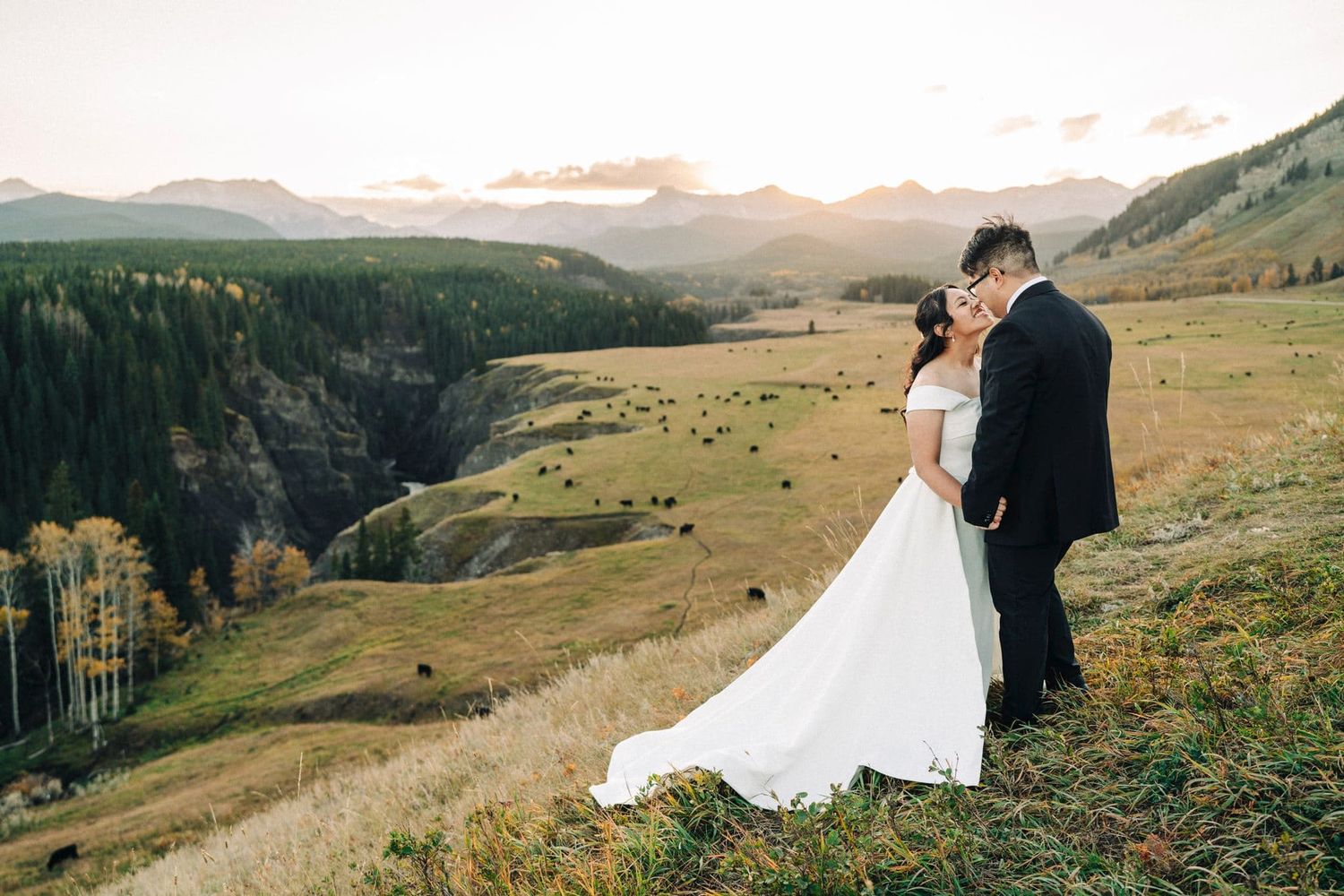
You can spot the difference almost immediately. One gallery looks polished but distant - every frame perfectly arranged, every smile a little too ready. Another makes you feel something. You see a hand squeeze during the vows, your dad looking away to collect himself, your friends bent over laughing at a speech they will quote for years. The best wedding photography is not just beautiful. It feels alive.
That distinction matters more than most couples realize when they first start planning. It is easy to get pulled toward highlight reels, trendy edits, or social media-friendly portraits. Those things have their place. But when the wedding is over and the flowers are gone, what lasts are the images that bring you back to the truth of the day - not just how it looked, but how it moved through you.
What best wedding photography really means
The phrase best wedding photography can sound subjective, because it is. One couple may love editorial portraits with a fashion-forward edge. Another may want a quiet documentary approach that barely interrupts the celebration. Most couples, if they are honest, want some blend of both. They want to look stunning, and they want to remember what was real.
That is why the best work is rarely about one style in isolation. It is about intention. A great wedding gallery knows when to step in and guide, and when to step back and let life unfold. It knows that a portrait is not more valuable than a tearful embrace in the hallway. It understands that a wedding is not a styled shoot. It is a living story with nerves, noise, beauty, timing shifts, weather changes, and deeply human moments that cannot be recreated once they pass.
The strongest photographers build images around emotion, atmosphere, and connection. Technical skill matters, of course. So does lighting, composition, pacing, and editing. But those skills are in service of something bigger. They are there to protect the feeling of the day.
The best wedding photography is not the most staged
There is a common fear behind many wedding inquiries, even when couples do not say it directly. They worry they will feel awkward in front of the camera. They worry they are not photogenic. They worry their day will turn into a performance.
That fear usually comes from imagining photography as constant posing. In reality, the best wedding photography often comes from creating space instead of control. A photographer can give gentle direction without turning every moment into a production. They can help with posture, light, and movement while still preserving the way you naturally interact.
This is where experience changes everything. A thoughtful photographer knows the difference between guidance and interference. During portraits, you may need prompts that help you settle into each other rather than stare at the camera all day. During the ceremony, you need someone who can anticipate emotion without distracting from it. During the reception, you want coverage that catches the energy as it rises instead of flattening it into a checklist.
Perfectly posed does not always mean meaningful. Sometimes the frame with wind in your hair, imperfect laughter, or motion in the dance floor says far more than the one where everyone held still on cue.
How to recognize quality beyond the highlight reel
A beautiful Instagram grid is not the same thing as a strong wedding story. Anyone can post ten striking images from a single event. What reveals true consistency is the full gallery.
When you review a photographer's work, look for emotional range. Can they capture quiet moments as powerfully as dramatic portraits? Do family photos feel organized without feeling stiff? Does the reception still look artful when the light gets difficult? Can you sense the rhythm of the day from beginning to end?
Pay attention to whether the people in the images seem comfortable. That often tells you as much about the experience as the final photographs themselves. If everyone looks overly managed, you may end up with a gallery that is attractive but disconnected. If people look relaxed, present, and like themselves, there is a good chance the photographer knows how to create trust.
Editing is another clue. The best wedding photography usually has a timeless quality, even when it reflects a distinct artistic voice. Heavy trends can date quickly. Skin tones that look unnatural, overly dark galleries, or aggressive presets may feel stylish now but less meaningful later. A strong edit supports the story instead of overpowering it.
Why connection with your photographer changes the outcome
Weddings are intimate by nature. Your photographer is not just showing up to take pictures. They are present while you get dressed, during family dynamics, in private exchanges, during emotional peaks, and in the unscripted in-between. That kind of access requires trust.
This is why chemistry matters so much. The best wedding photography is often created when couples feel safe enough to be fully present. If you are constantly aware of the camera, second-guessing directions, or feeling managed, that tension can show up in the images. If you feel understood, you stop performing and start living your day.
A good fit is not only about personality. It is also about values. Some photographers prioritize speed and efficiency. Others prioritize storytelling and presence. Some keep things highly structured. Others move with a lighter touch. Neither approach is automatically wrong, but one may fit your vision far better than the other.
For couples planning a mountain wedding in places like Canmore or Banff, this matters even more. Weather shifts fast, timelines can stretch, and locations often invite a more immersive, experience-driven pace. You want someone who can adapt without losing the emotional thread of the day.
Best wedding photography includes the moments you did not see
One of the most meaningful things about wedding coverage is that it gives you access to your own day from the outside. You will miss things. Every couple does.
You may not notice your partner taking a breath before the ceremony starts. You may never see your grandmother's reaction during the first dance unless someone is watching for it. You may be too caught up in the joy of the room to realize how your guests looked at you all night.
That is part of the real value. The best wedding photography does not only preserve your memories. It expands them. It returns pieces of the day that happened around you while you were busy living it.
This is also why documentary coverage has such staying power. It honors the idea that a wedding is made not only of milestone events, but of fleeting gestures, textures, pauses, and emotional undercurrents. The champagne toast matters. So does the way your dress moved across the floor while you crossed the room to hug a friend.
Photo, film, and the shape of your legacy
For some couples, photography is enough. For others, film adds something essential. There is no universal rule here. It depends on how you connect with memory.
Photographs freeze a feeling. Film carries motion, voice, sound, and pace. If hearing vows again or watching your people move through the day matters deeply to you, video may be part of what makes the story feel complete. When photography and videography are approached as one creative narrative, the result often feels more cohesive and less fragmented.
That said, more coverage is not always better if it comes at the cost of comfort or quality. The point is not to collect everything. The point is to preserve what matters in a way that feels honest to your relationship.
At Conquer Your Journey, that belief sits at the center of the work. Not as a promise of perfection, but as a commitment to creating imagery and film that hold onto the emotional truth of the day.
Choosing what will still matter years from now
When couples search for the best wedding photography, they are often asking a deeper question. They are asking what kind of memories they want to keep.
Do you want a gallery that proves the day was beautiful, or one that helps you feel it all over again? Do you want images that follow trends, or images that age with grace? Do you want to spend the day posing for documentation, or living inside a story that is being carefully witnessed as it unfolds?
There is room for artistry, elegance, and breathtaking portraits. There should be. But the photographs that become family history usually carry something more than visual polish. They carry evidence of who you were with each other, and who surrounded you when this chapter began.
Choose the work that lets you recognize yourselves. Years from now, that is what will still feel priceless.