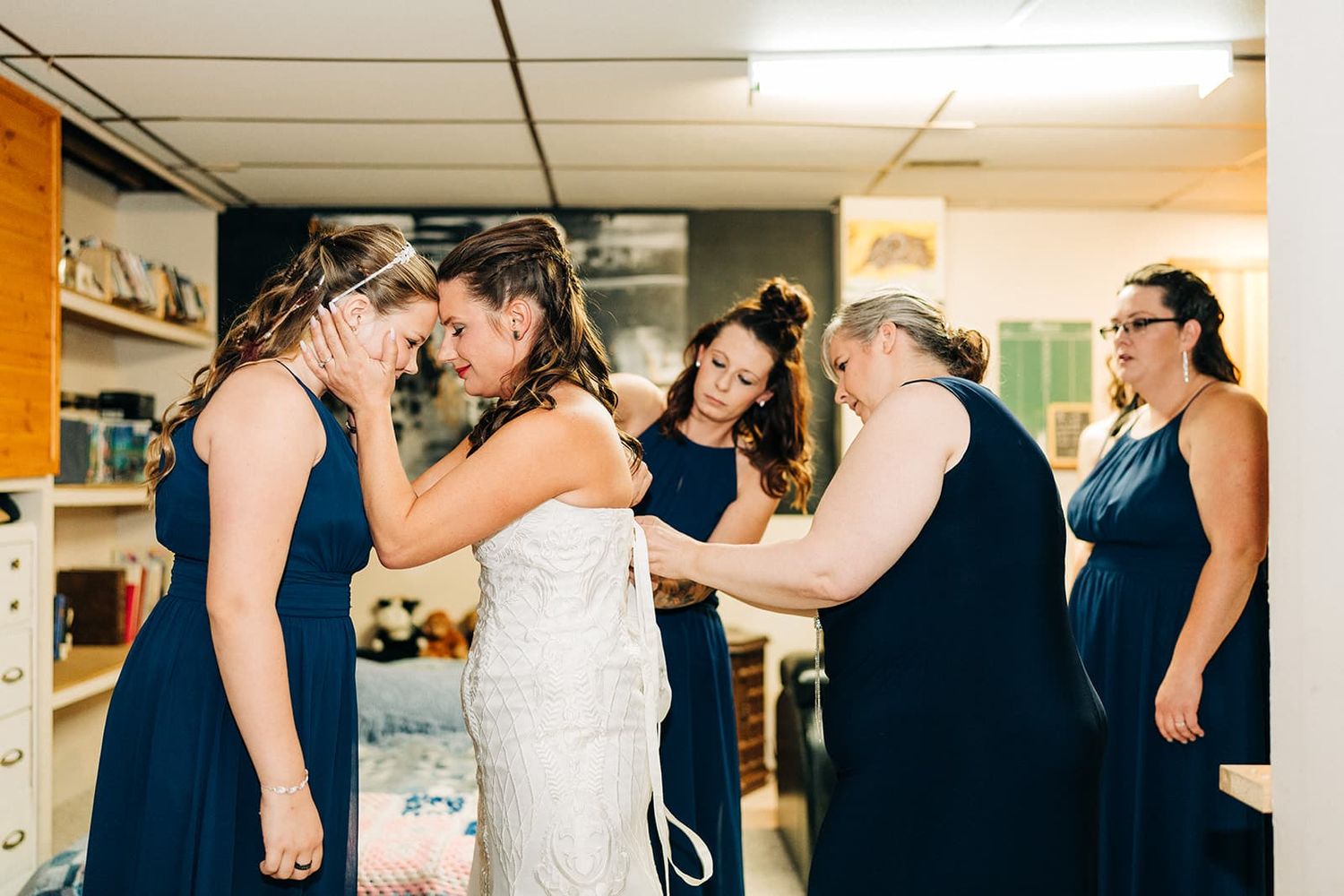
You will not remember every centerpiece angle or perfectly arranged place setting. You will remember your partner squeezing your hand before the ceremony, your parents trying not to cry, your friends losing themselves on the dance floor, and the quiet exhale when it finally feels real. That is where a documentary wedding photography guide begins - not with poses, but with truth.
For couples who want their wedding images to feel lived-in rather than performed, documentary coverage offers something different. It is less about directing every frame and more about preserving the emotional rhythm of the day as it unfolds. The result is a gallery that feels like memory with texture, movement, and heart.
What documentary wedding photography really means
Documentary wedding photography is built around observation. Instead of constantly interrupting moments to restage them, the photographer watches, anticipates, and responds. The goal is to capture real interactions as they happen - the in-between glances, the nervous laughter, the layered energy in a room before the ceremony begins.
That does not mean there is no artistry involved. In fact, great documentary work takes a trained eye, fast instincts, and deep emotional awareness. A photographer has to recognize when a moment is building, understand how light and composition shape feeling, and move through the day without becoming the center of it.
It also does not mean your wedding will have zero direction. Most couples still want some family portraits and a few intentional images together. Documentary coverage simply shifts the priority. Instead of turning the day into a long photo production, it protects space for you to actually live your wedding.
Why couples are choosing a documentary wedding photography guide
A lot of modern couples do not want to spend their entire wedding being managed. They want room to breathe, to be present, and to experience the day with the people they love. That is a big reason documentary coverage resonates so deeply.
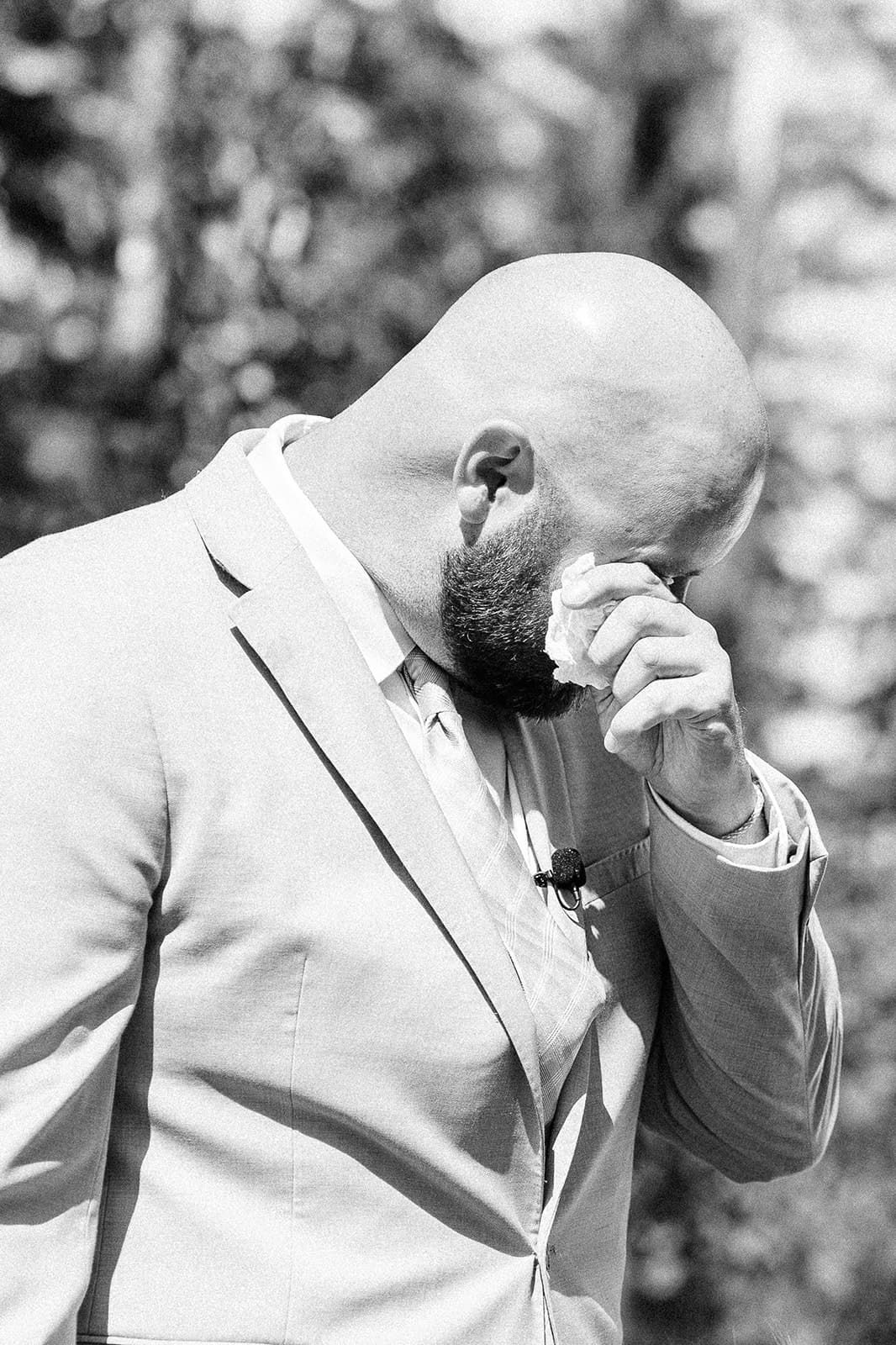
There is also an emotional difference in the final images. Posed photos can be beautiful, but candid photographs often carry more weight over time. They show how the day felt, not just how it looked. Years later, that distinction matters. You are not only seeing your wedding style or venue design. You are seeing your grandmother's expression during the vows, your best friend's tears during a toast, and the way your partner looked at you when no one else noticed.
For celebrations in places like Calgary, Canmore, or Banff, this approach can feel especially powerful. The landscape is extraordinary, but the setting should never overshadow the people in it. Documentary imagery lets the environment support the story rather than take it over.
What documentary coverage looks like on an actual wedding day
It usually starts quietly. During getting ready, the photographer is not manufacturing emotion. They are noticing it. The steamed-up mirror, the half-finished vows on a bedside table, the way someone adjusts your veil with careful hands - these details become part of the story because they already matter.
During the ceremony, documentary coverage is about sensitivity and timing. A skilled photographer reads the emotional beats without disrupting them. They know when to stay wide and let the scene breathe, and when to move closer for a fleeting expression.
At the reception, this style becomes even more alive. Documentary photographers are drawn to movement, spontaneity, and atmosphere. They are watching not only for the obvious highlights, but for side conversations, bursts of laughter, tired kids curled up in chairs, and all the little human moments that make a wedding feel like your wedding.
That said, every photographer interprets documentary differently. Some lean fully photojournalistic and offer almost no direction. Others blend candid storytelling with a gentle editorial touch during portraits. Neither approach is wrong. It depends on how hands-off or guided you want the experience to feel.
How to know if documentary wedding photography fits you
If the idea of constant posing makes you tense, this style may be a natural fit. If you care more about emotional honesty than perfection, that is another strong sign. Documentary coverage tends to serve couples who value connection, atmosphere, and memory over control.
It is also ideal if you want to be with your guests instead of disappearing for long photo sessions. Many couples worry that choosing candid coverage means giving up beautiful portraits, but that is rarely the case. You can still create intentional time for portraits without letting them dominate the day.
The trade-off is worth naming clearly. If you want a gallery filled with highly orchestrated, magazine-style images from start to finish, documentary photography may feel too loose. Real moments are powerful, but they are not always polished. Sometimes hair shifts, dresses wrinkle, and light changes fast. That imperfection is often exactly what makes the images feel alive.
A documentary wedding photography guide to planning well
The best documentary galleries do not happen by accident. They are supported by a timeline and environment that allow real moments to breathe.
Start with margin. If every part of the day is packed too tightly, everyone feels rushed, and candid moments become harder to capture. Build in extra time while getting ready, leave room between key events, and avoid squeezing portraits into impossible windows. A calm timeline creates space for emotion.
Light matters too, even in a documentary approach. Natural light during prep, ceremony, and portraits can dramatically shape the mood of your images. If you are planning an indoor space, think about windows, room size, and how the environment feels at different times of day.
Communication is another big part of it. Tell your photographer what matters most to you. Maybe it is your relationship with your siblings, the energy of your friend group, or the quiet moments more than the big spectacle. A documentary photographer is there to observe, but knowing your emotional priorities helps them recognize the moments you will care about most.
It also helps to let your people know what kind of experience you want. If family members expect a long list of formal photos or think every moment should be paused for the camera, that can change the flow of the day. Setting expectations early protects the atmosphere you are trying to create.
How to choose the right photographer for this style
Look beyond the highlight reel. A few candid images on a homepage do not tell you how someone covers an entire wedding day. Ask to see full galleries. You want to know whether the storytelling feels consistent from beginning to end.
Pay attention to emotion, not just aesthetics. Are the images technically beautiful but emotionally distant, or do they pull you into the scene? Great documentary photography makes you feel something. It has sensitivity, pacing, and a sense of presence.
Personality fit matters just as much. Your photographer will be near you during some of the most intimate parts of the day. You should feel safe with them, not managed by them. The best documentary teams know how to blend in when needed and step forward gently when guidance would help. That balance is where trust grows.
If photo and video are both important to you, it is worth considering a team that approaches them with the same storytelling philosophy. When both mediums are aligned, the final experience feels more cohesive. At Conquer Your Journey, that harmony is part of what makes the story feel whole.
The moments you cannot plan for
Some of the most meaningful images from a wedding are the ones nobody could have put on a shot list. Your flower girl deciding the dance floor is hers. Your dad rehearsing his speech under his breath. Your partner laughing during the vows because they are trying not to cry.
This is the quiet strength of documentary photography. It honors the unscripted. It trusts that the day already contains enough beauty, tension, tenderness, and joy without forcing it into a performance.
And when that trust is met with experience, the photographs become more than proof that the day happened. They become evidence of how deeply it was felt.
If you are drawn to images that feel honest, cinematic, and full of human detail, let that guide your choice. The best wedding photographs are not always the most perfect ones. They are the ones that bring you back to yourself, to each other, and to the life that was beginning right there in front of the camera.