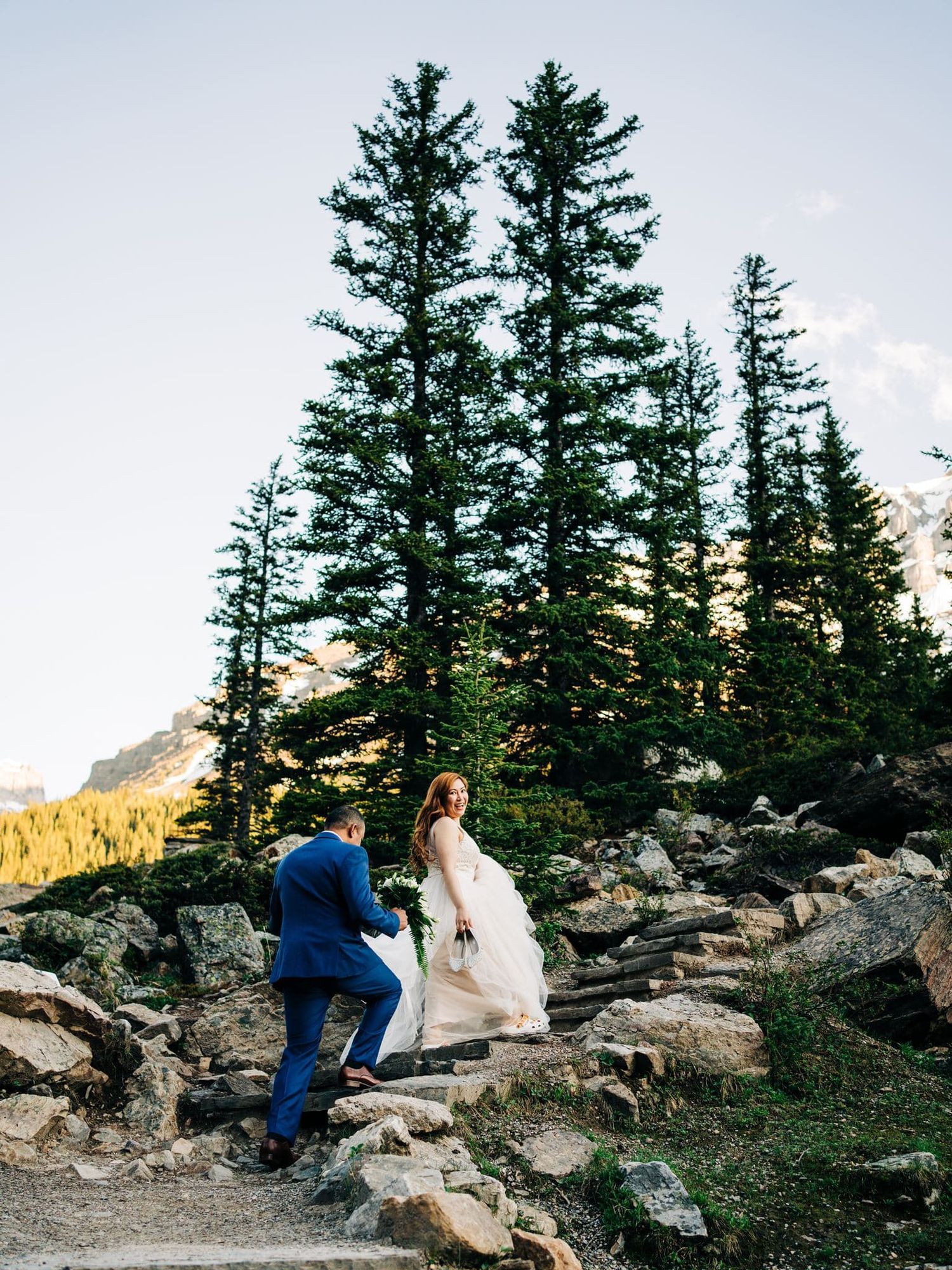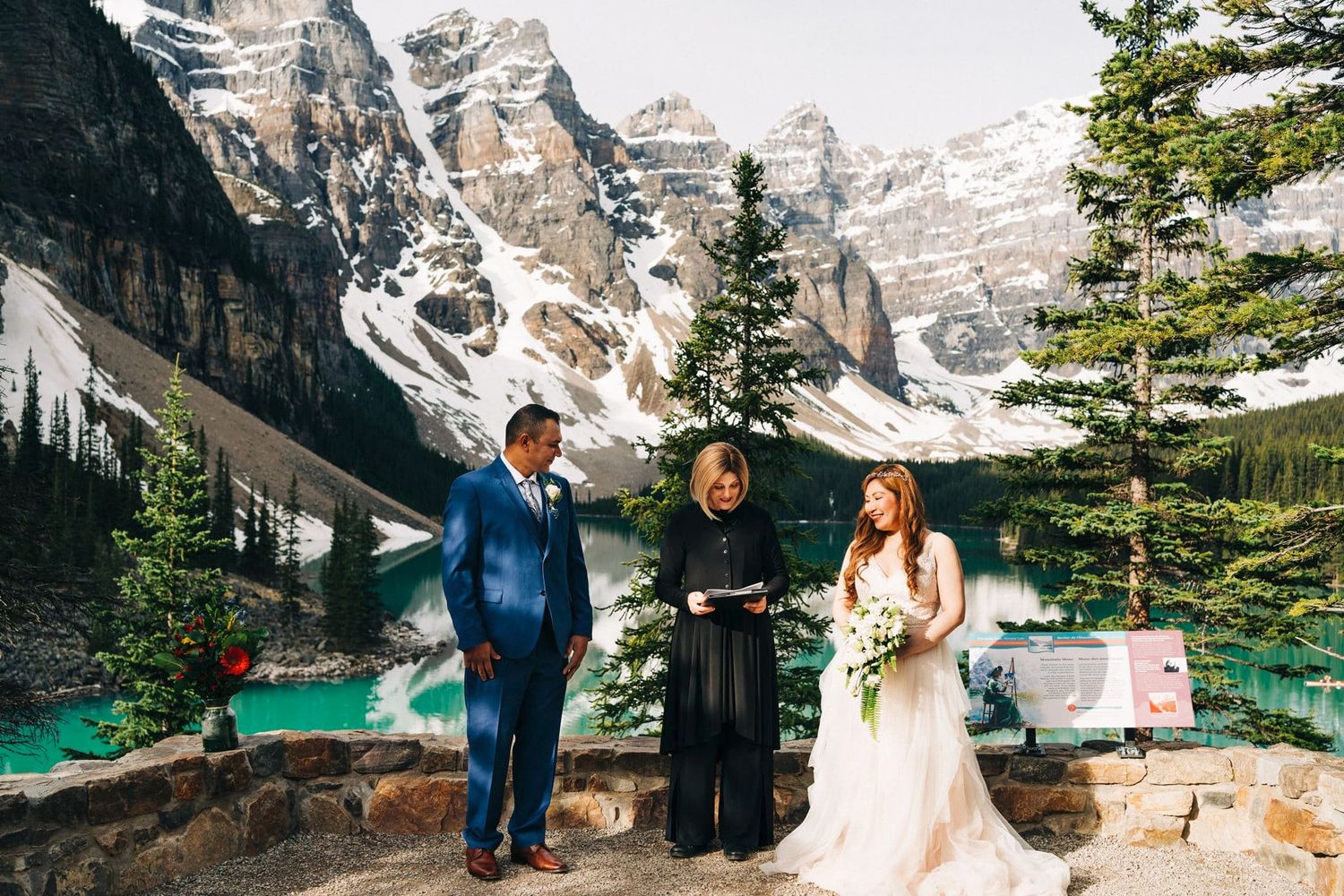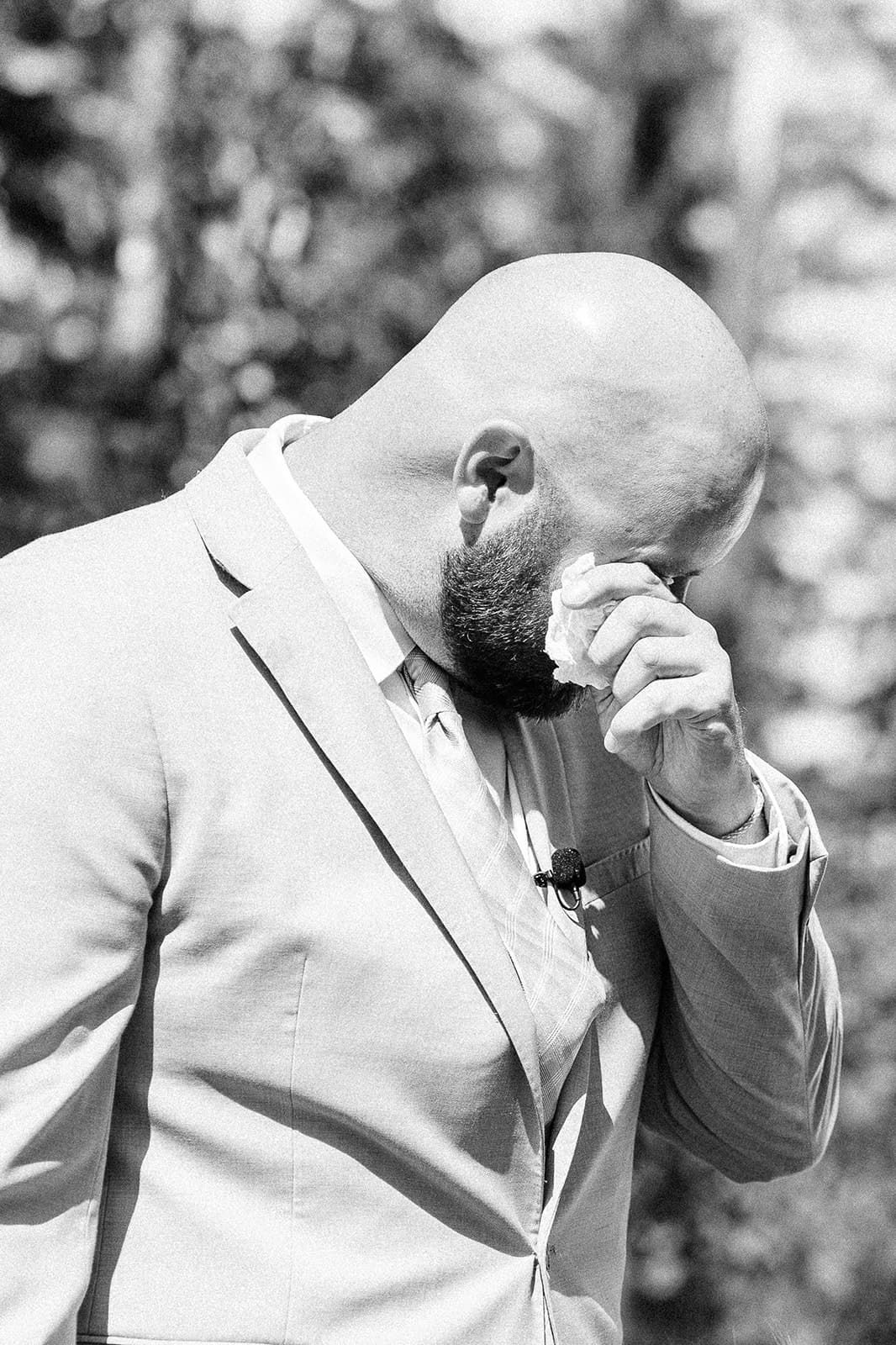
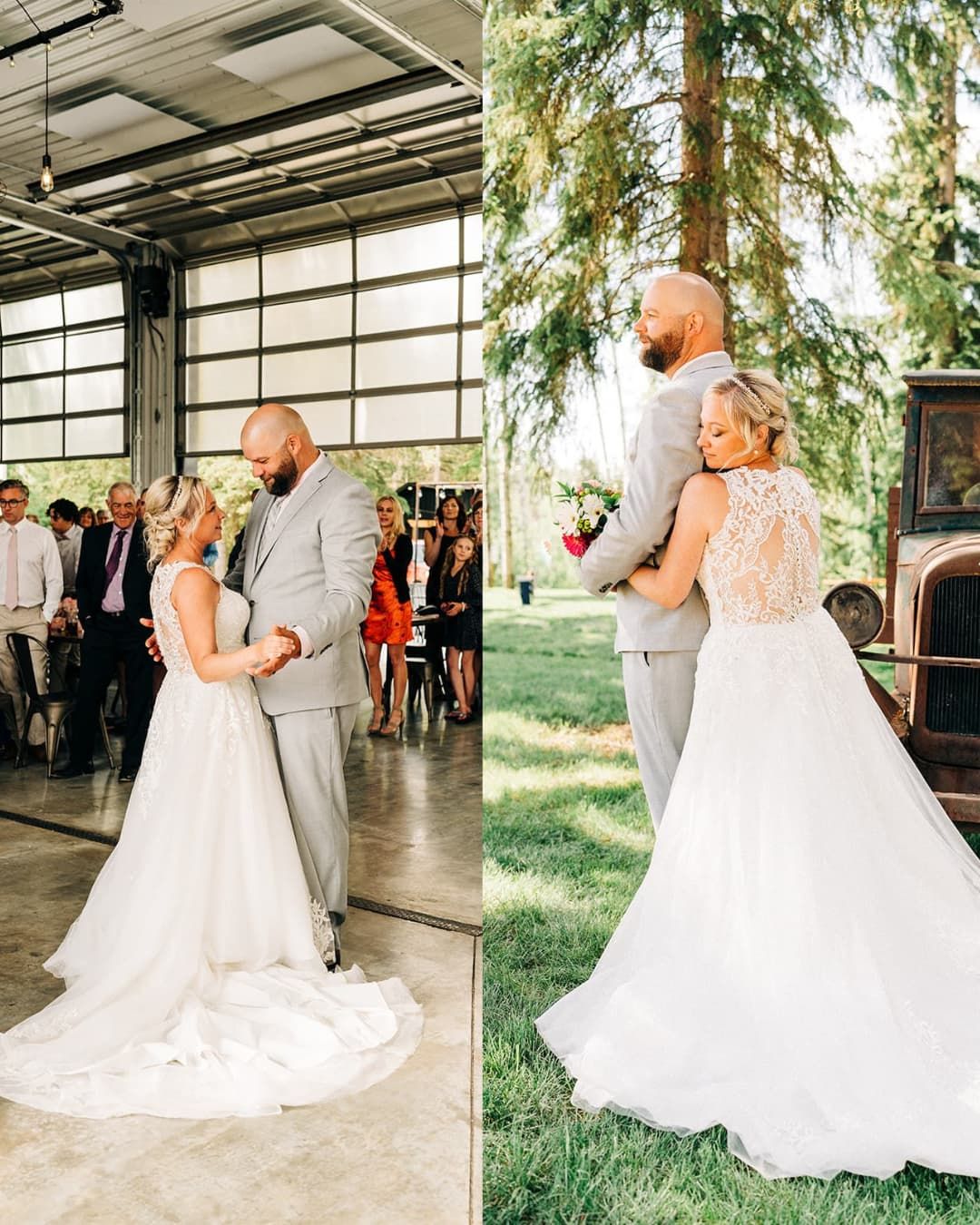
You can feel the difference almost instantly. One wedding photo shows a couple laughing because someone just whispered something ridiculous during the vows. Another shows the same couple standing perfectly still, shoulders angled, hands placed just right, smiling at the camera. Both can be beautiful. But when couples start comparing documentary wedding photos vs posed, what they are really asking is this: how do we want our wedding day to be remembered?
That question matters more than any trend.
Some images are made to look polished. Others are made to feel alive. The right choice is not about which style is better in a universal sense. It is about which one feels most honest to you, your relationship, and the kind of memories you want to hold onto years from now.
Documentary wedding photos vs posed: what is the real difference?
Documentary wedding photography is built around observation. Instead of directing every movement, the photographer pays close attention to what is already unfolding - the shaky breath before the first look, your dad trying not to cry, your friends collapsing into laughter during speeches, the way your partner reaches for your hand without thinking. These images are less about controlling the scene and more about preserving its truth.
Posed photography, on the other hand, is intentionally guided. The photographer tells you where to stand, where to look, how to hold each other, and sometimes even when to smile. That structure can create clean, elegant, frame-worthy portraits. It can also bring a sense of calm when the day feels fast and emotional, because for a few moments, someone is clearly leading.
The biggest difference is not candid versus formal. It is emotional texture. Documentary coverage tends to preserve the atmosphere of a moment. Posed coverage tends to refine it.
Neither approach is wrong. They simply answer different needs.
What documentary photos give you that posed photos often do not
Documentary imagery has a way of bringing you back into the body of the day. You do not just see what happened. You feel the pace of it, the nerves, the warmth, the noise, the tenderness. A real laugh looks different than a requested one. A tear that arrives on its own carries more weight than an expression recreated for the camera.
This style is especially meaningful for couples who care more about experience than performance. If the idea of being watched all day makes you tense, documentary coverage can feel like permission to be present instead of polished. You are not asked to become a version of yourselves that photographs well. You are photographed as you are, while living one of the most meaningful days of your life.
That honesty becomes more valuable over time. Years later, the photos that often hit hardest are not always the most perfect ones. They are the ones that show your people exactly as they were. Your grandmother fixing your sleeve. Your best friend losing it during the ceremony. The messy, radiant joy after the first kiss.
For many couples, that is the difference between a gallery that looks beautiful and one that feels like home.
Where posed photography still matters
There is a reason posed wedding portraits have stayed part of wedding photography for so long. They serve a real purpose.
Family formals, for one, usually need direction. When multiple generations are gathered in one place, a little structure helps everyone look their best and keeps the process efficient. The same goes for couple portraits when you want a few timeless images where the composition is intentional and the setting is fully considered.
Posed does not always mean stiff. That is an important distinction. A skilled photographer can guide you gently while still making space for connection. The best posed portraits do not feel like a school picture. They feel like an artful version of you, with just enough direction to flatter without erasing personality.
This matters for couples who want a balanced gallery. Maybe you love candid moments but also want one stunning portrait to frame in your home. Maybe your parents expect traditional family photos. Maybe you know that once the adrenaline hits, you will appreciate a photographer who can step in and create calm, clear direction for a few key moments.
That is not a compromise. That is simply being thoughtful about what different images are for.
Documentary wedding photos vs posed for real wedding moments
Some parts of a wedding day naturally lean documentary. Others benefit from guidance.
Getting ready tends to be richest when it unfolds naturally. The little interactions, the anticipation, the movement in the room - these are difficult to fake and powerful when captured honestly. Ceremonies also carry more emotional weight when photographed with restraint. No one wants the most intimate moments interrupted so they can be repeated more attractively.
Family portraits usually need posing because efficiency matters and people want to know where to stand. Couple portraits can go either way. If you want editorial elegance, more direction may help. If you want something softer and more true-to-life, a documentary-minded approach with light prompts often creates the most emotionally resonant images.
Receptions are where documentary coverage tends to shine. The energy changes constantly. Hugs, tears, wild dance floor moments, quiet glances across the room - all of it happens fast, and real coverage preserves that rhythm better than heavy staging ever could.
So if you are weighing documentary wedding photos vs posed, it may help to stop thinking in all-or-nothing terms. Most strong wedding galleries include both. The real question is which style should lead.
How to choose the style that fits you
Start by ignoring what looks good on social media for a moment and ask what feels true in real life. Are you the kind of couple who loves being the center of attention, or do you come alive when you forget the camera is there? Do you imagine your wedding as a beautifully directed event, or as a day you want to move through freely, with room for emotion to happen without interruption?
If being heavily posed sounds exhausting, pay attention to that. If you are worried you will not know what to do with your hands, pay attention to that too. Both reactions are useful.
Look at full galleries, not just highlight reels. A few dramatic portraits can be impressive, but a full wedding story reveals how a photographer handles the in-between moments. Can they capture emotion without manufacturing it? Can they guide portraits without making people look rigid? Can they move from documentary observation to intentional direction in a way that still feels cohesive?
This is also where chemistry matters. Your photographer is not just creating images. They are shaping how your day feels. If their presence makes you relax, that will show up in the work. If their process makes you self-conscious, that will show up too.
For many couples in places like Calgary, Canmore, and Banff, where the setting is naturally cinematic, there can be a temptation to prioritize dramatic portraits above everything else. Beautiful landscapes absolutely matter. But even in the most breathtaking location, the strongest images are still the ones with emotional truth at the center.
The best wedding galleries usually are not purely one or the other
A thoughtful wedding photographer knows when to disappear and when to step in.
That balance is often what creates a gallery with both soul and structure. You want the real tears, the unplanned laughter, the movement of the day as it actually happened. You also want a few images where everyone is together, looking up, and where the two of you are given space to breathe, connect, and be beautifully photographed with intention.
At Conquer Your Journey, that balance is part of what makes story-driven coverage feel so lasting. The goal is not to force a wedding into a formula. It is to preserve the emotional truth of the day while still creating space for imagery that feels artful, timeless, and deeply personal.
If you are trying to choose between documentary and posed, give yourself permission to choose the memory before the aesthetic. Ask which images will still mean something when the flowers are gone, the timeline is forgotten, and the day has become part of your family story.
Because the photographs that last are rarely the ones where everything was perfect. They are the ones where you can still feel your life beginning.