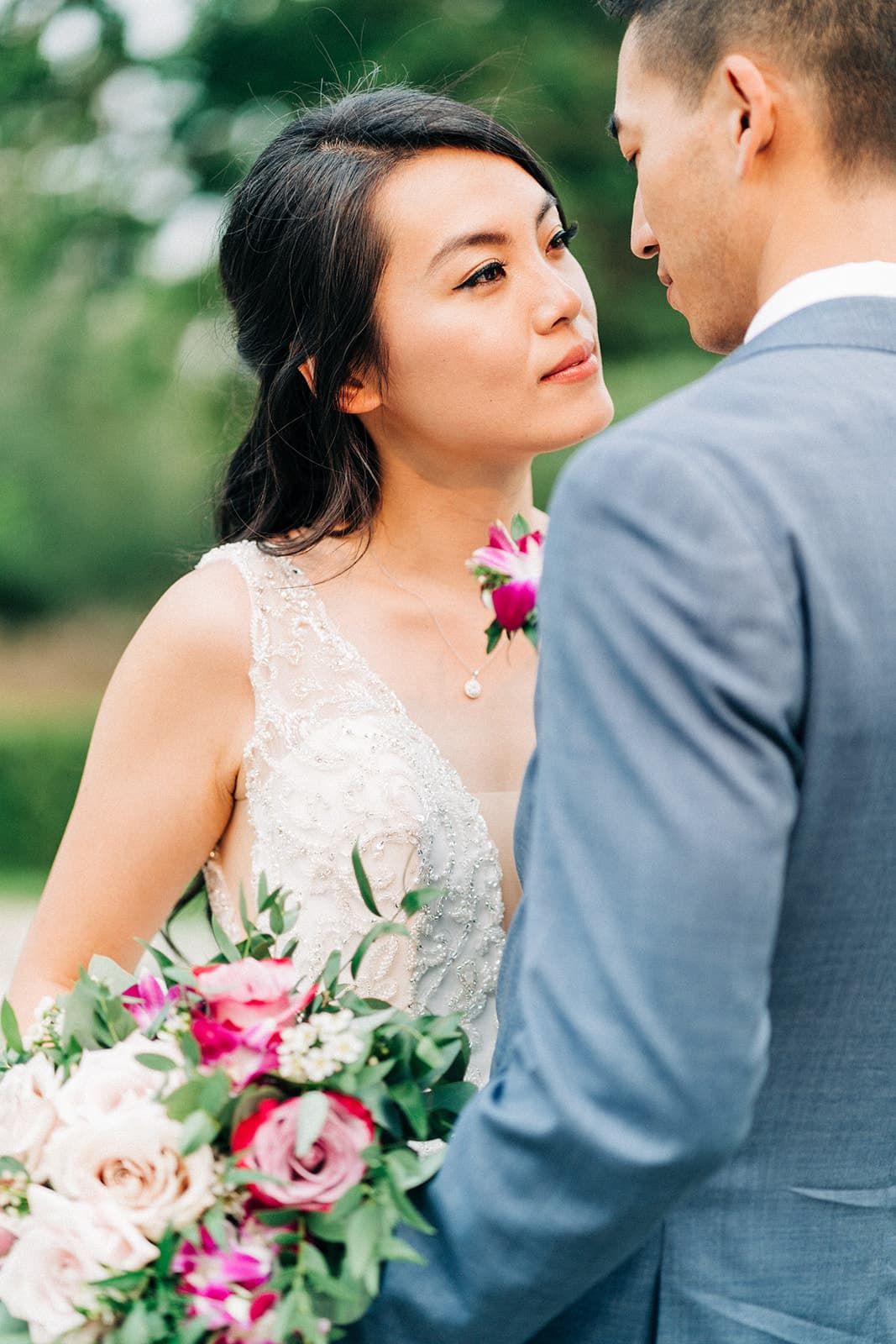
A sunrise vow exchange on a quiet mountain ridge does not ask to be filmed the same way as a reception full of champagne toasts, a packed dance floor, and three generations crying through speeches. When couples ask about an elopement film vs wedding film, they are rarely choosing between one being more meaningful than the other. They are choosing the shape of the story they want to remember.
Both deserve honesty, artistry, and room for real emotion. The difference is not simply guest count or hours of coverage. It is the rhythm of the day, the relationships surrounding you, and the moments that will carry the most weight when you press play years from now.
Elopement Film vs Wedding Film: The Core Difference
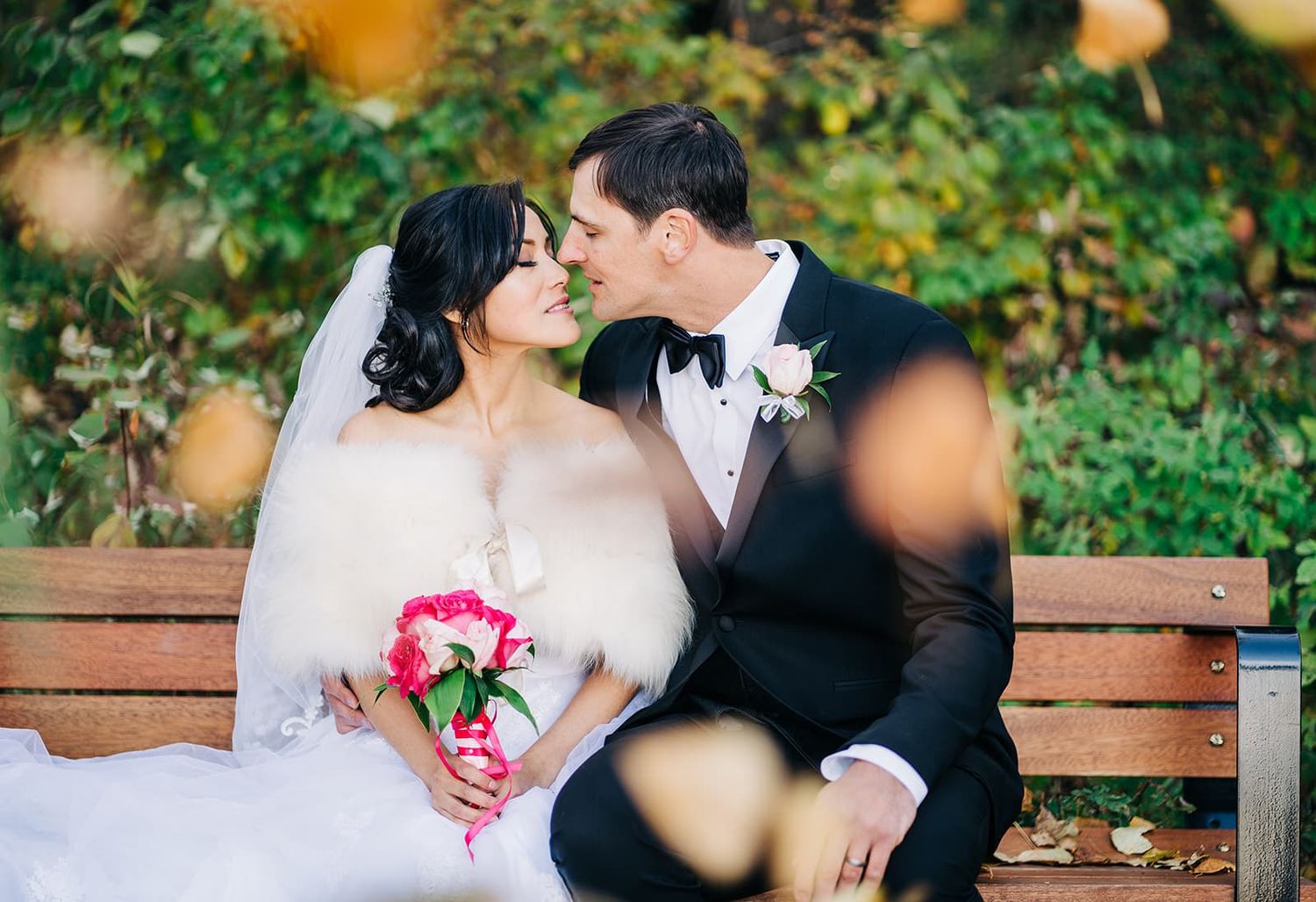
An elopement film is often built around intimacy, landscape, and the two of you moving through a day with very little interruption. There may be no bridal party, no formal reception timeline, and no pressure to make space for a hundred people. The film can linger on the wind in your veil, the nervous breath before you read your vows, the quiet way you reach for each other after the ceremony.
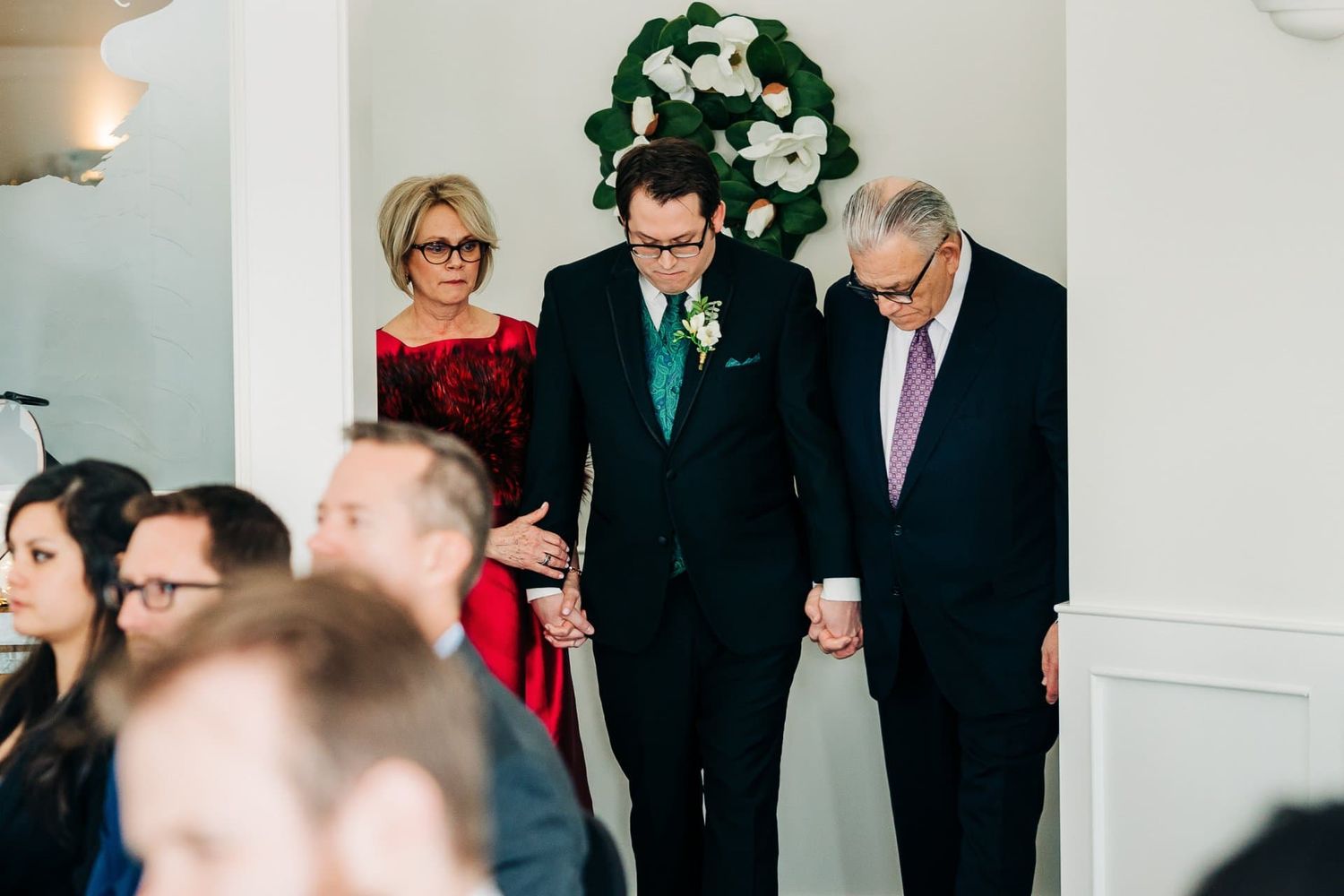
A wedding film has a wider emotional frame. It still centers on your relationship, but it also holds the people who helped shape it. Your mom fastening a button. Your best friend practicing a toast in the corner. Grandparents watching your first dance. The laughter that breaks out when a speech takes an unexpected turn. A full wedding day creates a larger web of memory, and the film has room to honor that web.
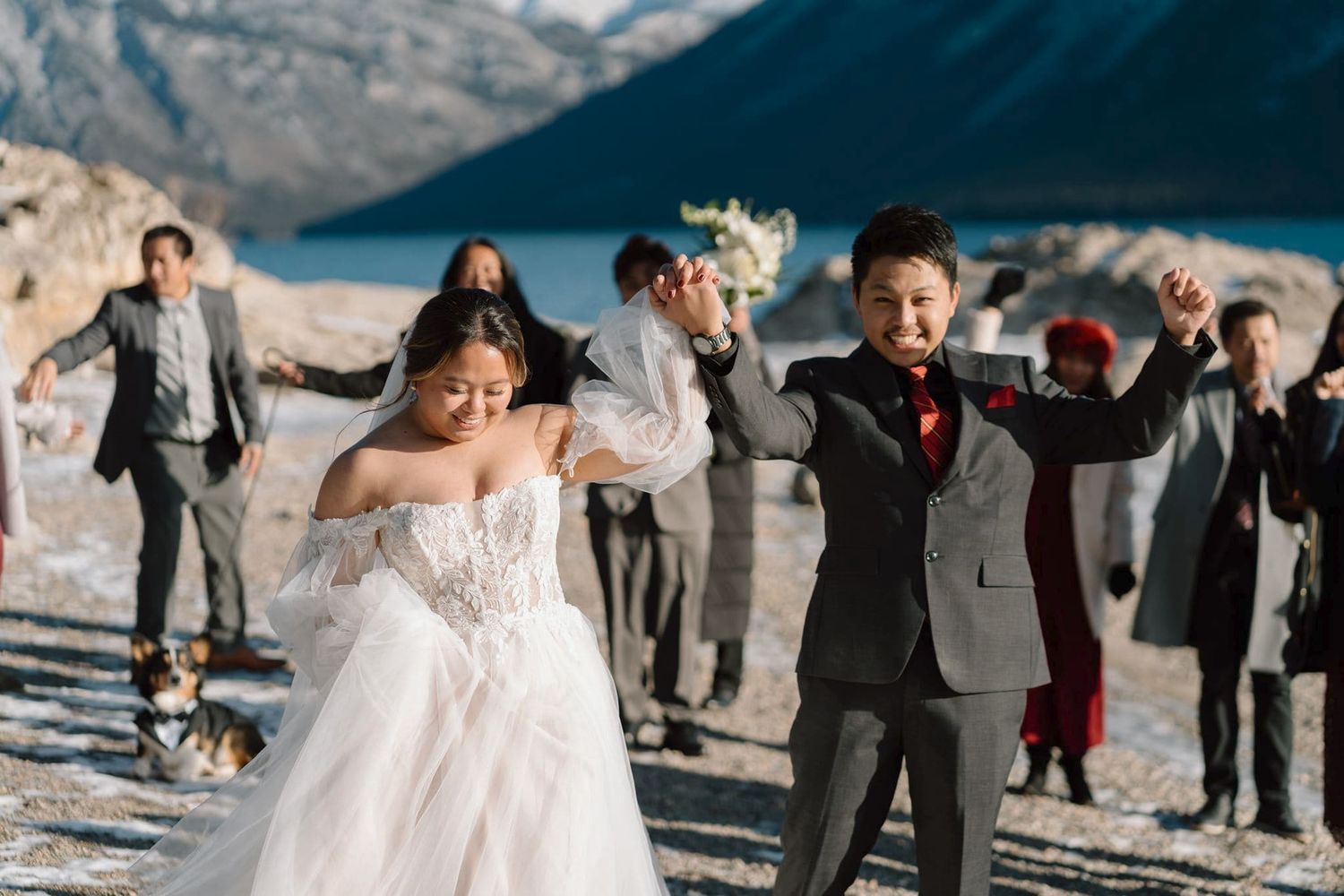
Neither format is automatically more cinematic. A private Banff elopement can feel expansive and breathtaking. A celebration in Calgary with 150 guests can feel deeply personal and quiet in all the right places. What changes is where the emotional energy lives.
The Pace of an Elopement Film
Elopements usually give a story more breathing room. Without a tightly packed schedule of family photos, cocktail hour, entrances, speeches, and formal dances, the day can unfold at a more natural pace. That freedom allows a film to feel observational rather than event-driven.
There may be time for a slow morning getting ready together, a long drive through the mountains, or a private letter reading before your ceremony. Instead of moving from one scheduled moment to the next, you can follow the feeling of the day. If you want to stop beside a lake, take in the view, laugh because the weather changed, or hold each other in silence after the vows, there is space to do that.
That does not mean elopements are effortless. Adventure locations can require thoughtful planning, flexible timing, weather readiness, permits, and realistic expectations around hiking or travel. The smaller scale also means every detail becomes more visible. If your vows are the heart of the day, they will likely carry much of the film's emotional narrative, so it is worth giving yourselves time and privacy to speak them fully.
An elopement film often feels like a portrait of a shared experience. It can be quiet, textural, and rooted in the two of you choosing each other without distraction.
When a Smaller Guest List Still Needs a Wedding Film Approach
Not every intimate celebration should be treated like an elopement. If you are hosting 20 or 30 of your closest people for dinner, meaningful toasts, and an intentional evening together, your film may benefit from the broader storytelling approach of a wedding film.
Guest count is a helpful starting point, not a rule. Ask yourself whether the day is primarily about private adventure or about gathering your community. If your dad's speech, your siblings' reactions, and the energy of a shared meal matter as much as the ceremony itself, those relationships deserve a place in the edit.
What a Wedding Film Holds Beyond the Ceremony
A wedding film preserves a fuller arc. It can begin with anticipation in the morning and move through the ceremony, celebration, speeches, first dance, and the joyful unraveling of the night. The best films do not simply document each item on a timeline. They connect the moments so you can feel the day again.
That connection often comes through sound. A voice shaking during a vow. The room going quiet for a parent dance. A toast that reveals something about your relationship no one else could have said. Audio gives a wedding film its emotional spine, while the visuals bring back the small details you may have missed because you were busy living them.
A larger wedding also benefits from thoughtful, unobtrusive coverage. You should not have to repeat a hug because the camera missed it or pause your celebration to perform happiness for a lens. The goal is to be present with your people while your filmmaking team quietly anticipates what is about to happen.
For couples who want both photography and film, a coordinated team can make a real difference. When photo and video work in sync, there is less competing direction, fewer interruptions, and a more relaxed experience for everyone in front of the camera. At Conquer Your Journey, that shared awareness is part of how we protect the natural flow of a wedding day.
The Same-Day Edit Belongs to a Different Kind of Energy
One of the clearest practical differences in the elopement film vs wedding film conversation is the possibility of a Same-Day Edit. This is usually designed for a wedding with a reception audience ready to experience the story alongside you.
Imagine sitting down with your guests later that evening and watching the first chapter of the day unfold: the anticipation, the ceremony, the private glances, and the happiness that has been building since morning. The room reacts in real time. Parents cry again. Friends cheer. The film becomes part of the celebration rather than something you wait months to share.
For a larger wedding, that collective experience can be electric. It gives guests a window into moments they did not witness and turns the reception into another memory you share together. It also requires careful planning, a reliable production workflow, and a timeline that leaves the team enough space to create without pulling you away from your guests.
An elopement may not need that immediate reveal. Its magic is often in protecting a more private experience and sharing the finished film later, on your own terms. But if you are planning an intimate dinner after your ceremony and love the idea of surprising the people closest to you, it can still be worth discussing.
How to Choose the Film That Feels Like You
Start with the memory you want to return to. If you picture yourselves standing alone in a landscape that feels bigger than words, hearing your vows and reliving the stillness around them, an elopement-focused film may be the right fit. It will make room for your connection and the atmosphere of the place you chose.
If you picture your people around you - the hands that helped you get ready, the laughter during dinner, the voices in the speeches, the dance floor that finally pulls you out of your formal clothes - a wedding film may better preserve the whole emotional shape of the day.
There are trade-offs. A smaller day offers flexibility, privacy, and a more concentrated story. A larger wedding gives you a rich tapestry of relationships and once-in-a-lifetime reactions. One is not more authentic than the other. Authenticity comes from building a day that reflects your real priorities rather than a version of a wedding you think you are supposed to have.
It also helps to think beyond the highlight reel. Years from now, what will matter most? For some couples, it is the exact sound of their vows against a mountain backdrop. For others, it is hearing a loved one's voice, seeing grandparents in motion, or watching a room full of people celebrate a marriage they believed in.
Choose the format that lets you stay present instead of performing. Then give your day enough room for the moments you cannot plan: the deep breath, the trembling hand, the sudden laugh, and the look that says everything before either of you speaks.