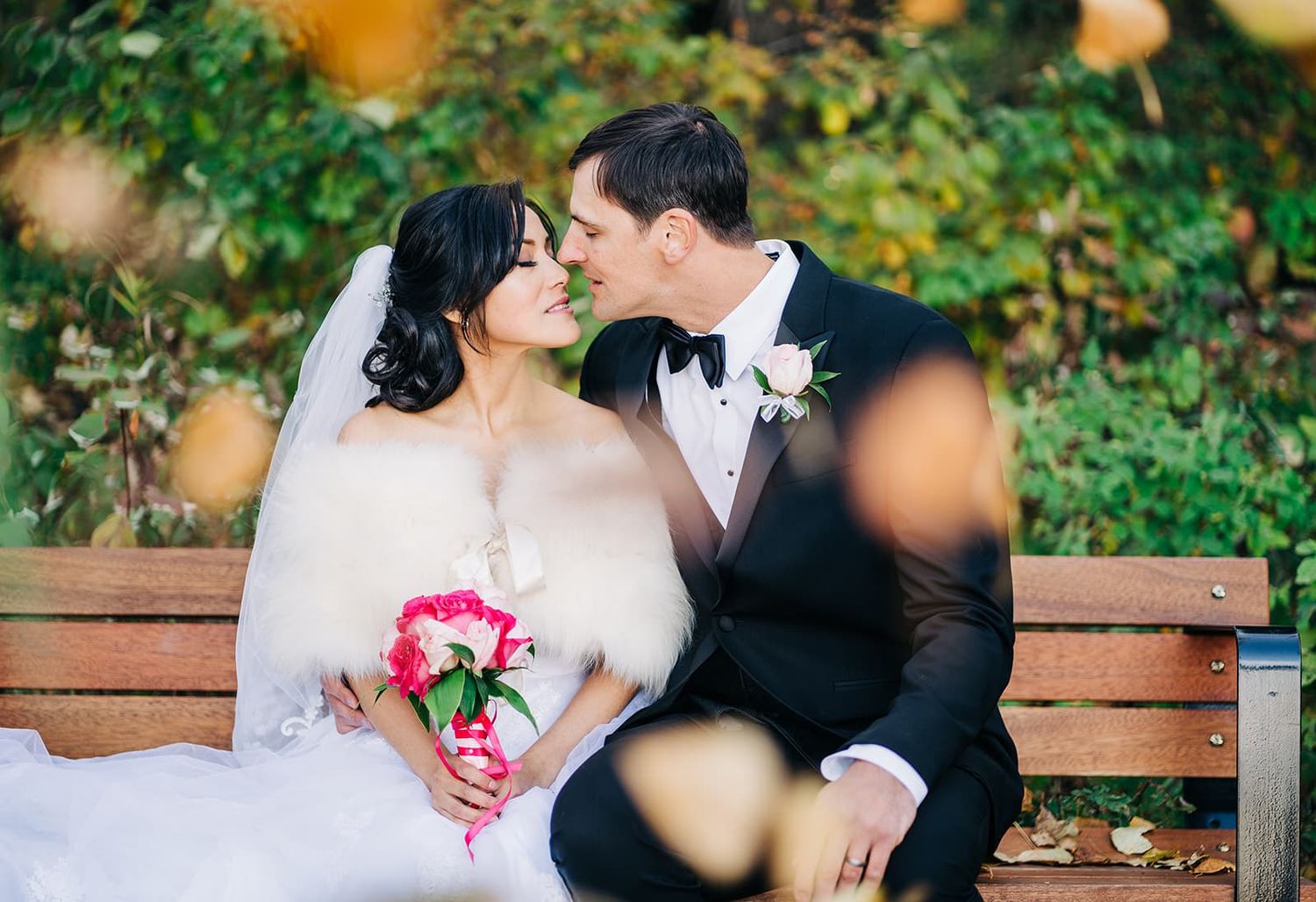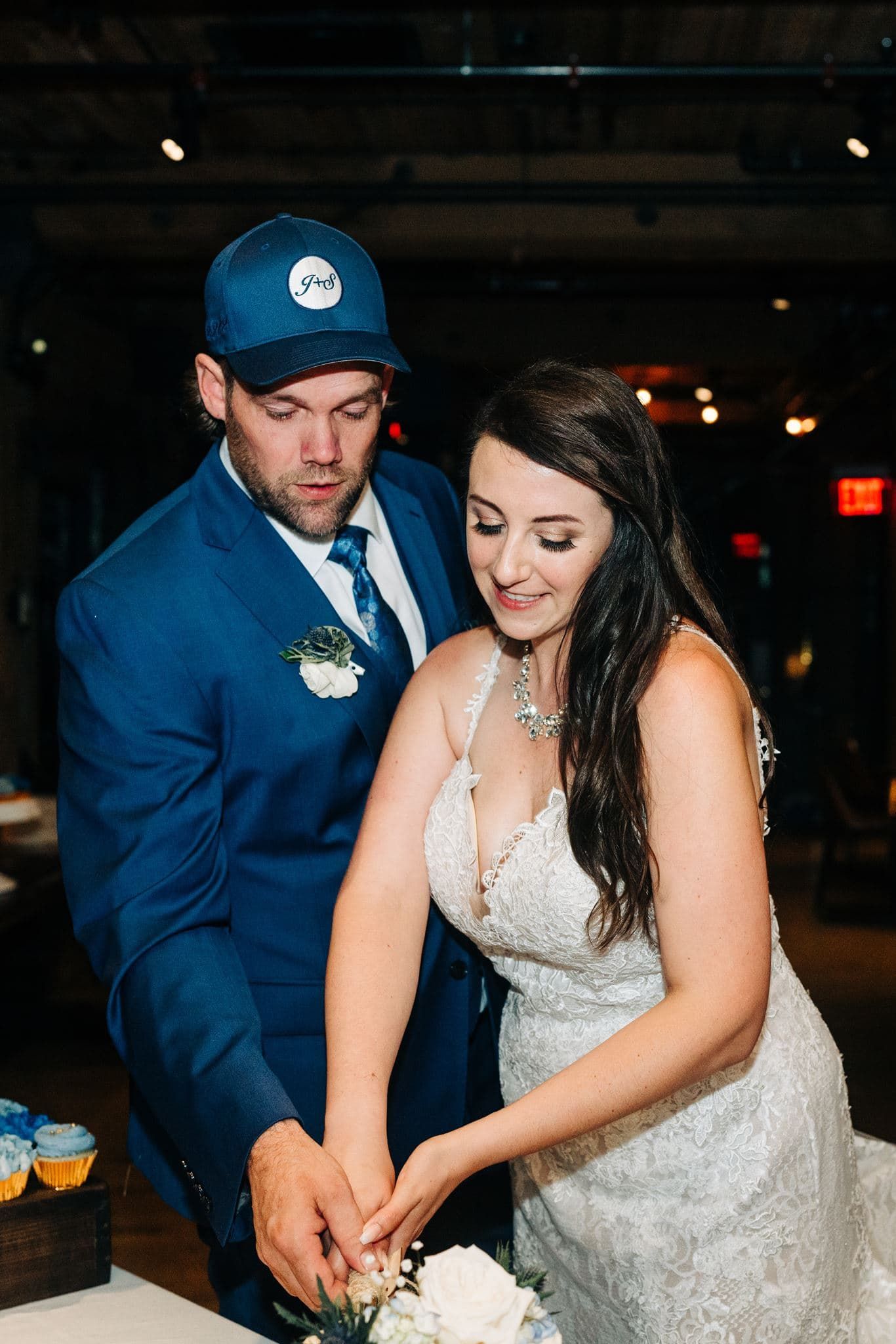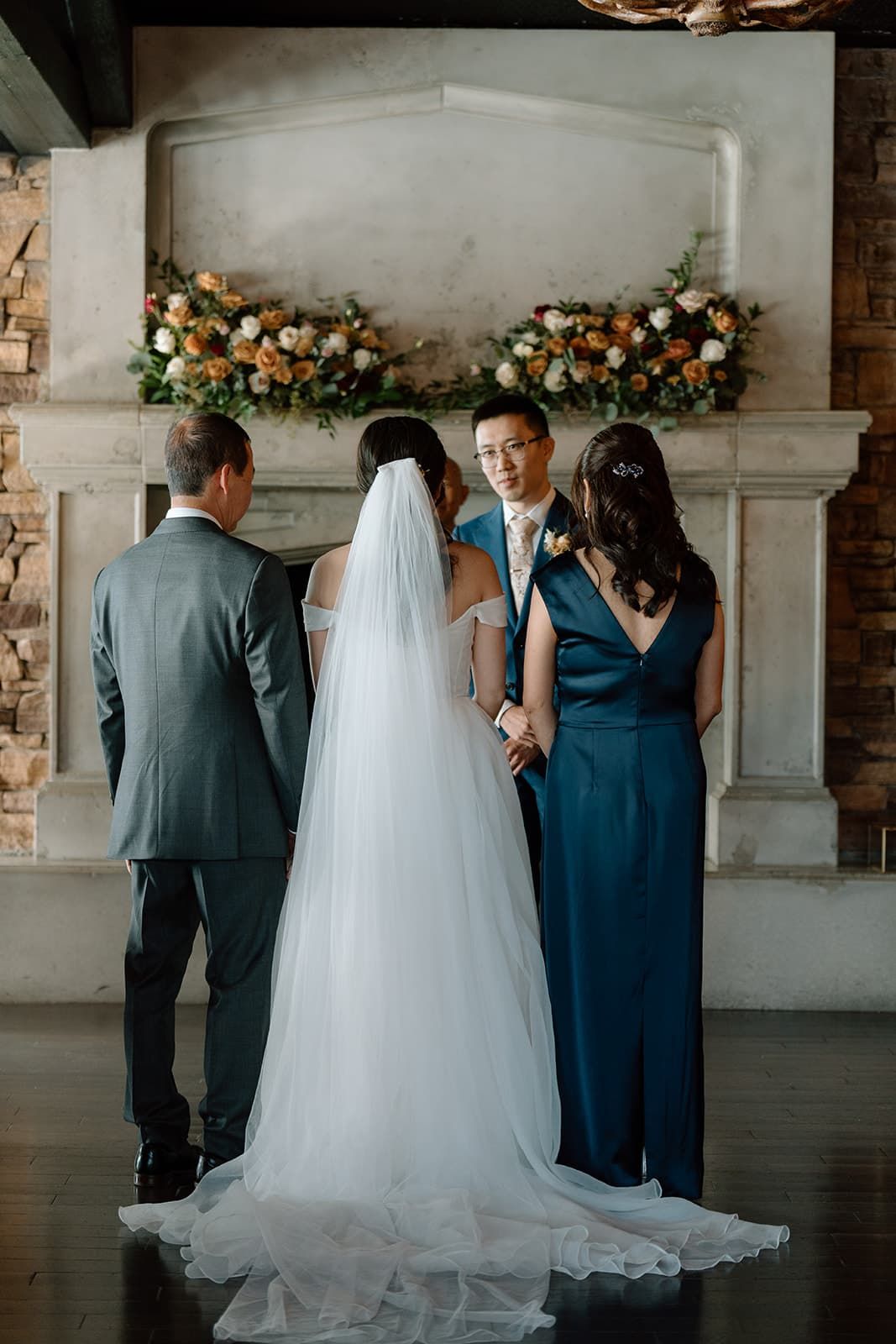
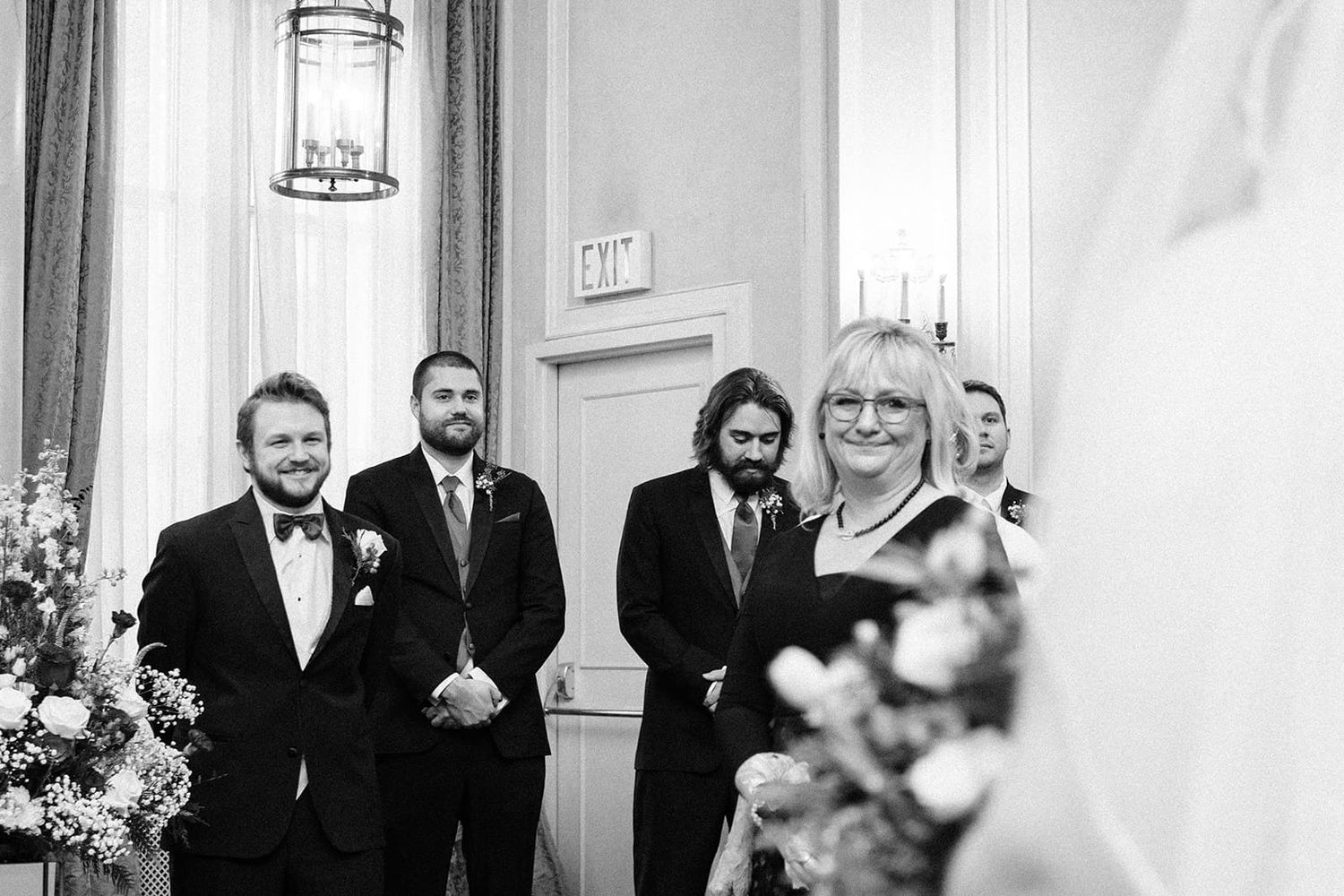
The camera team you choose will be present for the moments no one can repeat: the quiet breath before you walk down the aisle, your parents seeing you ready, the shaky laugh in the middle of your vows, and the way the room changes during your first dance. Knowing how to choose a wedding photo video team is not just about finding beautiful images. It is about choosing the people who will protect the feeling of your day while preserving it.
A wedding moves quickly, especially when you are trying to be fully inside it. The right photographers and filmmakers make space for that. They know when to step in with calm guidance and when to disappear so a real moment can unfold without being interrupted.
Start With the Feeling You Want to Remember
Before comparing packages, ask a more personal question: when you look back 20 years from now, what do you want to feel?
Some couples want editorial portraits with polished direction and a highly styled finish. Others want the day to feel unforced - full of movement, honest reactions, and the small in-between moments that were never on the timeline. Neither approach is wrong, but they create very different experiences.
Look closely at the work you are drawn to. Are the couples mostly looking at the camera, or at each other? Do you see emotion that feels lived-in, or images that feel carefully arranged? In films, notice whether the story is built from real voices, meaningful glances, ambient sound, and the rhythm of the day - or whether it relies mostly on a visual montage.
Beautiful work should still feel like a record of a real wedding, not a version of one created for the camera. If candid, story-driven coverage matters to you, choose a team whose portfolio consistently reflects that value. One emotional image on an Instagram feed is not enough. Look for a body of work that shows quiet presence and honest storytelling in different settings, weather conditions, and wedding timelines.
Choose a Wedding Photo Video Team With One Shared Vision
Photography and videography are often booked separately, but the decision affects more than convenience. Two independent teams can work beautifully together, especially when they have clear communication and mutual respect. Still, they may have different pacing, priorities, and approaches to directing moments.
A coordinated photo and video team begins with a shared visual language. They understand who is taking which angle during the ceremony, how to move around one another during portraits, and when one person should hang back so the other can work freely. That quiet coordination matters most during moments that cannot be recreated: a first look, vows, a parent dance, or a surprise toast.
For couples who want a calmer wedding day, one unified team can also mean fewer emails, fewer introductions, and fewer creative decisions to manage. You are building trust with one group of people rather than hoping separate vendors find their rhythm on the morning of your wedding.
That said, do not choose a combined team simply because it sounds efficient. Choose them because their photo and film work feel connected. The colors, pacing, emotional depth, and approach to people should belong in the same story. Your gallery and wedding film should feel like they remember the same day.
Look Beyond Highlight Reels and Perfect Portraits
A short reel can be powerful, but it only tells you so much. Ask to see complete wedding galleries and longer film examples. This is where you learn whether a team can tell a full story, not just capture a handful of beautiful frames.
A complete gallery reveals how they handle difficult reception lighting, family formals, unpredictable weather, and fast-moving candid moments. It shows whether they photograph the details you spent months choosing while still prioritizing the people who gave those details meaning.
A fuller film sample reveals pacing and restraint. Does the music overpower the day, or do you hear the voices that made it personal? Are the vows and speeches woven into the story with intention? Does the film make room for silence, laughter, and the natural sound of the celebration?
You should also look for consistency. A mountain wedding in Banff may offer dramatic scenery, but beautiful coverage is not only about the view. A skilled team can create meaningful images in a hotel suite, a dimly lit reception, a windy overlook, or a crowded dance floor because they know how to notice human connection wherever it appears.
Pay Attention to How They Make You Feel Before You Book
Your comfort with your photo and video team will show up in your images. If you feel rushed, judged, or constantly corrected, it becomes harder to relax into the day. If you feel seen, safe, and understood, you can stop thinking about the camera and start living the moments in front of it.
During your inquiry or consultation, notice how they listen. Do they ask what matters most to you beyond venue, guest count, and date? Are they curious about your relationship, family dynamics, cultural traditions, or the atmosphere you are trying to create? Do their answers feel thoughtful, clear, and grounded in your priorities?
You do not need to become best friends with your photographers and filmmakers. But you should feel that they respect your boundaries and understand the kind of presence you need. For some couples, that means gentle direction during portraits. For others, it means nearly invisible documentation with only enough guidance to keep the day moving naturally.
A good team will be honest about their process. They can explain how they approach family photos, how much portrait time they recommend, what they do when the weather shifts, and how they work with planners. Clarity is a form of care. It allows you to trust them when the day becomes wonderfully unpredictable.
Ask Questions That Reveal Their Process
The best questions are not only about hours of coverage or the number of delivered photos. Those details matter, but they do not tell you how your wedding will feel with that team in the room.
Ask how they balance candid coverage with portrait guidance. Ask how they coordinate during a ceremony when both photo and video need a clear view. Ask what backup equipment and contingency plans they carry, especially for an outdoor Alberta wedding where the weather can turn quickly. Ask who will actually be present on your wedding day, and whether the people you meet are the people who will document it.
If you are considering a same-day edit film, ask what it requires from the timeline. A cinematic highlight shared during the reception can become one of the most emotional experiences of the night, but it takes preparation, a capable team, and thoughtful coordination with your planner, DJ, and venue. The right team will explain the logistics without making the experience feel complicated.
Also ask about delivery, editing philosophy, and communication after the wedding. Heirloom work is not rushed work. You want to know what the process looks like once the music fades, the flowers are gone, and you are waiting to revisit the day.
Understand What You Are Truly Investing In
Wedding photography and film are often compared by price, hours, and deliverables. Those are useful starting points, but they are not the whole value.
You are investing in preparation before the wedding, steady decision-making during it, and the ability to shape hundreds of fleeting moments into a story that still feels true years later. You are investing in people who can stay calm when the timeline runs late, adjust when light disappears, and recognize that a private hug may matter more than a perfect wide shot.
Higher investment does not automatically guarantee a better fit. But experience, thoughtful editing, reliable systems, and an intentional team dynamic all require time and care. If photo and video are legacy pieces for you, consider whether the work feels like something you will return to through anniversaries, losses, new beginnings, and every chapter that follows.
The right team will never make your wedding feel like a production you have to perform in. They will give you room to hold hands, take in the room, cry without apologizing, and laugh when nothing goes according to plan. Choose the people whose work makes you feel something now - and whose presence makes it easier to be fully present when your day finally arrives.