A lot of couples think they need to pick a wedding videography style by looking at what is prettiest on Instagram. Then they watch their own gallery and realize something felt off. The film was beautiful, but it did not feel like them. If you are wondering how to choose wedding videography style, the real question is not what looks trendy. It is what kind of memory you want to return to for the rest of your life.
Your wedding film is not just a recap of events. It becomes one of the only living records of voices, movement, energy, and emotion from a day that passes quickly. That is why style matters. It shapes not only how your wedding is filmed, but how it will feel years from now when you press play.
How to choose wedding videography style without guessing
The easiest mistake is choosing based on highlight reels alone. Most wedding films are designed to be emotionally compelling, so of course they can all move you. But style lives deeper than a beautiful edit. It shows up in how a videographer directs, what they notice, how much they intervene, how they use sound, and whether the final film feels polished, raw, cinematic, documentary, or somewhere in between.
Start by imagining the experience you want on the wedding day itself. Do you want your videographer to quietly observe and capture moments as they unfold? Do you want more guidance, more posing, and more artful direction? Neither is wrong, but they create very different films because they create very different days.
If you value presence, spontaneity, and real emotion, a documentary-driven style will likely feel right. If you love editorial visuals, controlled compositions, and a more stylized atmosphere, a cinematic or fashion-forward approach may speak to you more. Many couples fall somewhere in the middle, which is often where the most meaningful work happens.
The main wedding videography styles and what they feel like
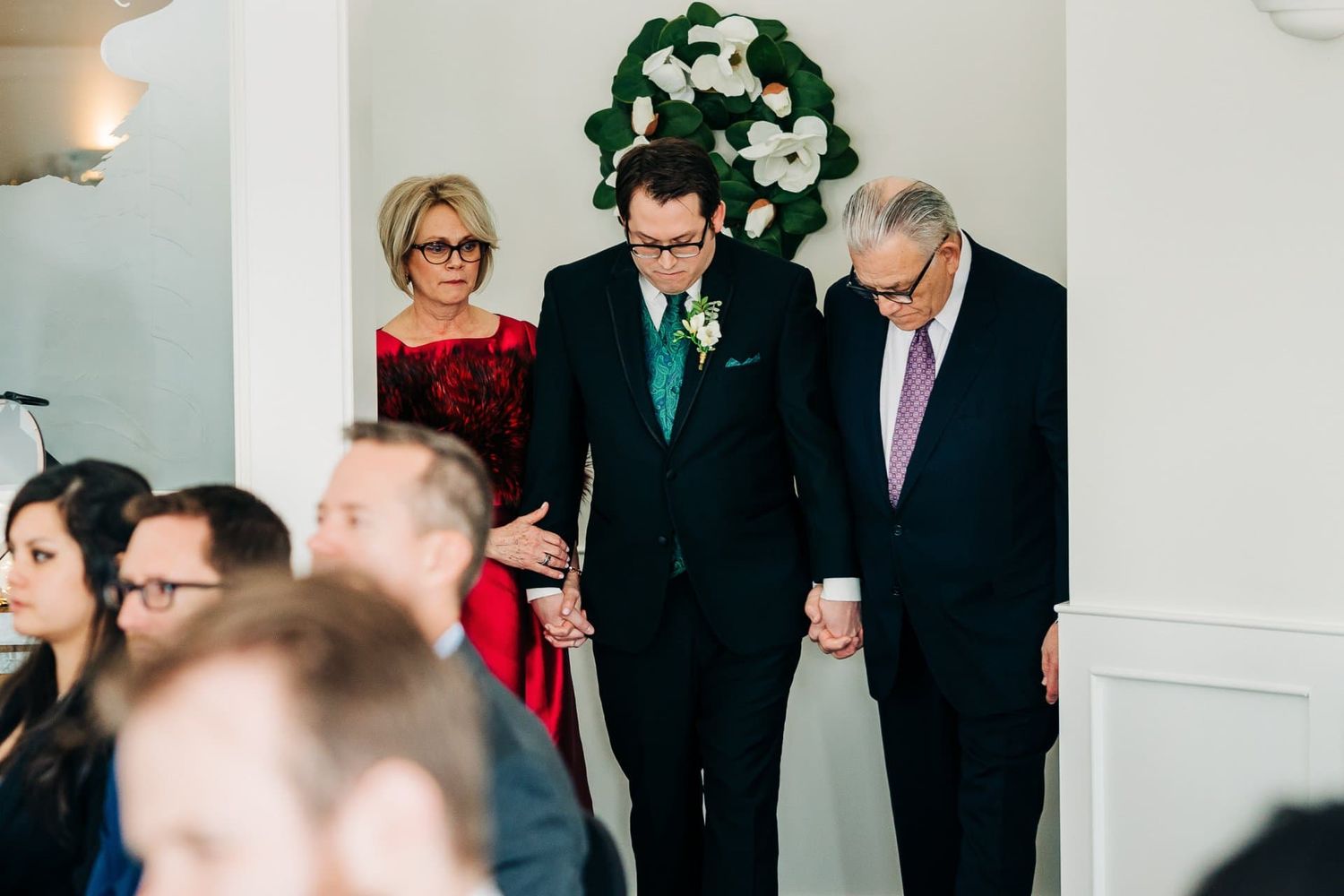
Documentary wedding videography is built around observation. The focus is on real interactions, actual audio, unscripted emotion, and the natural rhythm of the day. The best documentary films do not feel messy or unfinished. They feel honest. You can sense the room, hear the tremble in a voice, and watch moments happen without feeling like they were created for the camera.
Cinematic wedding videography is more curated. It often uses intentional framing, slow motion, music-driven pacing, and emotionally dramatic editing. This style can be incredibly moving, especially when paired with strong storytelling. But cinematic does not always mean heavily staged. Some filmmakers create films that feel cinematic while still preserving real moments.
Editorial or luxury-forward videography leans into aesthetics. It emphasizes design, fashion, details, and polished visuals. If your celebration is highly styled and you care deeply about visual refinement, this can be appealing. The trade-off is that some editorial films can feel more like a brand campaign than a family story if the emotional narrative is not equally strong.
Traditional wedding videography is more straightforward and chronological. It often captures the day more literally, with less stylized editing and more complete coverage of key moments. For couples who want a fuller record and less artistic interpretation, this can be the right fit.
Hybrid styles are increasingly common. A filmmaker may shoot with a documentary heart and a cinematic eye. That blend can be powerful because it protects the emotional truth of the day while still creating something visually rich and immersive.
Choose based on your personalities, not just your mood board
A wedding film should reflect the way your relationship feels. That sounds romantic, but it is also practical. If you and your partner are naturally playful, quiet, sentimental, adventurous, or deeply private, the right videography style should leave room for those traits to exist on screen.
Couples who hate being watched usually do better with a filmmaker who does not over-direct. If being asked to repeat a laugh or recreate a hug would pull you out of the moment, pay attention to that instinct. On the other hand, if you feel most confident with clear guidance, a completely hands-off documentary approach may leave you wondering what to do during portraits or transitional parts of the day.
This is where self-awareness matters more than trend awareness. The best film is not the one that gets the most likes. It is the one that still feels true when the flowers are gone, the dress is packed away, and all you have left are the memories and the way they were preserved.
Watch for how the film handles emotion
If you want to know how to choose wedding videography style in a way that actually serves you, pay attention to emotional texture. When you watch sample films, ask yourself what is creating the feeling. Is it only the music? Or do the vows, glances, speeches, ambient sounds, and small in-between moments carry emotional weight on their own?
A strong wedding film does not rely on dramatic editing to manufacture meaning. It finds meaning that is already there. That might be your dad taking a breath before seeing you. Your partner fidgeting during the ceremony. Your friends screaming on the dance floor. Your grandmother's voice during a toast. Those details are often what matter most later.
This is especially important if authenticity matters to you. A film can be gorgeous and still feel emotionally distant. Beauty alone is not memory. Feeling is memory.
Ask what the filming process will feel like
Style is not only about the final product. It is about the experience of being filmed. Some videographers are very present and directive. Others blend into the background. Some use a lot of equipment, lighting, and setup time. Others work lightly and move with the day.
There are trade-offs here. More direction can create striking visuals and help camera-shy couples relax in structured moments. But too much direction can interrupt the emotional flow of the day. A more observational style preserves spontaneity, though it requires a videographer with excellent instincts because real moments do not wait for perfect conditions.
When you talk to a potential videographer, ask how they handle portraits, prep, the ceremony, family interactions, and the reception. Ask whether they recreate moments if they miss them. Ask how often they step in. Their answers will tell you as much about style as their portfolio does.
Sound matters more than most couples realize
Many couples first notice visuals, but sound is what gives a wedding film its soul. If your vows matter to you, if speeches are a huge part of your day, or if you want to hear laughter, cheers, and quiet exchanges years from now, you need a style that values audio as part of storytelling.
Some films are almost entirely music-led. They can be beautiful, but they may not preserve the words and voices that make the day yours. Other films use live audio intentionally, weaving your story through what was actually said and heard. That approach often creates a more personal and lasting emotional connection.
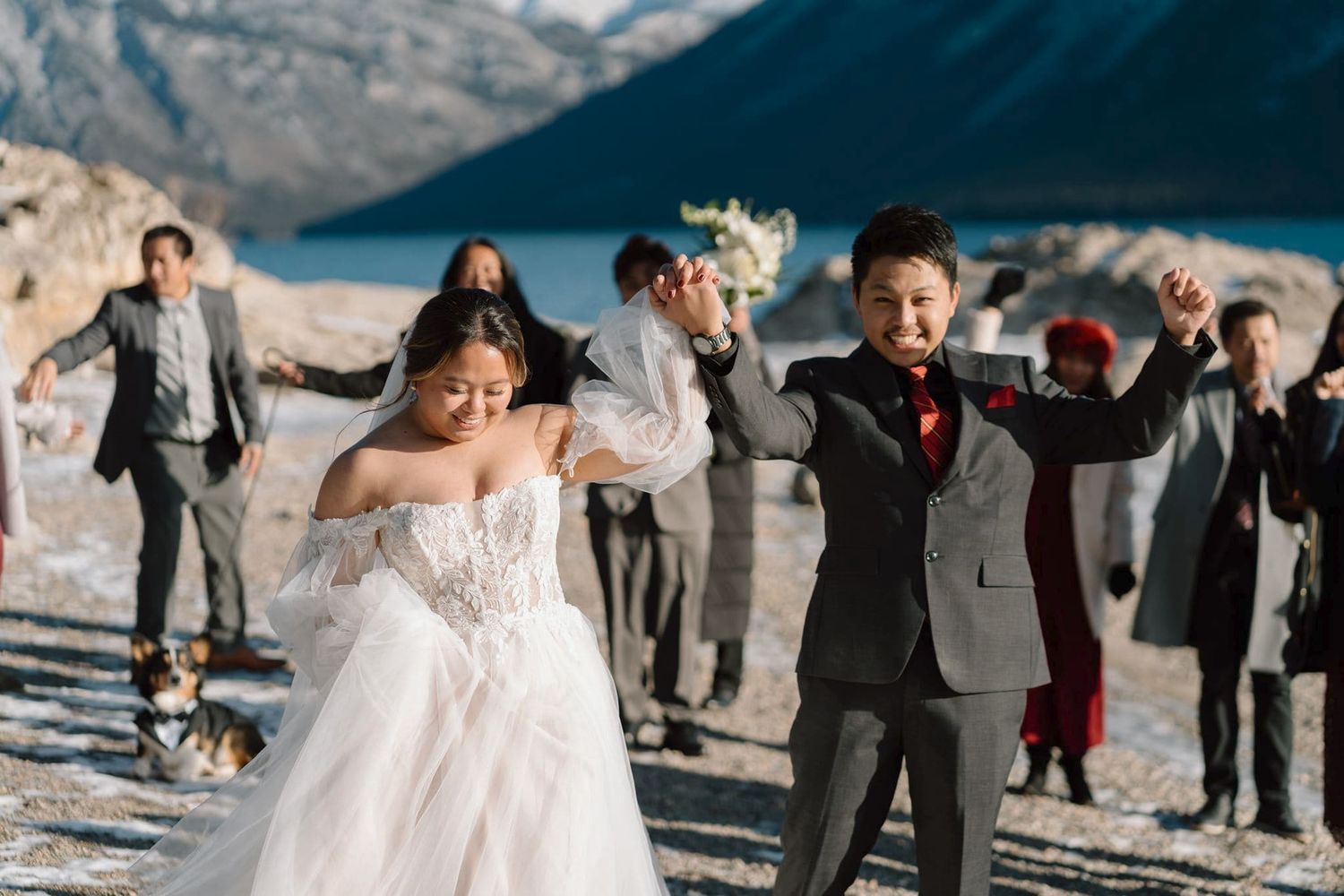
If you are planning a mountain wedding in Banff or Canmore, this becomes even more meaningful. Wind, open space, and natural atmosphere can add something unforgettable to a film when sound is handled well. They can also disappear completely if audio is treated as secondary.
Look at full wedding films, not just social media clips
Short-form content is designed to hook attention quickly. It is not designed to show you how a wedding videographer tells a full story. A 30-second reel may be stylish, but it cannot show pacing, narrative depth, consistency, or whether the emotional tone holds across an entire day.
Ask to see full films from weddings with a similar pace or setting to yours. Watch how the morning transitions into the ceremony, how the ceremony gives way to portraits, and how the reception energy is handled. Notice whether the couple still feels like the center of the story or whether the editing style takes over.
A trustworthy fit will feel consistent, not lucky. You should be able to see the same emotional sensitivity and creative discipline across multiple films.
The best style is the one that ages well
Trends are not evil. They can be fun, and some become timeless because they are rooted in real craft. But if you are deciding between something trendy and something truthful, choose truthful every time.
A wedding film should still move you when your voices sound younger, when loved ones are no longer here, when the details of the day have softened but the feeling has not. That is why many couples are drawn to a style that balances cinematic beauty with documentary honesty. It leaves room for your wedding to feel elevated without losing the real pulse of what happened.
One of the most meaningful things you can do is choose a team whose instincts match your values. If they believe real moments are worth preserving, you will feel it in the way they work and in the film they create. That kind of alignment changes everything.
The right wedding videography style will not make you feel like actors in someone else's vision. It will let you recognize yourselves in the story, and that is what makes a film worth keeping for life.