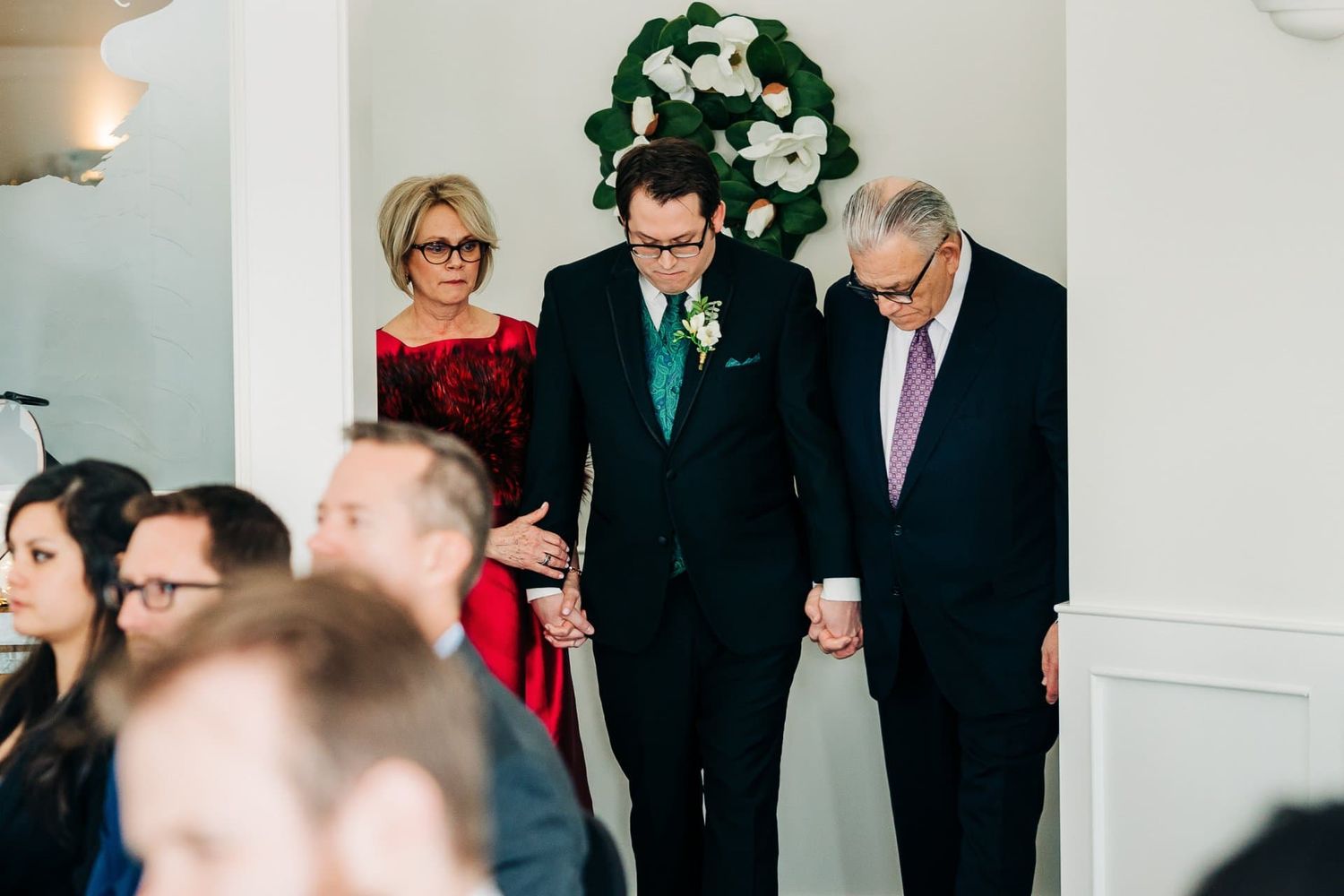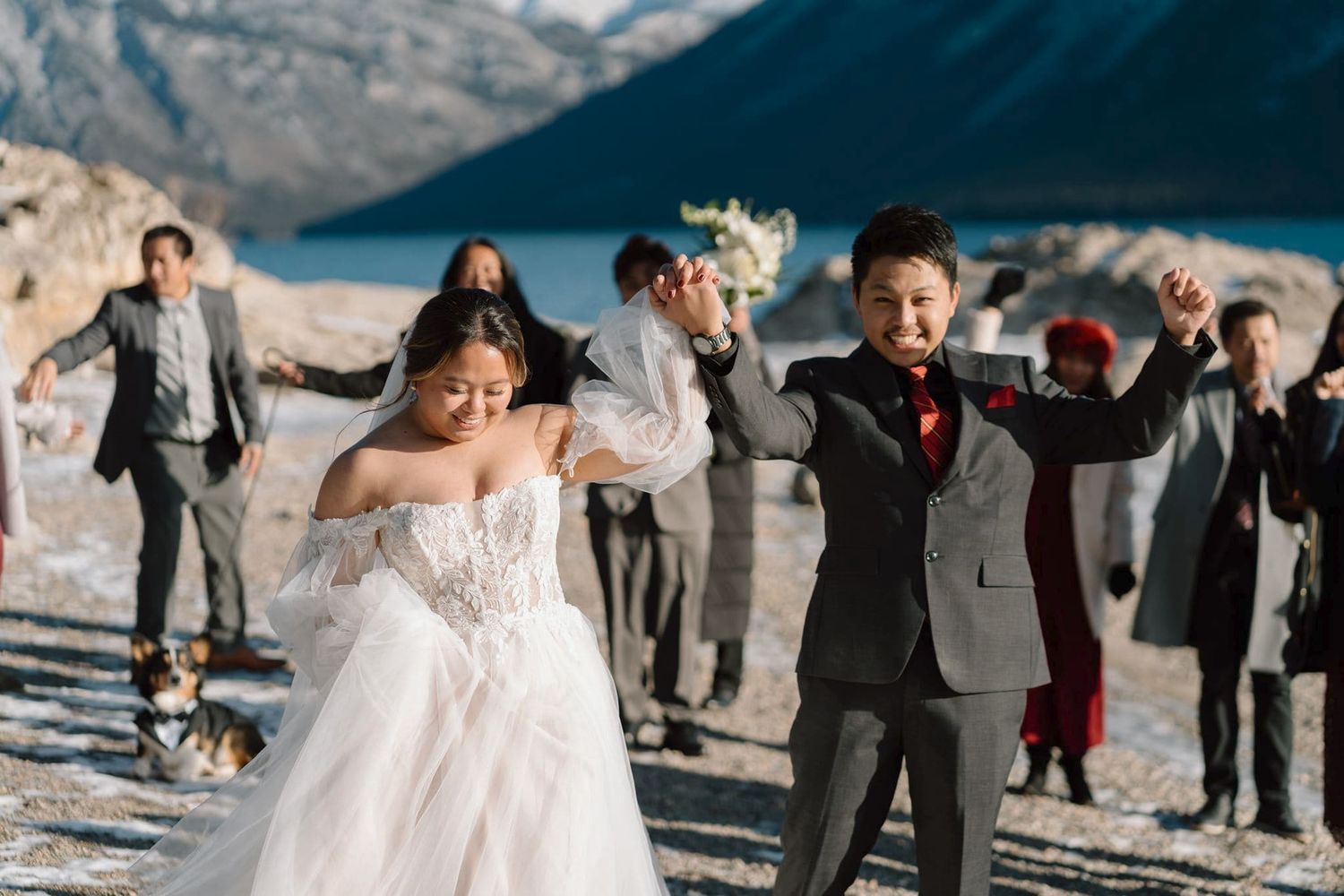
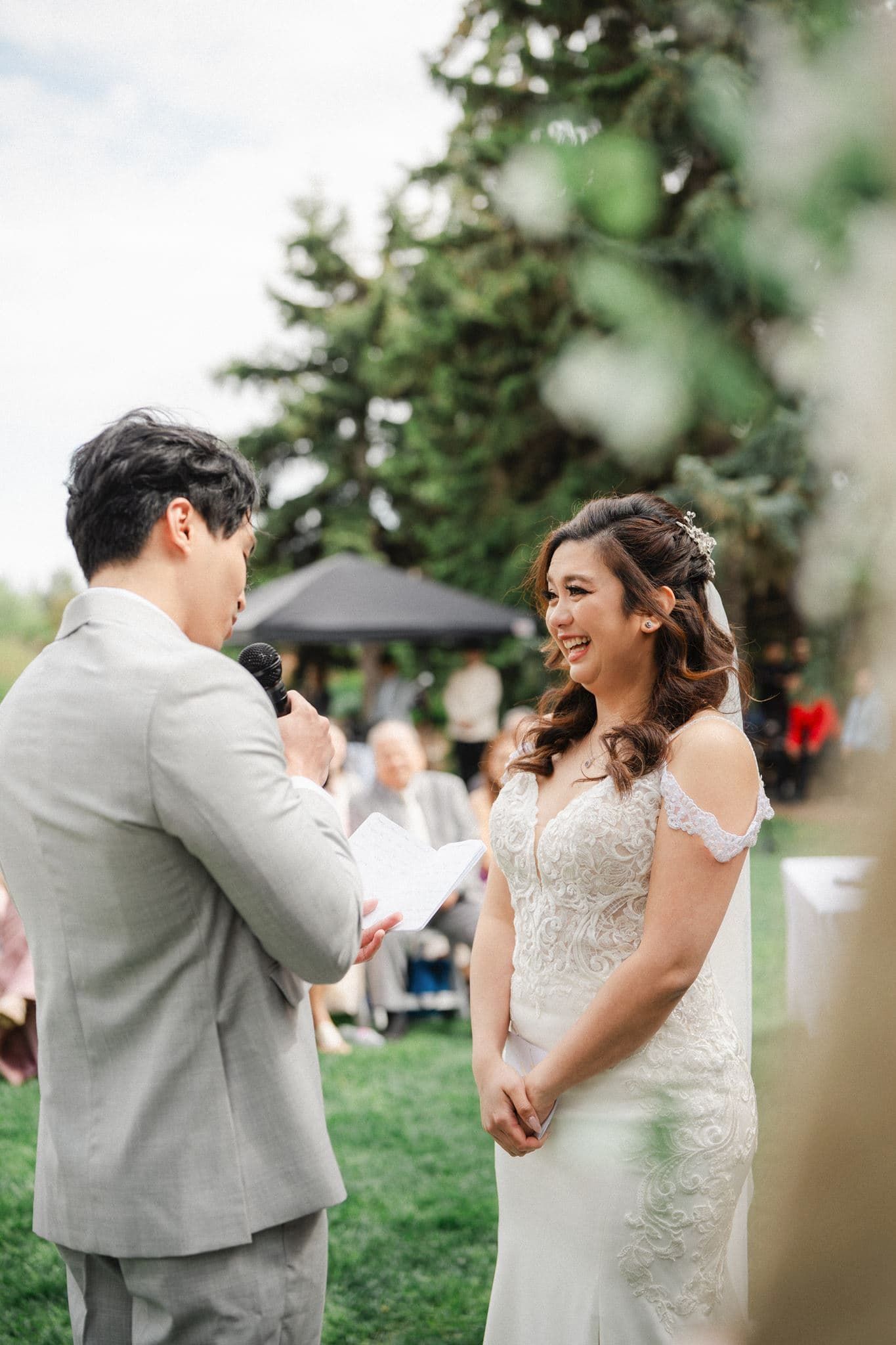
A vow is often only a few minutes long, but it can hold the whole emotional shape of a wedding day: the shaking breath before the first sentence, the laugh that breaks the nerves, the quiet pause when a promise lands. Learning how to film heartfelt wedding vows is not about making a couple perform those feelings for the camera. It is about protecting the space for them to be fully present while preserving what was said, exactly as it was felt.
For couples who see their wedding film as a legacy, vows deserve more than pretty visuals. They need clear, intimate sound, thoughtful coverage, and a team that knows when to step forward and when to disappear.
Begin by protecting the feeling in the room
The strongest vow footage starts before the ceremony. A couple should never arrive at the altar wondering where to look, whether they need to speak louder for the video, or if they are expected to pause for a cinematic shot. Those questions pull people out of the moment.
Instead, give them a simple reassurance: speak to each other. Take your time. If you cry, laugh, lose your place, or need a breath, let it happen. Those unscripted details are not mistakes. They are the truth of the day.
This matters especially during intimate ceremonies in Calgary, Canmore, Banff, or any setting where wind, changing light, and close-knit guests can shape the atmosphere. A meaningful film does not force the moment to fit a production plan. It adapts quietly around the moment.
Keep direction gentle and early
Any practical guidance should happen well before the ceremony begins. Let the couple know that standing naturally, facing one another, and holding their vows at a comfortable height will help both their connection and the footage. If they are reading from a phone, suggest increasing the screen brightness and turning off notifications.
Then let it go. At the altar, they should not feel directed. The goal is not perfect posture. It is two people making promises they will want to hear again years from now.
Prioritize clean audio over everything else
A beautiful image cannot rescue muffled vows. If there is one area that deserves careful planning and backup options, it is sound.
Place a discreet lavalier microphone on the officiant and, when the ceremony setup allows, on one partner as well. The officiant’s microphone often captures both voices with more consistency, while the second recording provides protection if someone turns away, a guest coughs at the wrong moment, or the wind rises. Recorders should be started early, checked before guests arrive, and left alone during the ceremony.
Ambient audio matters, too. The room tone before the vows, the soft reaction from parents, birds in the trees, or the hush that follows a deeply personal line all help a film feel like a place you can return to. These sounds should support the vows, not compete with them.
Plan for the real conditions, not ideal ones
Outdoor ceremonies are beautiful, but they ask more from a filmmaker. Wind can overwhelm voices. A nearby river, traffic, or a lively cocktail patio may create a sound bed that cannot be removed entirely in editing. A good team anticipates these trade-offs by using wind protection, choosing microphone placement carefully, and talking through the ceremony layout with the officiant.
Indoor ceremonies have their own considerations. Echoing spaces can make voices feel distant, while venue speakers may introduce distortion. Whenever possible, record directly from the ceremony sound system as another backup, but never rely on it as the only source. A live sound feed can fail, clip, or capture only one microphone.
Redundancy is not glamorous, but it is an act of care. Vows happen once.
How to film heartfelt wedding vows without interrupting them
The camera should feel like a quiet witness, not another guest asking for attention. This begins with placement.
One camera can hold a wider view of the ceremony, preserving the setting, the guests, and the way the couple stands together in that particular moment. A second camera can focus more closely on expressions: a hand tightening around a vow book, tears gathering before they fall, the relief of a shared smile. If the team is larger, an additional angle can capture the reactions of parents, siblings, or chosen family without pulling focus from the couple.
The key is restraint. Not every sentence needs a new angle. Not every tear needs an extreme close-up. Let moments breathe long enough for the viewer to feel them.
Frame connection, not perfection
A couple may not face the camera at the most flattering angle. One person may hold their vows in front of their face for a moment. The light may shift behind a cloud just as the vows begin. These are not reasons to interrupt or reposition people mid-ceremony.
Instead, look for the emotional details that tell the fuller story. Capture one partner listening while the other speaks. Stay with a parent’s reaction after a line that clearly means something to them. Notice the small release in the couple’s shoulders once the hardest words have been said.
Cinematic coverage is not about making every frame look staged. It is about choosing images that carry emotional weight.
Give the vows room in the edit
When it is time to build the wedding film, resist the urge to reduce the vows to a few polished sound bites. A highlight film has limited time, so choices have to be made. But the chosen lines should retain their context and natural rhythm.
A nervous laugh before a promise can make the promise more powerful. A pause after an emotional sentence may say more than music ever could. Let the couple’s actual voices lead the scene, then use music carefully beneath them rather than over them.
It also helps to weave the vows through the story of the day instead of confining them only to the ceremony. A promise about choosing one another in ordinary life might play over quiet footage of getting ready together, a hand squeeze during portraits, or the two of them stepping into the reception. This creates a film that feels cohesive without changing the meaning of their words.
For a same-day edit wedding film, this preparation becomes even more essential. Because the piece is shown while the celebration is still unfolding, the team needs a clear audio workflow, reliable coverage, and the instinct to recognize which lines will move a room. When guests hear the couple’s vows and see the day reflected back to them that evening, the reception can become something more than a party. It becomes a shared memory in real time.
Trust the imperfect moments
The most heartfelt vows are rarely delivered like a speech. Someone may mispronounce a word. Someone may laugh through tears. A page may stick together, or a voice may break halfway through a sentence. Those moments are often the ones a couple remembers most vividly.
There is a difference between correcting a technical distraction and polishing away humanity. Clean up what takes viewers out of the experience, but keep what brings them closer. The goal is not to make the vows sound flawless. It is to make them feel true.
Years from now, the value of this footage will not be measured by whether every line was spoken perfectly. It will live in the familiar voice, the trembling hands, and the look that says, without rehearsal, “I am here with you.”