A wedding in another country asks something different of you. You have crossed borders, gathered your closest people, and chosen a place that means more than a beautiful backdrop. International wedding videography should honor that weight. It should preserve the anticipation of the journey, the unfamiliar air before the ceremony, the voices of loved ones who traveled far, and the feeling of finally arriving here together.
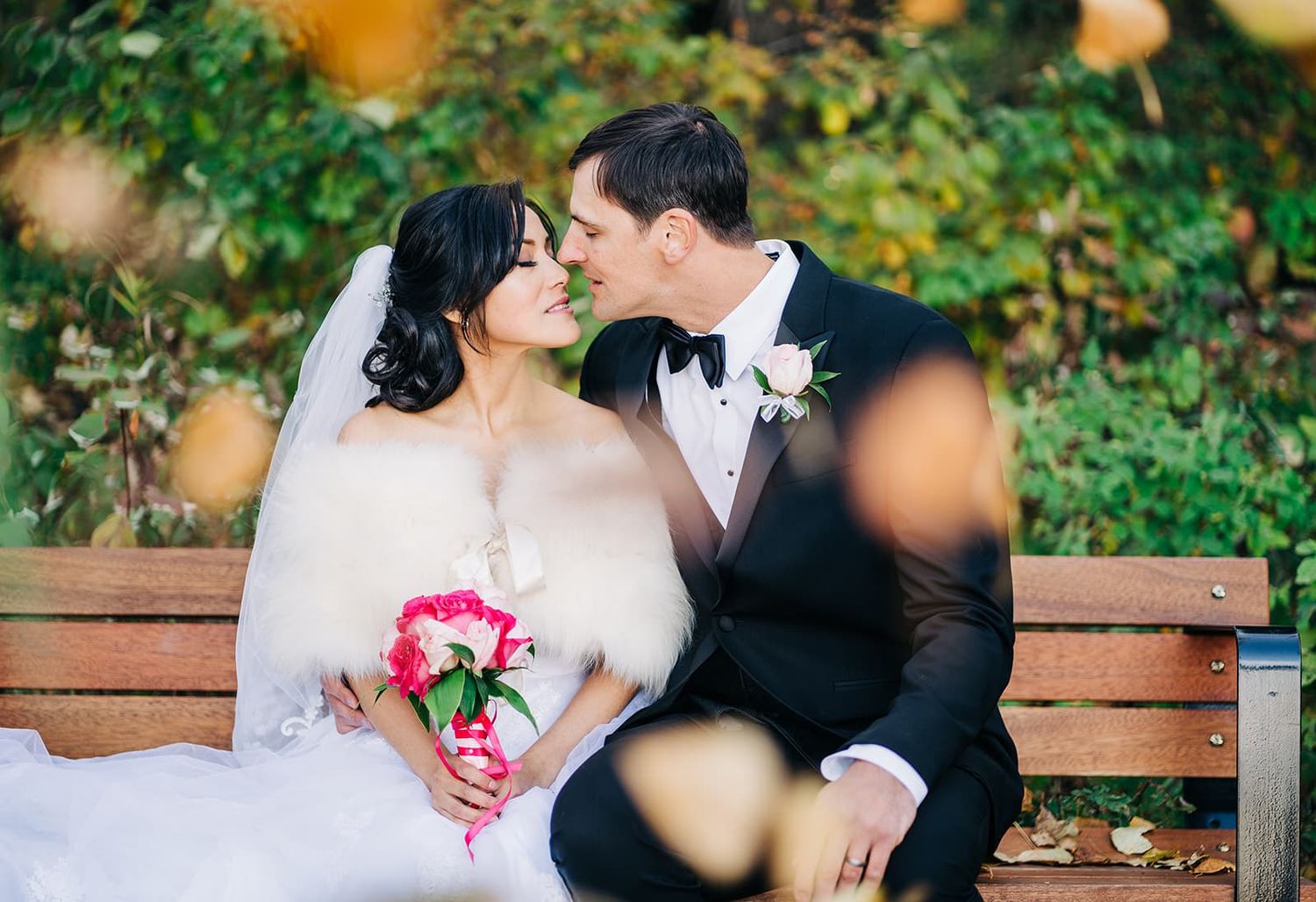
The destination matters, of course. The coastline, old-city streets, mountain light, or candlelit villa will become part of your story. But a meaningful film is not a travel montage with vows laid over it. Years from now, what will bring you back is the way your partner looked at you when the day began, the nervous laughter before the ceremony, and the full, unguarded joy that moved through the room once you were finally married.
A Destination Is Not the Story
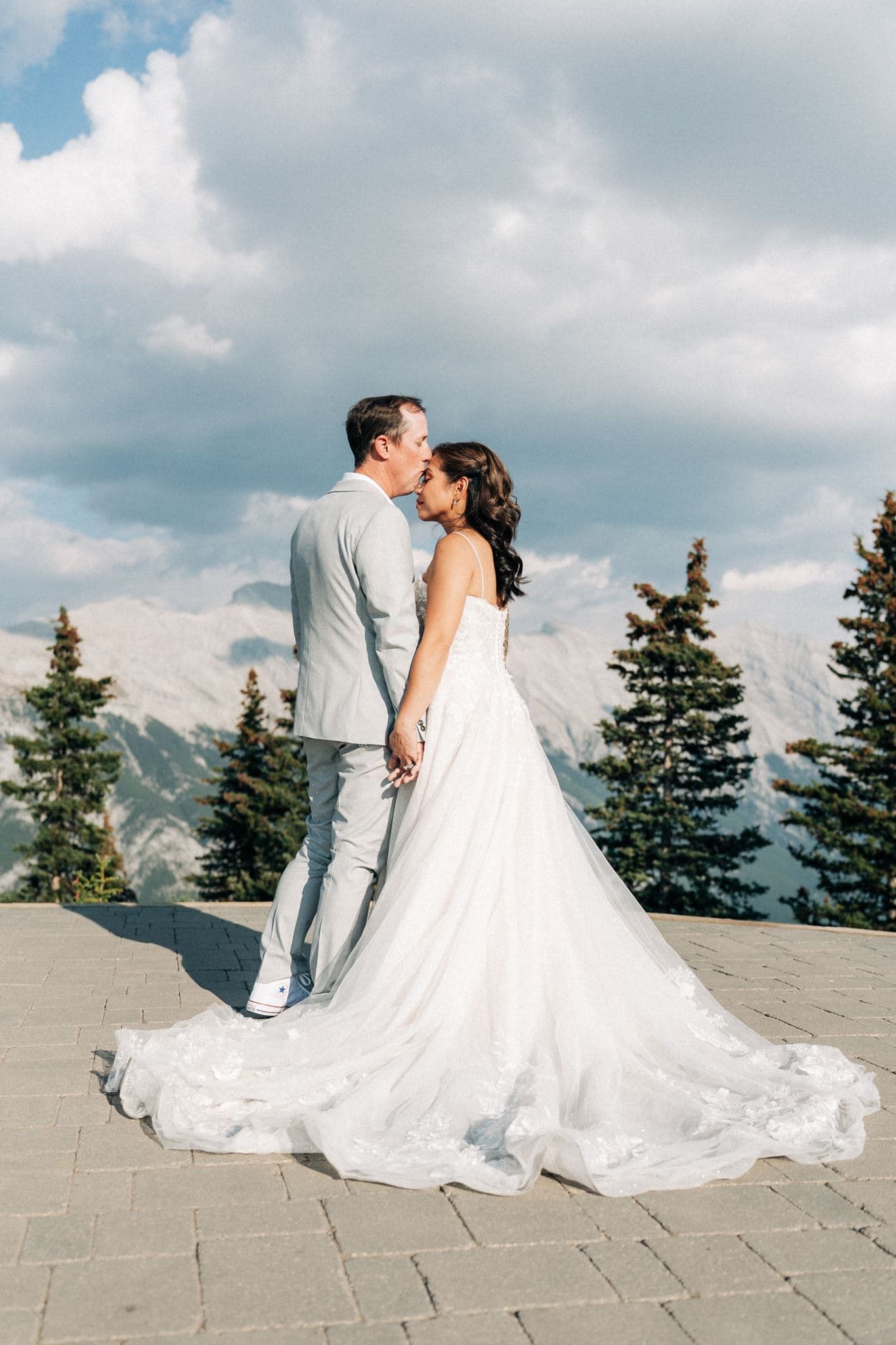
It is easy to let a remarkable setting take over a wedding film. Aerial views, dramatic landscapes, and beautiful architecture can create an immediate sense of scale. They have their place. Yet the most lasting destination films use location as context, not the main character.
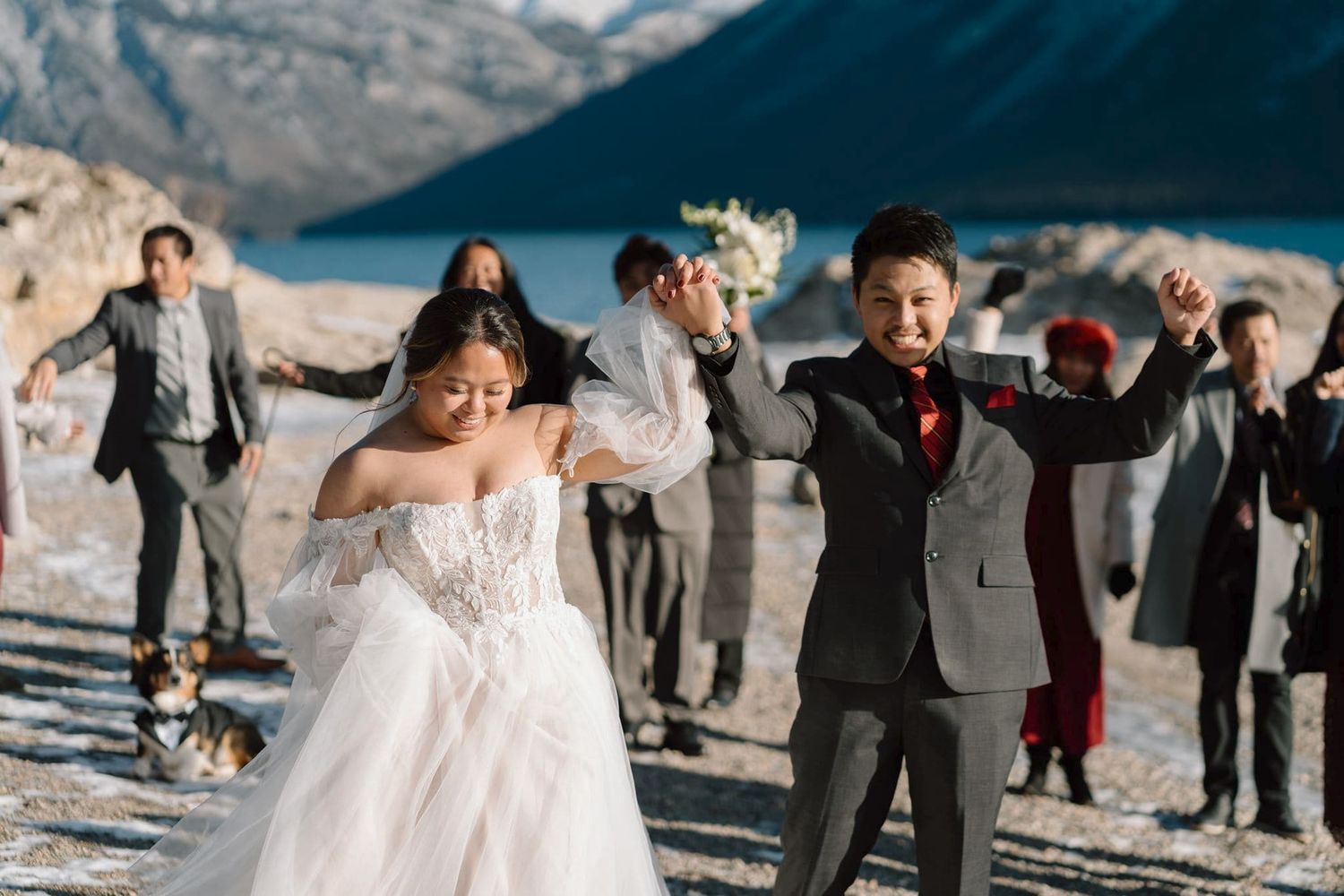
Your story is the center. Perhaps you chose Tuscany because your first trip together changed the course of your relationship. Perhaps a ceremony in Banff brings your families to the mountains you return to every year. Or perhaps you are marrying somewhere completely new because beginning a marriage should feel like an adventure. Those details give a film emotional direction.
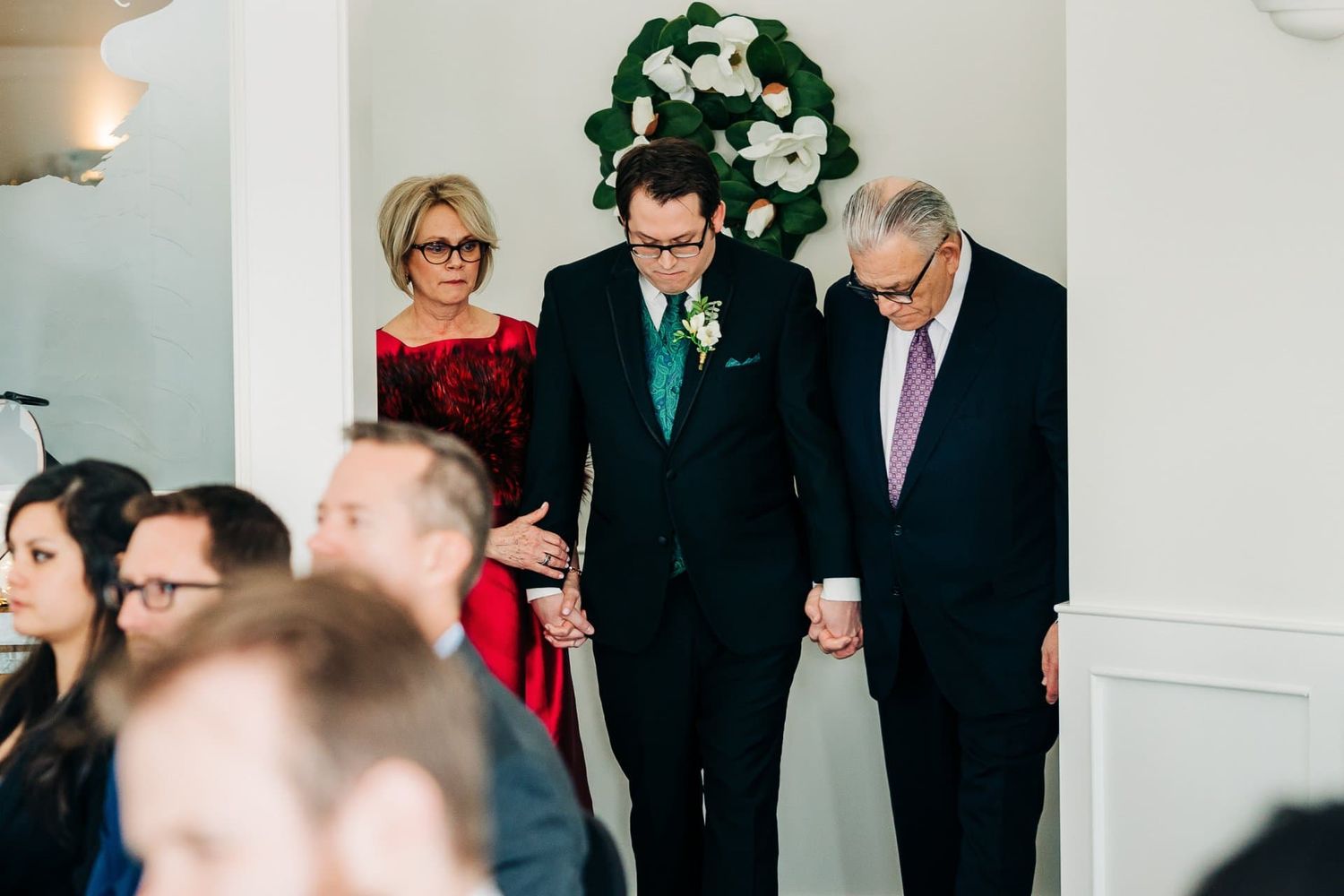
The strongest footage often happens between the grand views: your parents seeing you dressed, friends sharing a quiet drink while getting ready, a hand squeezed beneath the dinner table, the sound of everyone cheering in a language or accent that fills the room with home. These are not interruptions to the cinematic moments. They are the cinematic moments.
What International Wedding Videography Requires
Traveling for a wedding is not simply local coverage with a longer flight. It requires preparation, adaptability, and a calm presence when plans shift. Weather changes quickly. Venues run on different timelines. Transportation may be delayed. A ceremony can begin late because a ferry has not arrived, a family member is navigating unfamiliar roads, or a sudden storm changes the plan.
A seasoned international wedding videography team prepares thoroughly, but does not make that preparation the couple's burden. That means confirming travel requirements and equipment needs early, building realistic arrival time into the schedule, carrying backups for essential gear, and understanding how the venue's light and sound may change throughout the day.
It also means respecting the culture of the place you have chosen. Some destinations have formal rules around ceremony locations, drone use, historic sites, religious traditions, or guest privacy. A thoughtful filmmaker asks questions before arriving rather than treating a destination as a set. The goal is to make images that feel true to your celebration and considerate of the community hosting it.
The trade-off between a packed schedule and a present day
Destination weddings can invite overplanning. When everyone has traveled so far, couples often feel pressure to photograph every viewpoint, schedule every event, and make every hour look extraordinary. There is nothing wrong with wanting to make the most of a rare gathering. But a full itinerary can leave very little room to actually feel it.
A better approach is to choose a few moments that matter most and protect space around them. If sunset portraits are important, allow enough time to reach the location without rushing. If your welcome dinner is where guests will be most relaxed, consider having it documented. If you want a same-day edit shown at the reception, build that screening intentionally into the evening.
The film will feel richer when you have room to breathe. Presence is not something a videographer can manufacture in post-production. It comes from having enough space to look around, take it in, and be with the people you invited.
Choosing a Team You Can Trust Far From Home
With a destination celebration, trust becomes practical very quickly. You may be planning across time zones, working with vendors you have never met in person, and coordinating an experience for people who depend on you. Your photo and video team should make the process lighter, not add another layer of decisions.
A coordinated photo and film team can be especially valuable here. When the people documenting your day already work in rhythm, they can move quietly, share information, and cover the same moment from complementary angles without competing for space. That matters during intimate moments, when the last thing you need is to be directed repeatedly or pulled away from your guests.
Ask prospective filmmakers how they work when a timeline changes, how they protect ceremony audio, and how they approach portraits. Their answers should sound specific, not rehearsed. You are looking for confidence without rigidity: people who arrive prepared, communicate clearly, and can adjust without making a problem feel larger than it is.
Just as importantly, pay attention to how you feel speaking with them. You will spend some of the most emotionally charged hours of your wedding day near this team. If their approach makes you feel watched, rushed, or pressured to perform, that feeling can show up in the footage. If you feel understood and safe, you are far more likely to forget the camera is there.
Let Real Sound Carry the Memory
Music can shape a wedding film, but real sound gives it a pulse. The tremble in a voice during vows. The sudden laughter after a toast lands perfectly. The wind moving through the ceremony space. The roar of your friends as the dance floor opens. These sounds place you back inside the day in a way visuals alone cannot.
For international celebrations, sound often holds the texture of place, too. Maybe the ceremony includes two languages. Maybe a grandparent offers a blessing in the language they raised your partner with. Maybe your guests break into a song that no one planned. These are not details to smooth over in favor of a polished highlight reel. They are part of the truth of your marriage and the people who carried you to this moment.
This is why documentary awareness matters as much as cinematic instinct. Beautiful footage is only half the work. A film needs someone listening closely enough to recognize when something unscripted is about to become unforgettable.
A Same-Day Edit Can Bring Everyone Into the Story
There is a special kind of energy at a destination wedding reception. People have traveled, made plans, and stepped out of ordinary life to celebrate you. Showing a same-day edit before the night ends gives those guests a chance to see the day they helped create while they are still living inside it.
The room often changes when the film begins. Guests see the quiet moments they missed while getting ready, the ceremony from a new perspective, and the joy unfolding around them. Then the screen goes dark, the music starts again, and the celebration carries on with even more feeling.
A same-day edit is not right for every wedding. It requires a team built for the pace, a reliable production plan, and a reception schedule that allows for the reveal. But for couples who want to turn the evening into a shared emotional memory, it can be an extraordinary addition.
Your Film Should Bring You Back, Not Just Impress You
The most beautiful international wedding films do not ask you to admire how far you traveled. They return you to why you went. They let you hear the vows again, see the people who showed up, and remember the version of yourselves who stood in that place at the beginning of a new chapter.
At Conquer Your Journey, we believe the best films are made with quiet attention and an honest eye. Wherever you choose to marry, let the location be beautiful, let the day be imperfect in all the human ways it may be, and give yourselves permission to live it fully. The memories worth preserving are already there, waiting to be noticed.