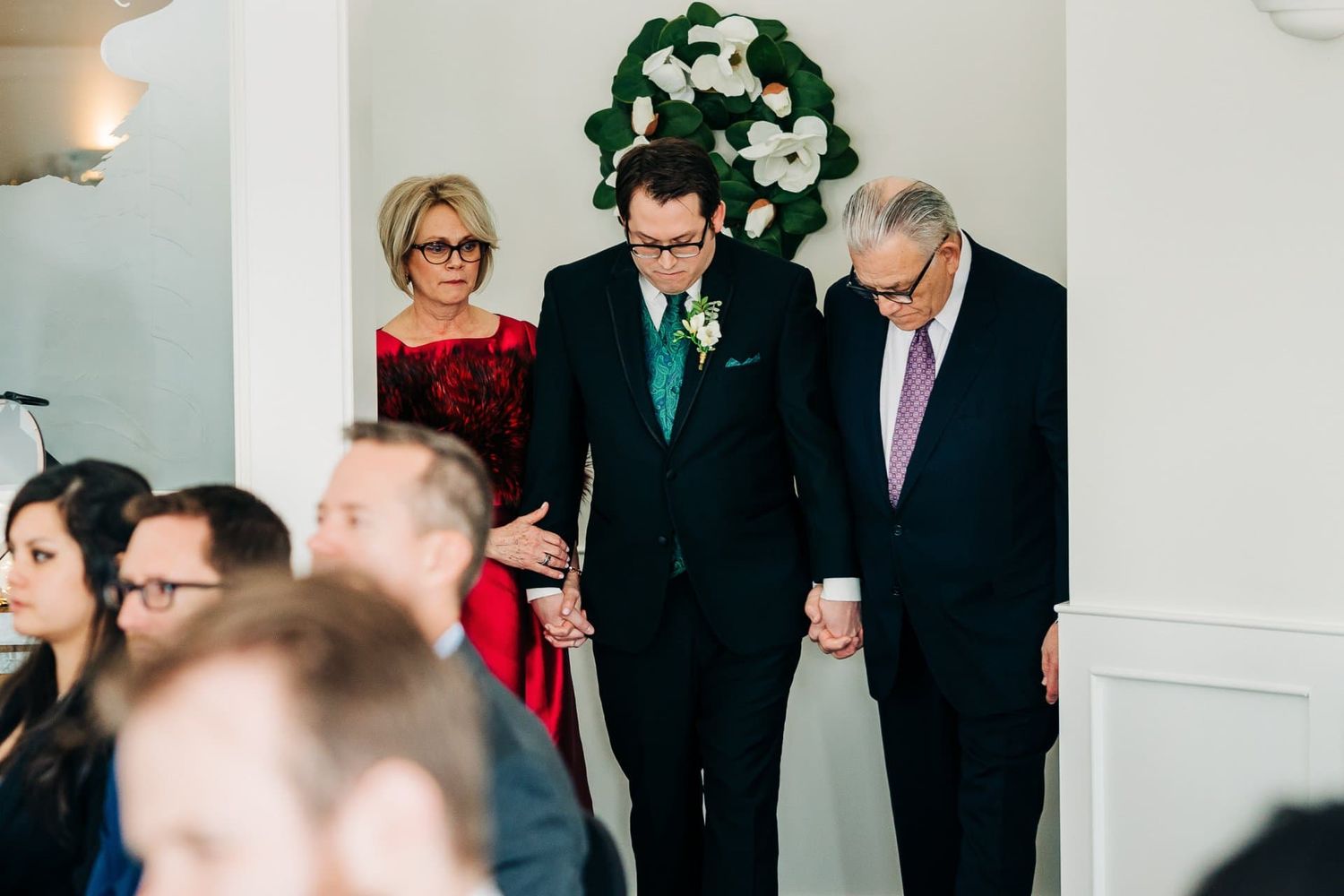
The moment a parent sees their child fully dressed for the wedding day, time seems to shift. The room gets quieter. Someone tears up. Someone laughs to keep from crying. If you're wondering about the best moments to film at weddings, start there - not with perfection, but with emotion. The most unforgettable wedding films are built from the parts of the day that feel real while they're happening and even more meaningful later.
A beautiful wedding film is never just a highlight reel of big events. It is a living memory of how the day moved, how it sounded, and how it felt. That is why the strongest coverage looks beyond the obvious milestones and pays close attention to the in-between moments too. Those are often the scenes couples return to most.
The best moments to film at weddings start before the ceremony
Getting ready is often underestimated because it can look quiet on the schedule. On film, though, it carries the emotional foundation of the day. The final buttons on a dress, a handwritten note being opened, a best friend fixing a veil, the nervous pacing before heading out - these moments give the story depth.
This part of the day also sets the tone visually. Soft morning light, anticipation in the room, music in the background, family members moving in and out of frame - it all creates texture. If the wedding day is covered in a documentary style, these scenes feel intimate rather than staged.
First looks deserve special mention, but they are not one-size-fits-all. For some couples, a private first look creates space to breathe, connect, and actually talk before the ceremony begins. For others, saving that moment for the aisle is the right emotional choice. Neither option is more romantic. It depends on the rhythm you want for your day and what will help you feel most present.
Family first looks can be just as powerful. A father seeing his daughter in her dress, a mother adjusting a tie with shaking hands, siblings trying not to cry - these reactions often become some of the most treasured footage in the entire film.
Ceremony moments that matter most on film
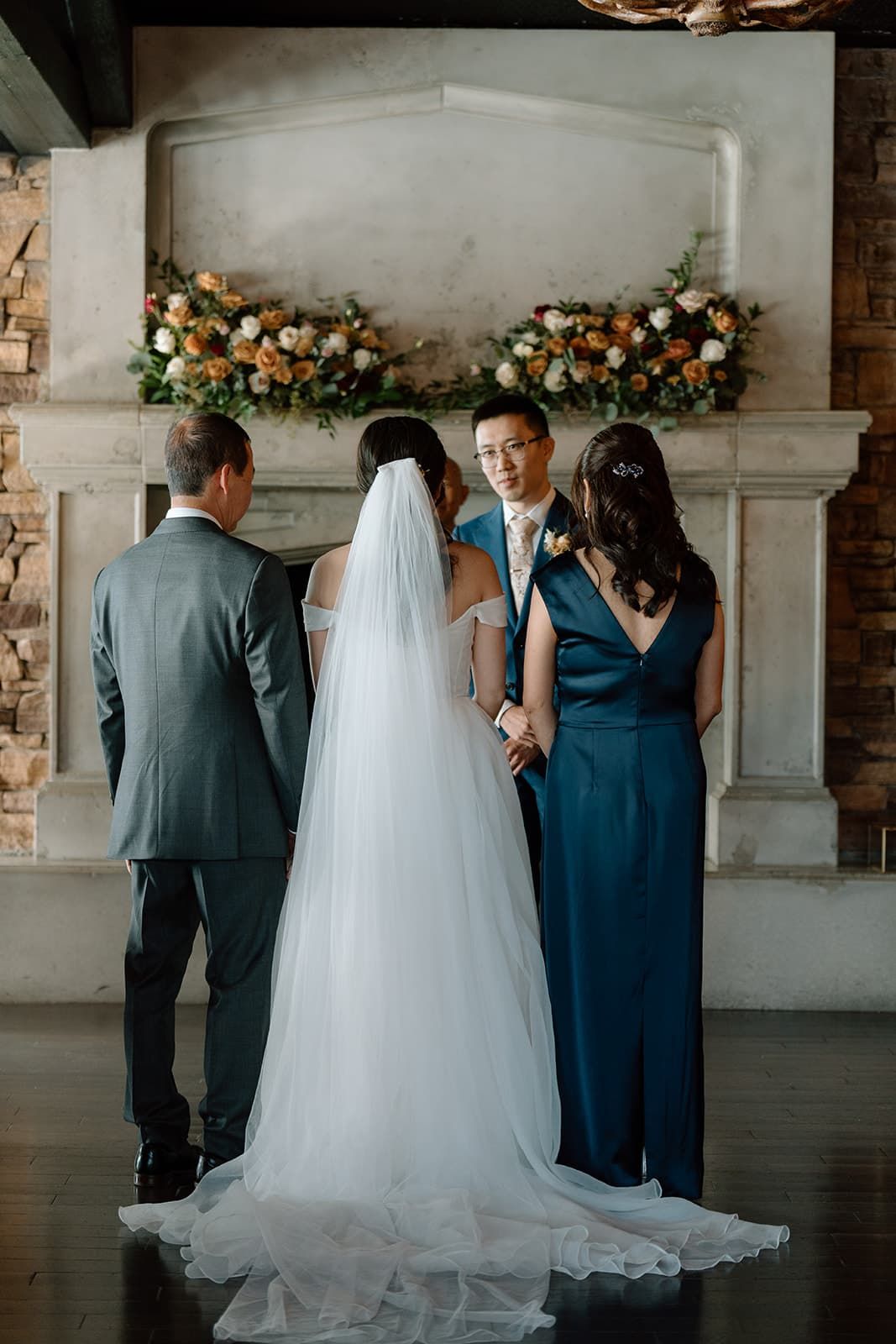
The ceremony holds some of the clearest emotional peaks of the day, but it is not only about the kiss. The walk down the aisle matters, of course, yet so does the reaction waiting at the front. Sometimes the most moving shot is not the entrance itself but the expression of the person seeing it.
Vows are essential because they carry voice, truth, and personality. Hearing the actual words spoken on the day changes a wedding film from beautiful to deeply personal. The same goes for readings, laughter during a missed line, trembling hands during ring exchange, and the small pause right before the first kiss. These details make the ceremony feel lived-in instead of polished flat.
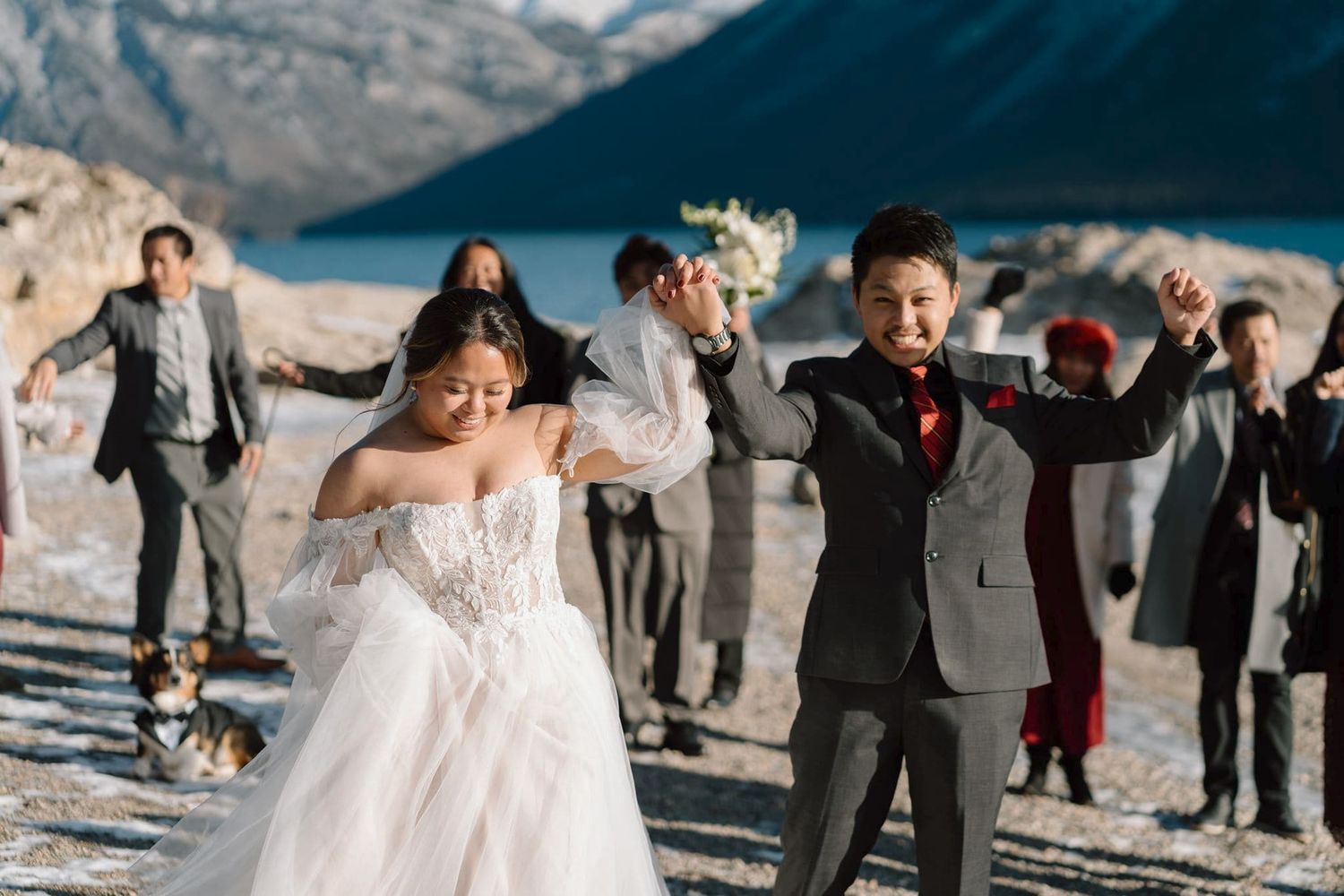
It is also worth filming the wider atmosphere. Guests wiping their eyes, grandparents holding hands in the front row, wind moving through a mountain ceremony setup in Banff or Canmore - these images place the couple inside the world they created for that moment. They are part of the memory too.
The best moments to film at weddings are often the unscripted ones
One of the biggest mistakes couples make when thinking about video is assuming the camera is only there for planned events. In reality, some of the strongest scenes happen in the margins of the timeline. A flower girl spinning in the grass. A groom exhaling after the ceremony. Friends hugging in cocktail hour sunlight. A quick forehead kiss no one realized was being filmed.
These are the moments that give a film its emotional honesty. They are not performed. They are simply happening, and because of that, they age beautifully.
This is also where having a team that values observation over control makes a real difference. When coverage is too directive, the day can start to feel like a production. When it is thoughtful and story-led, you still get beautiful visuals, but your wedding feels like your wedding.
Portraits, but with room to breathe
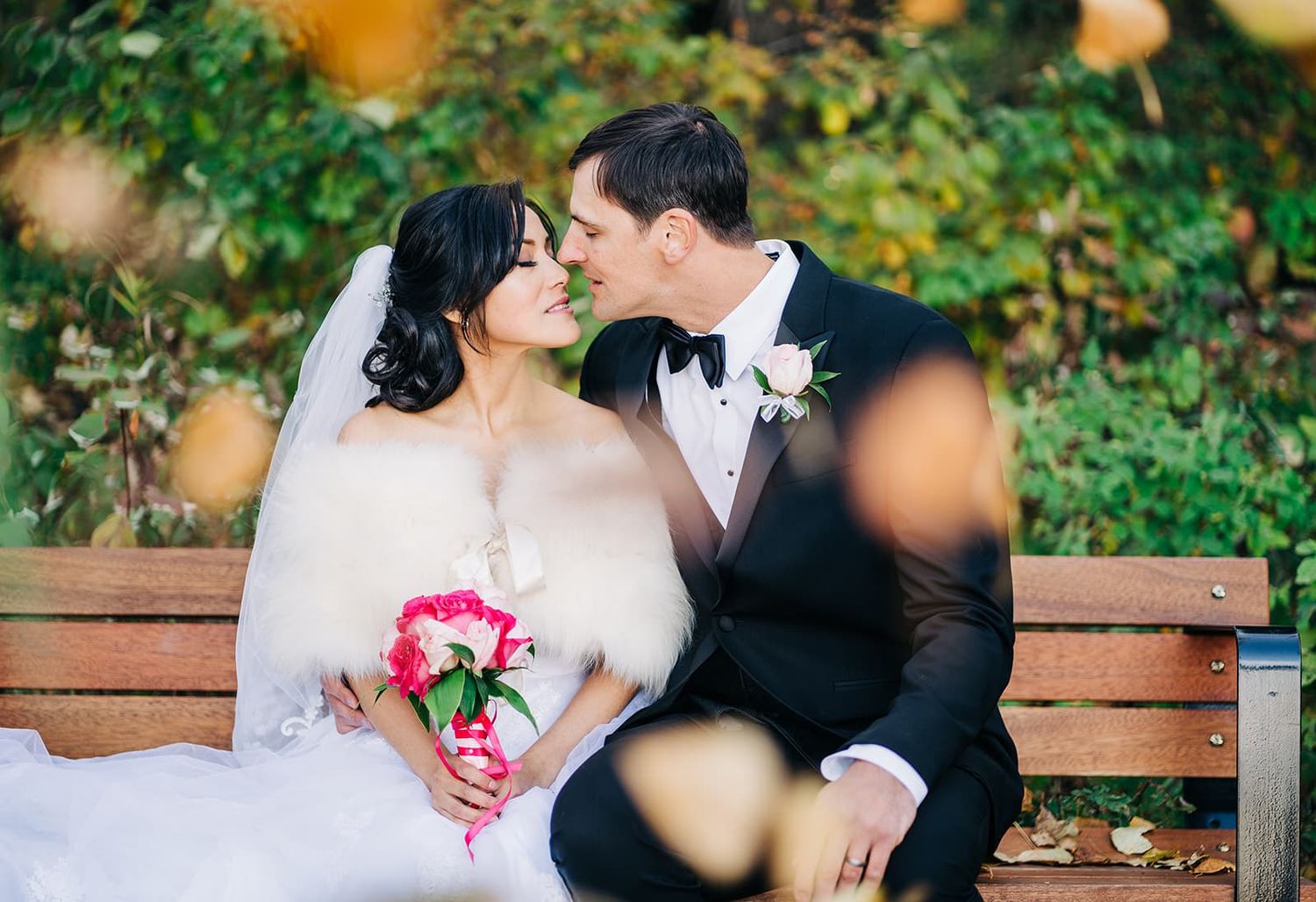
Couple portraits absolutely belong in a wedding film, but not as a series of stiff poses. The most cinematic portrait footage usually comes from movement and connection - walking hand in hand, sharing a private joke, leaning into each other after finally having a quiet second alone.
Golden hour often brings some of the most visually striking footage of the day. The light softens, everything slows down, and couples tend to be more relaxed by then. But sunset portraits are not mandatory for every celebration. In winter weddings, tight timelines, or mountain weather, flexibility matters. A meaningful portrait scene in midday light will always matter more than forcing a rushed "perfect" moment.
The goal is not to interrupt the day for video. It is to create space where the two of you can actually feel what just happened. That emotional exhale reads beautifully on camera.
Reception scenes that carry the energy of the day
Receptions often shift the film from tender to electric. Grand entrances, first dances, parent dances, and toasts all have obvious value, but what makes them unforgettable is the reaction around them. Laughter during a speech. A parent trying not to cry during a dance. Guests erupting when the beat changes and the dance floor opens.
Toasts are especially important because they add narrative voice. They remind you how people saw your love in that season of life. Years later, that perspective can mean just as much as the visuals.
The dance floor itself deserves thoughtful coverage, not just quick clips of people moving. There is something powerful about filming the release that happens later in the evening. Shoes come off. Timelines stop mattering. Everyone is fully in it. That kind of joy gives a wedding film balance. Love stories are not only soft and sentimental. They are also loud, funny, and alive.
Why same-day edits create a different kind of memory
There is one part of modern wedding filmmaking that couples and planners often overlook until they experience it in person: the same-day edit wedding film. This is not just a fast turnaround. It is a chance to let your story unfold while the celebration is still happening.
When a same-day edit is shown at the reception, something special happens in the room. Guests see the morning they missed, the ceremony from a new perspective, the emotion on your faces, the details they did not have time to notice. And the couple gets to pause, look at each other, and realize that the day they are still living is already becoming a memory worth keeping.
For some weddings, this becomes one of the most unforgettable moments of the night. It turns the reception into more than a party. It becomes a shared reflection, a surprise, and a gift to everyone present. If you care deeply about storytelling and experience, this is one of the most meaningful add-ons to consider.
How to decide what matters most for your wedding film
Not every wedding needs the same filming priorities. A large celebration with a packed reception may lean heavily into guest energy and atmosphere. A smaller, private wedding may hold its most powerful moments in quiet conversation and natural surroundings. Cultural traditions, family dynamics, and location all shape what deserves extra attention.
That is why the best wedding films are never copied from a formula. They are built around who you are, how you relate, and what you want to remember years from now. Some couples care most about vows and speeches. Others want the movement, the setting, and the feeling of the day. Most want both, but in different proportions.
At Conquer Your Journey, that is the heart of how wedding stories are approached - not as a checklist of shots, but as a chapter of your life that deserves to be felt again.
If you are planning your wedding, think less about whether every traditional moment gets filmed and more about which parts of the day hold your truth. The best moments are not always the loudest ones. They are the ones that still feel like you when everything else falls away.