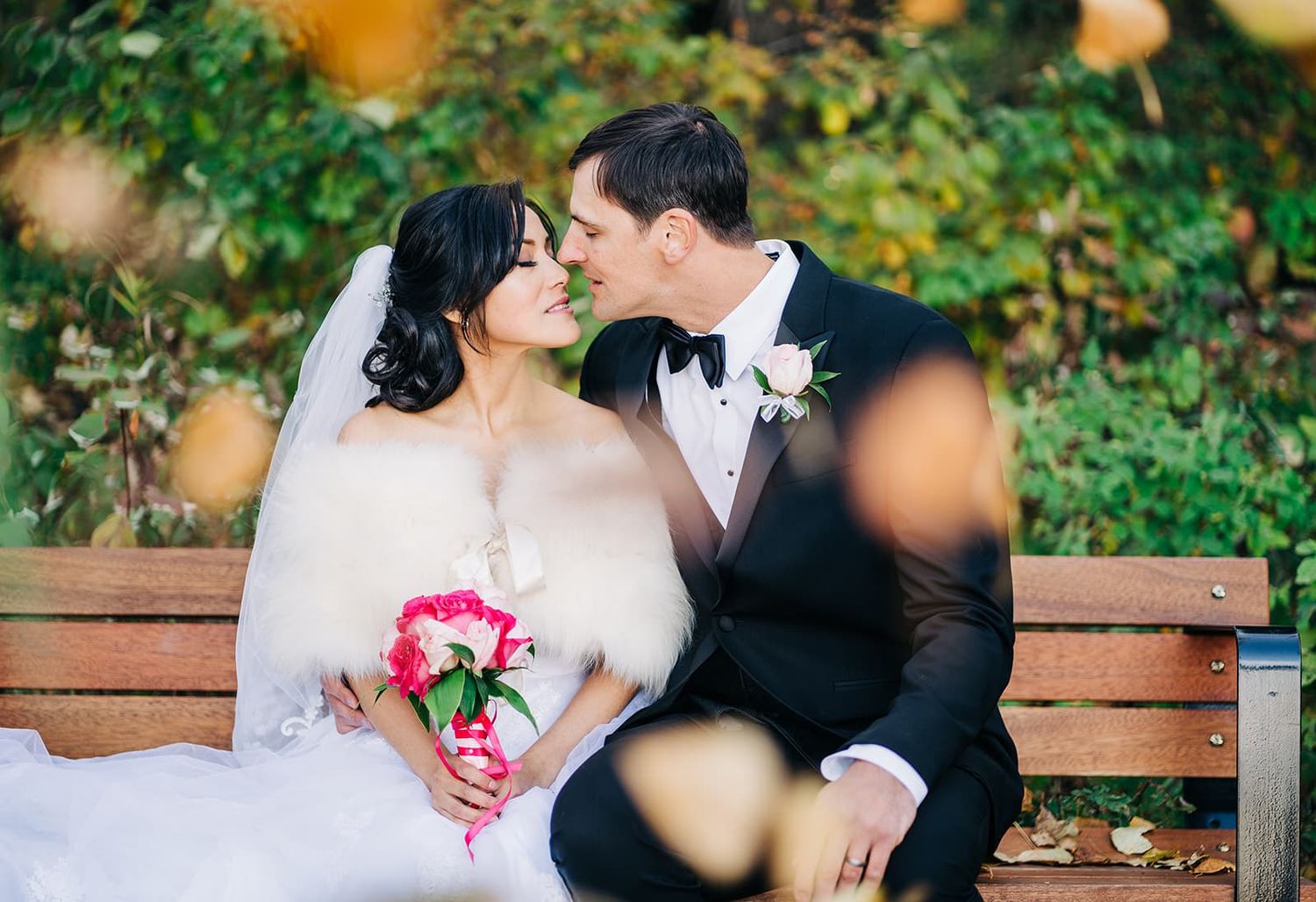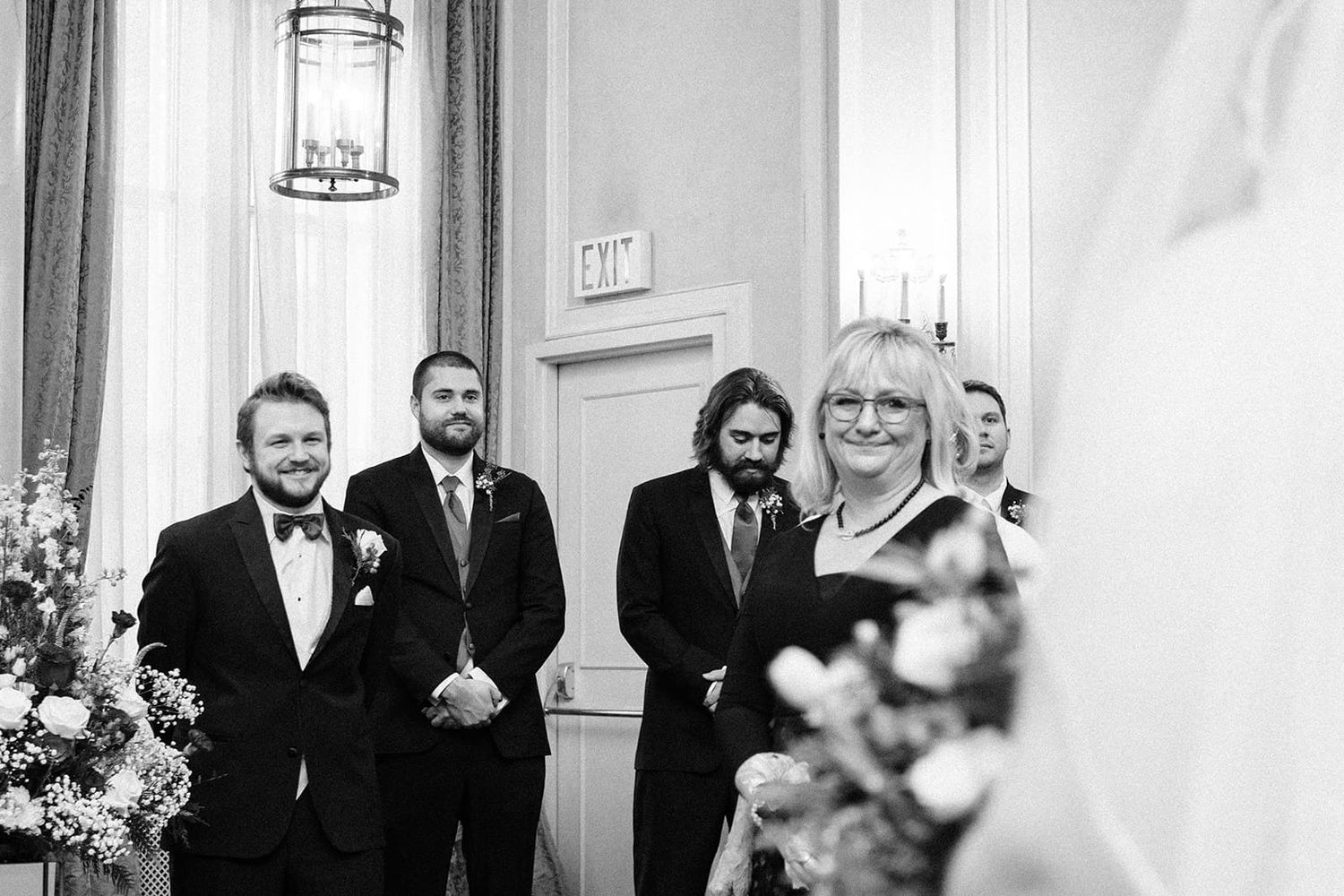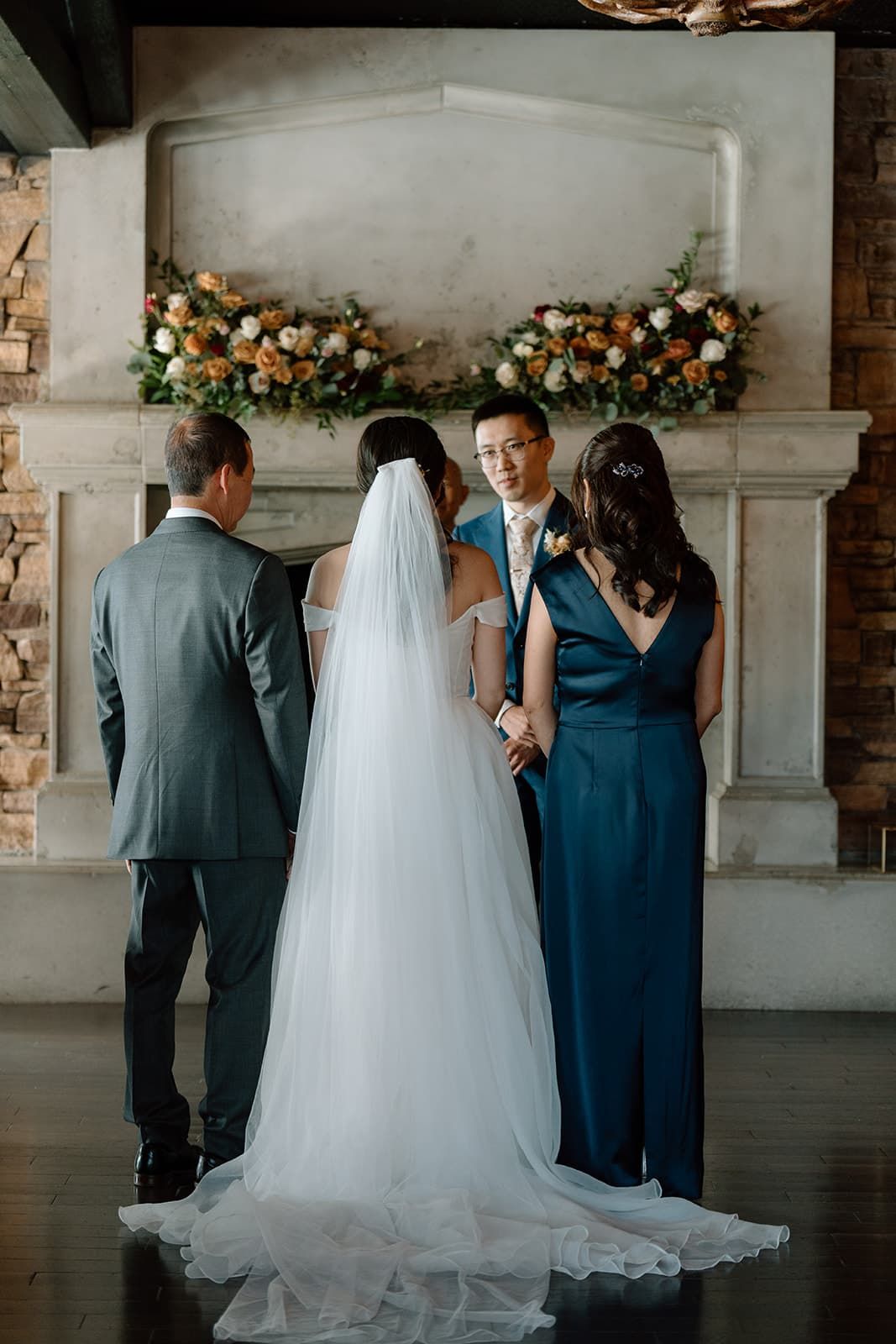
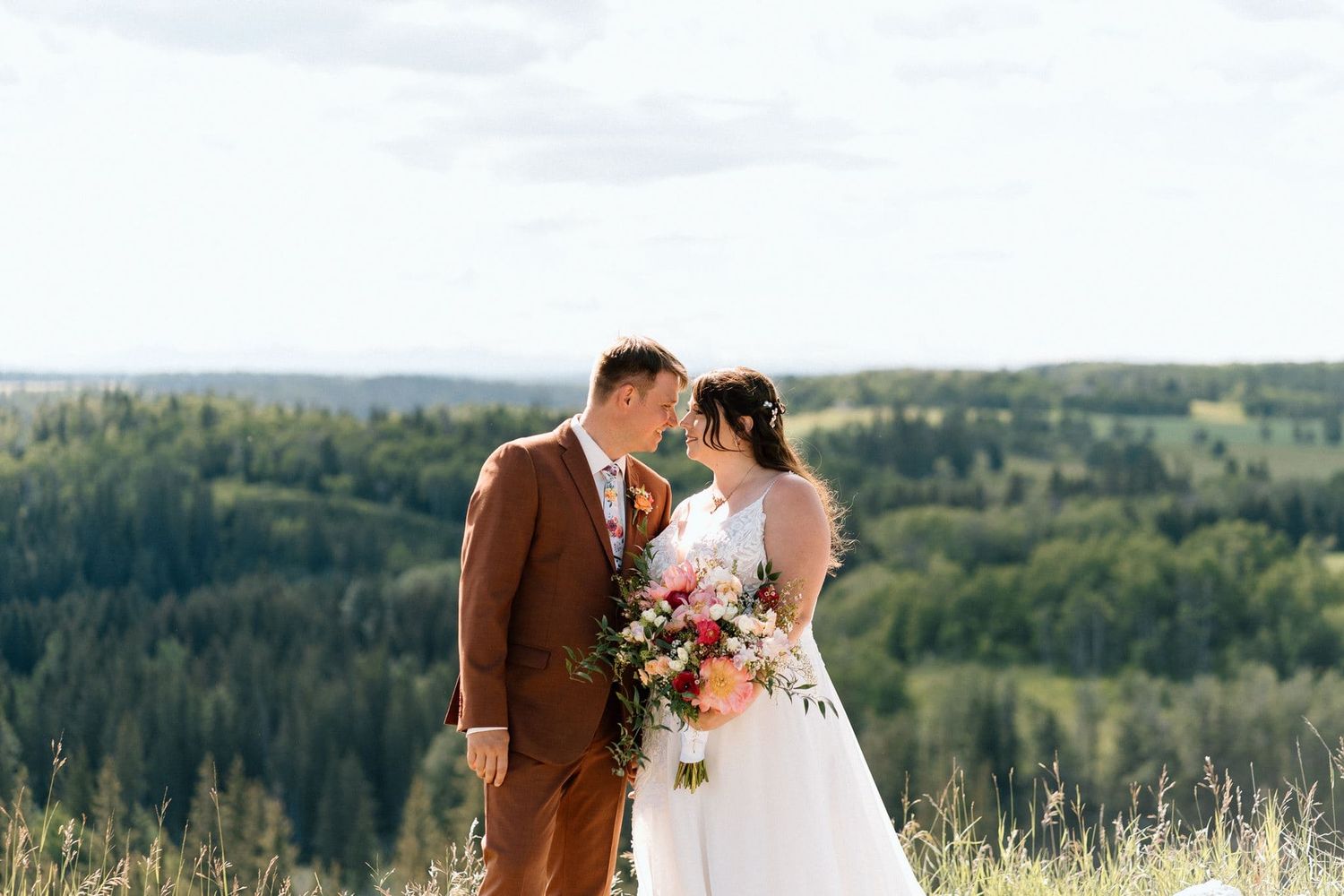
The last hug from your grandmother. The tremble in your partner’s voice before they find the words. The way your friends erupt when the music changes and the dance floor finally lets go. A photography versus videography investment is not really a question of which medium is better. It is a question of how you want to return to the emotional shape of a day that will move far faster than you expect.
For many couples, photography is the first priority because photographs become part of everyday life. They go on the wall, into albums, beside the bed, and into the hands of future family members. For others, film becomes essential the moment they imagine hearing their vows again or seeing the people they love in motion. Both preserve something irreplaceable. The most meaningful choice depends on the memories you want to hold closest, the experience you want during the day, and the way your celebration is unfolding.
Why This Decision Carries More Weight Than a Deliverable List
A wedding is full of moments that cannot be recreated without changing them. You can put on the dress again. You can revisit the venue. But you cannot fully repeat the nervous energy in the room before the ceremony, the particular cadence of a parent’s toast, or the look exchanged when you realize you are finally married.
That is why photo and film should be considered legacy pieces rather than simple event documentation. The investment is not only in cameras, hours of coverage, or a final gallery. It is in the judgment, restraint, and presence required to recognize a real moment without pulling you away from it.
This matters especially for couples who do not want their wedding to feel like a production. Beautiful portraits have their place, but your day should not become a sequence of staged instructions. The strongest visual record often comes from a team that knows when to offer gentle guidance and when to disappear, allowing the real atmosphere to remain intact.
Photography Versus Videography Investment: What Each Preserves
Photography freezes a feeling. A single image can hold the exact expression on your father’s face during the first look, the wind moving through your veil in the mountains, or the unguarded laughter between you and your closest friends. Still photographs invite you to linger. With time, they become artifacts of your family history.
They are also remarkably easy to live with. A printed photograph can become part of your home, while an album gives your story a physical permanence that asks nothing of technology, passwords, or playback settings. If you are drawn to visual design, heirloom prints, and quiet moments you can revisit at your own pace, photography may feel especially essential.
Videography preserves movement, sound, and rhythm. It gives you the quiver in a voice, the squeeze of a hand, the applause after the kiss, and the sound of your people singing badly but wholeheartedly late into the night. Film can reveal moments you missed because you were in another room, greeting guests, or simply living your own wedding.
There is a particular power in hearing voices years later. The people who gathered around you become part of the story not only through how they looked, but through how they sounded and moved. A wedding film does not replace photography. It holds a different kind of truth.
When Photography May Deserve the Larger Share
If your budget requires a decision, photography is usually the more practical starting point. A gallery of meaningful stills offers broad coverage of the day and remains easy to share, print, frame, and revisit. Couples planning a shorter celebration, an intimate elopement, or a wedding without many formal speeches may find that photography captures the heart of their experience beautifully.
Photography can also deserve more room in the budget when portraiture is a major part of your vision. A Banff or Canmore wedding, for example, may bring you to a landscape that feels inseparable from your story. Thoughtful photo coverage can preserve both the scale of the place and the small, private connection between the two of you within it.
Still, more photography does not always mean better photography. Adding hours, locations, or elaborate portrait plans only helps if they fit the pace you genuinely want. Couples often remember how their day felt more vividly than how efficiently every item was checked off a timeline.
When Videography Changes Everything
Film tends to carry special weight when your ceremony and speeches are central to the day. If you are writing personal vows, if a beloved family member is giving a toast, or if you have guests traveling from far away, sound becomes part of the inheritance. Seeing those moments is moving. Hearing them can be overwhelming in the best way.
Videography also serves couples who value atmosphere. The rush of getting ready, a packed dance floor, a veil catching mountain wind, or a quiet pause after the ceremony all have a rhythm that a still frame cannot fully contain. A cinematic film can bring you back into that rhythm without turning your day into a set.
For some celebrations, a Same-Day Edit creates an entirely different kind of value. Instead of waiting weeks or months to see the first glimpse of your film, you and your guests experience a cinematic highlight while the reception is still alive. It turns the room into part of the memory itself: the laughter, the tears, and the collective realization that something extraordinary has already happened. This is not the right choice for every wedding, but for couples who want a meaningful shared moment and a genuine reception surprise, it can become one of the night’s defining memories.
The Case for Coordinated Photo and Film Coverage
Choosing both does not mean doubling the disruption. In fact, a coordinated husband-and-wife photo and film team can make the day feel calmer. Rather than competing for position or directing you in different ways, the team works from one shared understanding of the timeline, light, family dynamics, and emotional priorities.
That coordination is especially valuable during fleeting moments. One person may stay wide to capture the room while the other notices a parent wiping away tears. During portraits, a photographer can preserve the stillness of an embrace while a filmmaker catches the movement before and after it. The result is fuller coverage without asking you to repeat a reaction for the camera.
For planners, this unified approach can also simplify communication and protect the timeline. For couples, the greater benefit is trust. You are not managing multiple creative teams with separate expectations. You can be present with each other, knowing the people documenting your day are moving with purpose and care.
How to Make the Investment Decision Without Regret
Begin with a more personal question than, “What do most couples choose?” Ask what you would ache to lose if the day were over tomorrow. Would it be the image of your mother fastening your dress? The audio of your vows? Your friends’ voices during dinner? The feeling of seeing your entire celebration unfold as a story?
Then consider the kind of wedding you are planning. A ceremony rich with readings and speeches may call for film. A visually intentional destination celebration may invite both forms of coverage. An intimate day with a smaller guest list may place greater value on honest portraiture and documentary photographs. There is no universal formula, and anyone who offers one is missing the point.
It is also wise to protect quality before quantity. Fewer hours of deeply attentive coverage are often more valuable than an overextended package that treats every moment the same. Your wedding deserves artists who understand that a quiet glance can matter as much as the grand entrance.
Years from now, you will not measure this choice by file counts. You will measure it by whether a photograph stops you in your tracks, whether a familiar voice fills the room again, and whether the memory brings you back to how deeply loved you felt. Choose the form of preservation that helps you return there most honestly.