The light changes fast in Banff. One minute the mountains are soft and silver, the next they are sharp, dramatic, and glowing behind you as you say your vows. That is exactly why a Banff destination wedding photography guide matters. This is not a place where you can treat photography like an afterthought. The landscape is breathtaking, yes, but what makes the images last is how your day is planned around real moments, real movement, and the reality of the mountains.
Banff weddings feel larger than life, but the best photographs rarely come from making the day bigger. They come from slowing down enough to be present in it. If you are planning a wedding here, the goal is not to force a perfect mountain editorial from sunrise to last dance. The goal is to create enough space for the place, the people, and your story to meet naturally.
What makes Banff wedding photography different
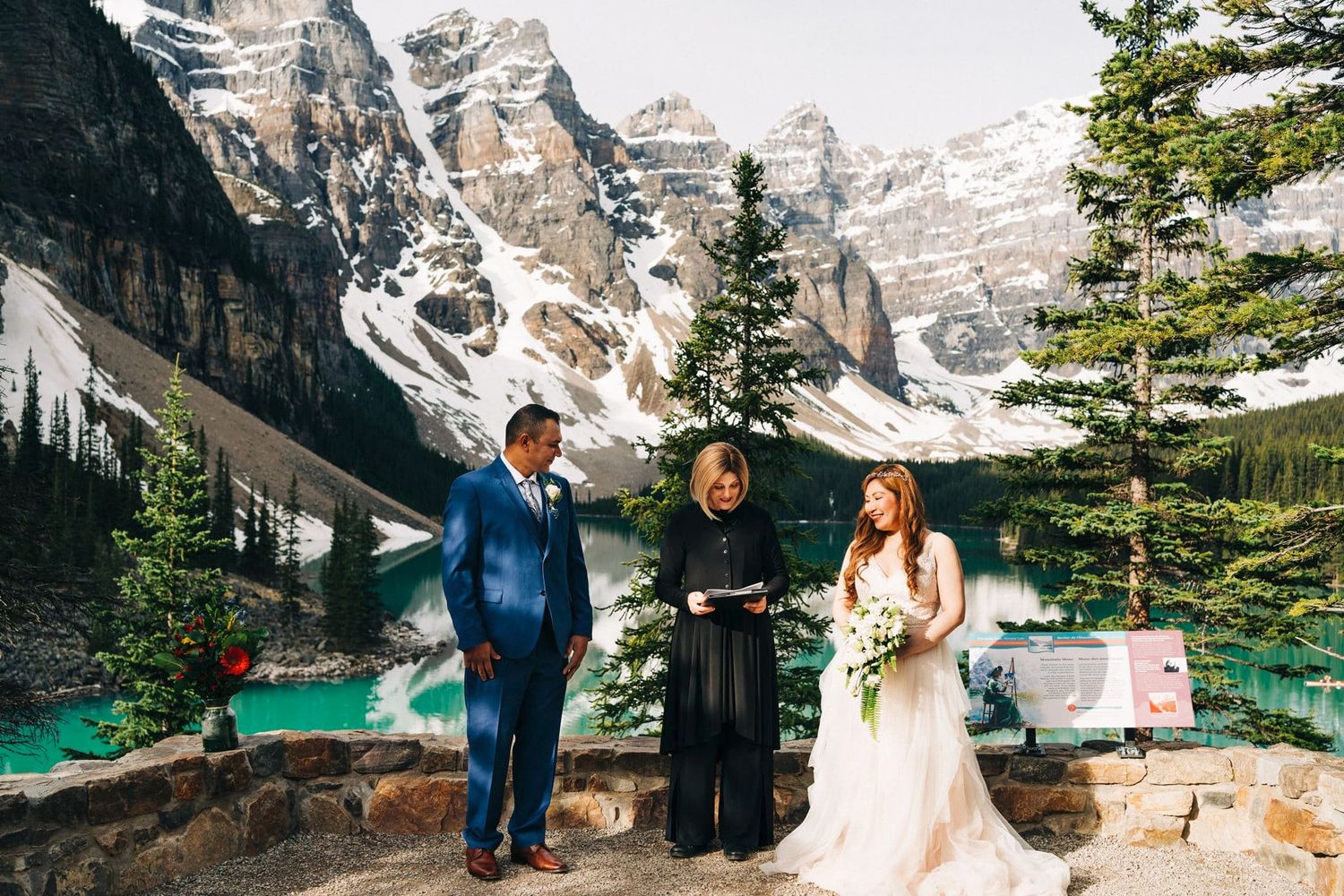
Banff gives you scale that almost feels unreal. Towering peaks, turquoise lakes, forests, stone, fog, snow, wind - every element adds atmosphere. But that same beauty comes with trade-offs. Weather can shift without warning. Popular locations can become crowded. Travel times between ceremony sites, portrait spots, and reception venues are often longer than couples expect.
That is why wedding photography in Banff works best when it is approached like storytelling, not just portrait-taking. A strong gallery should hold both the grandeur of the setting and the intimate truth of the day. The mountains matter, but so does your partner squeezing your hand before the ceremony. So does your family tearing up during a quiet toast. So does the way your dress moves in alpine wind when no one is asking you to pose.
The most meaningful coverage balances both. You want photographs that remember where you were, but even more, how it felt to be there.
A Banff destination wedding photography guide for better planning
The biggest mistake couples make is assuming Banff will do all the work for them. Beautiful scenery helps, but it does not replace thoughtful planning. If you want images that feel effortless, the timeline needs intention.
Start with light. In the mountains, harsh midday sun can create strong contrast, especially near reflective rock, open lakeshores, or bright snow. Golden hour is still beautiful here, but because mountains block light earlier in some areas, you cannot rely on a generic sunset estimate. Your photographer should know how the terrain affects actual shooting conditions at your specific location.
Then think about movement. A destination wedding day often includes travel between lodging, ceremony, portraits, and reception. What looks close on a map may take longer because of traffic, parking, shuttle coordination, or the simple reality of getting a dressed wedding party from one place to another. Building margin into the day protects more than the schedule. It protects your emotional energy.
There is also the question of what kind of experience you want. Some couples imagine a private first look and portraits in a quiet place before guests arrive. Others would rather stay fully traditional and keep the anticipation for the ceremony. Neither is better. It depends on whether you value more portrait time, a calmer timeline, or that first aisle moment. Good planning starts with your priorities, not someone else's wedding checklist.
Choosing the right locations without overfilling the day
Banff offers no shortage of iconic spots, but more locations do not automatically mean better coverage. In fact, trying to fit too many places into one wedding day often creates stress that shows up in the photos.
Usually, one meaningful portrait location and one ceremony setting are enough. If your venue already has strong views, surrounding forest, or a quiet stretch of trail, you may not need to travel far at all. Some of the most emotionally rich wedding galleries come from staying present in fewer places and allowing moments to unfold there.
If you are dreaming of lake views or mountain overlooks, consider the trade-off between visual impact and time away from guests. A short portrait session nearby may feel more relaxed than a long drive to a famous viewpoint. If epic scenery is central to your vision, it may make sense to schedule a separate couple session before or after the wedding day. That approach often gives you better light, more flexibility, and a calmer wedding timeline.
Weather is part of the story
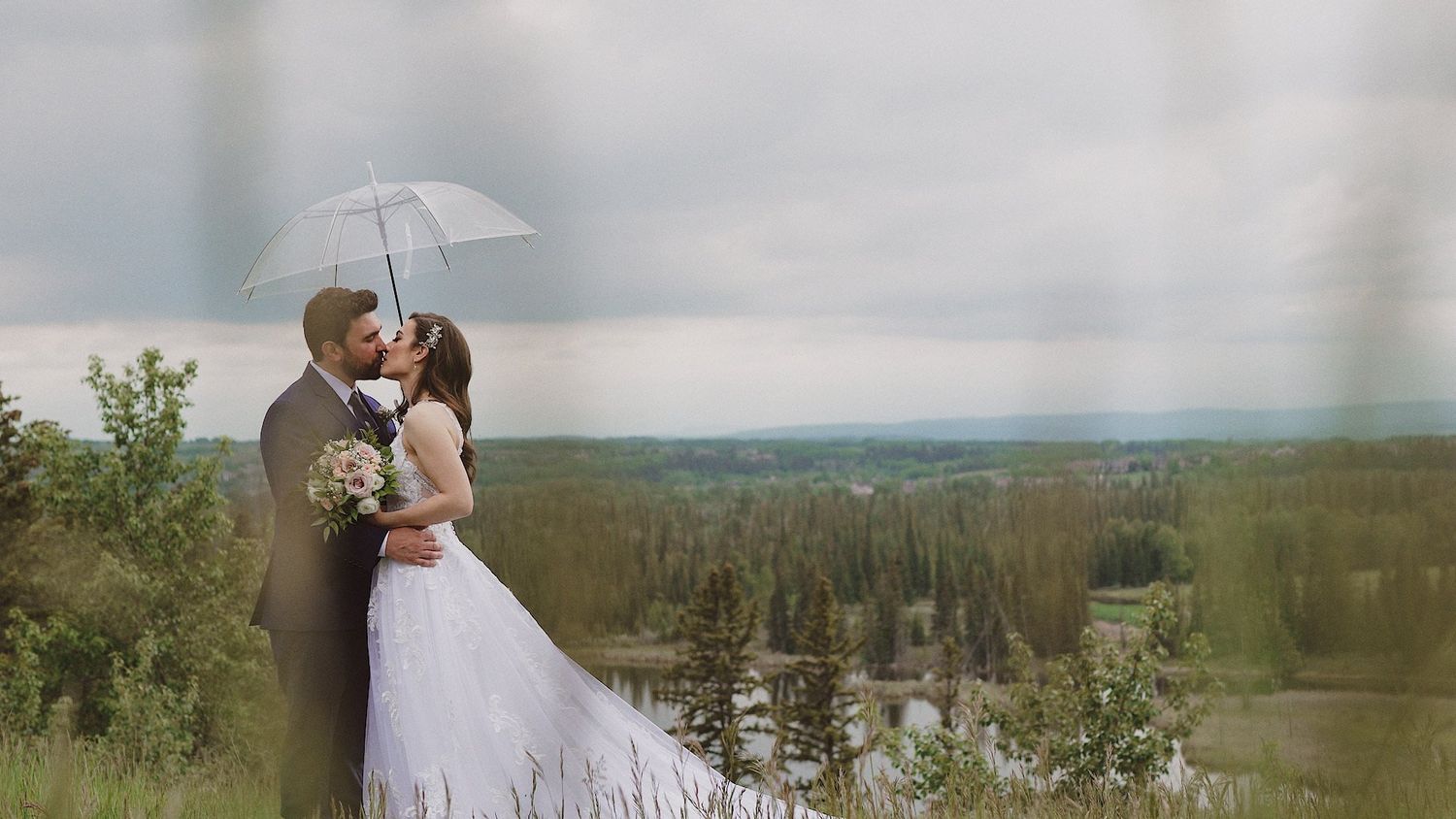
Banff does not promise predictability. Sun can become rain quickly. Wind can rise in an open meadow even when the morning felt calm. In colder months, snow may transform everything in the best way or complicate travel in a heartbeat.
The couples who enjoy their photos most are usually the ones who make peace with this early. Weather in Banff is not always a problem to solve. Sometimes it becomes the thing that makes the images unforgettable. Fog softens the mountains into something cinematic. Light rain can make the day feel intimate and alive. Fresh snow creates quiet that feels almost sacred.
Of course, flexibility still matters. Have a rain plan that you genuinely like, not one you resent. Ask whether your venue has sheltered outdoor spaces, window light indoors, or covered portrait options nearby. Bring footwear that works for uneven ground, and if your dress has a long train, expect that nature may leave its mark. Perfectly untouched is rarely the point.
How to choose a photographer for a Banff wedding
A mountain wedding asks more of your photographer than technical skill alone. Yes, they need to understand changing light, weather, and terrain. But they also need to know when to step in and guide you and when to disappear so the day can breathe.
If you are planning a destination wedding, connection matters as much as portfolio. You are trusting someone not only to create beautiful images, but to carry the emotional memory of a day you may never repeat in that place again. Look for work that feels alive. Not just dramatic landscapes, but real reactions, movement, atmosphere, and tenderness.
Pay attention to how couples look in their galleries. Do they seem relaxed? Do the moments feel observed rather than manufactured? Can you imagine yourselves inside that style without having to perform for it?
This is also where experience in Banff truly helps. A photographer familiar with the area can guide location choices, travel timing, weather backup plans, and realistic expectations. That kind of calm leadership changes the experience of the day. It lets you stay rooted in each other instead of constantly managing logistics.
For couples who want both photo and film, having one aligned team can make the day feel more natural. The coverage tends to move with a shared rhythm, and you are less likely to feel pulled in competing creative directions. For a place as emotionally and visually layered as Banff, that cohesion can make a real difference.
What to wear and how to prepare for natural photographs
The best mountain wedding images feel like you, just elevated by the setting. That usually means choosing pieces that move well, layer well, and make sense for the season.
For couples, wardrobe matters more than many people expect. Banff's environment has texture - stone, pine, water, snow, sky. Clothing that complements those surroundings tends to photograph beautifully. Movement matters too. Flowing fabrics catch wind in a way that feels cinematic, while stiff or overly restrictive outfits can make portraits feel more posed than intended.
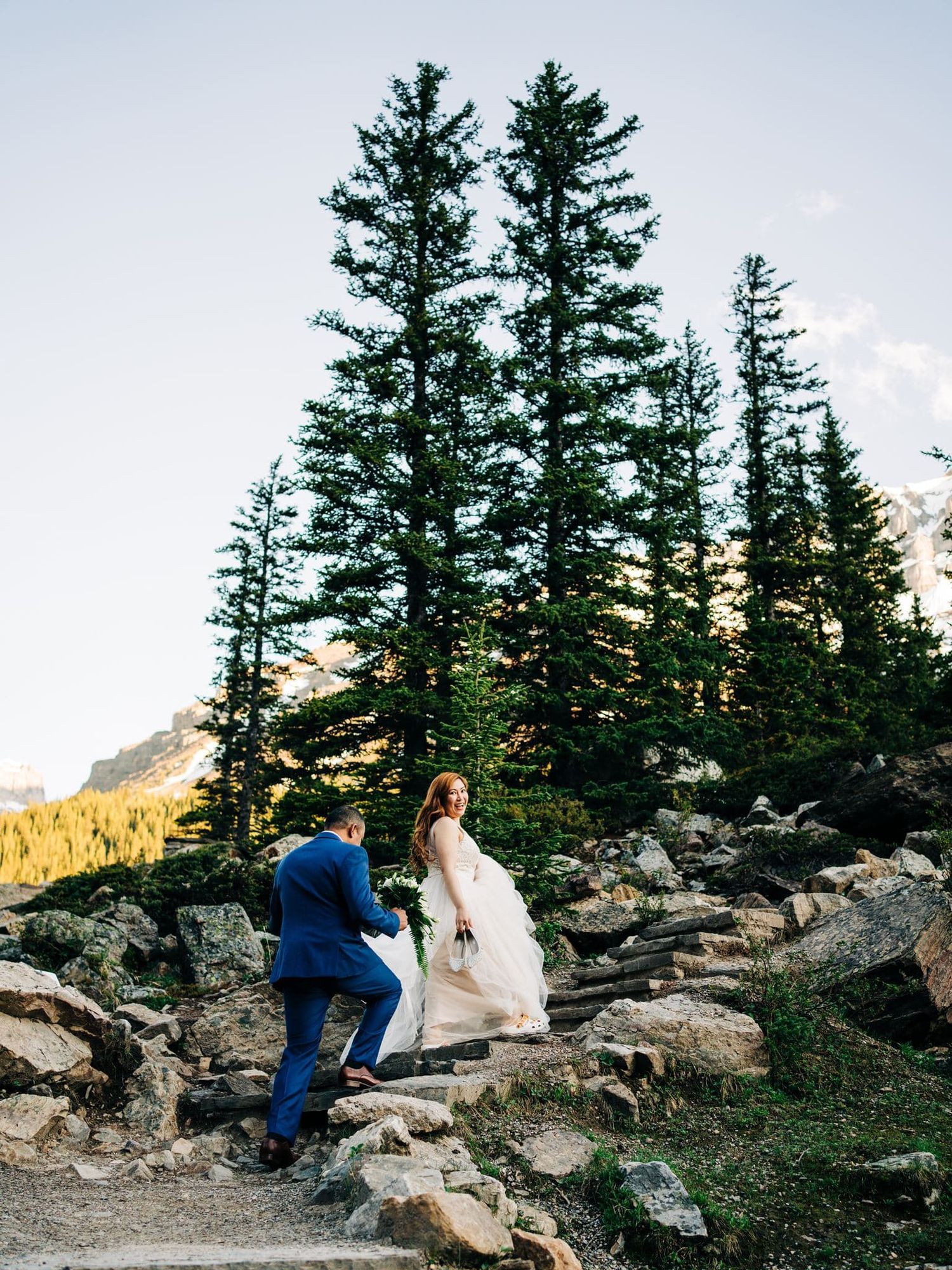
Comfort should not be underestimated. If you are cold, soaked, short of breath, or worried about slipping, it will show. Bring a clean pair of practical shoes if you need to walk to a portrait spot. Consider a wrap, coat, or layered look in colder months. None of this takes away from the beauty of the day. It often makes it possible.
Preparation also means emotional preparation. You do not need to know how to pose all day. You do not need to perform joy or manufacture intimacy. The strongest documentary-style images usually come when couples stay connected to each other rather than to the camera. Talk. Breathe. Touch naturally. Let the day happen.
The photographs you will care about years from now
When couples first picture Banff wedding photography, they often imagine the grand portraits first. And yes, those images matter. They become part of the visual memory of the place and the scale of your commitment.
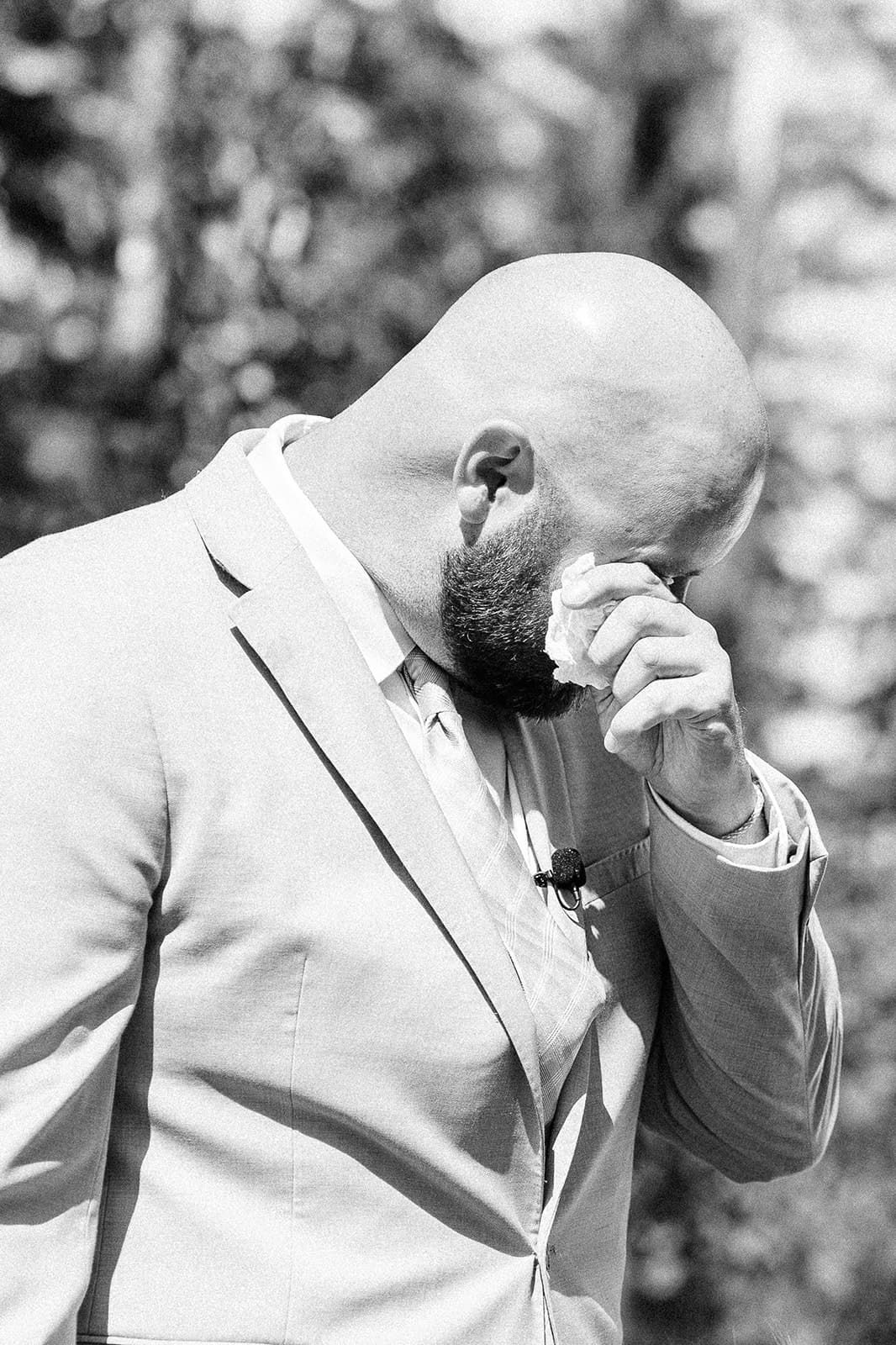
But years later, the photographs that often hit deepest are quieter. Your parent adjusting your jacket with shaking hands. The way your friends doubled over laughing during dinner. The look on your face when the ceremony ended and it finally felt real. These are the pieces of a wedding story that turn images into legacy.
That is why a good Banff destination wedding photography guide should never be only about locations or views. It should remind you that the mountains are the backdrop, not the whole meaning. Your wedding is not memorable because it happened somewhere beautiful. It is memorable because something true happened there.
If you plan for honesty instead of perfection, Banff gives back in a powerful way. Let the landscape be wild. Let the weather be itself. Let your day breathe enough for the real moments to find you. That is where the photographs begin to feel timeless.