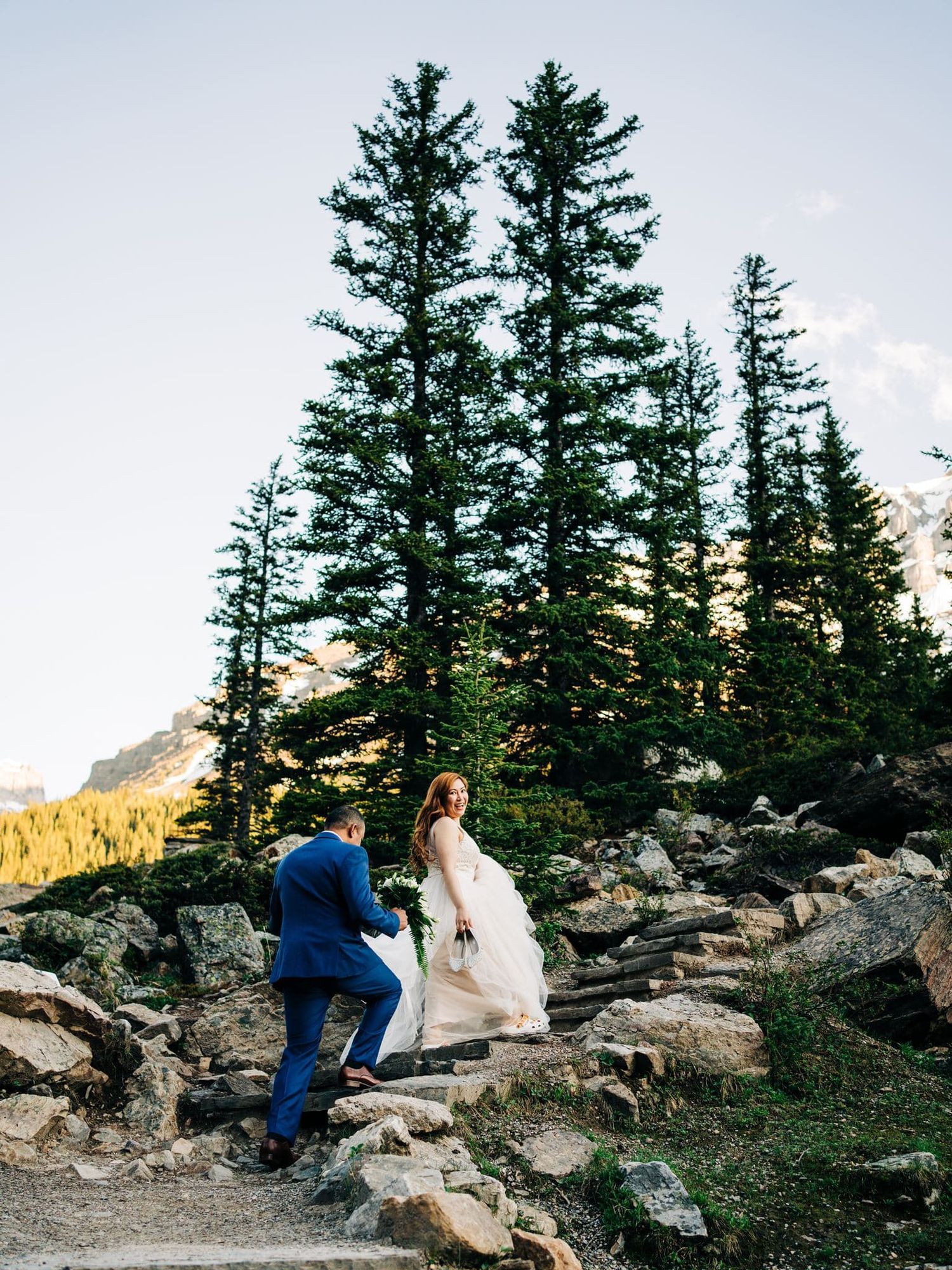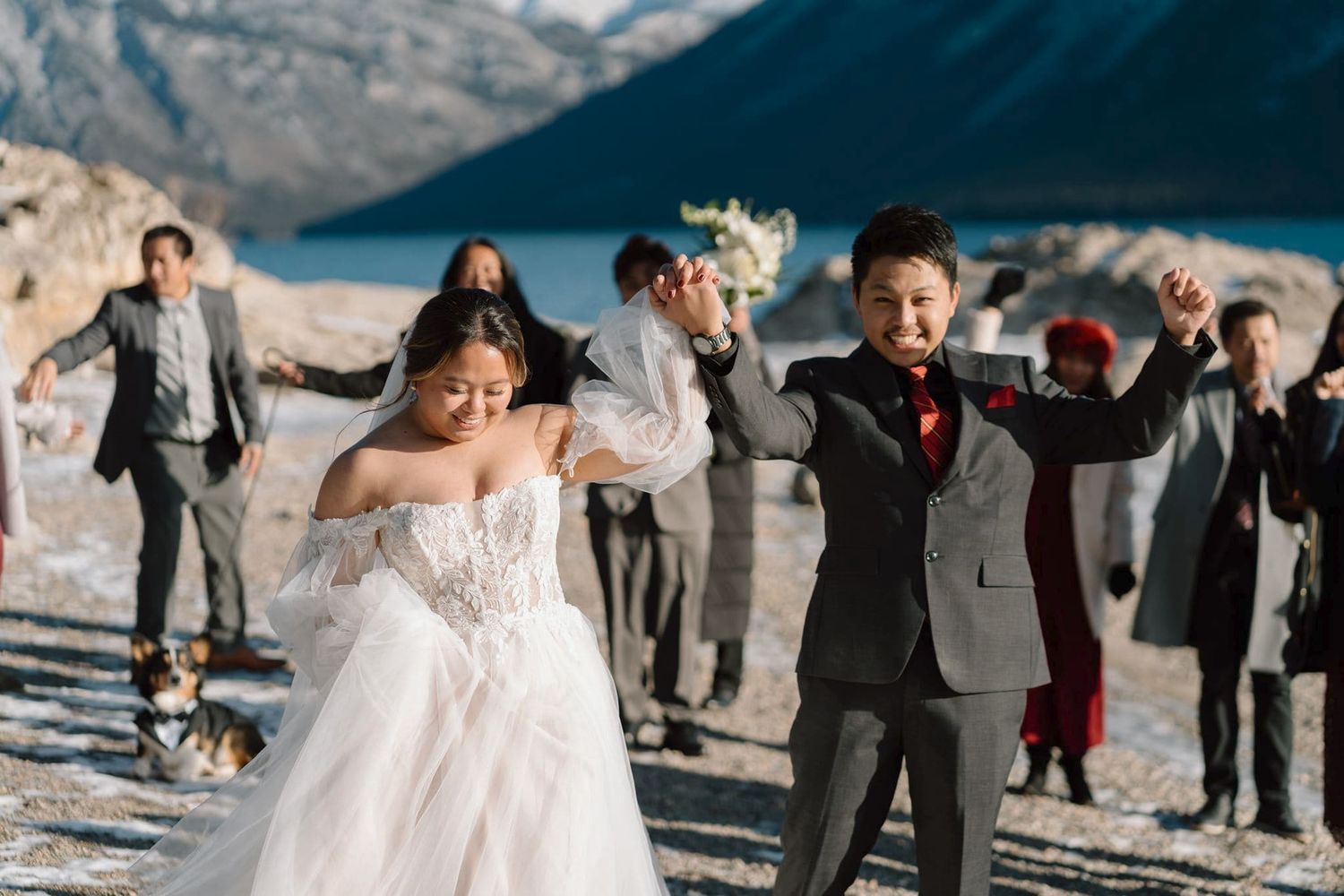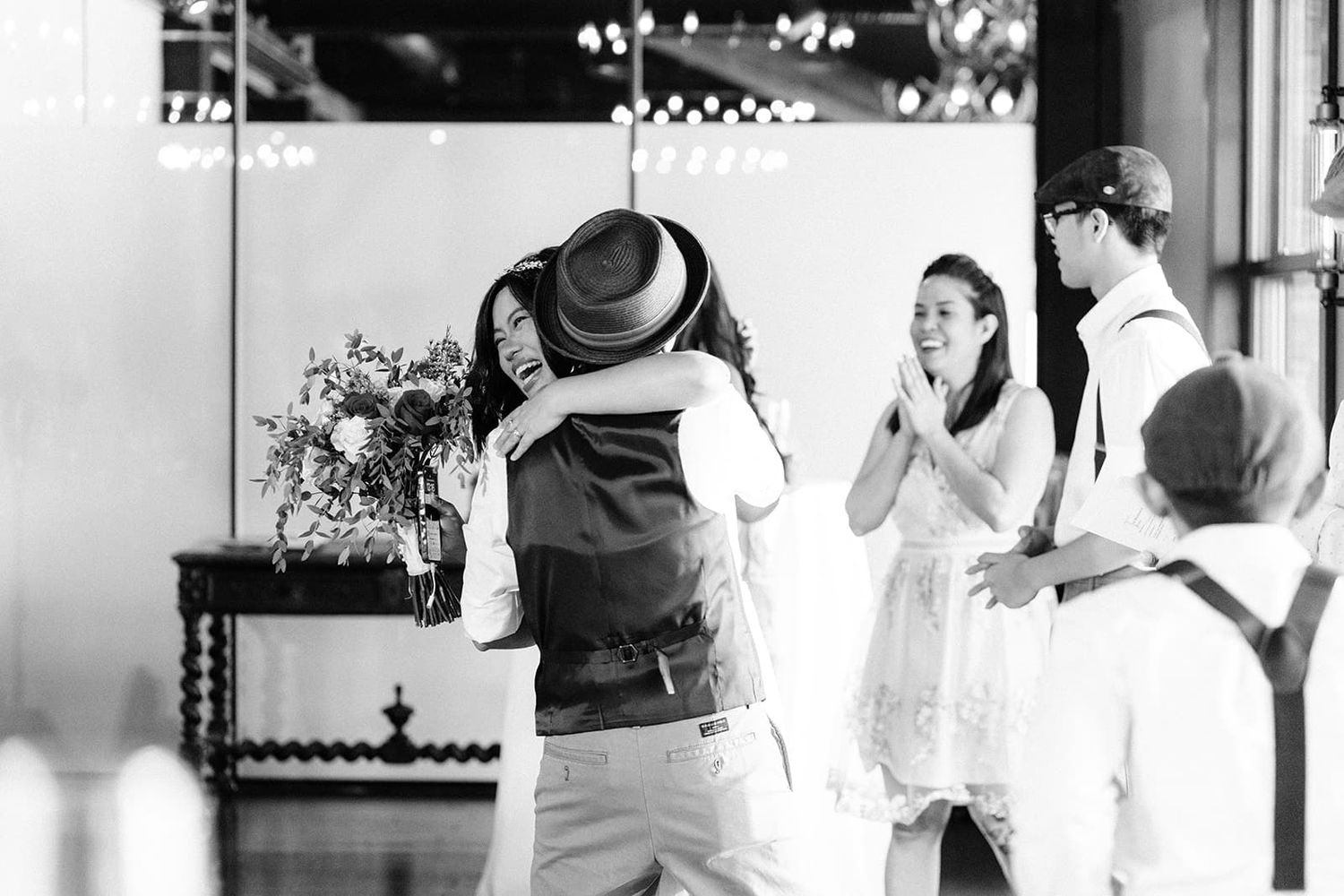
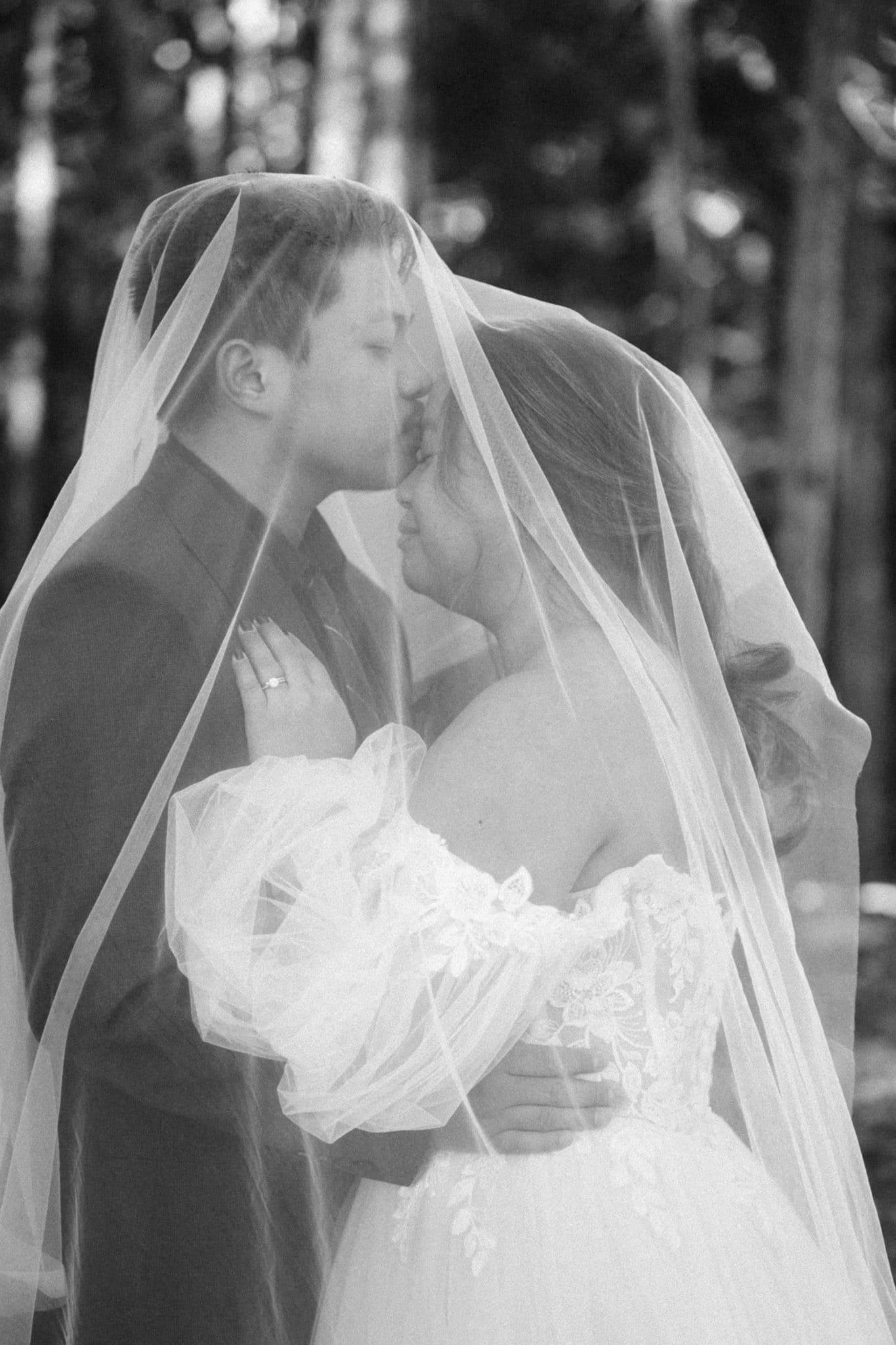
You will likely spend more time with your wedding photographer on your wedding day than with almost any guest. They are there while you button your dress, steady your nerves, wipe happy tears, and step into the blur of everything you have been planning for months. That is why learning how to choose wedding photographer coverage is not just about liking pretty images. It is about choosing the person who will witness your day closely and preserve how it truly felt.
The right fit is rarely the photographer with the trendiest edit or the biggest social following. It is the one whose work makes you feel something, whose presence puts you at ease, and whose approach matches the kind of memories you want to keep. Some couples want a highly directed experience with polished portraits and clear posing. Others want room to breathe, laugh, cry, and be fully present while the story unfolds naturally. Neither is wrong, but they lead to very different galleries.
How to choose wedding photographer for your kind of day
Start with the experience you want, not just the photos you want. This sounds subtle, but it changes everything.
If you picture a wedding day that feels calm, connected, and real, then a documentary-minded photographer may be the better fit. They will still guide you when needed, especially during portraits or family photos, but they will not turn your day into a nonstop production. If, instead, you want more structure and frequent direction, you may feel safer with someone whose style is more editorial or traditional.
This is where many couples get stuck. They save images from dozens of weddings and assume all good photographers can create all styles equally well. Most cannot, at least not with the same confidence. A photographer can appreciate candid moments without truly specializing in them. They can post one dramatic mountain portrait without building full galleries that carry that same emotional depth from start to finish.
Look beyond your favorite five images on a homepage or social feed. Ask yourself what happens in the quiet in-between moments. Can this photographer handle the morning nerves, the fast-moving ceremony, the complicated family dynamics, and the fleeting glances during dinner? A wedding is not a styled shoot. It is a living, emotional event.
Look at full galleries, not highlight reels
One of the most practical ways to understand how to choose wedding photographer professionals is to ask for complete wedding galleries. A full gallery shows consistency. It tells you whether a photographer can handle bright sun, dim reception light, unpredictable weather, messy timelines, and all the transitions in between.
Highlight reels are curated by design. Full galleries reveal truth.
When you review them, notice whether the story feels complete. Do the images only focus on details and portraits, or do they also hold space for parents watching quietly, friends doubling over with laughter, and the way your partner looks at you when no one else is paying attention? Great wedding photography is not just beautiful. It is emotionally coherent.
Also pay attention to skin tones, indoor lighting, and editing style. Some edits are warm and romantic, others are moody, airy, or high contrast. There is no universal best choice. What matters is whether the style still feels timeless to you. Trend-driven editing can be exciting now and tiring later. Your wedding photos should still feel like home when you look at them years from now.
Style matters, but storytelling matters more
A lot of couples begin by saying, "We want candid photos." What they often mean is that they do not want to feel awkward or over-posed. That is a good instinct, but candid is not just a visual label. It is a working method.
A true candid or documentary photographer knows when to step back and when to gently step in. They can read energy. They can sense when a moment needs space and when a little guidance will help you feel natural instead of lost. That balance is what creates images that are both honest and beautiful.
If every image in a portfolio feels heavily styled, perfectly arranged, or disconnected from real emotion, that tells you something. If the work feels alive, layered, and full of personality, that tells you something too.
Pay attention to connection during the inquiry process
The best work often comes from trust. That trust usually starts before you ever sign a contract.
Notice how a photographer communicates when you first reach out. Are they listening, or just sending a price sheet? Do they ask about your relationship, your plans, and what matters to you most? Do they make space for questions, or do you feel rushed toward a package?
This part matters more than many couples expect. On a wedding day, your photographer is not just delivering a service. They are managing energy, reading the room, and supporting moments that cannot be repeated. If communication feels cold or transactional early on, it may feel even more distant under the pressure of a real timeline.
Chemistry is not fluff. It changes how comfortable you feel in front of the camera, how honestly you interact, and how much freedom you have to be yourselves. A husband-and-wife team like Conquer Your Journey can bring an especially grounded dynamic for couples who value collaboration and a more personal connection, but what matters most is that you feel seen and safe with whoever you hire.
Ask questions that reveal how they work under pressure
Instead of only asking about gear or turnaround times, ask questions that uncover how they move through a wedding day.
Ask how they handle late timelines, difficult family groupings, harsh weather, or dark reception spaces. Ask what they do if one partner feels camera-shy. Ask how much direction they give during portraits and whether they help build a timeline that protects space for rest and real moments.
The answers will tell you whether they are simply showing up to document what happens or actively helping shape a better experience. The strongest photographers usually do both.
Budget with honesty, not panic
Budget is real, and it should be treated with respect. But wedding photography is also one of the few parts of the day that grows more valuable over time.
Flowers fade. Food is eaten. The dress gets stored. Your photos and film are what bring the day back.
That does not mean the most expensive photographer is automatically the best choice. It means you should understand what you are paying for. Experience, artistic vision, calm leadership, backup systems, editing labor, and the ability to capture unrepeatable moments all shape pricing. A lower quote may simply reflect less experience or less support behind the scenes.
If you are deciding between options, compare value instead of just hours. A shorter package with a photographer you deeply trust may serve you better than all-day coverage with someone whose work feels generic to you. On the other hand, if your celebration includes multiple locations, cultural traditions, or a large guest count, cutting coverage too tightly can leave important parts of the story undocumented.
It depends on the day you are planning and the memories you care most about keeping.
Consider photo and video together
For couples who know they want both, there is real value in choosing a team that already works in sync. Wedding photography and videography share space all day long. When those artists understand each other's rhythm, your day tends to feel smoother and less crowded.
That does not mean separate vendors cannot work well together. Many do. But a connected team often brings a more unified storytelling approach, especially if you want your gallery and film to feel emotionally aligned rather than creatively disconnected.
If you are considering both, ask how the team coordinates during key moments, how they avoid getting in each other's way, and how they preserve an unobtrusive presence. This is especially helpful for couples who care more about being present than performing for the camera.
Trust your emotional reaction
There is a practical side to how to choose wedding photographer professionals, and you should absolutely review contracts, coverage details, payment schedules, and delivery timelines. But after all of that, there is still one question worth asking.
When you look at their work, do you see yourself in it?
Not literally. Emotionally.
Can you imagine your people, your energy, your quiet moments, and your joy being held with that kind of care? Can you picture yourself relaxing around this person when the day gets fast and full? Do their images feel like memories, or just content?
That instinct matters. Your wedding photographs should not just prove what the day looked like. They should bring you back to what it meant.
Choose the photographer whose work feels honest, whose presence feels grounding, and whose approach gives you room to live your day instead of performing it. Years from now, that is what you will be grateful for.