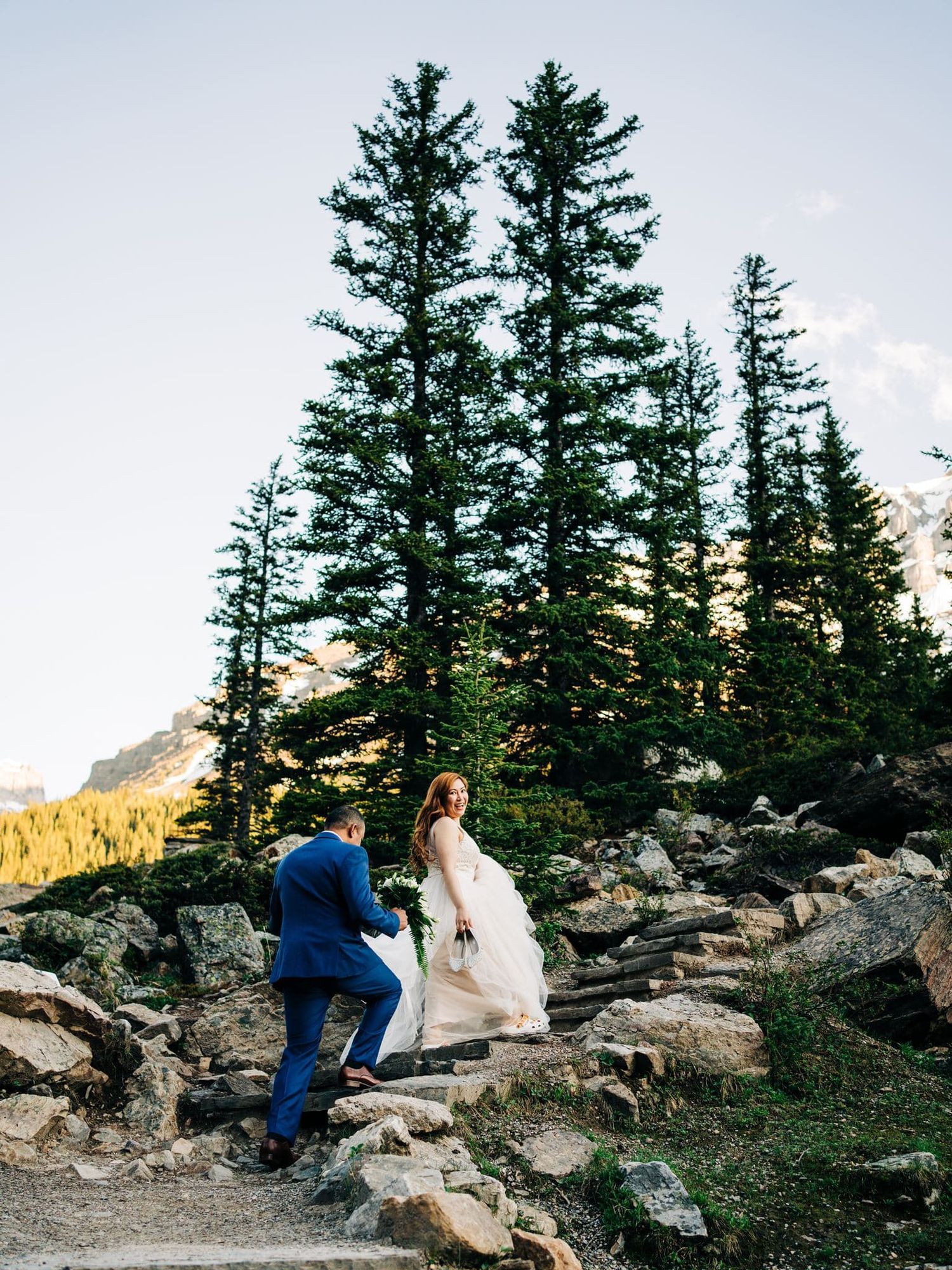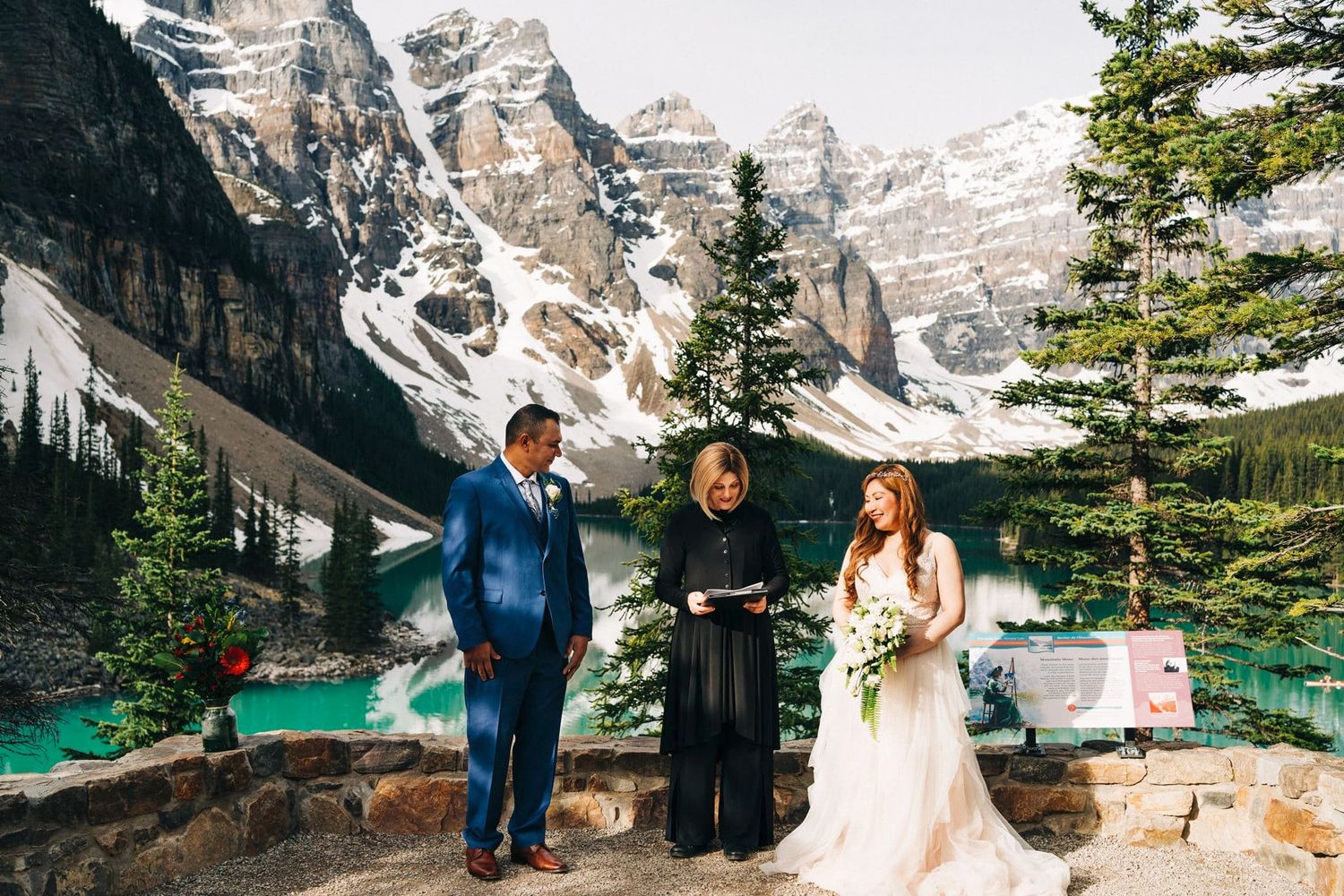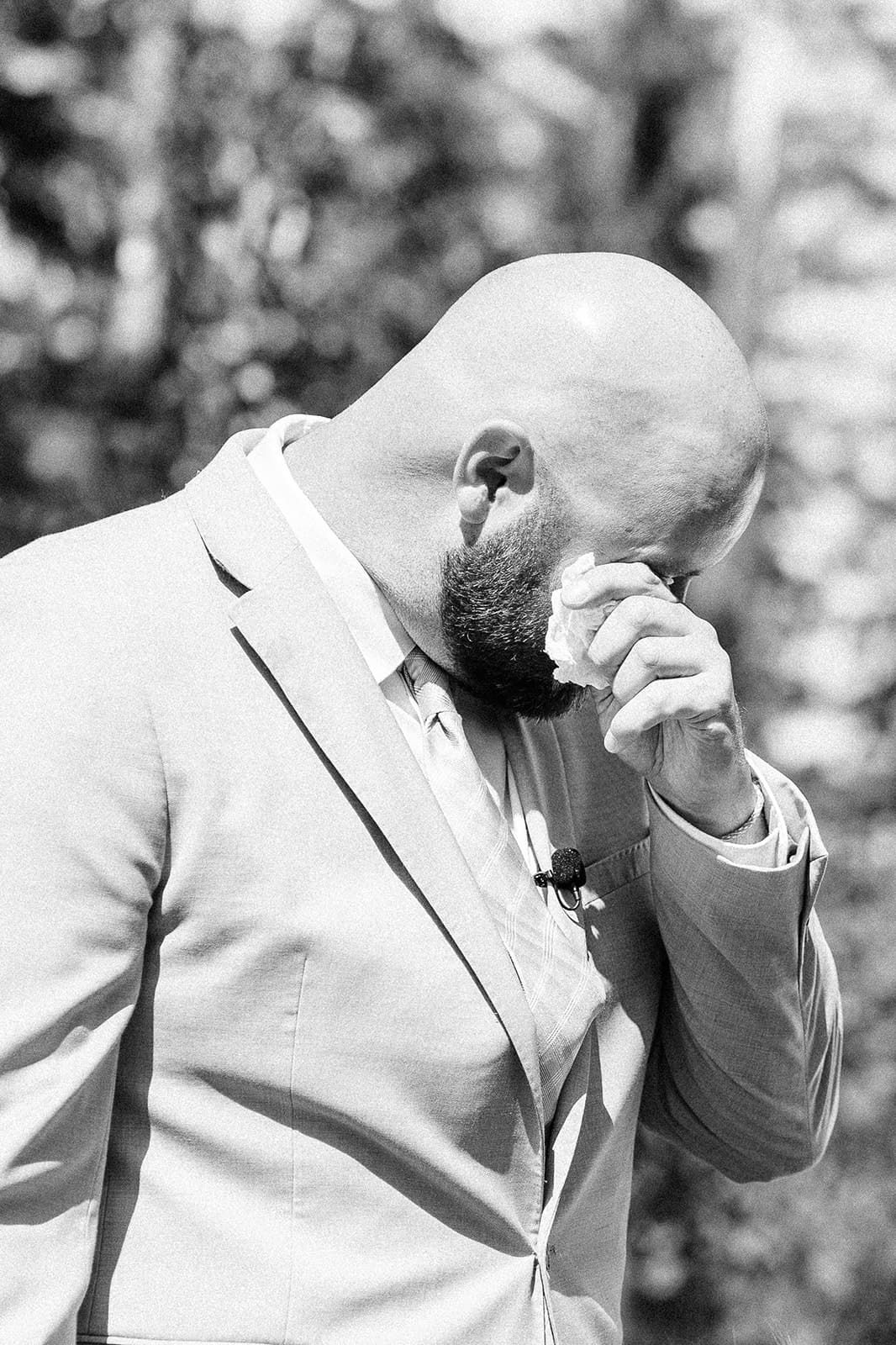
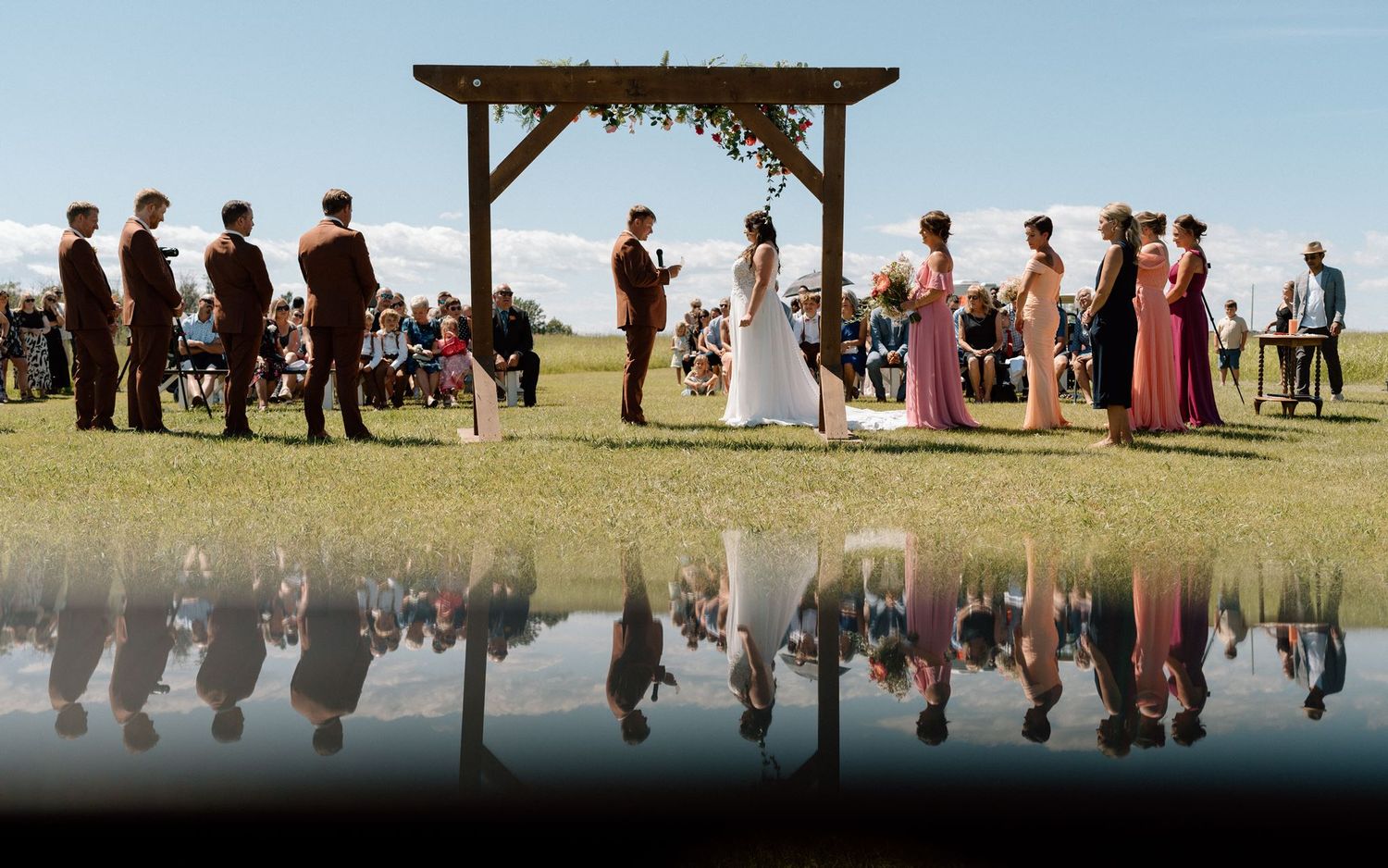
The first time most couples realize how different wedding photography can feel is when they compare two galleries side by side. One looks polished, posed, and editorial. Another feels alive - teary hugs, wind in your veil, your partner laughing during the vows. If you have been searching for wedding photography styles explained, what you are really asking is simpler and more personal: what kind of memories do we want to keep?
That question matters more than trend reports or social media buzz. Your wedding photos are not just for posting the week after the celebration. They become part of your family story. The right style should feel like your day, your people, and your relationship - not a version of you performing for the camera.
Wedding photography styles explained: what actually changes?
When people talk about style, they often mean several things at once. They might be describing how images are shot, how much posing is involved, how the final gallery is edited, or the emotional tone of the work. That is why the same photographer can be called documentary by one couple and artistic by another.
The clearest way to think about it is this: style shapes both the experience and the result. It affects whether your day feels heavily directed or naturally unfolding. It also affects whether your final images lean timeless, dramatic, romantic, or fashion-forward.
Most wedding photographers do not live inside one pure category. The strongest work often blends approaches. A photographer may document the day candidly, then step in with gentle direction during portraits. Another may love editorial composition but still care deeply about real emotion. The key is not finding a label. It is finding a body of work that matches the way you want to remember your wedding.
Documentary wedding photography
Documentary photography is built around observation. Instead of staging every interaction, the photographer watches for what is already happening - your mom fixing your dress with shaky hands, your friends losing it on the dance floor, the split second before you see each other.
This style appeals to couples who value honesty over perfection. The beauty is in the unscripted details. Expressions stay natural because they are natural. The emotional payoff can be huge because the photos preserve not just how everything looked, but how it felt.
There is a trade-off, though. Documentary coverage depends on trust. If you want every image tightly controlled or every group moment arranged with precision, a purely hands-off approach may feel too loose. The best documentary photographers know when to stay invisible and when to guide, especially during family portraits or timeline-sensitive moments.
For couples who care most about story, this style usually feels closest to the truth of the day.
Traditional wedding photography
Traditional wedding photography is more structured. It emphasizes classic poses, clear compositions, and the must-have images many families expect - ceremony processional, formal family groupings, first kiss, cake cutting, and portraits where everyone is looking at the camera.
There is comfort in that predictability. You know key moments will be covered in a clean, recognizable way. Grandparents often love this style because it creates the kinds of images that fit beautifully into frames and albums.
Where it can feel limiting is in spontaneity. If the day is photographed too rigidly, the gallery may capture what happened without fully capturing the energy of it. That does not mean traditional is outdated. It simply means it works best when balanced with candid moments, especially for couples who do not want the day to feel like a long photo session.
Editorial wedding photography
Editorial wedding photography takes cues from fashion magazines. It is intentional, stylized, and often visually dramatic. Posing tends to be more deliberate. Composition, wardrobe, architecture, and negative space often play a bigger role.
This style can create stunning imagery, especially if you love design, statement details, and a refined visual aesthetic. If you are planning a wedding with strong creative direction, editorial photography can honor that beauty in a powerful way.
But editorial does ask something from you. It usually requires more time, more direction, and a willingness to be a little more aware of the camera. For some couples, that feels exciting and elevated. For others, it can pull them out of the moment. If you are naturally expressive and love an artistic edge, editorial may feel thrilling. If you are camera-shy and just want to be present, a softer documentary-led approach may suit you better.
Fine art wedding photography
Fine art photography overlaps with editorial in some ways, but the feeling is different. Fine art often leans luminous, romantic, and carefully composed. Light is everything. Details are photographed with tenderness. The overall result tends to feel soft, elevated, and timeless.
This style is often appealing to couples who want their wedding captured with beauty and delicacy, especially in gardens, estates, mountain settings, or light-filled venues. In places like Banff or Canmore, where the landscape already carries so much emotion, fine art imagery can feel deeply atmospheric.
The question to ask is whether you want your gallery to prioritize polish or pulse. Fine art can absolutely include genuine emotion, but some photographers working in this style place greater emphasis on visual perfection than on raw unfolding moments. It depends on the artist.
Dark and moody wedding photography
Dark and moody photography uses deeper tones, richer contrast, and a more dramatic emotional palette. It can feel cinematic, intimate, and slightly more atmospheric than airy, light-filled editing.
For evening celebrations, candlelit receptions, forest venues, or couples drawn to a moodier aesthetic, this style can be incredibly striking. It often adds depth and gravity, giving images a sense of weight and feeling.
The trade-off is longevity of taste. Some couples adore bold editing now but later realize they miss natural skin tones or a more timeless finish. That does not make dark and moody a bad choice. It just means you should look at full galleries, not highlight reels, and ask yourself whether you will love that look years from now in every season and lighting condition.
Light and airy wedding photography
Light and airy photography feels bright, soft, and romantic. Whites are often clean and luminous, colors are gentle, and the overall tone is optimistic and delicate. It has been popular for years because it feels fresh and flattering.
This look pairs beautifully with outdoor ceremonies, pastel palettes, and couples who love an elegant, easy sense of beauty. It can make a wedding feel dreamlike without becoming overly dramatic.
Still, light and airy editing can sometimes wash out depth if pushed too far. The strongest photographers keep the softness while preserving emotion, texture, and true-to-life color where it matters. If you love this style, pay attention to whether the gallery still feels grounded and human rather than overly bright.
Lifestyle and hybrid styles
Many couples end up choosing a photographer whose work is best described as hybrid. That usually means documentary storytelling with light direction, or classic coverage blended with candid and artistic moments. In practice, this is often the most natural fit.
A hybrid approach gives room for both presence and polish. You can have portraits that feel effortless rather than stiff, family images that are organized without feeling rushed, and candid coverage that still benefits from an experienced artistic eye.
This is especially meaningful if your priority is emotional authenticity. A photographer does not need to leave everything to chance to tell the truth of your day. Sometimes a little direction creates space for genuine connection. A simple prompt, a quiet pause, or a shift into better light can preserve a moment more beautifully without turning it into a performance.
How to choose the right style for your wedding
Start with your reaction, not the label. When you look through a gallery, notice what stays with you. Are you drawn to movement, tears, texture, elegance, drama, softness, or energy? The images you return to usually reveal more than the style names do.
Next, think about how you want the day to feel while it is being documented. Do you want a calm observer, a confident director, or someone who can move between both roles? This part matters because your experience with the camera will shape your memories too.
It also helps to consider your venue, timeline, and personalities. A fast-moving celebration with a packed guest list may benefit from a documentary-forward photographer who thrives in real time. A luxury design-focused wedding with a long portrait window may leave more room for editorial creation. Neither is better. They simply serve different priorities.
Most of all, ask to see full galleries. A strong Instagram feed can show style. A full wedding shows consistency, emotional range, and whether the photographer can carry the story from getting ready through the dance floor.
The best wedding photos do more than look beautiful. They bring you back to yourselves - to the nerves, the joy, the relief, the people you love, and the life you were stepping into together. Choose the style that lets you recognize your own story when you look back.