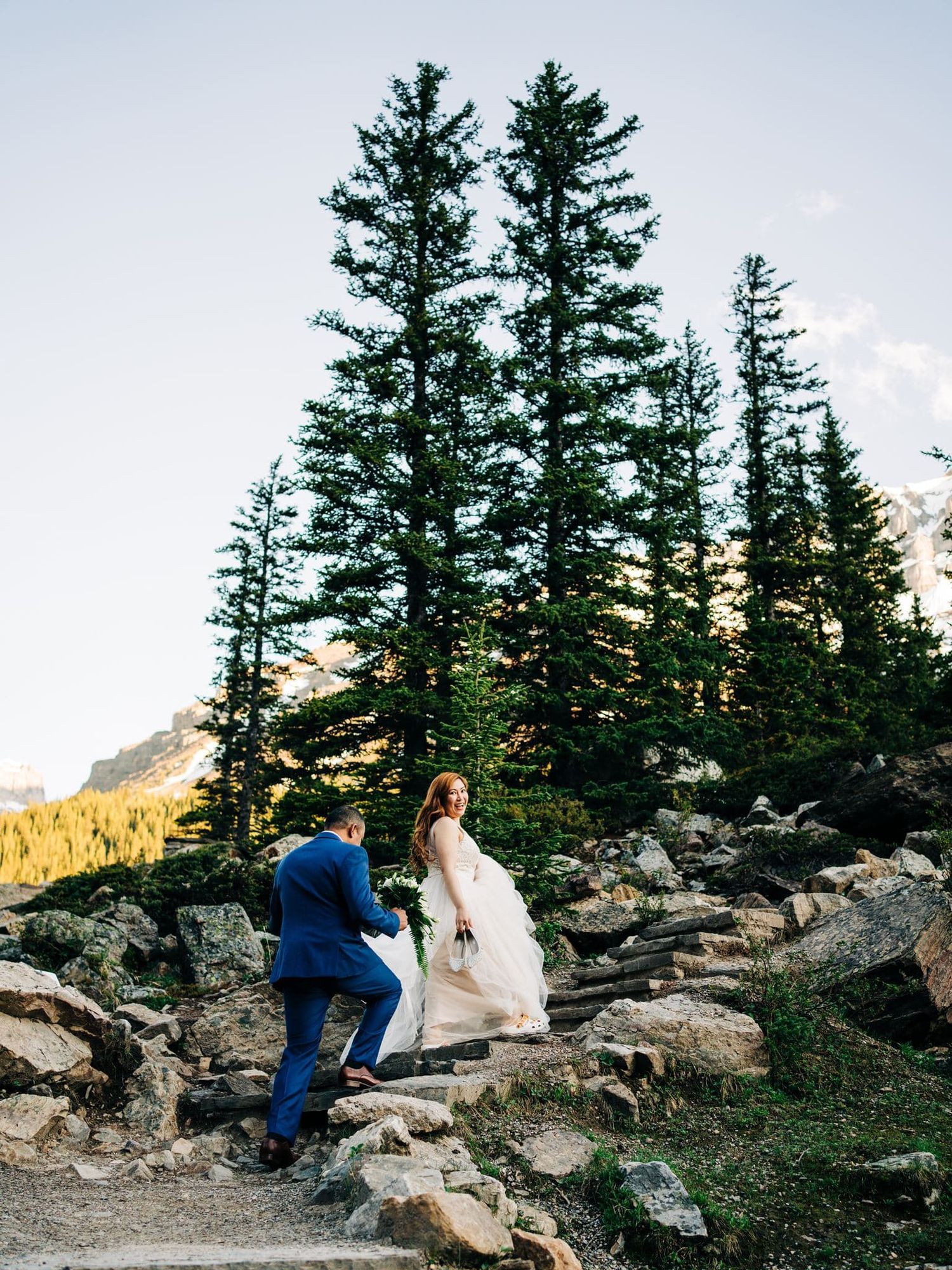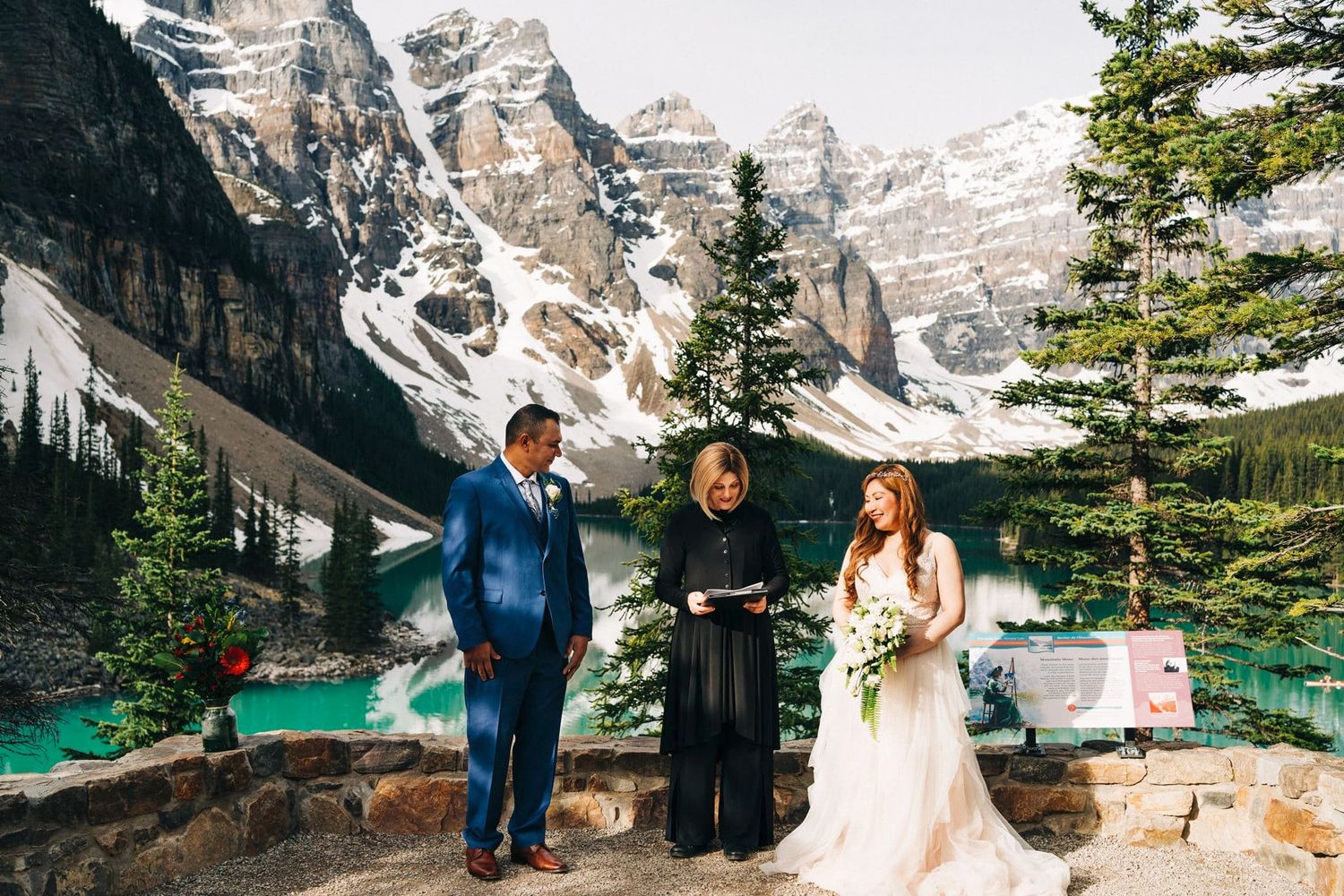
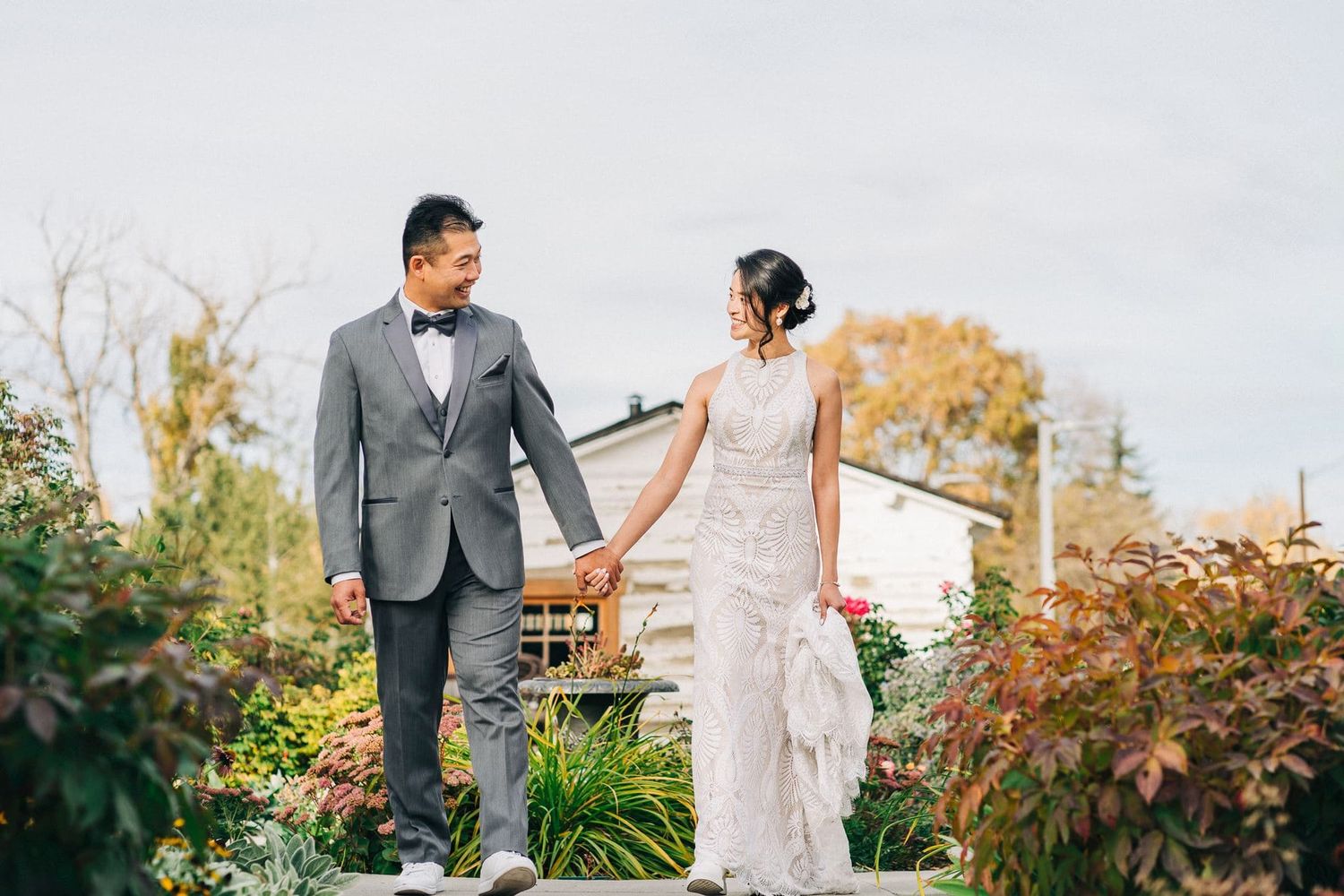
You can usually spot it before anyone says a word - the couple facing the camera, families arranged in neat rows, everyone looking polished, composed, and ready. If you have been asking what is traditional wedding photography, that image is the clearest place to start. It is a style built around direction, posing, and creating classic portraits that feel formal, timeless, and intentional.
For some couples, that structure feels reassuring. For others, it can feel a little too controlled for a day they want to remember as real, emotional, and alive. Neither response is wrong. The right fit depends on how you want your wedding day to feel while it is happening, and how you want it to live on in your photographs afterward.
What is traditional wedding photography?
Traditional wedding photography is a posed, guided approach to documenting a wedding day. The photographer takes the lead, arranges people into specific groupings, gives direction on where to stand and where to look, and captures a planned set of images. The focus is usually on clean portraits, important family formals, and key moments photographed in a composed way.
This style became the standard for weddings long before candid documentary coverage became popular. It was designed to create reliable, flattering images of the people and milestones that mattered most. Think of the first kiss captured from a clear angle, the cake cutting paused for the camera, and the family portraits where every face is visible and looking forward.
There is a reason this style has lasted. It gives couples a sense of order, and it creates photographs that older generations often instantly recognize and value. If your parents or grandparents picture wedding photos as formal portraits in an album, they are probably picturing a traditional approach.
How traditional wedding photography works on the wedding day
With traditional coverage, the day usually follows a clearer photographic structure. The photographer may create a shot list in advance, especially for family combinations, wedding party portraits, and ceremonial highlights. Rather than waiting for moments to unfold naturally, they guide many of them into place.
That direction can be gentle or very hands-on. During portraits, you may be told where to place your hands, how to angle your body, when to smile, and when to pause. During family photos, the photographer often manages the whole group, making sure everyone is in the frame and arranged in a balanced way.
Even spontaneous moments can be handled with a bit more control in this style. If the lighting is off or the positioning is awkward, a photographer may stop and reset the scene to get a cleaner image. The priority is usually the final photograph rather than preserving the exact rhythm of the moment as it naturally happened.
That does not mean traditional photography is cold or lifeless. A skilled photographer can still create warmth, elegance, and emotional beauty within a posed framework. It simply means the camera is shaping the experience more actively.
The defining look of traditional wedding photography
The visual language of traditional wedding photography is usually polished and centered. Subjects are often looking at the camera. Backgrounds may be chosen for symmetry or simplicity. Poses are more deliberate than improvised, and the finished gallery often feels tidy, classic, and organized.
You will usually see a strong emphasis on portraits of the couple, full wedding party images, family groupings, and formal versions of major events. The dress is shown clearly. The flowers are held neatly. The composition feels composed rather than discovered.
For couples who love order, elegance, and a sense of ceremony, this can be deeply appealing. There is comfort in knowing the important people were photographed clearly and that the must-have images were intentionally created.
Why some couples still love it
There is a reason traditional wedding photography continues to matter. It offers clarity. It offers predictability. It often makes family members feel seen because group portraits are treated as a meaningful part of the day, not an afterthought.
It can also be helpful for large weddings or multigenerational celebrations where formal family photos are a major priority. If you know your relatives will want framed portraits and everyone values a more classic presentation, traditional photography can serve that beautifully.
Some couples also simply feel more confident with guidance. Not everyone wants to be photographed in a fully candid way. Being told where to stand and what to do can remove uncertainty and make portraits feel less intimidating.
Where traditional photography can feel limiting
The trade-off is that posed coverage can interrupt the natural flow of the day. When many moments are directed, staged, or paused for the camera, you may spend less time fully inside the experience. A laugh may be repeated. A hug may be held a little longer than it happened. A moment that was tender in real life can start to feel performative.
This is often the turning point for couples who care deeply about authenticity. They are not just asking how they want their wedding to look. They are asking how they want it to feel. If the answer is relaxed, intimate, and emotionally true, a heavily traditional style may not be the best fit on its own.
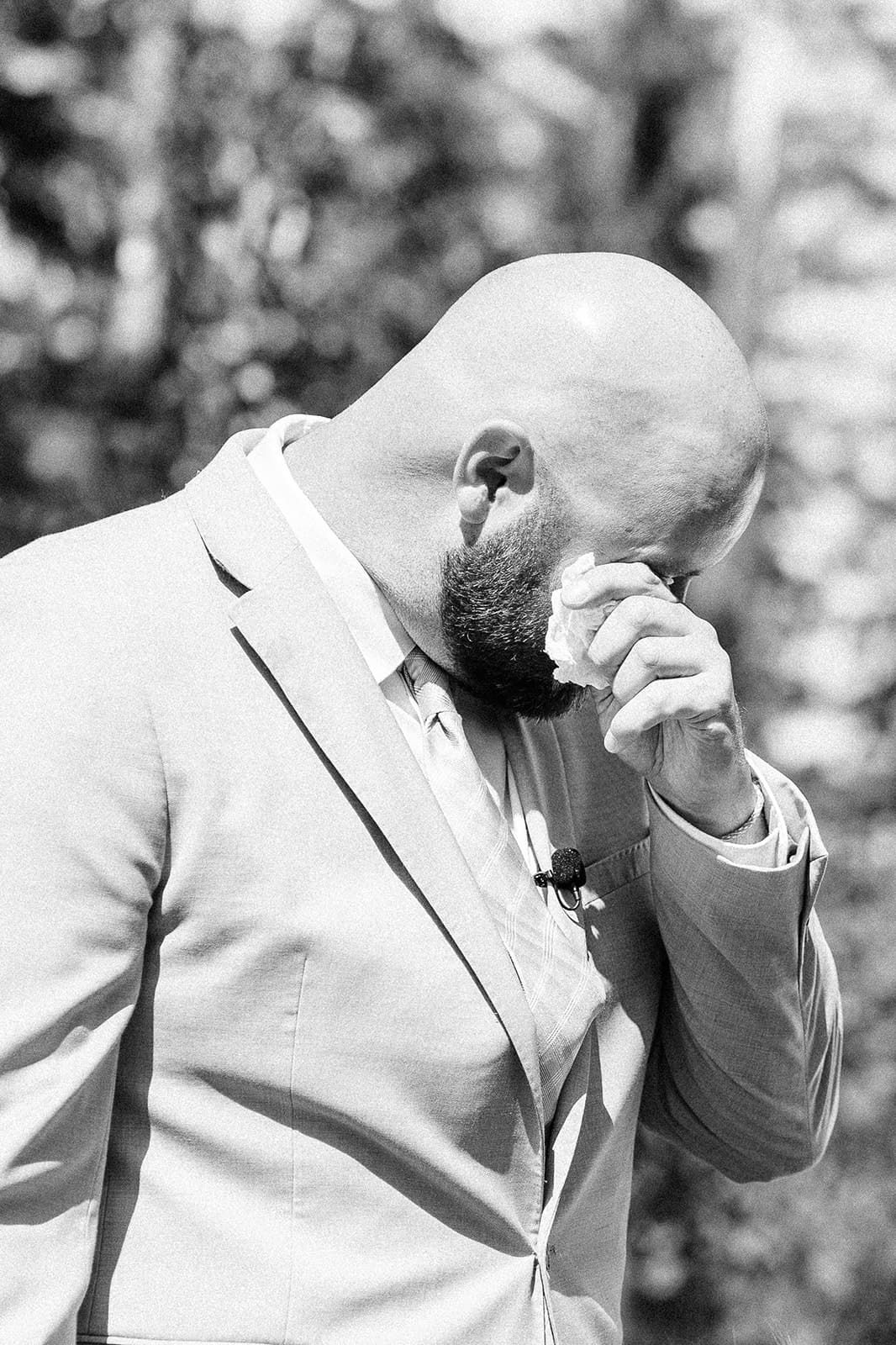
There is also the question of memory. Formal portraits preserve appearance very well, but they do not always preserve atmosphere. They show who was there and what everyone wore, yet they may miss the in-between moments that bring a wedding day back to life years later - a parent steadying their voice before a speech, hands squeezing during the ceremony, the unplanned tears, the fast laughter, the quiet exhale right after "I do."
Traditional wedding photography vs documentary-style coverage
This is where the difference becomes especially meaningful. Traditional wedding photography is centered on direction. Documentary-style coverage is centered on observation. One creates moments with intention. The other protects moments as they unfold.
Neither approach is automatically better in every situation. It depends on what you value most. If you want a gallery built around formal portraits and carefully arranged images, traditional photography may feel aligned. If you want your wedding story to feel unfiltered and emotionally lived-in, documentary coverage often gives you more of that truth.
Many modern couples are drawn to imagery that feels less stiff and more honest. They want to remember not just how everything looked, but what it felt like to be there. That is why story-driven photographers often lean into movement, emotion, and candid interaction instead of prolonged posing.
At Conquer Your Journey, that philosophy matters because a wedding is not just a sequence of events. It is a chapter in your life, full of fleeting expressions and subtle emotional shifts that cannot be recreated once they pass.
Do you have to choose only one style?
Not always. In reality, many wedding photographers blend approaches. A couple might want documentary coverage for most of the day but still set aside time for traditional family formals. That middle ground is often the most practical choice.
Family portraits are one of the clearest examples. Even couples who want deeply candid coverage usually still want a few intentional images with parents, siblings, grandparents, and their wedding party. Those photos matter. They become keepsakes for generations.
The key is balance. A photographer can move efficiently through formal portraits, then step back and let the rest of the day breathe. That way you still receive the classic images people expect, without turning your wedding into a series of staged setups.
How to know if traditional wedding photography is right for you
A simple question helps: when you imagine looking through your wedding gallery years from now, what do you hope to feel?
If you picture elegant portraits, orderly family photos, and a more formal visual record of the day, traditional photography may be a strong fit. If you care most about candor, movement, and emotional texture, you may want a photographer whose style is more documentary-led.
It also helps to think about your personality as a couple. Do you enjoy being directed and photographed with intention, or do you relax more when you can focus on each other and forget the camera is there? The answer shapes not just your gallery, but your actual wedding-day experience.
There is no gold star for choosing the trendiest approach. The best style is the one that protects what matters most to you.
Traditional wedding photography still has a place because weddings hold both legacy and emotion. Sometimes you want the polished portrait for the frame on your parents' wall. Sometimes you want the imperfect, honest image that takes you straight back to the heartbeat of the day. The most meaningful choice is the one that lets your memories feel like your own.