A wedding photograph can be technically perfect and still leave you cold. It may show every detail of your dress, every person looking polished, every smile placed exactly where it was asked to be. But years later, the image that brings everything rushing back is often the one where your dad is trying not to cry, your partner exhales before the ceremony, or your friends lose themselves on the dance floor. That is where the conversation around photojournalism versus portraits becomes deeply personal.
This is not a choice between beautiful images and meaningful ones. The best wedding coverage makes room for both. The real question is how you want to spend your day, how much direction feels natural to you, and what kind of memories you hope your photographs will hold.
Photojournalism Versus Portraits: What Is the Difference?
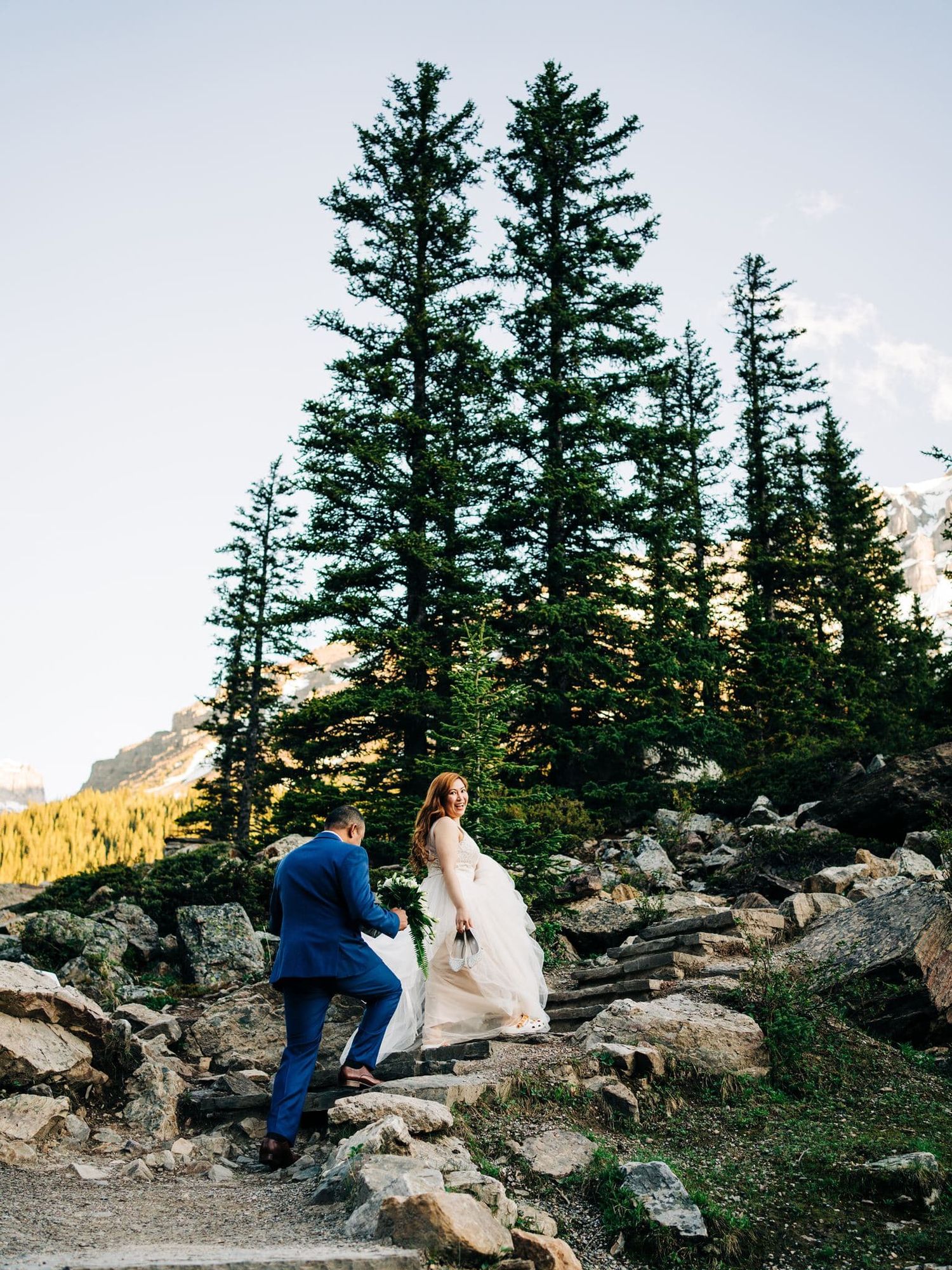
Photojournalistic wedding photography is rooted in observation. Rather than arranging a moment, the photographer pays close attention to what is already unfolding: the hand squeeze before the aisle walk, the glance between siblings during a toast, the way your guests react when you make your entrance. The goal is to document emotional truth with a light footprint.
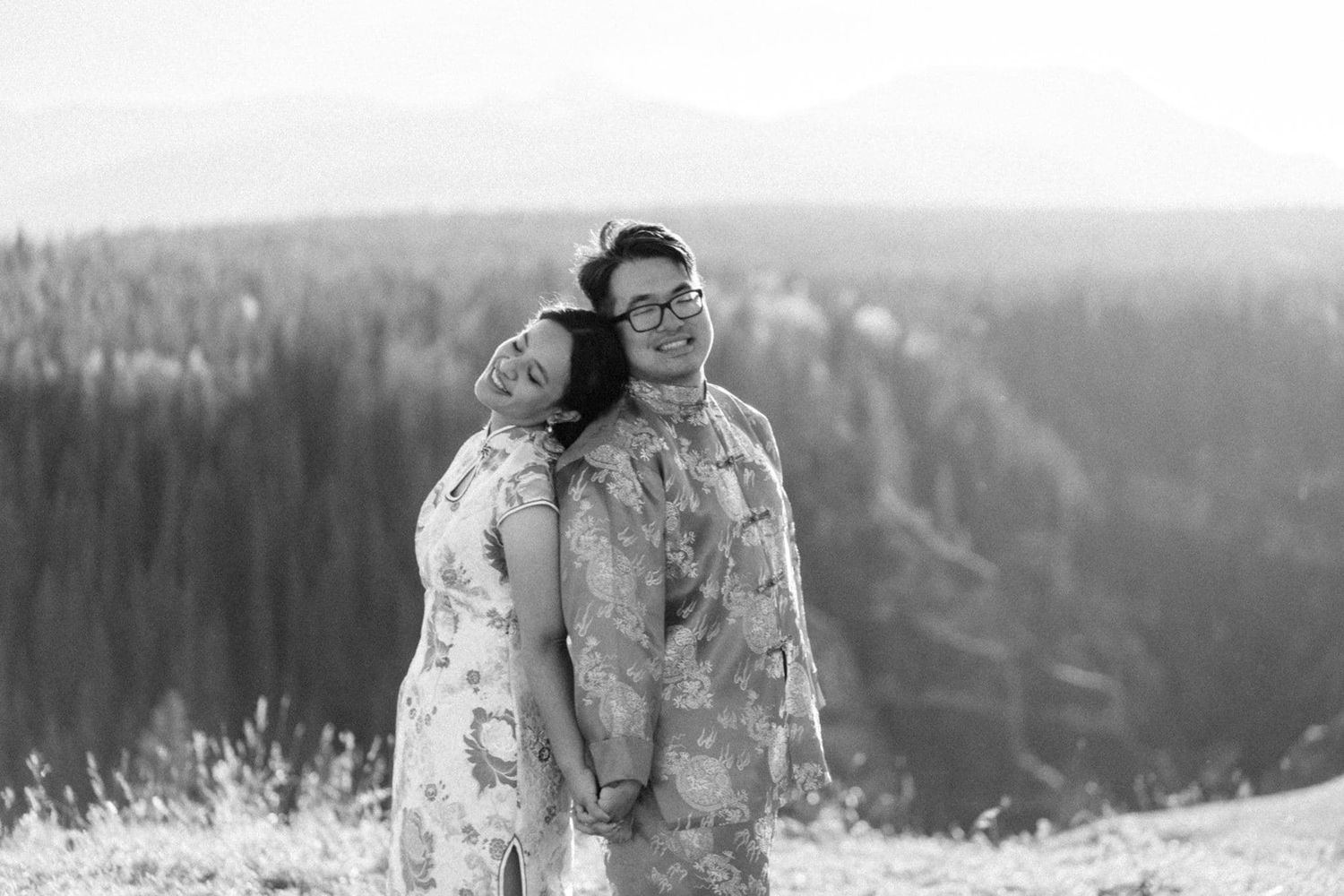
Portrait photography is more intentionally directed. Your photographer may choose the background, adjust your posture, place you in flattering light, and give you simple prompts or instructions. This approach creates composed images where you and the people you love are clearly seen, often with a more editorial or classic feel.
Neither approach is more valid. A quiet documentary frame of your grandmother laughing can carry enormous emotional weight, while a carefully created portrait of the two of you against the Rocky Mountains can become an heirloom on your wall. What matters is whether the approach protects the experience you want to have.
What Photojournalism Feels Like on a Wedding Day
True photojournalism asks you to be present rather than camera-aware. Your photographer is still working with intention, reading the room, anticipating movement, and looking for clean light and meaningful composition. But instead of calling attention to the camera, they let life happen in front of it.
For couples who dislike being watched or worry they will feel awkward in photos, this can be a relief. You do not have to keep wondering where to put your hands. You can hug your people for as long as you need to. You can let a toast surprise you. You can have a slightly chaotic, joyful getting-ready room without feeling that every moment needs to be corrected before it is photographed.
The trade-off is that documentary images cannot be manufactured on demand. A photographer can anticipate a tear, but cannot ask someone to cry again in exactly the same way. A beautiful candid depends on timing, trust, and a willingness to let the day remain a little unpolished. That is precisely why it feels so alive when you revisit it.
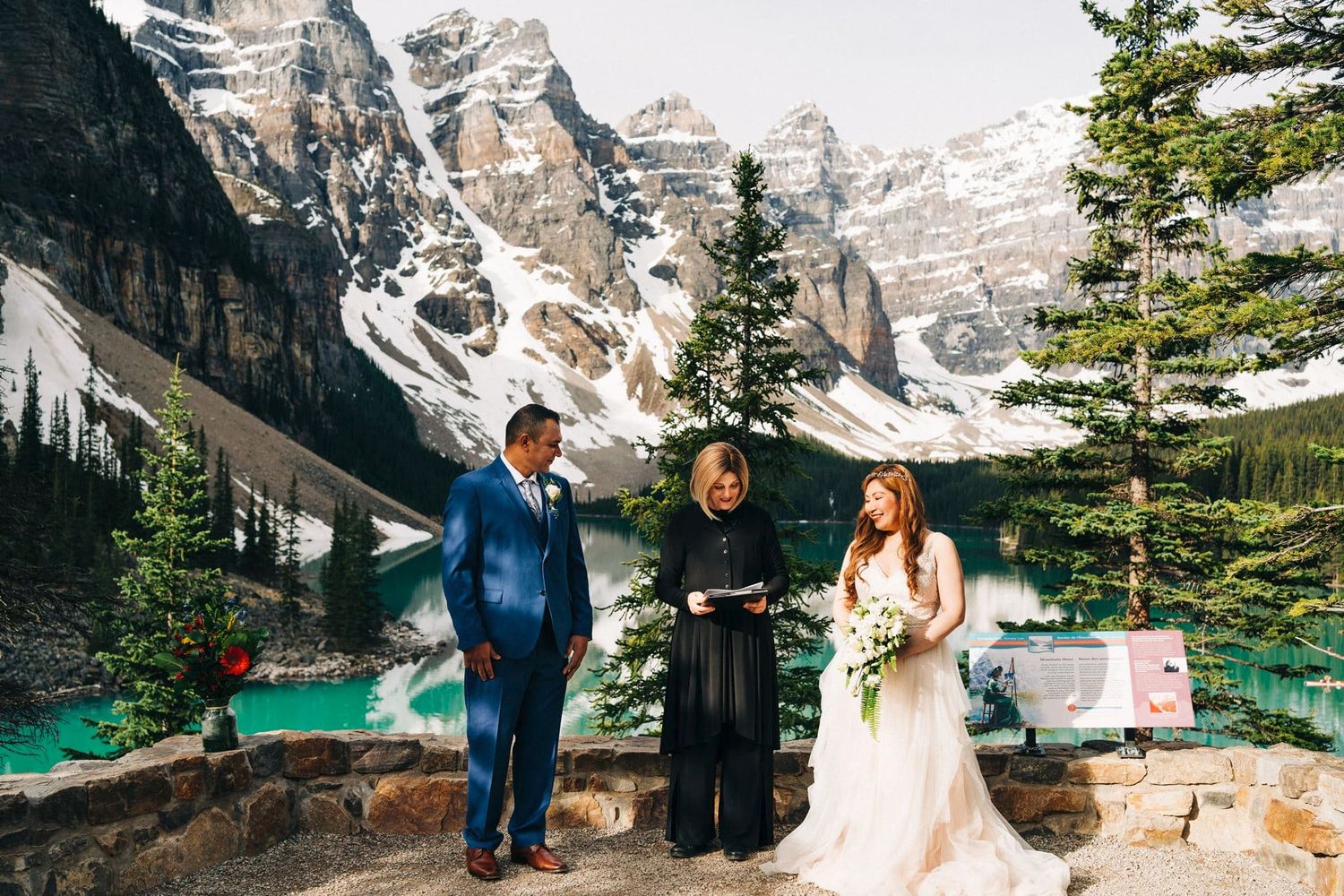
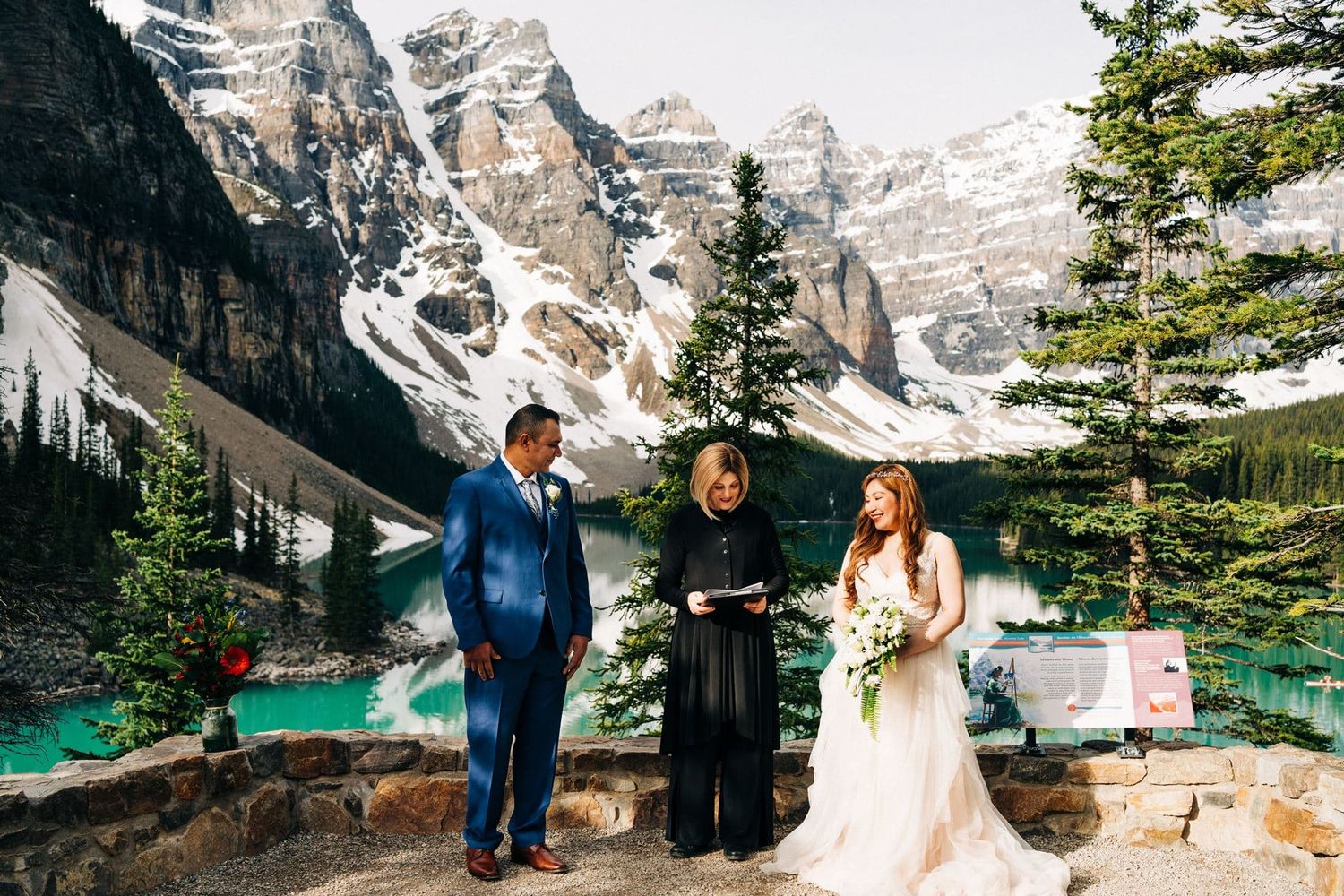
Photojournalism is especially powerful during moments with emotional momentum: the ceremony, parent reveals, cocktail hour embraces, speeches, and the reception. These parts of the day already have a story. They do not need much help from anyone behind a camera.
Documentary does not mean hands-off or careless
There is a common misconception that candid coverage means a photographer simply stands across the room and records whatever happens. Thoughtful photojournalism is far more attentive than that. It requires an understanding of family dynamics, changing light, timelines, and the subtle signals that a meaningful moment is about to happen.
It also requires discretion. A photographer may step close enough to catch your partner's expression during the vows, then quietly move away so you can stay inside the moment. They may notice your mother taking a breath before a first look and choose a position that honors her privacy while preserving the memory. The work is active, even when it feels invisible.
What Portraits Give You That Candids Cannot
Portraits create a pause. On a day that moves quickly, that pause can be valuable. It gives you a chance to look at each other, step away from the noise, and make a few intentional photographs that reflect the setting, design, and significance of the day.
A well-guided portrait session is not about performing perfection. It can be a quiet walk together after your ceremony, a few minutes in soft mountain light, or a chance to gather the people who matter most for photographs that will become part of your family history. These images help future generations put names to faces and see who stood beside you.
Portraits also solve practical needs. Family group photos are rarely spontaneous, especially when you want a frame with grandparents, siblings, and chosen family together. A thoughtful plan brings everyone in efficiently, keeps the process calm, and lets you return to your celebration sooner.
For couples drawn to refined wedding imagery, portraits offer space for artful composition. Your venue, florals, fashion, and landscape were chosen with care. A little intentional direction can honor those details without turning your wedding into an all-day photoshoot.
The difference between direction and stiffness
The problem is not direction itself. The problem is direction that interrupts your emotional rhythm or makes you feel unlike yourselves.
Gentle portrait guidance might sound like, “Take a slow walk together and tell each other what you are most excited for tonight.” It gives you something real to do, rather than asking you to freeze into a pose. It leaves room for your natural expressions, the way you lean toward each other, and the small laughter that appears when you are not trying to create it.
Stiffness tends to happen when the photo becomes more important than the experience. If every few minutes are interrupted for another pose, your guests may begin to feel your absence, and you may remember the day as a series of instructions. The right photographer understands that portraits should support the celebration, not take it over.
Choosing the Right Balance for Your Wedding
Most couples do not need to choose one side completely. A wedding day is layered, and your coverage can be too. The strongest galleries often combine honest documentary coverage with a short, intentional portrait experience.
Start by considering your comfort level. If you love fashion-forward imagery and feel energized by the camera, you may want more time for creative portraits. If you would rather spend cocktail hour with your guests and feel uneasy about posing, a documentary-first approach with a concise portrait window may suit you better.
Then consider the setting. A Banff or Canmore wedding may call for time to photograph the landscape that brought you there. A candlelit restaurant wedding might be less about sweeping scenery and more about the expressions around the table. Both deserve to be captured, but the rhythm should reflect the place and the day you are creating.
Your priorities also matter. If you have a large family, formal photos need a clear plan. If heartfelt speeches are central to your reception, make sure photo and film coverage is positioned to preserve both the speaker and the reactions that give the words their meaning. If you are planning a Same-Day Edit film, candid moments gathered throughout the day become part of a story your guests can feel before the night is over.
How to Ask for the Coverage You Actually Want
When speaking with a photographer or filmmaker, go beyond saying you want “candid photos.” That word can mean different things to different people. Share what you are drawn to and what you want to avoid.
You might explain that you want the anticipation before the ceremony, your guests' reactions during the vows, and the unguarded energy of the dance floor. You might also say that you value a few timeless photos with your parents, wedding party, and partner, but do not want to spend an hour standing in poses.
Ask how they guide portraits, how they manage family photos, and how they work during emotionally sensitive moments. Pay attention not only to the answer but to whether their approach makes you feel relieved. The right team will have a plan without making your day feel overly controlled.
At Conquer Your Journey, we believe the most lasting images happen when you feel safe enough to forget the camera is there. We make space for the portraits your family will treasure, then step quietly back to protect the moments you could never recreate.
Let Your Wedding Be Lived, Not Performed
Your wedding photographs should not ask you to choose between looking beautiful and feeling present. They should hold both: the intentional portrait where you see the beginning of your marriage reflected in each other, and the unscripted frame that reminds you exactly how the room sounded when everyone you loved celebrated around you.
Choose a photography approach that gives you permission to stay close to the people and moments that matter. The truest images are not always the most posed or the most spontaneous. They are the ones that let you return to the feeling of the day, and recognize yourselves there.