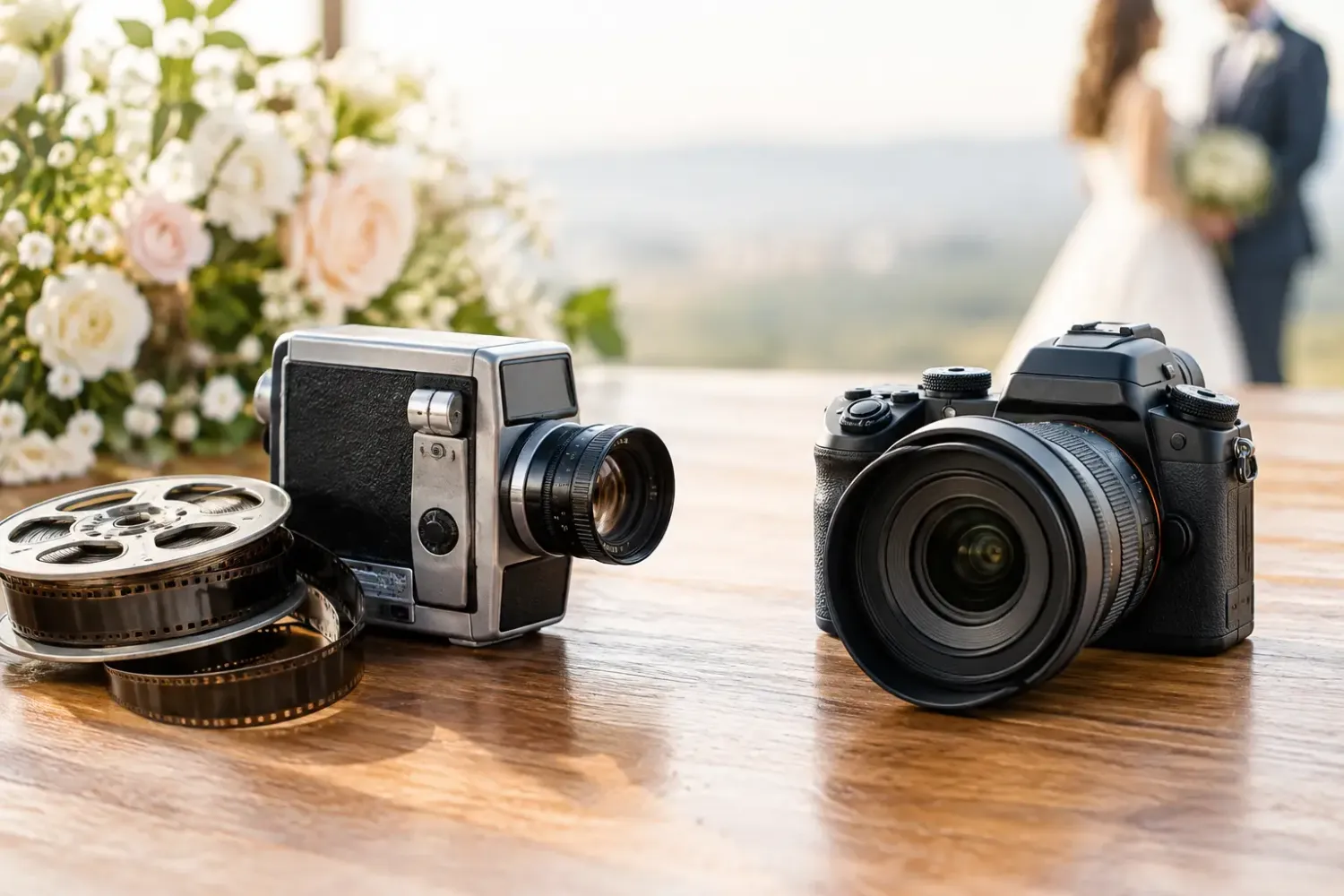
A Super 8 versus digital film conversation is rarely just about image quality. It is about the feeling you want waiting for you years after the last song, the last hug, and the last quiet look across the room. One format can feel like a memory already softened by time. The other can preserve every expression, voice, and movement with cinematic clarity. Neither is automatically more meaningful. The right choice depends on how you want your wedding day to live on.
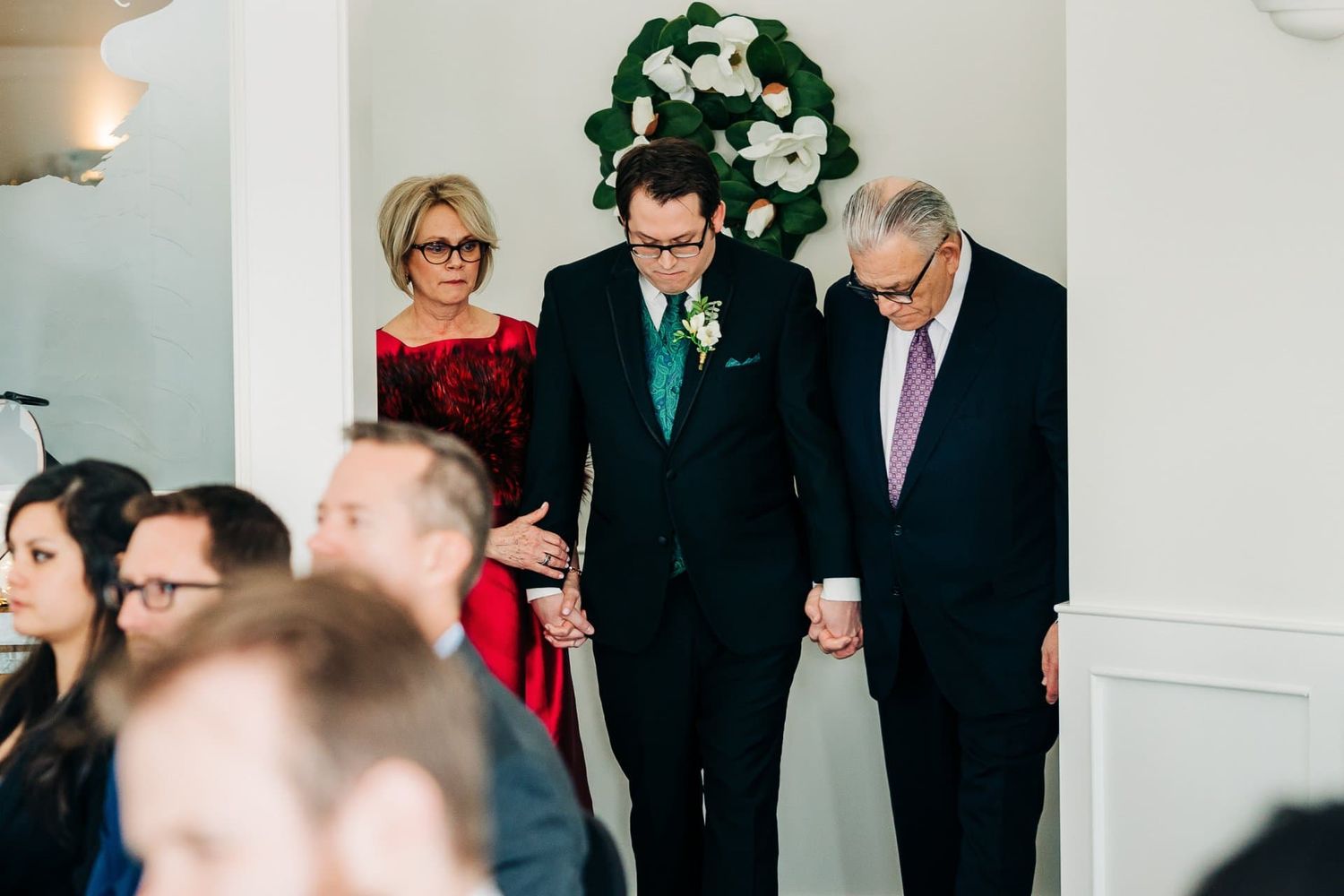
For couples who value real moments over a performance, this decision deserves more than a quick comparison of grain versus resolution. Your wedding film should honor the emotional shape of the day: the shaky breath before the ceremony, the way your parents look at you during your vows, the unplanned laughter that happens when no one is trying to create a perfect moment.
Super 8 Versus Digital Film: The Feeling Comes First
Super 8 is a physical motion-picture format. Its small film frame creates visible grain, soft detail, gentle flicker, and colors that can feel nostalgic and dreamlike. It is imperfect in a beautiful way. A Super 8 clip does not attempt to make a wedding feel larger than life. Often, it makes the memory feel more intimate, like opening a family film reel and being pulled into a moment you thought you had forgotten.
Digital wedding film is recorded with modern cameras and shaped in the edit through intentional framing, sound design, color work, and pacing. It can be cinematic, emotional, and deeply personal without becoming overly polished or staged. Digital simply gives a filmmaker more control over exposure, low-light performance, audio, and the ability to preserve a fuller account of what happened.
The question is not whether vintage texture is better than clean imagery. Ask yourself whether you want your film to feel primarily like a poetic impression of the day, a detailed retelling of it, or a thoughtful blend of both.
What Super 8 Brings to a Wedding Story
There is a tenderness to Super 8 that is difficult to duplicate exactly. It turns small gestures into something timeless: a veil moving in mountain wind, a champagne toast in golden-hour light, hands finding each other during a walk away from the reception. The format invites you to slow down.
Because Super 8 uses real film stock, every second is intentional. There is no endless recording. A filmmaker has to watch closely, anticipate, and choose the right instant to roll. That restraint can create footage that feels observant rather than intrusive, which is especially fitting for couples who want to stay present instead of feeling followed by cameras all day.
It also has honest limitations. Super 8 is generally shot silently, so it cannot replace the spoken vows, toasts, laughter, and ambient sound that give a wedding film its emotional depth. It also has less flexibility in dim reception spaces, rapidly changing weather, or fast-moving moments. Film must be processed and scanned before it can be edited, which means it is not the format for a reception-ready Same-Day Edit.
That does not make Super 8 less valuable. It simply makes it best suited to certain parts of a story. Think of it as a beautiful layer of memory rather than the only way to preserve your day.
When Super 8 feels especially right
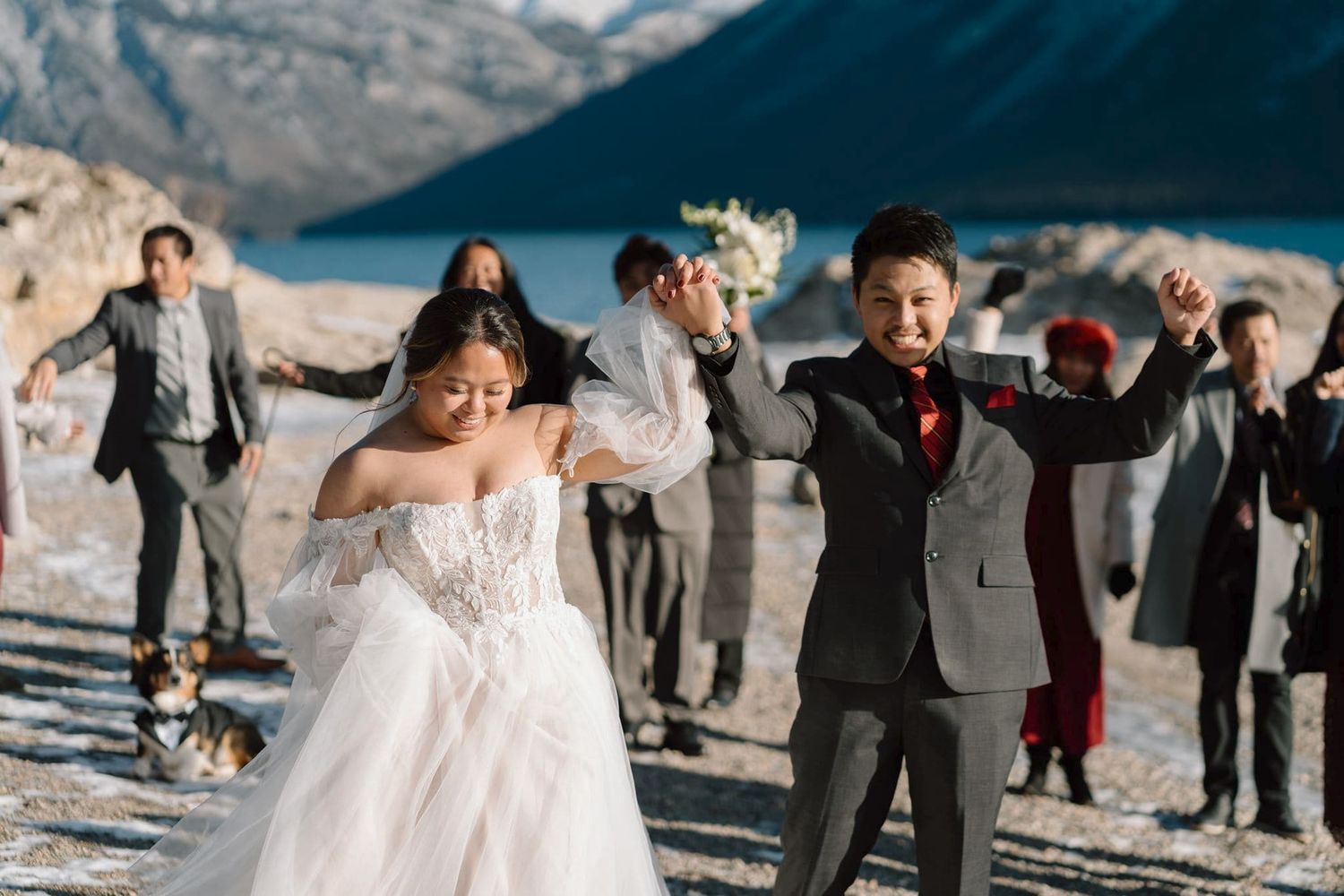
Super 8 can be a natural fit for an outdoor ceremony, a relaxed weekend celebration, a private estate wedding, or a day built around atmosphere and connection. In Banff and Canmore, for example, it can give sweeping landscapes and windblown, unscripted moments a warmth that feels almost painterly.
It is also meaningful for couples drawn to heirlooms. The medium itself carries a sense of permanence because it began as something physical. Even when delivered digitally after scanning, the footage retains the irregularities of real film: the grain, the occasional flare, the subtle reminders that life is not meant to look flawless.
Why Digital Film Holds So Much of the Day
Digital wedding filmmaking is not inherently slick, stiff, or overproduced. In the right hands, it can be quiet and honest. The advantage is not just sharper footage. It is the ability to preserve the parts of a wedding that cannot be recreated.
Digital cameras handle a wide range of conditions, from a bright ceremony in open alpine light to a candlelit reception after dark. More importantly, they allow for reliable audio. Hearing your partner’s voice crack during a vow or listening to a best friend tell a story during a toast can bring you back to the room in a way visuals alone cannot.
Digital coverage also offers greater flexibility for a complete wedding film. A filmmaker can capture longer moments as they unfold, build a story around spoken words, and create an edit with a richer sense of time and place. This makes digital the stronger foundation for couples who want a film that holds both the atmosphere and the full emotional narrative.
For a Same-Day Edit, digital is essential. Creating a cinematic highlight reel while the reception is still unfolding requires footage that can be reviewed, edited, colored, and shared immediately. When the room gathers to watch, the reactions become part of the celebration itself: parents wiping away tears, friends cheering at the first kiss, and the couple seeing their own day reflected back to them before it has even ended.
The Case for a Hybrid Approach
For many couples, choosing between Super 8 and digital does not need to be an either-or decision. A hybrid approach can bring together the strengths of both formats without asking one medium to do a job it was not designed to do.
Digital can carry the narrative: the ceremony audio, vows, speeches, first dance, and all the fleeting interactions that deserve to be heard as well as seen. Super 8 can become the texture woven through it: the anticipation while getting ready, a parent adjusting a sleeve, a just-married walk through the trees, a late-night spin on the dance floor.
The result can feel layered rather than contradictory. Clean digital footage grounds you in the reality of the day. Super 8 adds the sensation of memory, the softness that makes a familiar moment feel newly precious. Used with care, neither format competes for attention. Both serve the story.
How to Choose What Fits Your Wedding
Start with how you want to remember the day, not with a mood board. If the thought of hearing your vows and speeches years from now matters most, digital coverage should be at the center of your film. If you are especially drawn to movement, texture, and a nostalgic visual language, Super 8 may be a meaningful addition.
Then consider the rhythm of your celebration. A ceremony with deeply personal vows, emotional family toasts, and a full reception story benefits from the reliability of digital. A smaller, light-filled celebration with an editorial-but-unforced feel may leave more room for Super 8 to shine. If your day includes both, a hybrid approach can preserve the complete story while protecting its softer edges.
It also helps to think about what you do not want. If you dislike anything that feels overly directed, ask how your filmmakers work when the camera is on. The medium matters, but presence matters more. A team that quietly anticipates rather than interrupts can create emotional footage on Super 8, digital, or both.
At Conquer Your Journey, we believe the most powerful wedding films do not ask you to relive a production. They bring you back to the people, the nervous laughter, the quiet pauses, and the feeling of being fully there.
When you picture watching your wedding film on an ordinary evening years from now, pay attention to the image that stays with you. Maybe it is the grain of a Super 8 embrace. Maybe it is hearing the vows exactly as they were spoken. Let that answer guide you toward a film that does more than document your wedding - one that returns you to its heart.