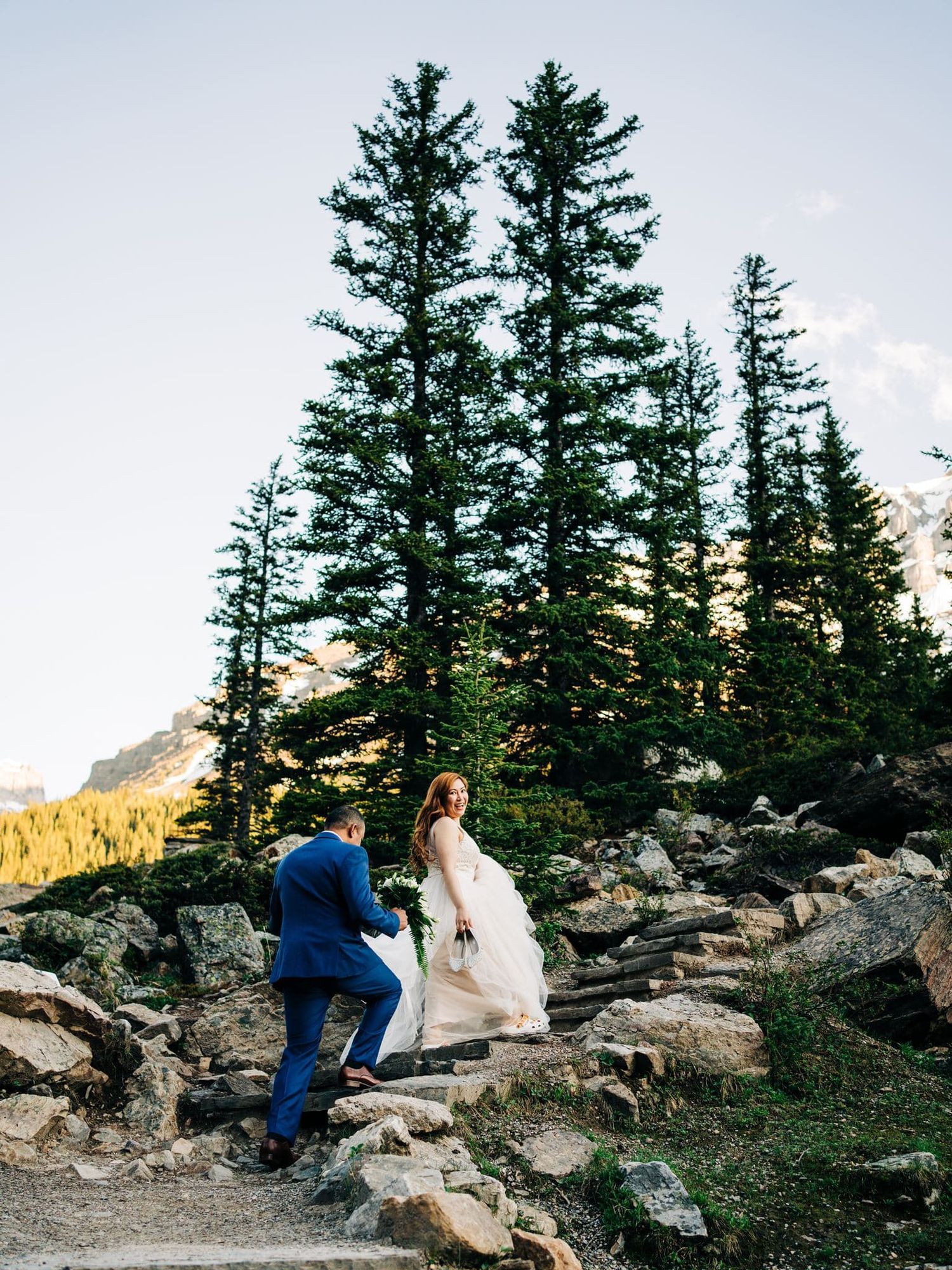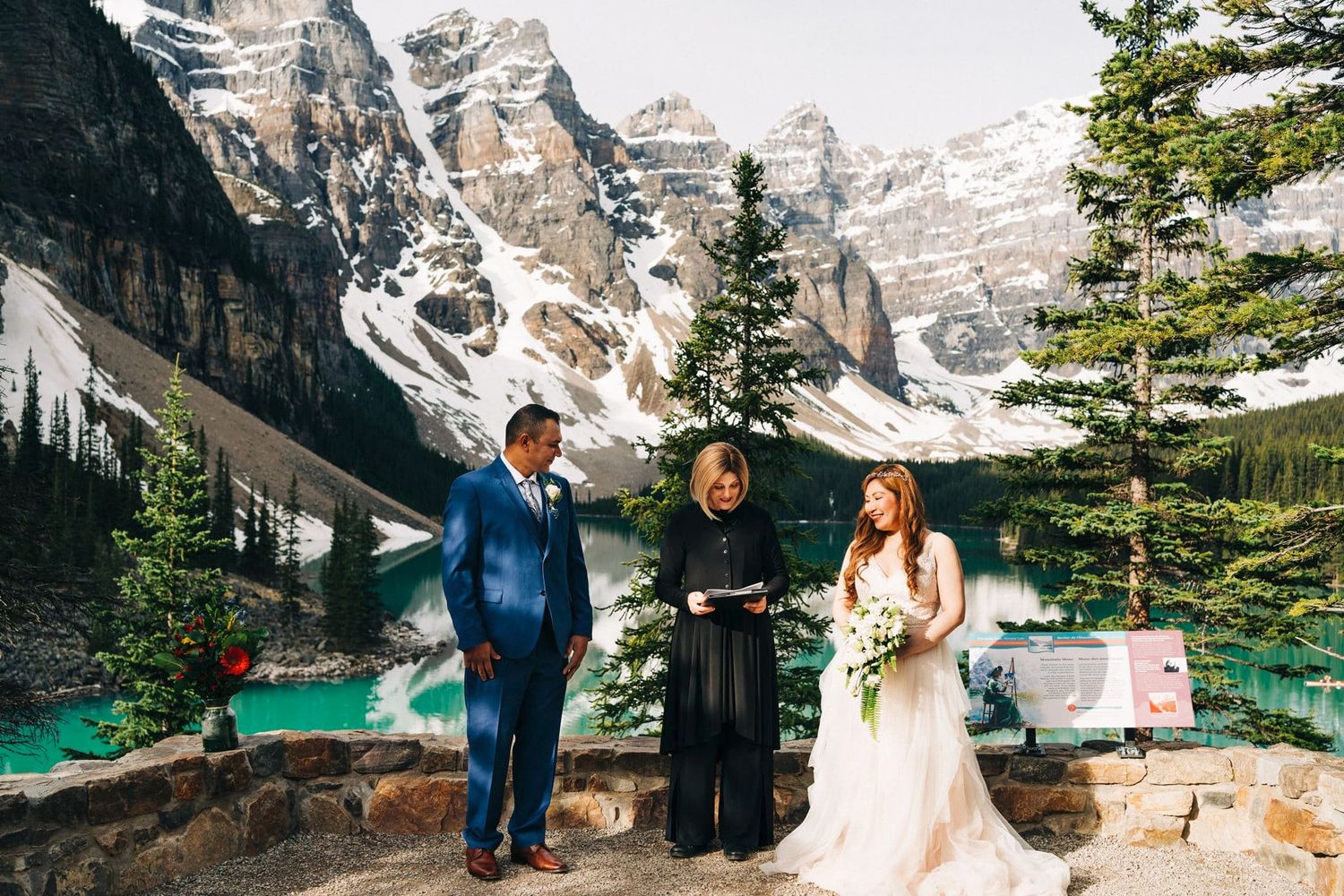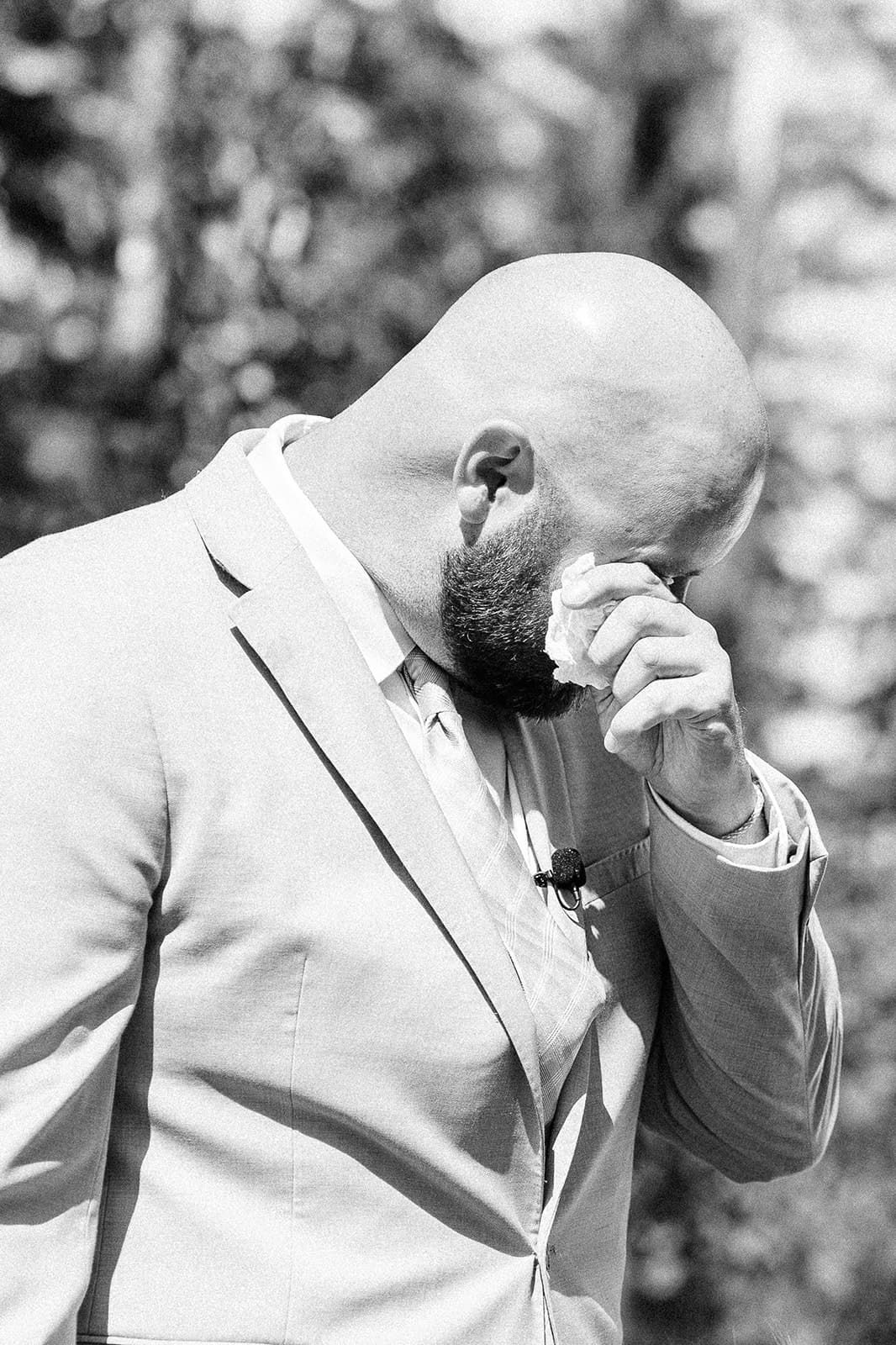
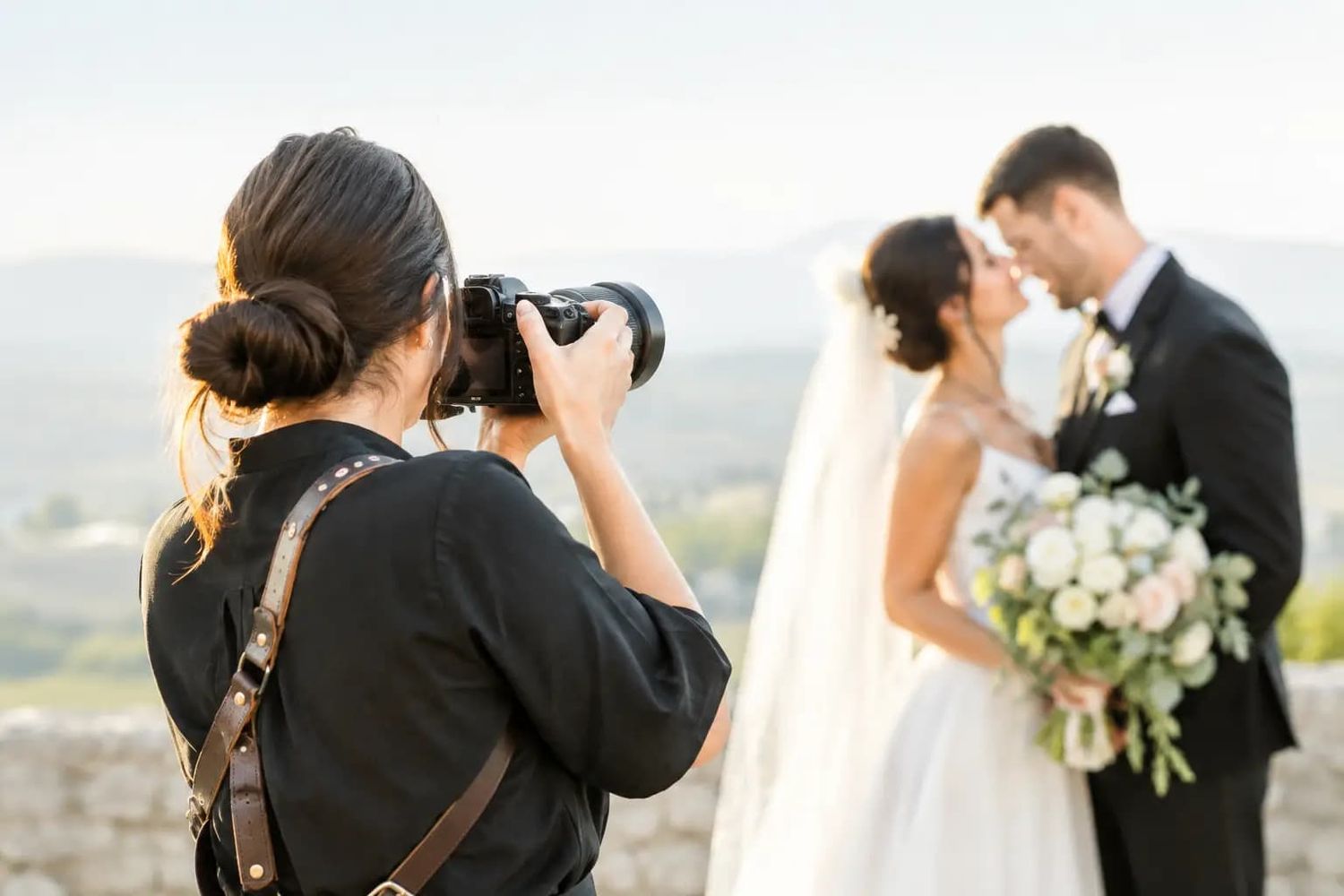
A wedding can move from a quiet breath before the ceremony to a packed dance floor in what feels like one heartbeat. The best wedding photo coordination does not make that heartbeat feel managed. It protects the pace of the day, gives everyone clarity when it matters, and leaves enough room for the moments nobody could plan: your dad seeing you dressed for the first time, your friends dissolving into laughter during portraits, the tear your partner tries to hide during vows.
For couples who want honest, cinematic memories, coordination is not about turning the day into a production. It is about creating a thoughtful structure behind the scenes so you can stay present in front of the camera.
What Wedding Photo Coordination Should Feel Like
There is a common fear that a well-photographed wedding means being pulled away from your people for hours, repeatedly told where to stand, how to hold your hands, and when to smile. That approach can create beautiful images, but it can also make a wedding feel like a photoshoot with a reception attached.
We believe the better experience is quieter. Your photo and film team should know where they need to be before a meaningful moment unfolds. They should understand the rhythm of the ceremony, the family dynamics behind formal photos, and the timeline pressures your planner is balancing. Then, they can step in with gentle direction only when it serves you.
That is the difference between controlling a day and caring for it. A little direction can help during family portraits or when two people need a moment to settle into the camera. Too much direction can pull you out of the very memory you hired someone to preserve.
For couples planning in Calgary, Canmore, or Banff, this matters even more when travel, mountain weather, daylight, and multiple locations are part of the equation. Coordination gives those moving pieces a home without making the day feel rigid.
Build the Timeline Around Feeling, Not Just Logistics
A photo-friendly timeline is not simply a list of start times. It is a plan for protecting your energy.
Start by naming the experiences you care about most. Maybe you want a slow morning with your closest friends, a private first look, a full cocktail hour with your guests, or ten quiet minutes together after the ceremony. Those wishes should shape the photography plan before anyone decides exactly how many minutes a portrait session requires.
Light matters, especially for outdoor celebrations, but it should be used with care. Sunset portraits can be extraordinary, yet stepping away during dinner may not be worth it for every couple. If speeches are deeply meaningful to you, or if you want to be fully present for the reception, a brief sunset window can work better than a long disappearance. The right choice depends on what you want to remember feeling, not what looks best on a sample timeline.
Give the day breathing room. Hair and makeup often run late. A parent may need an extra moment before a first look. Guests may take longer than expected to find their ceremony seats. A timeline with small buffers gives your creative team room to adapt calmly rather than rushing you through an emotional moment.
Plan for the moments that cannot be repeated
Some parts of a wedding happen once and move quickly. The first look with a parent, the processional, vows, the first kiss, and a grandparent’s toast all deserve clear communication before the day begins. Your photographer and videographer should know who the important people are, where they will be, and what moments may carry extra meaning.
This does not mean scripting emotion. It means making sure the people documenting your day are attentive enough to recognize it when it arrives.
Why Photo and Film Work Better as One Team
Photography and videography can absolutely work beautifully with separate vendors. The trade-off is that they need to establish a shared rhythm early. Without it, two well-intentioned teams may compete for the same space during portraits, block one another’s ceremony angles, or ask you to repeat a moment that should have been allowed to happen naturally once.
A unified photo and film team has an instinctive advantage: both artists are working toward the same emotional record of the day. They can divide coverage without interrupting you. One person can stay close for the expression on your partner’s face while another holds the wider scene - the guests, the landscape, the arms reaching for one another after the ceremony.
This is especially valuable during fast-moving parts of the day. While one team member documents the quiet anticipation before you walk down the aisle, another can capture the person waiting at the altar. During cocktail hour, one can follow the spontaneous embraces while the other gathers the atmosphere that brings the final film to life.
At Conquer Your Journey, Carlo and Jennifer work this way as a husband-and-wife team. The goal is never to surround a couple with cameras. It is to create dual-angle coverage that feels calm, intuitive, and respectful of the moment.
Share one clear plan with every key vendor
Coordination becomes easier when your planner, venue coordinator, officiant, photo and film team, DJ or band, and catering lead are working from the same timeline. Everyone does not need every detail, but they should know the moments that affect the flow: ceremony start time, family photo location, meal service, speeches, first dance, sunset, and any planned reveal.
If you are having an unplugged ceremony, tell your officiant and guests before it begins. If a grand entrance includes a surprise, let the people documenting it know without telling the whole room. If the reception will include a Same-Day Edit film, build a short viewing moment into the evening rather than treating it as an afterthought. When the room sees the story of the day while it is still living it, the reaction can become one of the most unforgettable memories of the reception itself.
Make Family Photos Clear, Kind, and Efficient
Family portraits are often the least spontaneous part of a wedding day, but they do not need to be stressful. The secret is preparation, not barking instructions when everyone is hungry and ready for cocktail hour.
Create a concise list of the groupings that genuinely matter. Include names, relationships, and any family circumstances your team should handle with sensitivity. Divorce, loss, strained relationships, mobility concerns, and young children all affect how portraits should be approached. There is no universal formula, only a respectful plan.
Keep the list focused. Twenty combinations may sound reasonable while planning, but each one requires finding people, arranging them, and resetting. Prioritize immediate family and the relationships you will be grateful to have documented decades from now. Your photographer can guide larger extended-family groupings if they fit the day, but they should not consume the time meant for you to be married.
Choose one reliable person from each side of the family to help gather people. This small decision saves precious minutes and lets the creative team stay focused on faces, light, and genuine connection instead of tracking down an uncle who slipped away to the bar.
Give Yourselves Permission to Be Imperfect
The most lasting images are rarely the ones where every detail behaves. A veil catches in the wind. Someone laughs at the wrong moment during a formal portrait. The flower girl decides the aisle is a racetrack. Rain arrives on a mountain wedding day and changes every assumption.
A coordinated team can make an alternate plan quickly, but authenticity asks for something from you, too: permission for the day to be alive. If the weather shifts, if your timeline bends, if you cry harder than expected, none of that is a failure of the plan. It is the truth of your wedding.
The camera does not need you to perform joy for it. It needs the space to witness you living it. Build the plan with care, choose people who understand your priorities, and then let the day surprise you. Years from now, the images that pull you back will not just show how everything looked. They will return you to the feeling of having been fully there.