A wedding day can move from quiet anticipation to a full dance floor in what feels like a single breath. That is why a thoughtful Calgary wedding day timeline guide is not about scheduling every minute of your love story. It is about protecting enough space for you to feel it as it happens.
The best timelines do more than get everyone to the ceremony on time. They create breathing room for a parent seeing you dressed for the first time, a private exhale with your partner after the vows, and the spontaneous laughter that cannot be staged. Calgary and the surrounding mountain locations also bring practical considerations: changing weather, travel between venues, early sunsets in winter, and guests who may need a little extra time to navigate an unfamiliar setting.
Here is how to build a day that feels calm, personal, and fully yours.
Begin With the Light, Then Build Around What Matters
Photography and film are shaped by light, but your timeline should first be shaped by meaning. Start with the moments that are non-negotiable for you: your ceremony, a first look or private vows, family portraits, sunset time together, dinner, speeches, and the first dance. Once those anchors are in place, your planner and creative team can help place them where the day has the best energy and light.
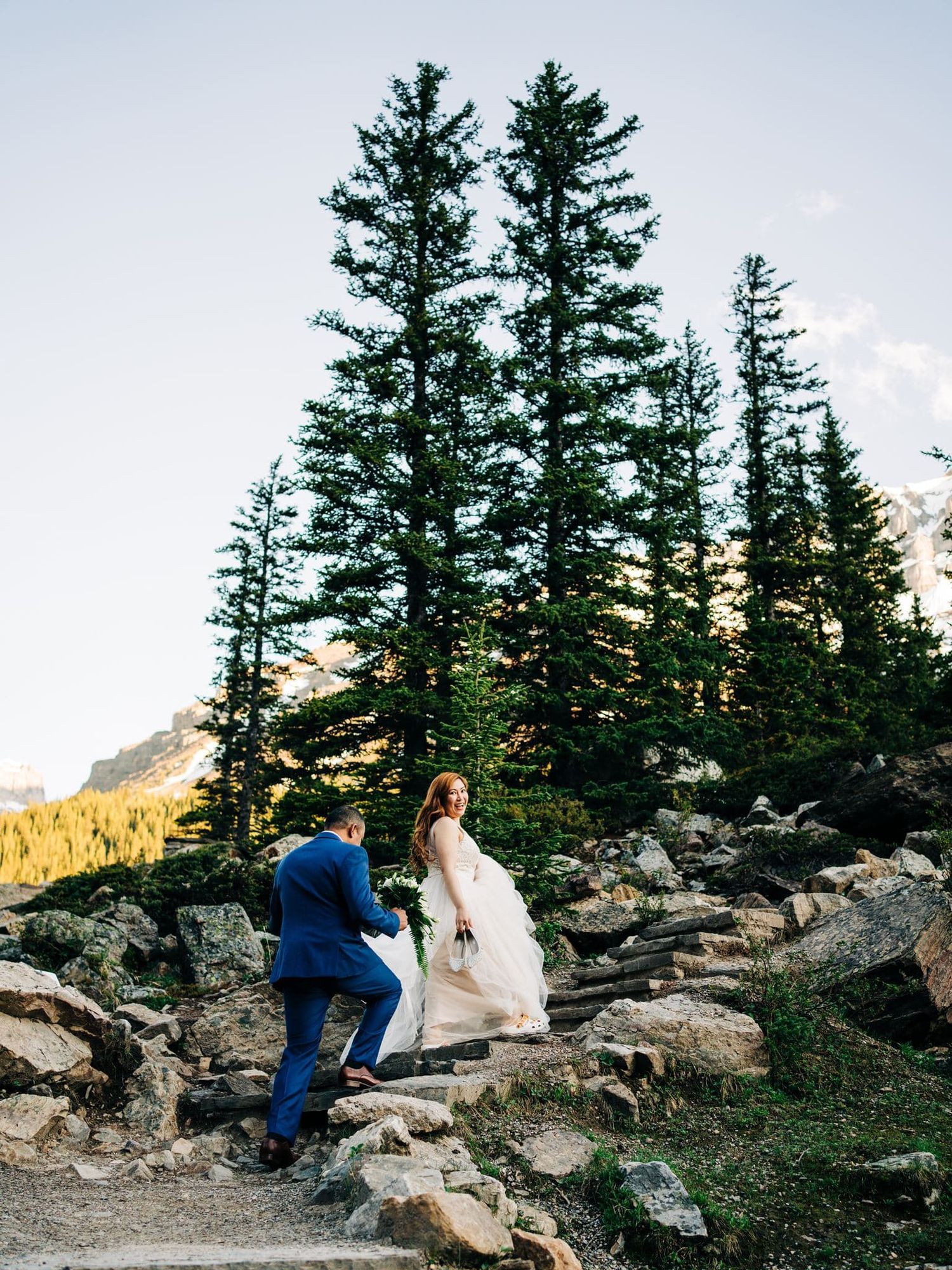
For an outdoor Calgary wedding, late afternoon and early evening often offer a softer, more flattering glow. In Banff or Canmore, the mountains can cause the sun to disappear behind a ridge earlier than expected. If portraits are important to you, do not simply check the listed sunset time. Ask your photographer or planner when your venue actually loses direct light.
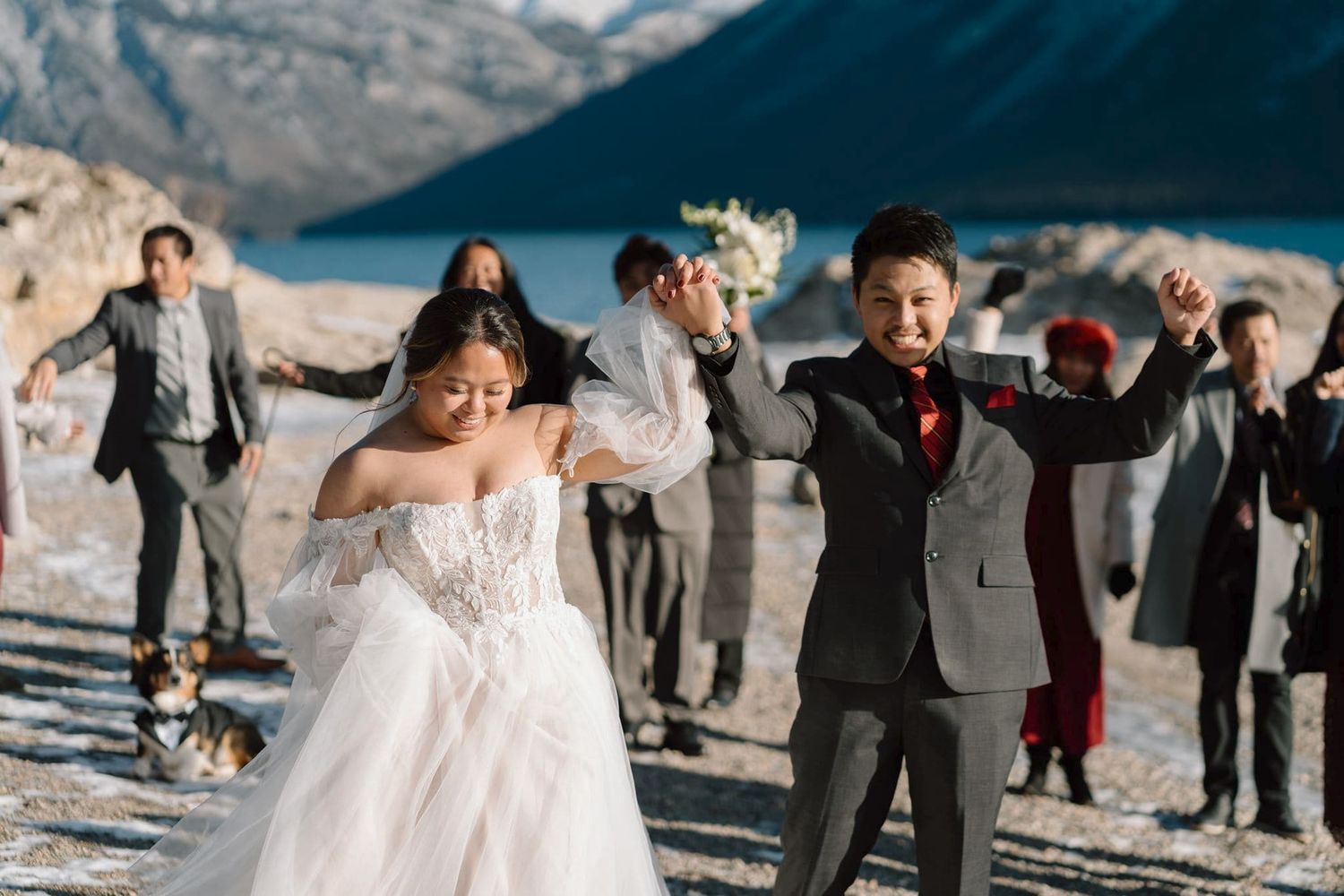
Winter weddings require a different approach. Daylight may fade before an early-evening ceremony, so consider doing a first look and portraits before guests arrive. The trade-off is that you will see each other before walking down the aisle. For many couples, that choice gives them more time together and a more relaxed cocktail hour. For others, the aisle reveal is deeply important. Neither is better. The right answer is the one that feels honest to your relationship.
A Calgary Wedding Day Timeline Guide Starts With Margin
The most common source of wedding-day stress is not a major disaster. It is a timeline built with no room for real life. Hair and makeup run late. A boutonniere goes missing. Someone needs a quiet moment. Calgary traffic slows unexpectedly, or an afternoon shower changes the plan.
Build in a 10 to 15-minute cushion between the major parts of the day, especially before the ceremony, before family photos, and before reception entrances. Those small pockets of time are rarely wasted. They become the space where you eat something, touch up makeup, read a card from your partner, or simply stand still together.
A timeline that is too tight can also change the emotional atmosphere of your images. When a couple is rushed from one photo location to the next, they start performing time management instead of experiencing their wedding. Documentary photography and film thrive when there is enough room for natural interaction. A hand squeeze, an inside joke, a deep breath before the doors open - these are often the frames that carry the feeling of a day for decades.
Choose a First Look Based on Feeling, Not Tradition
A first look can be one of the calmest parts of a wedding day. It gives you a private moment to see each other before the ceremony, speak freely, and let the nerves settle. It can also make the schedule more flexible, since couples' portraits and many family groupings can happen earlier in the day.
But a first look is not required. If you have always imagined seeing each other for the first time as one of you walks down the aisle, protect that vision. Plan for a longer cocktail hour, a shorter formal portrait list, or a brief golden-hour portrait break later in the evening.
There is also a middle path. Some couples choose a first touch around a corner or doorway, exchange letters without seeing each other, or hold private vows before the ceremony. These moments preserve the anticipation while allowing a little connection before the public part of the day begins.
Getting Ready: Give the Morning More Time Than You Think
For many weddings, getting ready begins five to six hours before the ceremony. The exact timing depends on the size of the wedding party, hair and makeup needs, travel, and whether you are doing a first look. The final touch-ups should ideally finish at least 45 minutes before you need to leave for portraits or the ceremony.
Keep the getting-ready room as visually calm as possible. This does not mean it needs to look like a magazine spread. It means clearing out shopping bags, food containers, and loose clothing from the area where you will get dressed. Leave meaningful details together - invitations, rings, heirlooms, perfume, vow books, or a letter from your partner - so they can be documented without interrupting your morning.
Most importantly, schedule time to get dressed. A wedding dress, cufflinks, a veil, or a parent helping with the final buttons can hold a great deal of emotion. Rushing through that part of the day just to make a transportation deadline is a loss you can easily avoid.
Keep Family Portraits Focused and Kind
Family photos matter, especially because they may become the only formal images you have with certain loved ones. Yet a long, improvised list can drain the energy from a cocktail hour and leave everyone frustrated.
Create a concise list in advance, usually focused on immediate family, grandparents, and any essential extended-family groupings. Tell each person where to be and when. Assign a family member who knows the names and relationships to help gather people quickly.
If you are doing family portraits after the ceremony, allow about 20 to 30 minutes for a straightforward list. Larger families, complex blended-family dynamics, or mobility needs may require more time. The goal is not to hurry people through a meaningful photograph. It is to organize the moment with enough care that no one is left standing in uncertainty.
Protect Time for Just the Two of You
A wedding is one of the few days when every person you love is gathered in one place. It is also surprisingly easy to spend the entire day apart from your partner, each of you pulled into conversations, photos, and logistics.
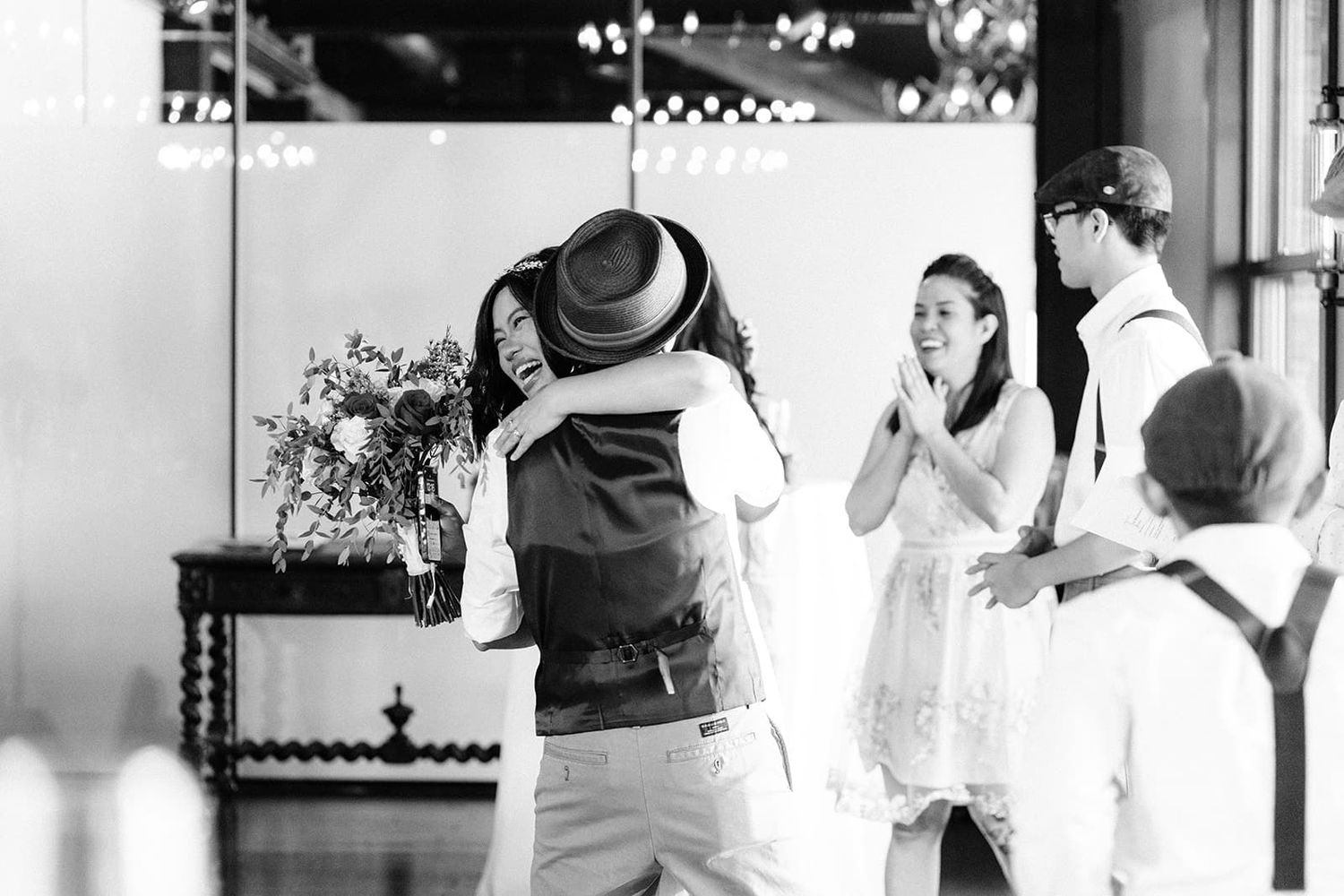
Set aside 15 minutes after the ceremony, before joining cocktail hour if possible. Have someone bring you water and a small plate of food. Let yourselves laugh, cry, or simply take in the fact that you are married. It is not a photo opportunity you need to perform. It is a real pause, and the quietness of it often becomes one of the most treasured memories of the day.
If your reception schedule allows, take another 10 to 15 minutes near sunset. You do not need a long portrait session. Step outside, away from the noise, and walk together. The photos and film from this time can be beautiful, but the deeper value is having a small piece of the day that belongs only to you.
Plan the Reception Around Energy, Not Just Tradition
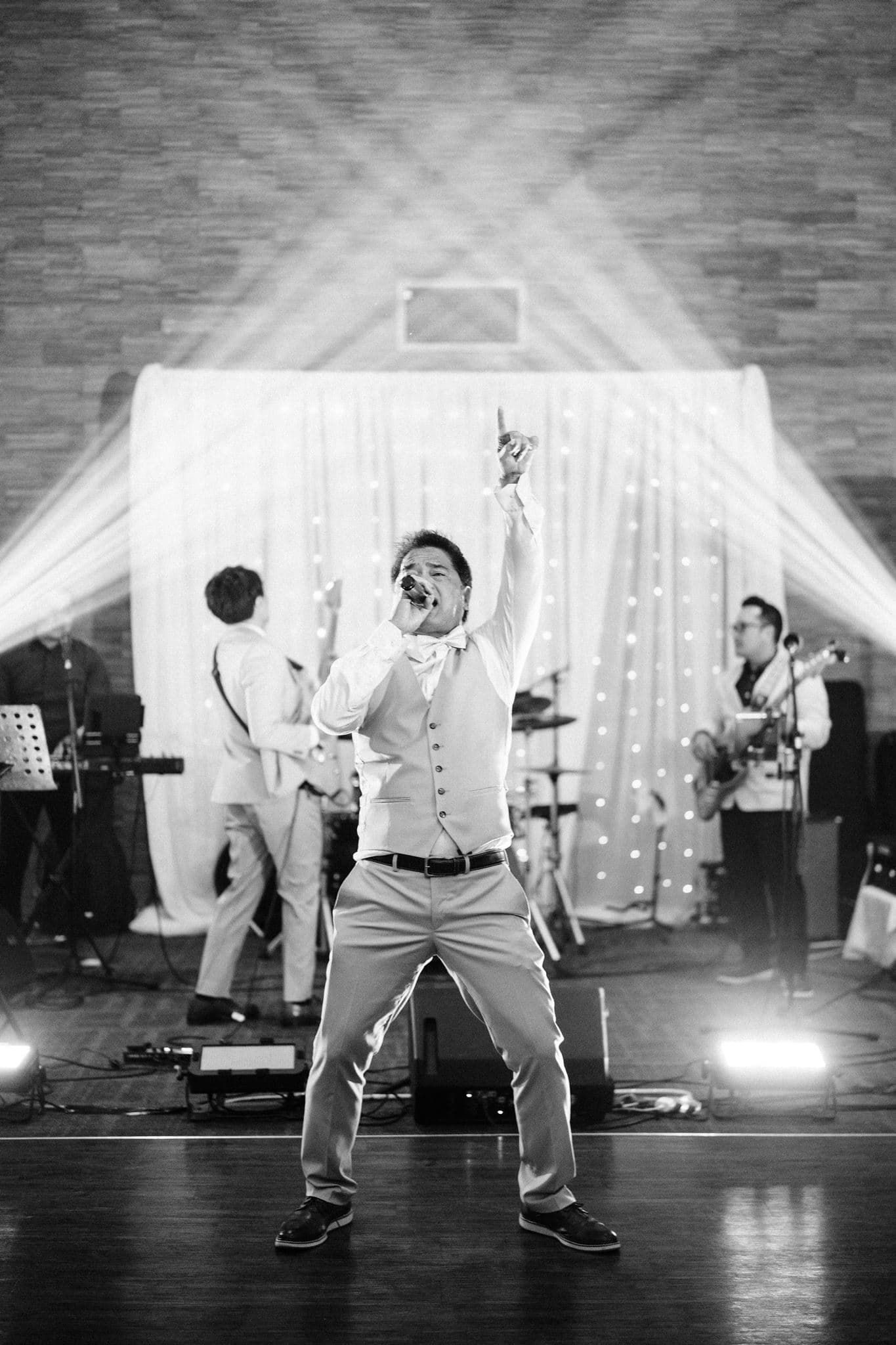
The reception is where the day loosens its collar. Guests settle in, emotions surface during speeches, and the celebration becomes less formal. Keep this portion of the timeline intentional, but do not over-program it.
If you are adding a Same-Day Edit film, let your photo and film team know early in the planning process. The edit needs a protected place in the reception flow, often after speeches or before the dance floor opens. When the lights dim and your guests see the story of your day while it is still unfolding, the room can shift in an instant. It becomes more than entertainment. It is a shared recognition of what everyone has witnessed.
Consider the rhythm of dinner service as well. If speeches happen between every course, the momentum can feel fragmented. Grouping a few speeches together often allows guests to stay present with the stories being told, then return to their meals and conversations without constant interruption.
Let Your Timeline Serve Your Marriage, Not the Other Way Around
The most beautiful wedding days are not necessarily the ones that run perfectly on paper. They are the ones where a couple has enough support, enough space, and enough trust to stay connected when the day moves quickly.
Your timeline should make room for the polished details you worked hard to create, but it should also welcome the imperfect moments: wind catching your veil, your grandparents tearing up unexpectedly, friends singing too loudly during the last dance. Those are not interruptions to the story. They are the story.
When you plan with margin and choose the traditions that genuinely matter to you, you give yourselves a rare gift: the chance to remember your wedding not as a schedule you survived, but as a day you were fully there to live.