A family photo list can look simple on paper: parents, siblings, grandparents, done. But on a wedding day, every name carries a relationship, a schedule, and often a person who has wandered toward cocktail hour just as the photographer is ready. To organize family wedding photos efficiently, you need more than a list. You need a plan that keeps the people you love close while protecting the emotional rhythm of the day.
The goal is not to race through portraits so quickly that no one can breathe. It is to create enough structure that the people who matter most are photographed beautifully, then released to celebrate. When family formals are thoughtful and well managed, they become a quiet pocket of time in the day - not a stressful interruption between your ceremony and the party you have waited so long to enjoy.
Start With the Moments You Cannot Recreate
Before writing down names, decide what these photos mean to you. Some couples want a classic portrait with each side of the family. Others have blended families, chosen family, divorced parents, or relatives whose presence feels especially meaningful. A photograph with a grandparent may matter more than twelve larger groupings. There is no universal “right” list.
Begin with the people whose photo you would genuinely miss years from now. Think beyond tradition. Is there an aunt who helped raise you? A lifelong friend who feels like a sibling? A relative traveling from far away who may not be able to stay late? Those are the people to prioritize.
This approach also prevents a common problem: adding every possible combination because it feels polite. Family photos are not a census. They are part of your wedding story. A smaller, intentional list gives each frame a better chance of feeling relaxed, connected, and true to the people in it.
Build a Short, Logical Family Photo List
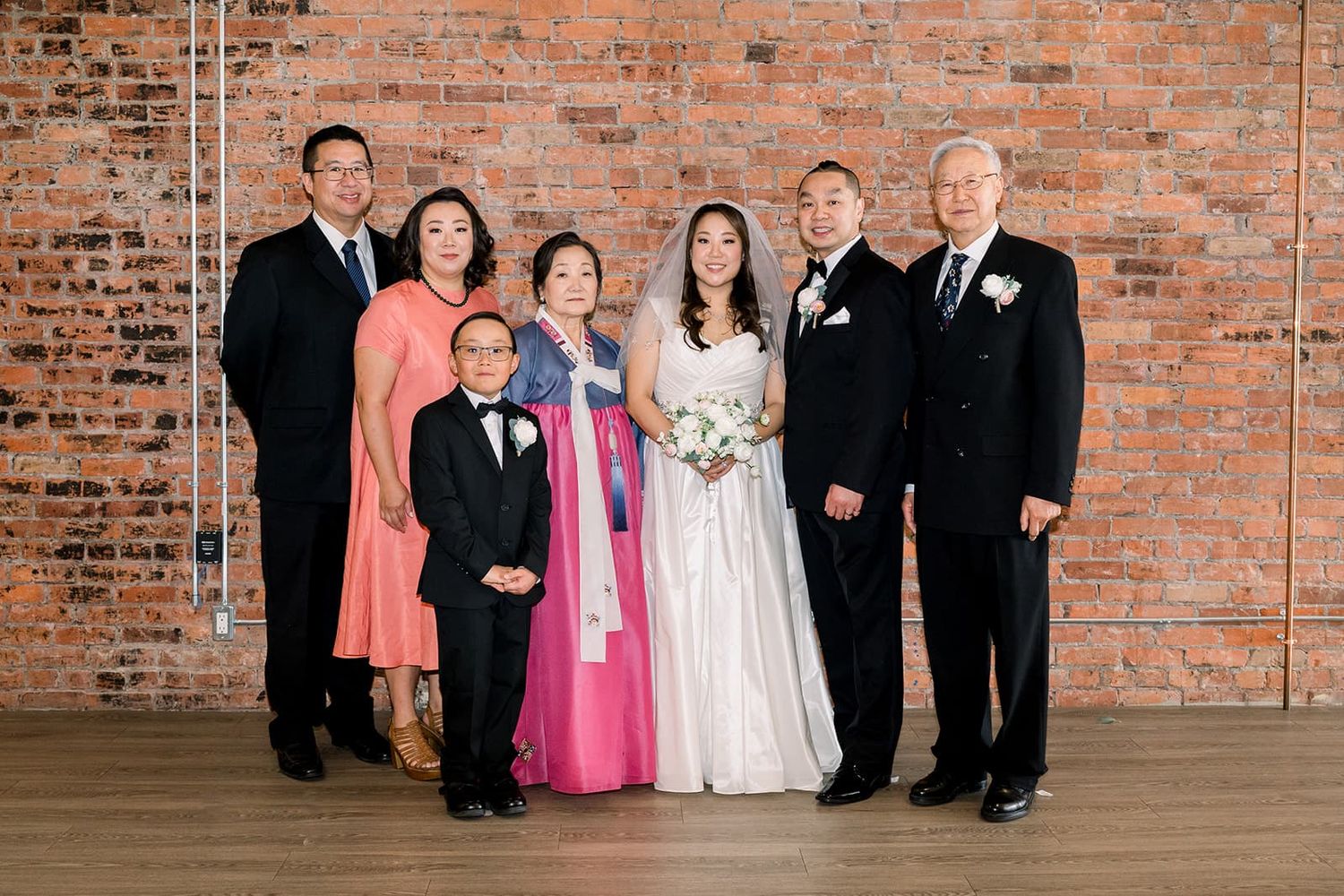
Once you know your must-have groups, arrange them in an order that reduces movement. Start with the largest group, then gently remove people as you move into smaller combinations. For example, you might photograph both immediate families together, then each couple’s immediate family, then parents, siblings, and grandparents.
This is much easier than calling people back after they have already left. It also means elderly relatives and young children can be finished earlier, rather than waiting through every variation.
Aim for roughly eight to 15 groupings, depending on the size and complexity of your families. A list of 25 or 30 combinations can be possible, but it asks more of your timeline and can drain energy from the hour after the ceremony. If expansive family portraits are a priority, build more time around them rather than hoping they will fit into a narrow window.
Write Names, Not Just Relationships
“Bride with parents” may be clear to you, but names help your photography team move with confidence. Include first names and note any important dynamics with care. For instance, if divorced parents should not be placed together, or if a step-parent has a meaningful role in the family, saying so ahead of time allows the photo process to feel respectful instead of awkward.
You do not need to overexplain private family history. A few direct notes are enough: “Please photograph Mom and Dad separately,” or “Include Jordan, bride’s stepdad, in immediate family portraits.” Clear communication lets your team protect the atmosphere without making you manage logistics in the moment.
Choose the Right Time for Formal Photos
The timing of family photos depends on your ceremony, first look, location, season, and the people involved. There are two strong options, and each comes with a trade-off.
Taking a portion of family portraits before the ceremony can preserve your cocktail hour and give everyone more breathing room afterward. This works beautifully when you are having a first look or when immediate family is already dressed and available early. The trade-off is that getting everyone ready ahead of time requires clear instructions and a little more coordination.
Photos after the ceremony often feel more natural for couples who want to see each other for the first time at the aisle. The family is already gathered, emotions are high, and the ceremony has just given everyone a reason to be present. But this window can disappear quickly if guests are eager to mingle, children are tired, or a reception schedule is tight.
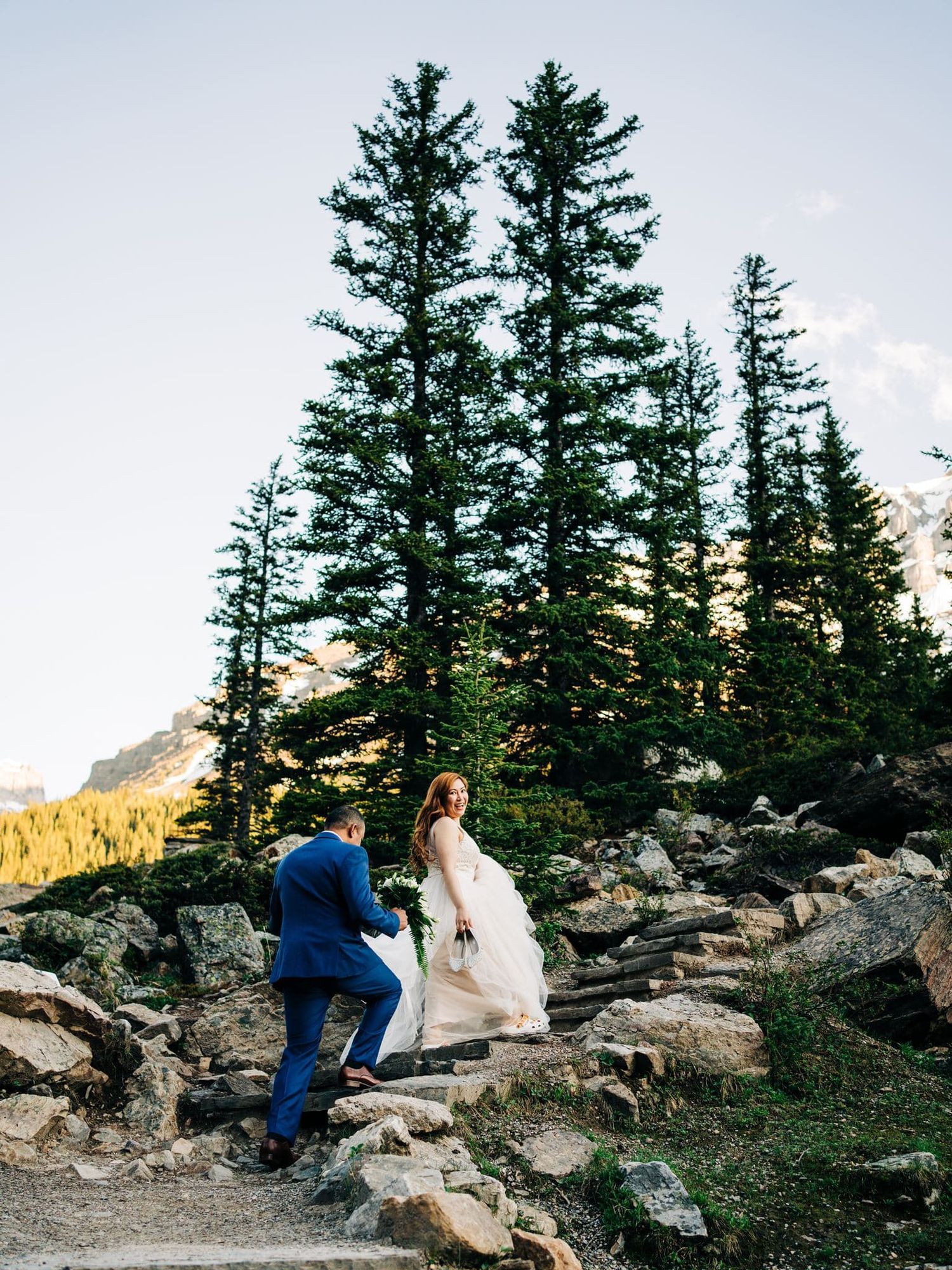
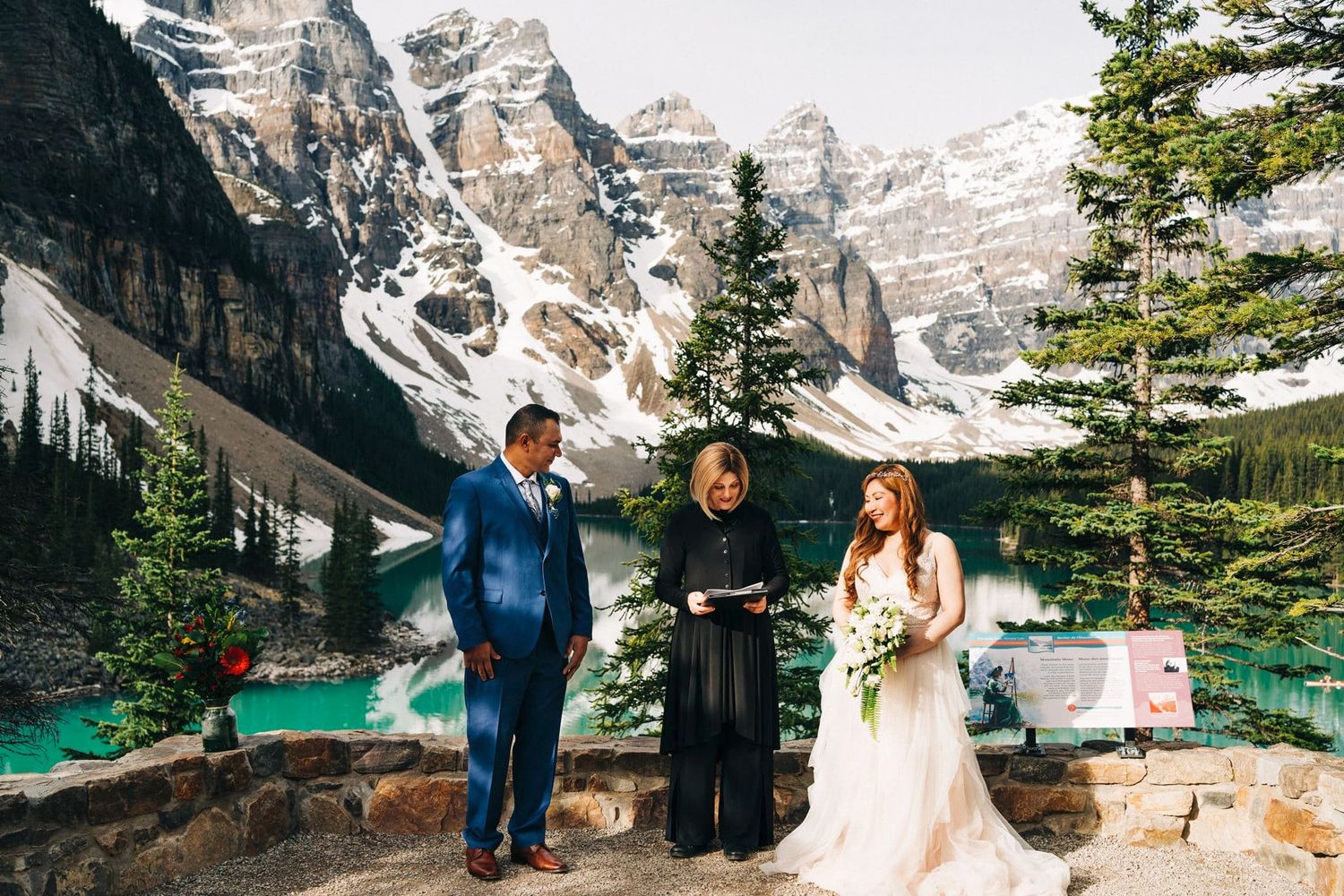
For mountain weddings in Banff, Canmore, or other outdoor settings, daylight and weather add another layer. If the sun sets early or a ceremony site requires a walk to your portrait location, a realistic timeline matters even more. Leave room for the unexpected. A little extra time is not wasted time - it is what allows you to remain present when the day moves differently than planned.
Give One Person the Job of Gathering Everyone
The fastest way to lose 15 minutes is to ask a photographer, who has never met your family, to search a crowded cocktail hour for “the groom’s uncle.” Choose one reliable helper from each side of the family. They should know the names and faces on the list, be comfortable giving kind direction, and understand where people need to be.
Share the photo list with them before the wedding. Ask them to gather the next group while the current group is being photographed. This small handoff makes an enormous difference. Your photographer can stay focused on light, composition, and the genuine expressions happening in front of the camera, while your helpers manage the human scavenger hunt.
If you have a planner, they can coordinate this with your designated family helpers. The key is not having more people directing the process. It is making sure everyone knows who is responsible.
Tell Family Members the Plan Before the Wedding
Your relatives do not need a detailed production schedule, but they should know whether they are expected for photos and when. A short message a week or two before the wedding is usually enough: “Immediate family, please remain near the ceremony space after the recessional for family photos.”
Be specific about who needs to stay. If only immediate family and grandparents are included, say so. This avoids disappointment for distant relatives who assume they are part of formal portraits, while preventing your closest people from slipping away before you need them.
It can also help to remind family members that these photographs will move quickly. Asking them to silence phones, leave sunglasses off, and wait nearby until dismissed sounds small, but it keeps the experience calm and respectful for everyone.
Let the List Create Space for Real Moments
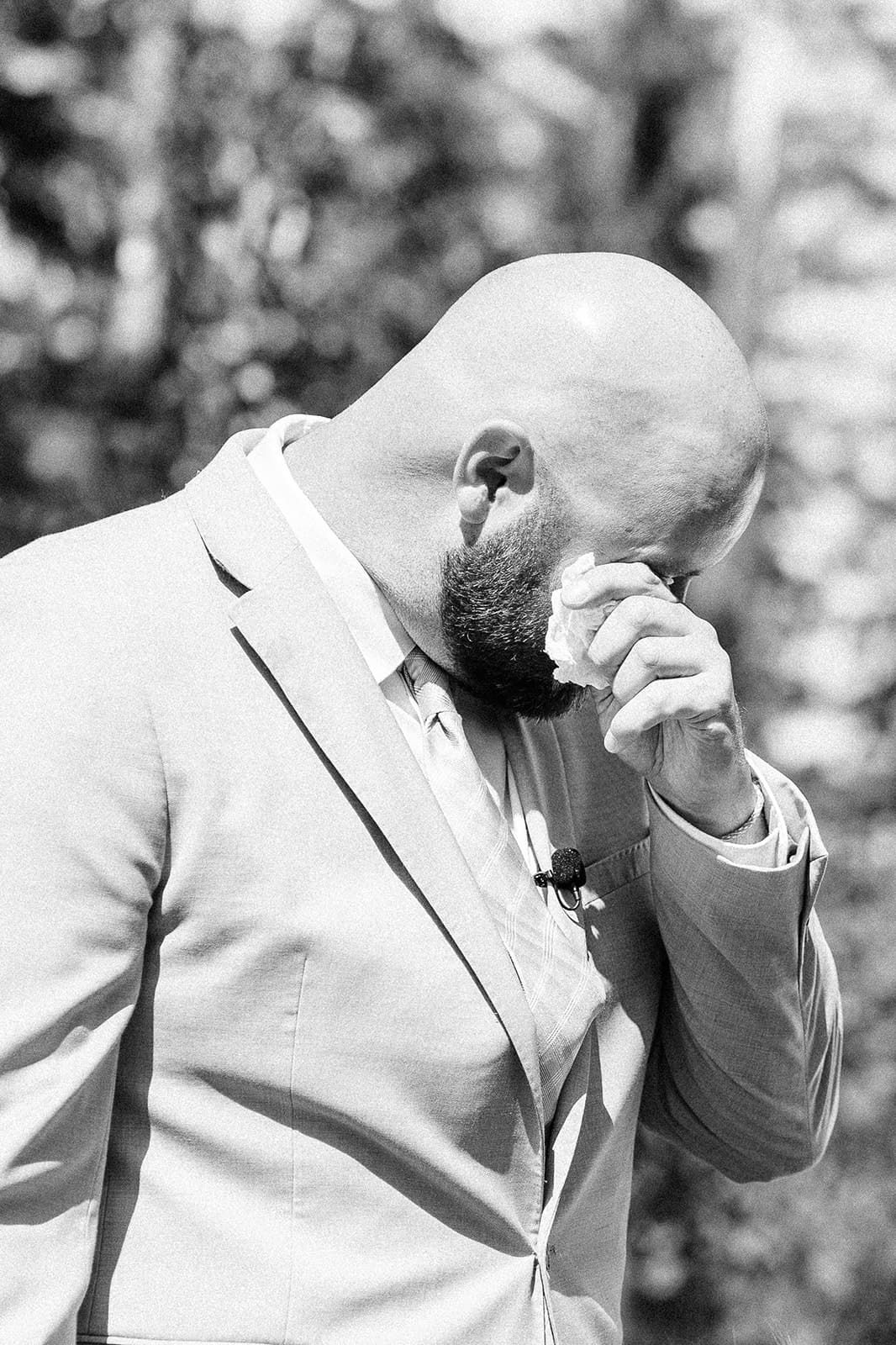
The best family wedding photographs are rarely the ones where every hand is positioned perfectly. They are the ones where your mom squeezes your hand before stepping away, your siblings laugh at an inside joke, or your grandfather looks at you with the kind of pride that needs no direction.
A well-organized plan gives those moments room to happen. When no one is wondering who is next or where they should stand, people settle. Their shoulders drop. Their real expressions return.
At Conquer Your Journey, we believe family portraits should be guided with care but never made to feel like a performance. We will offer clear direction when it helps, then leave room for the glances, laughter, and tenderness that make a formal photograph feel like a living memory.
Keep Your Expectations Gentle
Even the most organized family photo plan cannot control every variable. A toddler may cry. A relative may need a few extra minutes to walk from the ceremony site. Wind may rearrange every veil and boutonniere. None of that means the photographs have failed.
Build the plan, communicate it clearly, and then let the people you love be human. A family wedding photo does not need to be flawless to become precious. Years from now, you may care far less about whether every face looked at the camera and far more about who was there, gathered close, sharing the beginning of your marriage.