The best wedding photography shot list is not the one with the most boxes checked. It is the one that protects what matters most without turning your wedding day into a production schedule. If you care about honest, emotional images, your shot list should create space for real moments - not crowd them out.
That is where a lot of couples get stuck. They start with a Pinterest-perfect spreadsheet, add every image they have ever saved, and end up with a document so long it quietly steals time from the day itself. More posing. More stopping. More pressure to perform. Less room for the moments that actually feel like your wedding.
A good shot list should give your photographer clarity, not control every frame. It should cover the people, details, and family combinations that truly matter to you while leaving enough breathing room for the story to unfold naturally.
What a wedding photography shot list is really for
A shot list is most useful when it answers one simple question: what cannot be missed? That usually means family groupings, meaningful heirlooms, cultural traditions, and a few details you intentionally chose. It does not need to dictate every candid laugh, every kiss, or every dance floor moment. Those are often best captured when no one is trying to manufacture them.
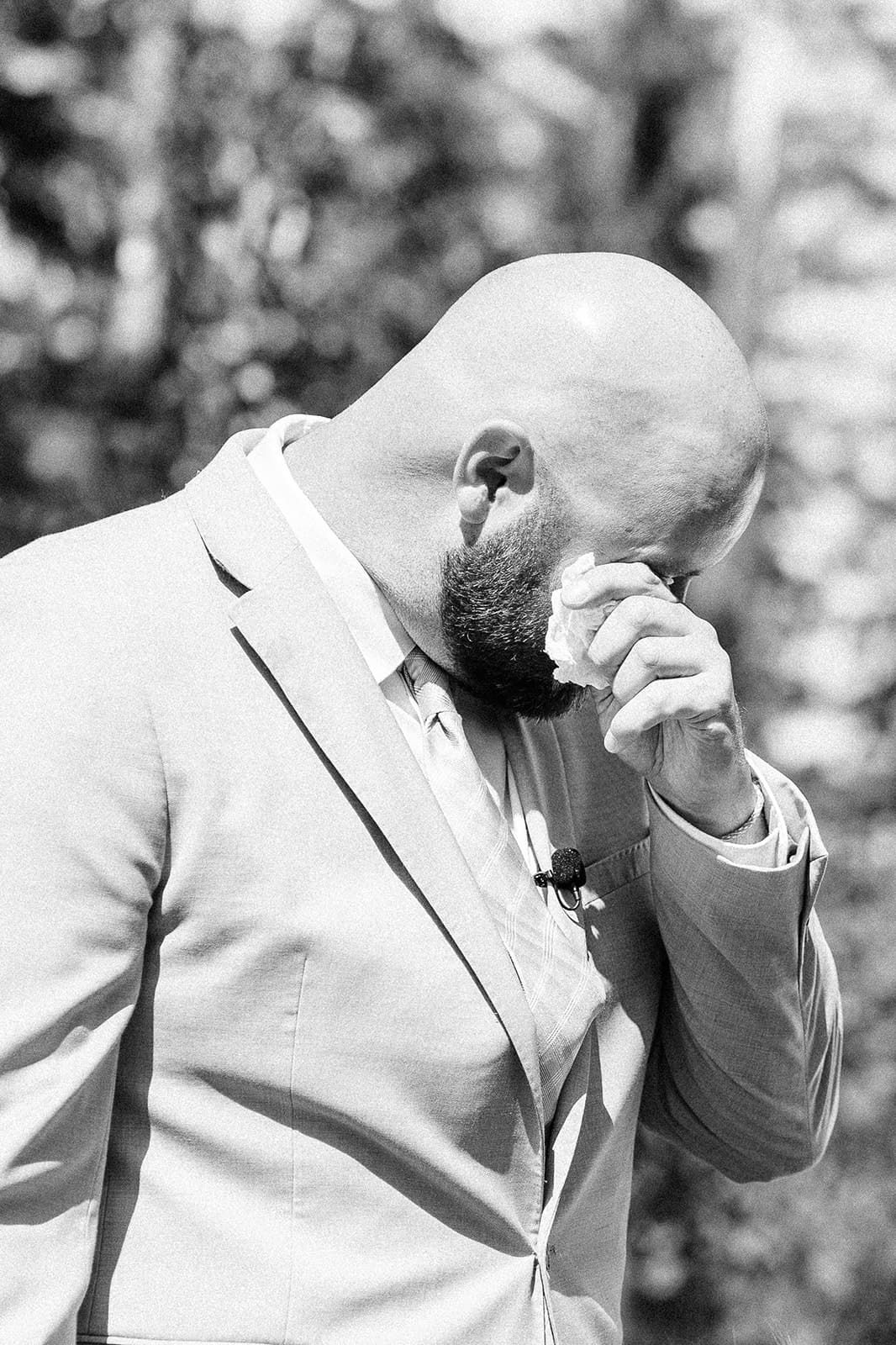
This is especially true for couples who want documentary-style coverage. The most moving images rarely come from a list. They happen when your dad sees you in your dress for the first time, when your partner squeezes your hand during the vows, or when your grandmother starts laughing during dinner because someone at the table told the same family story she has heard for years. You cannot script that. You can only leave room for it.
So the goal is balance. Your list should preserve the non-negotiables and trust your photographer with the rest.
The wedding photography shot list essentials
Most weddings do need some structure. The key is knowing where structure helps and where it gets in the way.
Family photos deserve the most planning
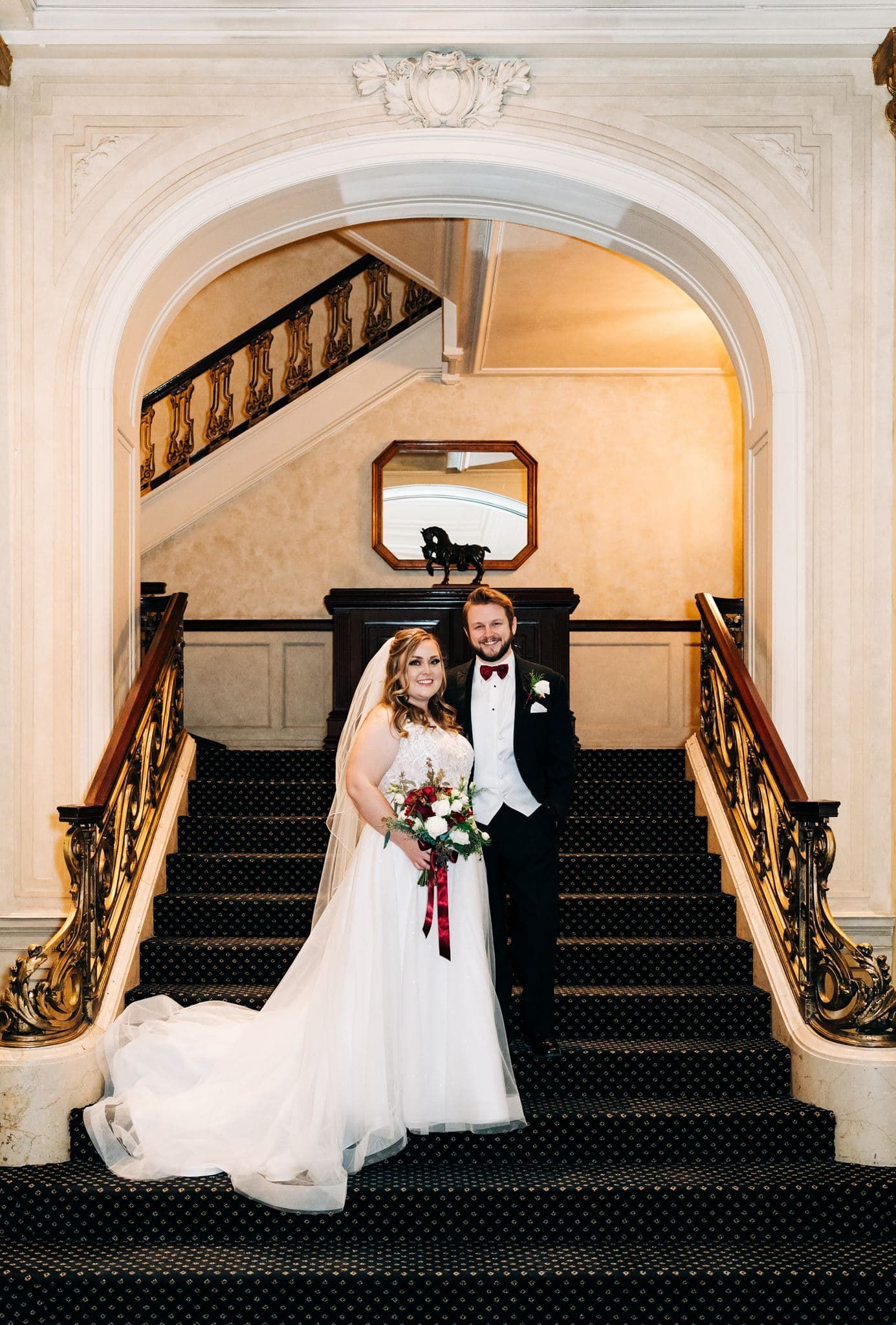
If there is one place a shot list really matters, it is family formals. These portraits move faster and feel calmer when everyone knows the combinations in advance. Without a plan, this part of the day can easily become the most stressful 20 to 40 minutes of your timeline.
Keep your family list specific. Instead of writing “family photos,” break it down by group. Include names when possible, especially for blended families, step-parents, divorced parents, grandparents, and siblings with partners or children. This avoids confusion in the moment and helps no one feel forgotten.
It also helps to assign one trusted person from each side of the family who knows the key people. Your photographer should not have to guess who Uncle Mike is or track down cousins during cocktail hour.
Details matter when they carry meaning
Flat lays and detail photos can be beautiful, but not every couple needs an elaborate list of objects. Focus on details that tell the story of your day. That could mean your invitation suite, rings, shoes, veil, handwritten vows, cuff links from a grandparent, or a piece of jewelry passed down through generations.
If a detail has emotional weight, include it. If it is there because the internet told you it should be photographed, it may not need a special line on your list.
Getting ready moments should stay flexible
This part of the day often looks simple on paper and feels emotionally layered in real life. There may be champagne and music, but there is also nervous energy, quiet reflection, and those little exchanges that suddenly stay with you forever.
Rather than listing overly specific staged moments, think in broader priorities. Do you want a first look with a parent? A quiet moment reading letters? A candid feel with your wedding party? These intentions help shape coverage without forcing it.
Ceremony and reception moments are usually already covered
Most experienced wedding photographers do not need a checklist for the processional, vows, first kiss, speeches, or first dance. Those moments are built into the rhythm of the day. Adding them to your shot list is not wrong, but it is often unnecessary.
The exception is when your ceremony includes important cultural or religious traditions that may not be familiar to every vendor. In that case, a few notes are helpful. Let your photographer know what is happening, when it matters most, and whether there are any restrictions on movement or positioning.
What to skip on your shot list
There is a difference between being thoughtful and being overly prescriptive. Some lists become so detailed that they unintentionally replace storytelling with task completion.
Try not to build your list around screenshots of highly specific poses. One image of bridesmaids looking over their shoulders or a couple kissing under a perfectly timed veil toss might look beautiful, but recreating someone else’s wedding often feels flat when it does not fit your personalities or your setting.
The same goes for long mood-board lists that repeat the same idea in ten different versions. If your photographer understands the feeling you love - romantic, playful, editorial, intimate, windswept, quiet - that direction is usually more helpful than 45 saved poses.
A good question to ask is this: do I want this exact image, or do I want the feeling it gives me? The feeling is what lasts.
How to build a shot list that still feels natural
Start with your priorities, not with the internet’s. Think about the people, memories, and details that would genuinely break your heart to miss. That is your foundation.
From there, keep your list short and intentional. Most couples only need a focused family formal list, a few meaningful details, and any unique traditions or must-have moments that are not obvious from the timeline. Everything else should be communicated as preference rather than demand.
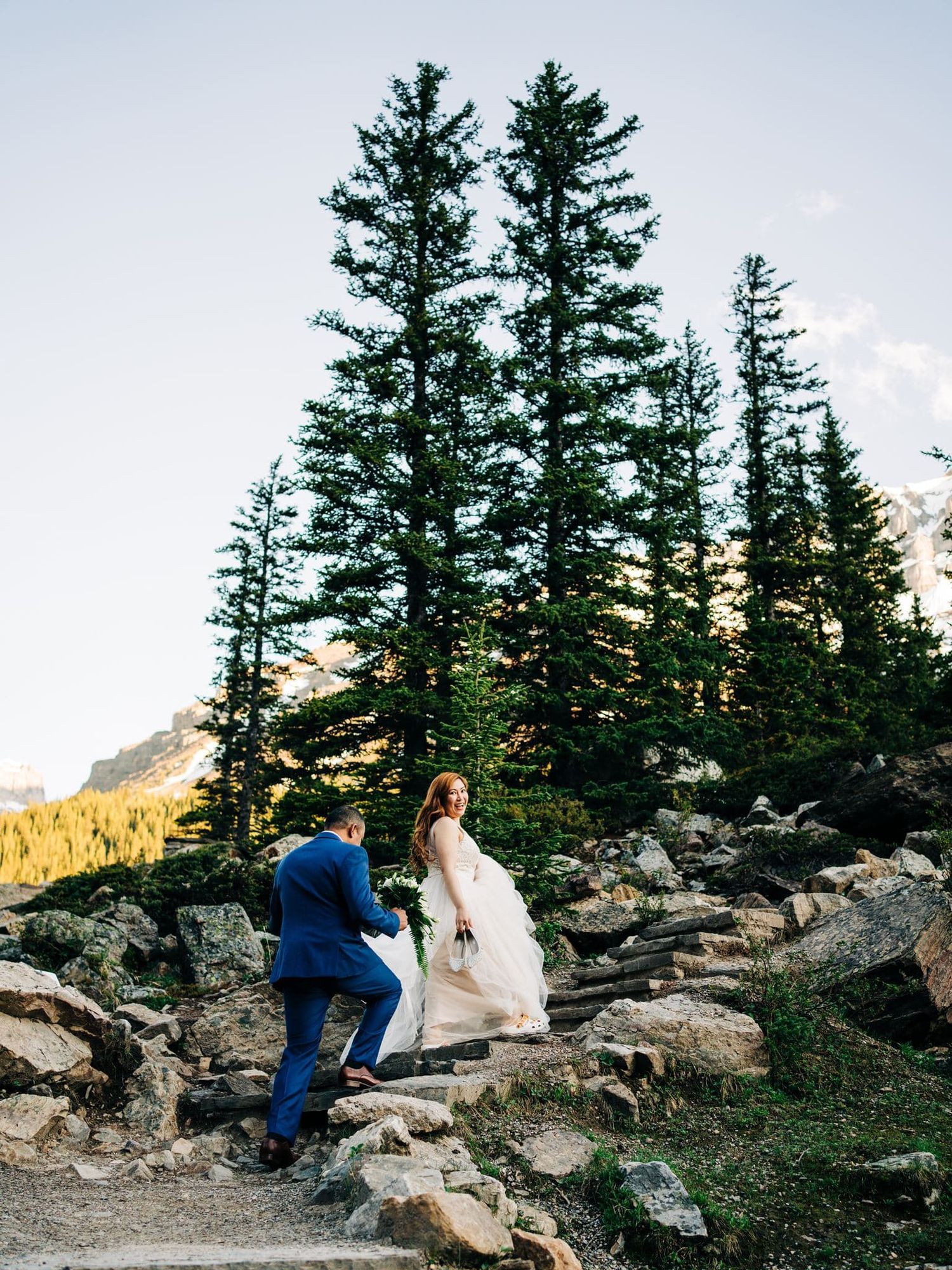
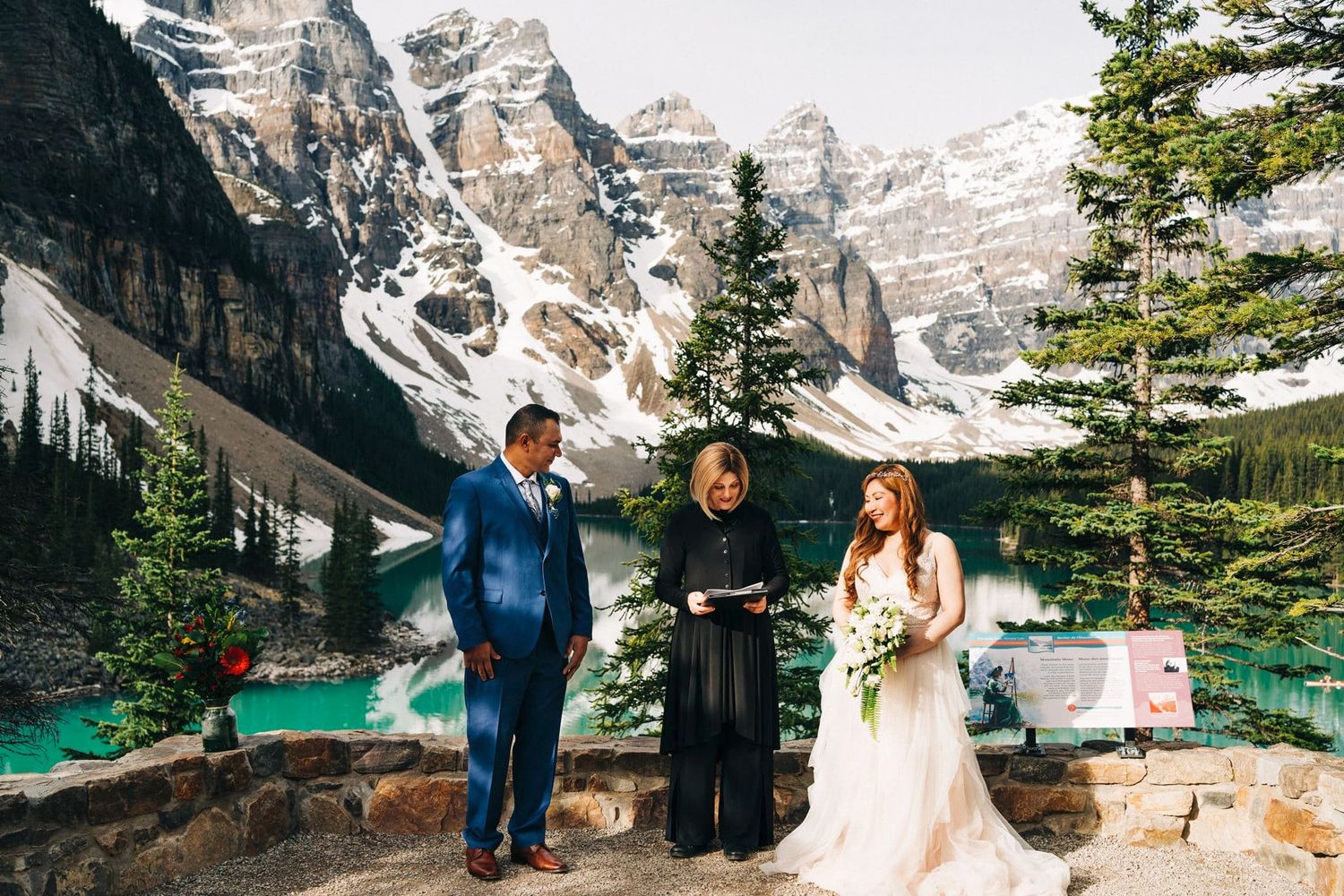
It also helps to think in terms of story. What do you want your gallery to feel like when you look back in ten years? Maybe you want it to hold the softness of the morning, the mountain air in Banff, the chaos of your nieces on the dance floor, the way your partner looked at you when no one else noticed. Those emotional anchors are far more useful than copying a generic checklist.
Work with your photographer, not around them
Your photographer brings more than a camera. They bring pattern recognition, timing, and the ability to anticipate emotion before it fully lands. That is why trust matters so much.
A strong collaboration usually looks like this: you share what matters most, your photographer helps refine it, and together you create a plan that supports the experience instead of interrupting it. If a list is too long, a good photographer will tell you honestly. Not because your wishes do not matter, but because they want to protect the day you are trying to remember.
This is especially important if you are planning a wedding in a place with its own rhythm, like Canmore or Banff. Weather shifts, light moves quickly, and travel between locations can change the pace of the day. A rigid list can fall apart fast. A thoughtful plan with room to adapt tends to create better images and a better experience.
A simple way to organize your shot list
If you want a practical framework, divide your notes into four sections: family formals, meaningful details, special traditions, and personal priorities. That keeps everything clear without turning the list into a novel.
For personal priorities, write a few lines in plain language. You might say you care most about candid reactions, natural portraits, and real moments with family. You might mention that you feel awkward posing and want gentle direction. You might share that your grandmother raised you, and photographs with her matter deeply. Those notes tell your photographer far more than a page of copied pose ideas.
At Conquer Your Journey, this is often where the most meaningful conversations begin. Not with a checklist of trends, but with the deeper question behind it all - what do you want to remember, and what do you want to feel when you see these images years from now?
Your wedding photography shot list should do one quiet, powerful job: protect what is precious without getting in the way of what is real. If it can do that, it is already working.