The morning moves quietly at first: a parent fastening a cufflink with shaking hands, a best friend laughing a little too loudly to settle the nerves, a note read alone before anyone else arrives. By midnight, your wedding day will feel both enormous and impossibly fast. The best ways to preserve wedding memories are not about collecting more things. They are about protecting the feeling of the moments you would otherwise be too busy living to fully notice.
A meaningful wedding archive should bring you back to the emotional shape of the day: the anticipation, the relief, the joy, and the small unplanned details that belonged only to you. Here is how to preserve those memories with intention, without turning your celebration into a performance.
1. Choose photo and film that tell the truth
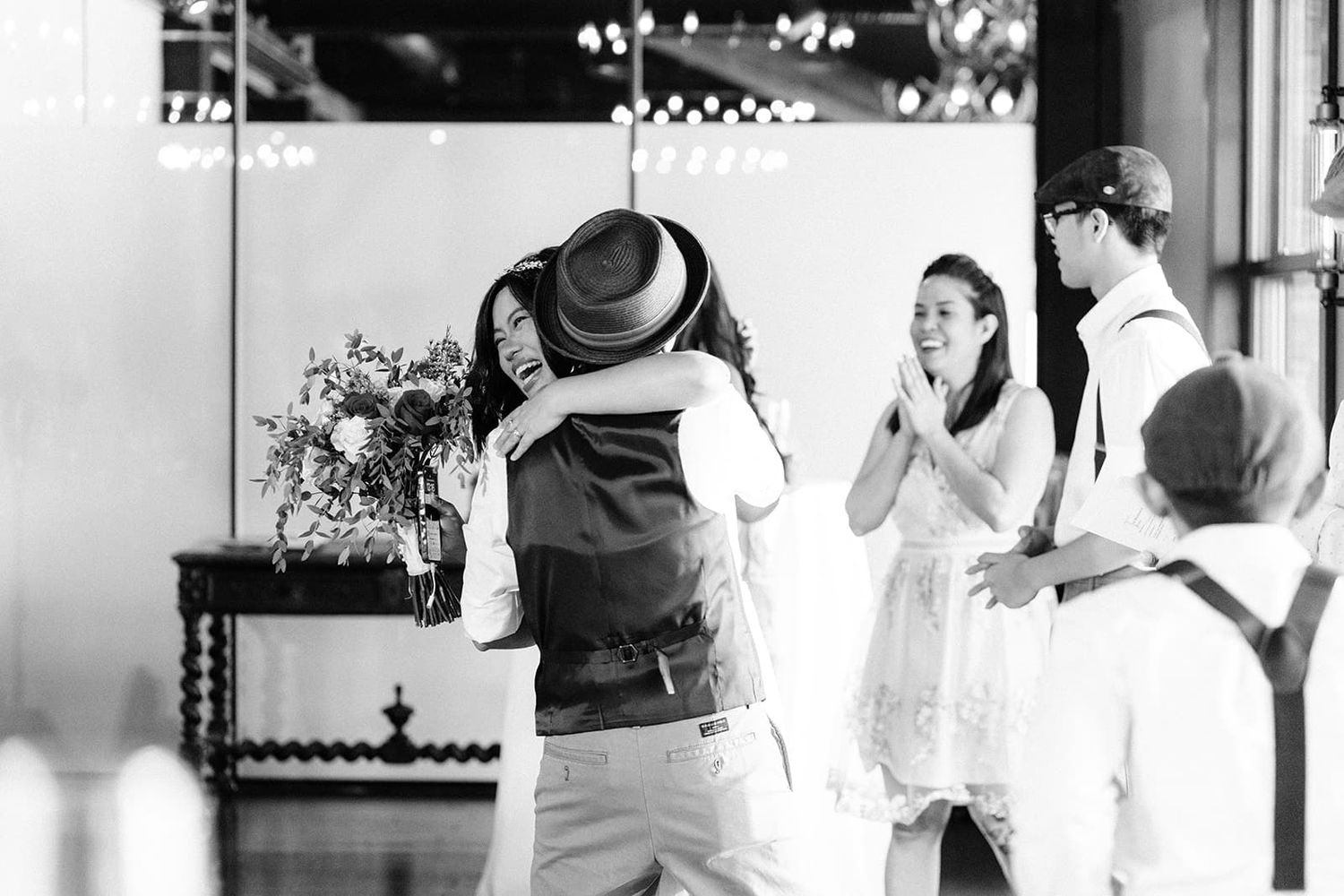
The most enduring wedding images are rarely the ones where every person is perfectly posed. Years from now, you may care less about whether every napkin was straight and more about the way your partner looked at you during the vows, or the tears your grandparents tried to hide during dinner.
Choose photographers and filmmakers whose work makes you feel something. Look for a documentary instinct alongside artistic care: people who can notice the nervous laughter before the ceremony, step back during an intimate exchange, and move gently through the room without changing its energy.
Photography holds a moment still. Film preserves movement, voices, and the atmosphere between moments. If your budget allows for both, coordinated photo and video coverage can create a fuller record of the day because each medium catches a different kind of truth. One image may preserve the look on your face. A film can preserve the tremble in your voice as you say your vows.
The trade-off is simple: meaningful coverage requires time, trust, and room to be present. Build a timeline that gives your creative team space to observe rather than rushing from one required shot to the next.
2. Make room for the moments no one can recreate
Some wedding memories cannot be staged later, no matter how beautiful the setting. The first look with a parent, a quiet prayer before the ceremony, the private exhale you share after walking back down the aisle - these are fleeting because they are real.
Consider protecting a few pockets of unhurried time in your schedule. You do not need to plan every emotion. In fact, overplanning can make it harder for genuine moments to surface. But you can choose to leave ten quiet minutes after your ceremony, get ready in a space with natural light and enough room to breathe, or exchange letters when you are not surrounded by a crowd.
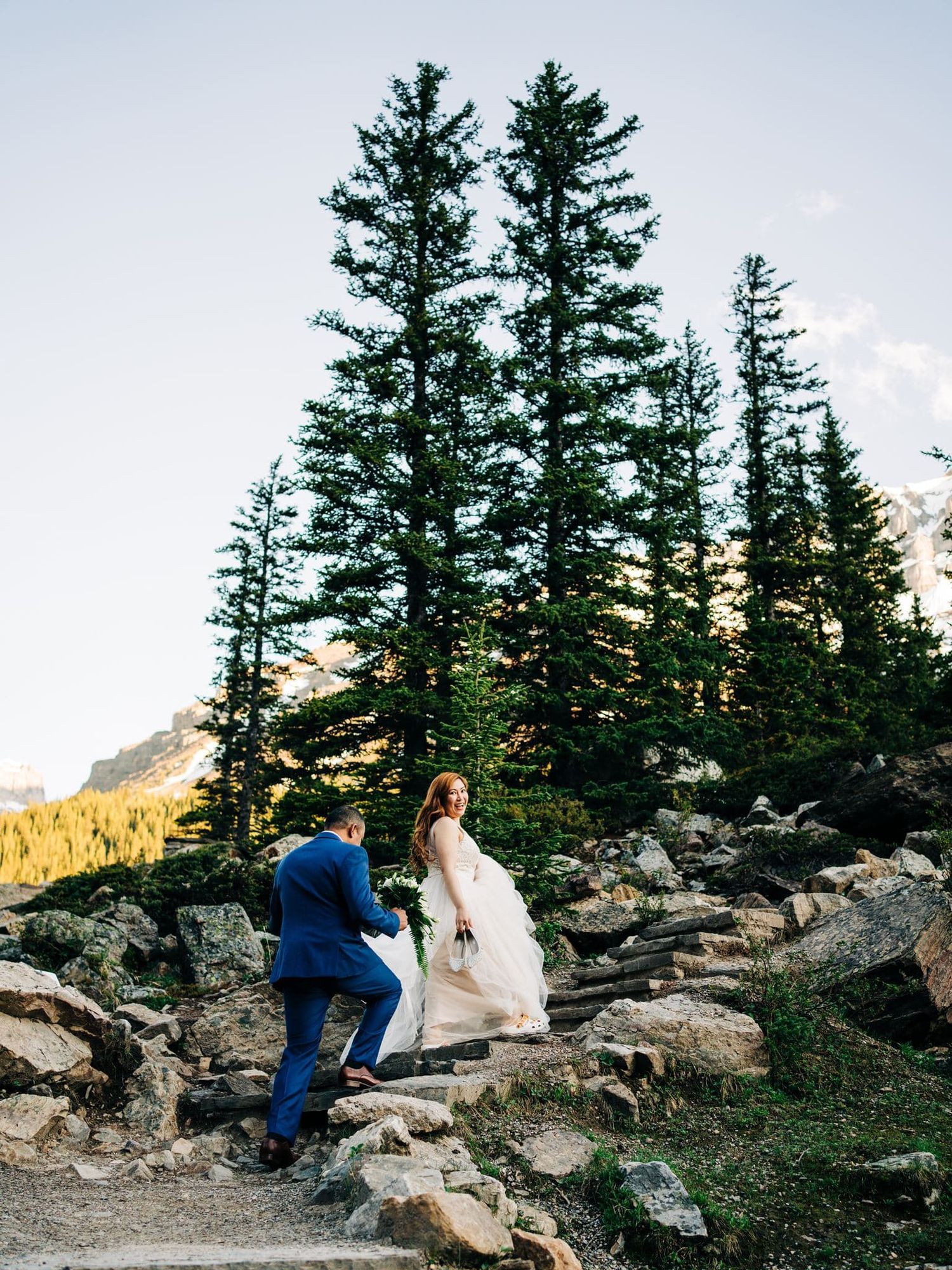
For mountain weddings in Banff or Canmore, this also means respecting the landscape and the pace it asks of you. Travel time, changing weather, and a long walk to a viewpoint can all be worthwhile, but only if they do not take you away from your own celebration for hours. The memory of a beautiful portrait matters. So does the memory of being with the people you invited.
Best ways to preserve wedding memories through sound
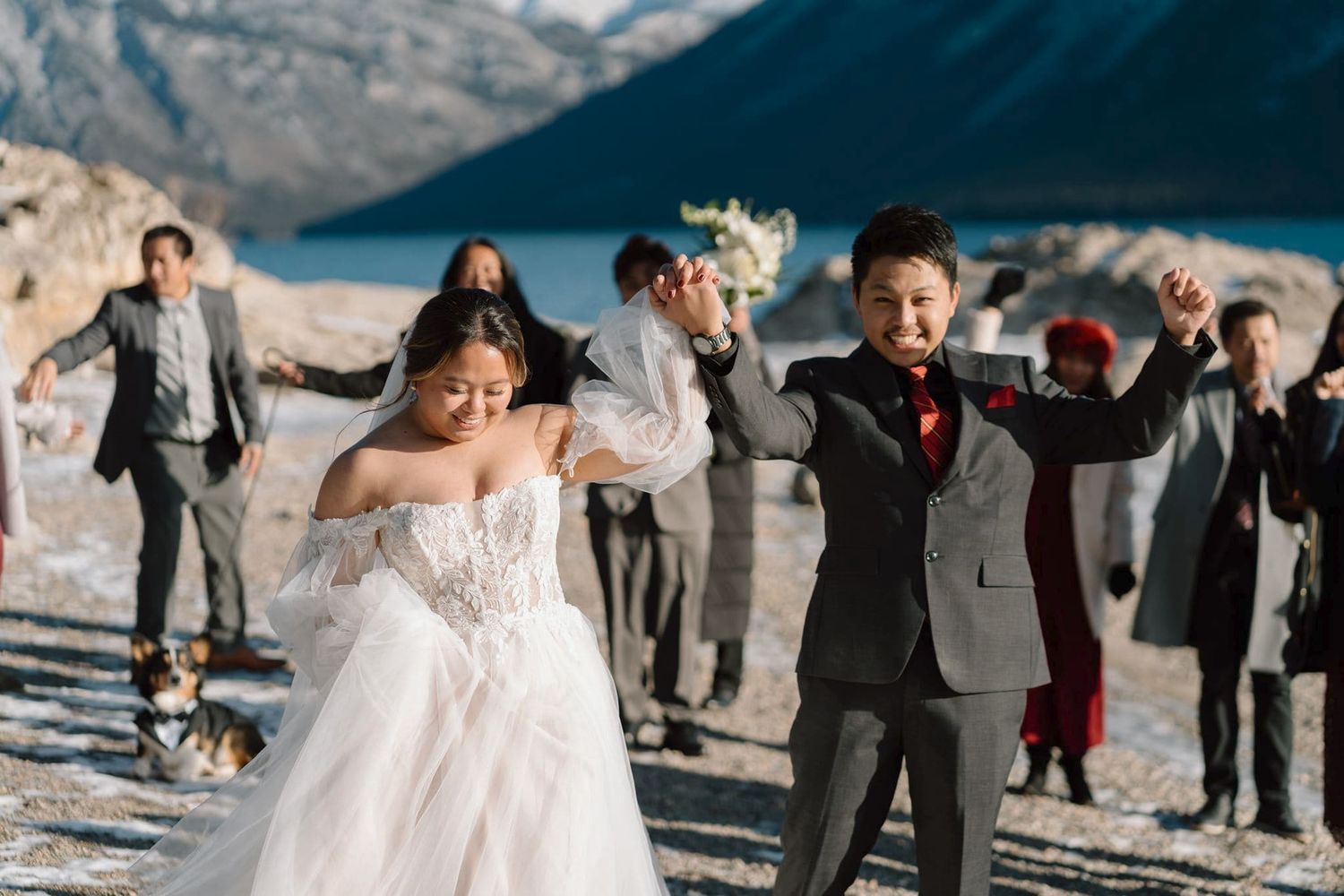
A wedding day has a soundtrack that photographs alone cannot hold. The imperfect crack in a voice during a toast, the cheers after your first kiss, a grandparent telling a story that everyone has heard but never grows tired of - sound makes memories immediate.
Ask your videography team how they capture vows, speeches, and ambient audio. Clear sound is not a technical afterthought. It is often the detail that turns a beautiful film into something that makes you feel as though you have stepped back into the room.
There are other simple ways to preserve voices, too. Invite loved ones to leave short audio messages during the reception, especially relatives whose stories you want to carry forward. You could set up a discreet voice-message station or ask a trusted person to gather recordings on a phone. Keep the prompt specific: “Tell us one thing you hope we remember about today.” Specific questions create more heartfelt answers than a general request for advice.
3. Write down what happened before the details blur
Even couples with hundreds of images often forget the texture of the day: what you ate after getting ready, who made you laugh at the exact right moment, the song that played while the room filled, or the weather that changed just before the ceremony.
Within a week or two, set aside an evening to write separate notes about the day. Do not try to make them polished. Capture fragments, sensory details, and surprises. Then read them together and save them with your wedding materials. Your memories will overlap, but they will not be identical. That difference becomes part of the story.
You might also ask your parents, wedding party, or planner to write down one moment they noticed. A planner may remember the care behind a design choice you barely had time to see. Your sibling may remember watching you take a breath before walking down the aisle. These are small gifts of perspective.
4. Create an heirloom album you will actually open
A digital gallery is essential, but it can disappear into the thousands of images on a hard drive. A thoughtfully designed wedding album asks you to slow down. It gives the story a physical place in your home and creates an object that can be passed around a table, revisited on anniversaries, and shared with future family.
The strongest albums do not need to include every portrait or decoration. They work because they have rhythm. Start with anticipation, move through the ceremony, linger over people and emotion, then let the celebration unfold. Include the imperfect in-between frames: someone squeezing your hand, a child falling asleep on a chair, a table erupting in laughter. Those photographs make an album feel alive.
Choose archival materials and print quality that will last. This is one place where the lowest-cost option is not always the best value. An heirloom album is not just a product; it is a future doorway into a day that will become more precious with time.
5. Share a film while the celebration is still alive
Most wedding films are experienced later, privately, and that is deeply meaningful. But a Same-Day Edit creates a different kind of memory: it lets everyone who has gathered for you feel the day together while it is still unfolding.
Picture the reception pausing for a few minutes. Your guests see the morning preparations, the ceremony, the glances they missed, and the first rush of joy set to music. The room reacts together. Tears arrive. Cheers break out. Suddenly, the wedding is not only being documented; it is being reflected back to the people who made it possible.
This option is not for every timeline. It requires a skilled, prepared filmmaking team, a workable reception schedule, and a couple who values the shared experience enough to prioritize it. But for those who do, it becomes one of the rare wedding moments everyone remembers independently and collectively.
6. Preserve the tangible details with purpose
Your invitation suite, handwritten vows, pressed flowers, place cards, and a piece of fabric from a parent or grandparent can become part of a personal archive. The key is restraint. You do not need to save every favor, ribbon, or menu card. Keep the pieces that hold emotional weight or tell something true about your relationship.
Store them in an acid-free keepsake box, away from direct sunlight, moisture, and temperature swings. Make a note about each item while its significance is clear. A dried flower may seem self-explanatory now, but in twenty years you may appreciate remembering that it came from the bouquet your sister made, or from the garden where you got engaged.
If you wore a family heirloom, photograph it and record its story. Objects become more meaningful when the history attached to them survives, too.
7. Back up your digital memories in more than one place
Your photographs and films deserve the same care as any family archive. Download your final gallery and film promptly, then keep copies in at least two separate places: an external hard drive stored safely at home and a secure cloud storage account. If possible, keep a second physical drive at a trusted family member's home.
Do not rely on a single phone, laptop, or online gallery link forever. Technology changes, accounts expire, and devices fail at inconvenient times. Label your files clearly with your names and wedding date, and include the original high-resolution files rather than only social-media-sized versions.
Set a calendar reminder once a year to check that your archive is still accessible. It takes minutes, and it protects something irreplaceable.
8. Return to the memories as a ritual
Preservation is not only about storage. It is about revisiting. Watch your wedding film on your anniversary, open your album after a hard season, or play your vows when you need to remember the promises beneath the logistics of everyday life.
Marriage changes the way you see a wedding day. The details that felt urgent may fade, while the expressions, voices, and relationships become more profound. Let your memories evolve with you. They are not meant to sit untouched in a box or folder; they are meant to remind you of who you were, what you chose, and the people who witnessed the beginning.
The most valuable record of your wedding will never be the perfectly polished version. It will be the honest one: the laughter that interrupted the speech, the wind moving through your veil, the hand you reached for without thinking. Protect those pieces well, then give yourselves permission to return to them whenever you need to feel your way home to each other.