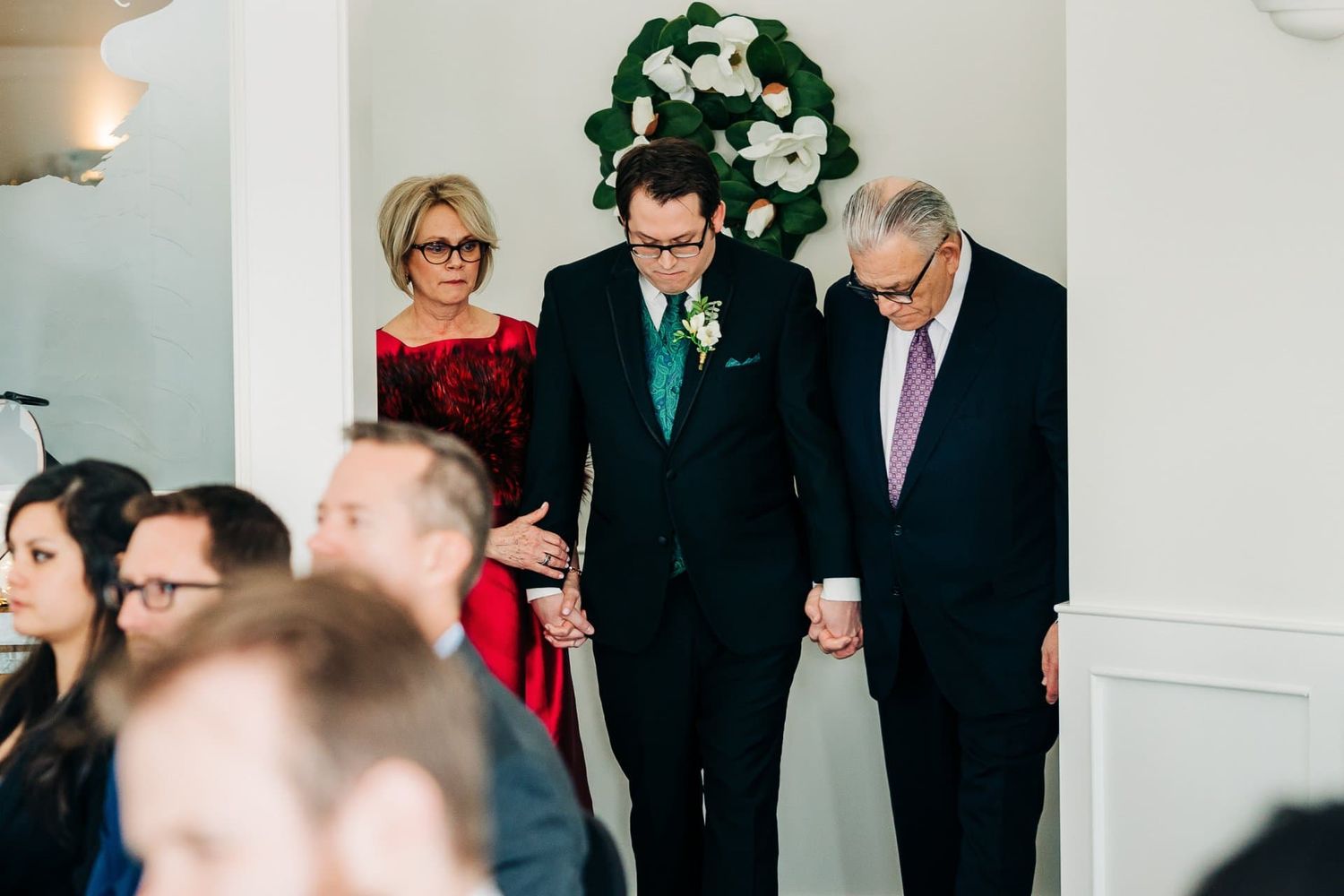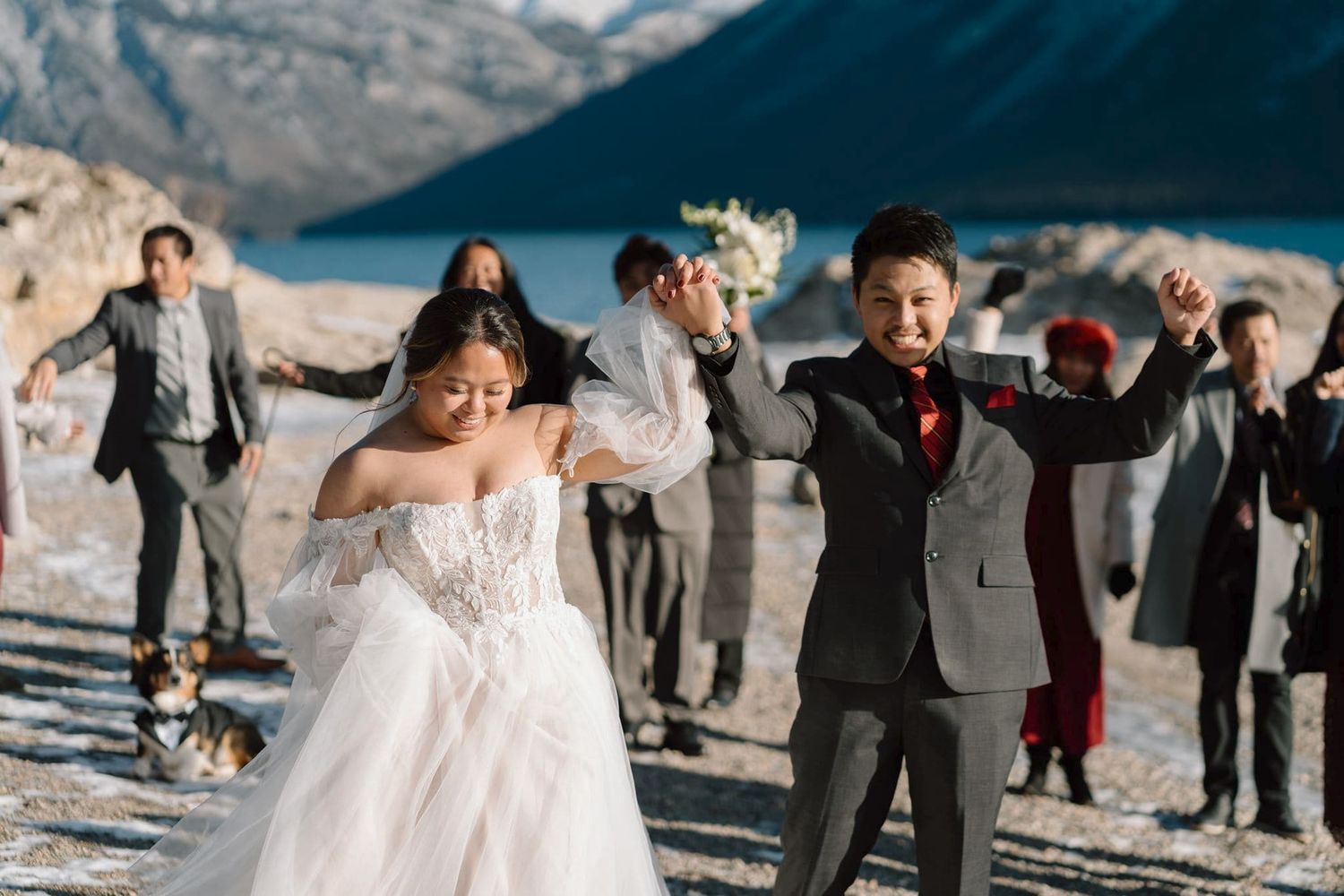

A father pauses halfway through a sentence because the room has gone quiet. Your best friend lands the one story that makes you laugh so hard you forget anyone is filming. Then, somewhere between a raised glass and a shaky breath, someone says something you will carry with you for the rest of your life.
Can wedding films feature toasts? Absolutely. For many couples, toasts are not simply a reception formality. They are living proof of how deeply they are known, loved, and celebrated by the people gathered around them. When handled with care, they can become the emotional thread that holds a wedding film together.
The question is not whether speeches belong in your film. It is how much of them belongs there, and how to preserve their honesty without turning a cinematic film into a long recording of dinner.
Why toasts carry so much emotional weight
Your vows tell the story of the promises you make to each other. Toasts reveal the wider story: who you were before this day, what your relationship has meant to the people closest to you, and the small, unrepeatable details that do not always make it into a formal ceremony.
A sibling may remember the first time they heard your partner's name. A parent may describe the quiet certainty they saw in your relationship. A friend may offer a hilarious story that brings the room to life. These words give a wedding film texture. They place your love story inside a community of people who have witnessed it grow.
For couples who value real moments over polished performance, that matters. A toast does not need to be perfectly delivered to be powerful. Sometimes the cracked voice, the pause for tears, or the laugh that interrupts a carefully prepared speech is exactly what makes it worth remembering.
Can wedding films feature toasts in a cinematic way?
Yes, but the strongest films usually do not play every speech from beginning to end. A wedding film is shaped by rhythm, pacing, and feeling. Rather than asking viewers to watch twenty uninterrupted minutes of reception speeches, a filmmaker may select the most meaningful lines and weave them through the story of the day.
Imagine hearing your maid of honor say, “You have always made each other feel like home,” while the film shows the two of you taking a quiet breath after the ceremony. Or hearing a parent's toast over footage of a first look, a hug during family portraits, or the first dance. The words gain new resonance when they are paired with the images that let you feel them.
This approach also protects the natural flow of your film. The toast becomes more than reception audio. It becomes a voiceover that connects the nervous anticipation of the morning, the joy of the ceremony, and the warmth of the celebration that follows.
That said, cinematic does not have to mean incomplete. Many couples choose a highlight film with carefully selected toast excerpts, along with a separate full-length edit of every major speech. The highlight lets you relive the emotional shape of the day in a concentrated, artful way. The full speeches preserve every inside joke, every name, and every word you may want to hear again years from now.
What makes a toast work on film
The most memorable toasts are not always the funniest or the most polished. They are the ones that feel specific. A story about the way you calm each other in difficult moments will often stay with you longer than generic marriage advice. So will a simple expression of love that catches everyone off guard.
From a filmmaking perspective, clear audio makes an enormous difference. Reception rooms can be full of clinking glasses, catering movement, music, and guests catching up at their tables. A professional audio setup helps preserve the speaker's voice clearly while still allowing the laughter and applause around them to feel present.
The timing of your toasts matters, too. If possible, schedule them when guests are seated and service is not at its busiest. Ask your DJ, planner, or venue coordinator to lower background music completely. These small choices do not make the moment feel staged. They simply give the people speaking the space to be heard.
If your celebration includes multiple speakers, consider giving each person a gentle time guideline. A heartfelt three-to-five-minute toast often lands beautifully. Longer speeches can still be meaningful, especially from parents or siblings, but keeping the overall toast portion intentional helps everyone stay engaged and gives your film room to breathe.
How to plan for toasts without making them feel forced
You do not need to script your loved ones. In fact, we would never encourage that. The lines that move you most are often the ones no one rehearsed. But you can help speakers feel prepared by letting them know ahead of time that their words matter to you.
Encourage them to speak from a real memory rather than trying to perform. They might share when they first recognized your relationship was something lasting, what they admire about you as a couple, or what they hope you always remember. This kind of guidance gives them a place to begin without taking away their own voice.
It can also help to tell your filmmaking team who is speaking and why their toast is significant. Perhaps your grandmother is offering a few words, or a lifelong friend is traveling from across the country. Knowing those relationships helps us anticipate reactions: the glance between you and your partner, the parent wiping away tears, the friend at the next table laughing before the punchline even arrives.
Those reactions are part of the toast. Often, they are the part you did not get to fully see while you were in the center of it.
A note about Same-Day Edits
If you are planning a Same-Day Edit to premiere during the reception, toast footage can sometimes be included, but it depends on timing. A film shown before dinner or early in the evening will naturally rely more on the morning, ceremony, portraits, and early celebration. If toasts happen before the premiere, a brief, powerful excerpt may fit beautifully.
The trade-off is practical: the later you screen the film, the more of the reception story can be included, but the less time there is for editing before guests gather to watch. A thoughtful team will help you build a timeline that protects both the surprise of the premiere and the moments you most want represented.
At Conquer Your Journey, we see that room erupt when a Same-Day Edit plays not as a production trick, but as a shared reflection of a day everyone is still living. When a meaningful toast can be woven into that moment, it adds another layer of connection.
Choosing between excerpts and full speeches
There is no single right answer because every couple remembers differently. If you want a film that feels like a distilled emotional memory, toast excerpts are often enough. They preserve the lines that make your heart stop while allowing the film to move with cinematic intention.
If you know you will want to revisit every word, request the full speeches as a separate edit. This is especially meaningful when parents, grandparents, or friends with decades of shared history are speaking. A full speech recording may not have the pacing of a highlight film, but its value grows over time. Years from now, hearing a familiar voice tell a story in full can be a gift beyond measure.
You can have both. One does not replace the other. The highlight film preserves how the day felt. The full toast edit preserves what was said.
Let the words become part of the memory
The best wedding films do not document every minute equally. They honor the moments that reveal something true: the hand squeeze before the aisle, the deep breath after the vows, the way your people look at you when they raise a glass.
Give your loved ones permission to be sincere. Let them laugh, pause, cry, and say the slightly imperfect thing that only they could say. Those words, held alongside the movement and warmth of your day, can bring you back not only to your wedding, but to the extraordinary feeling of being surrounded by people who knew your love was worth celebrating.