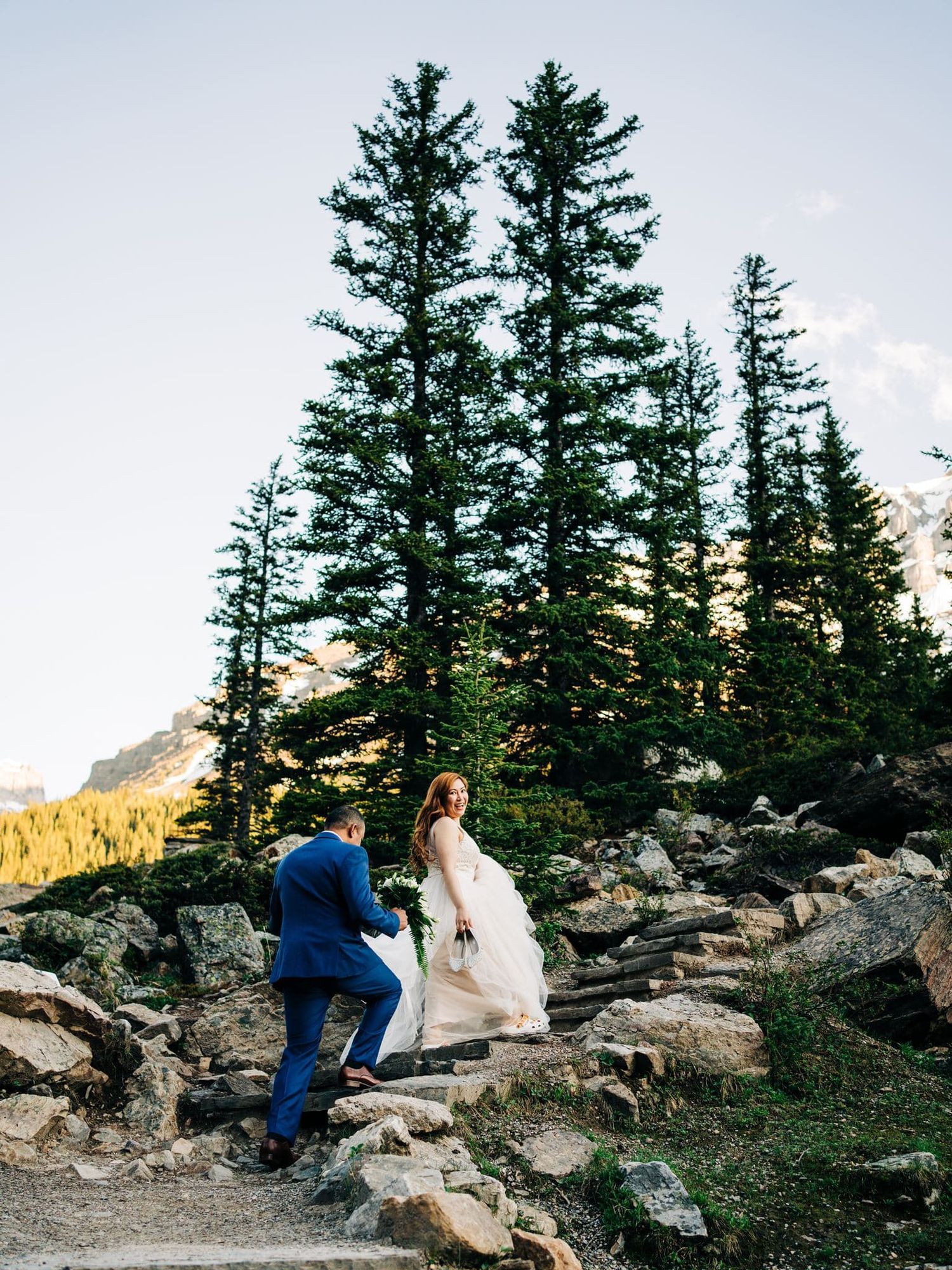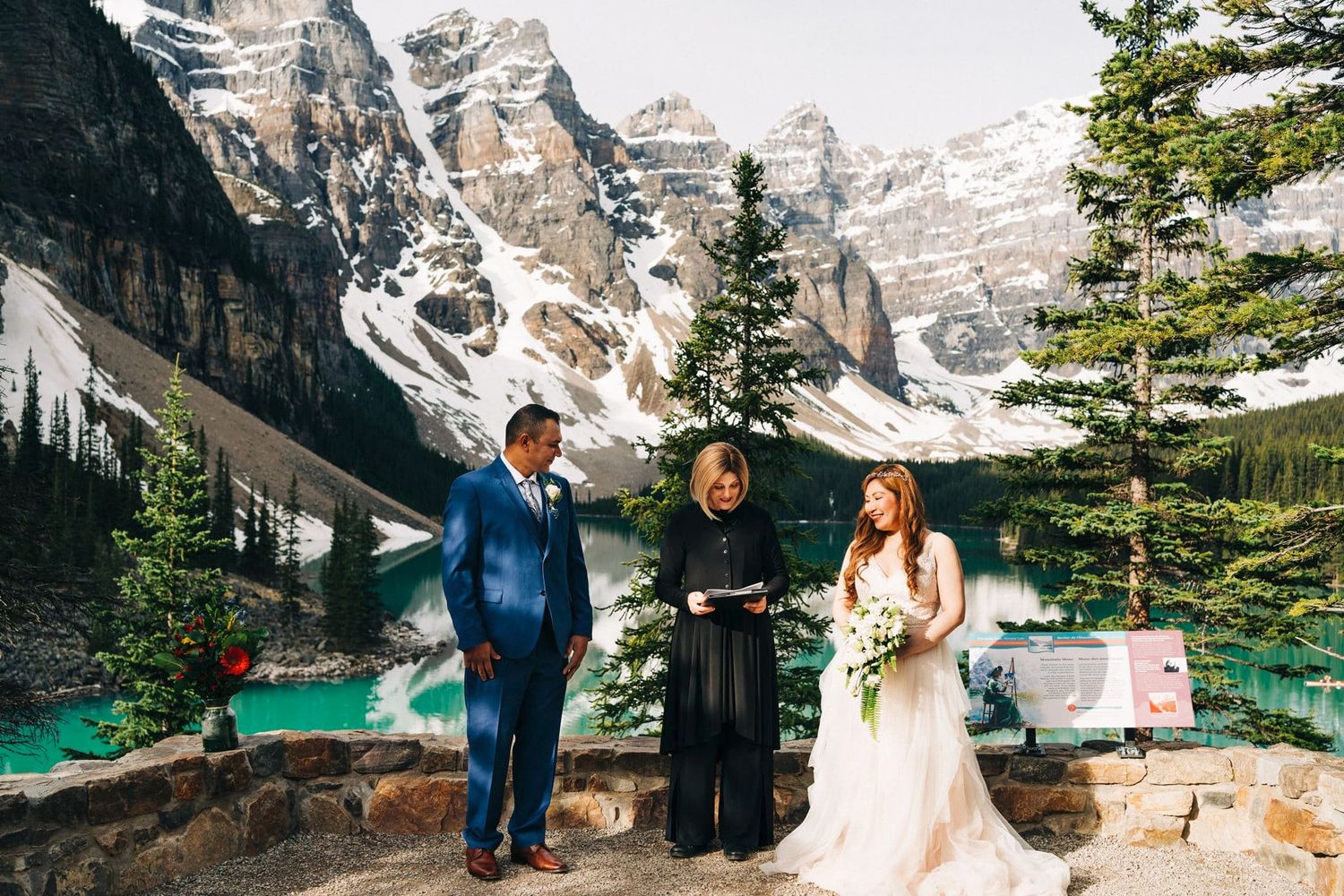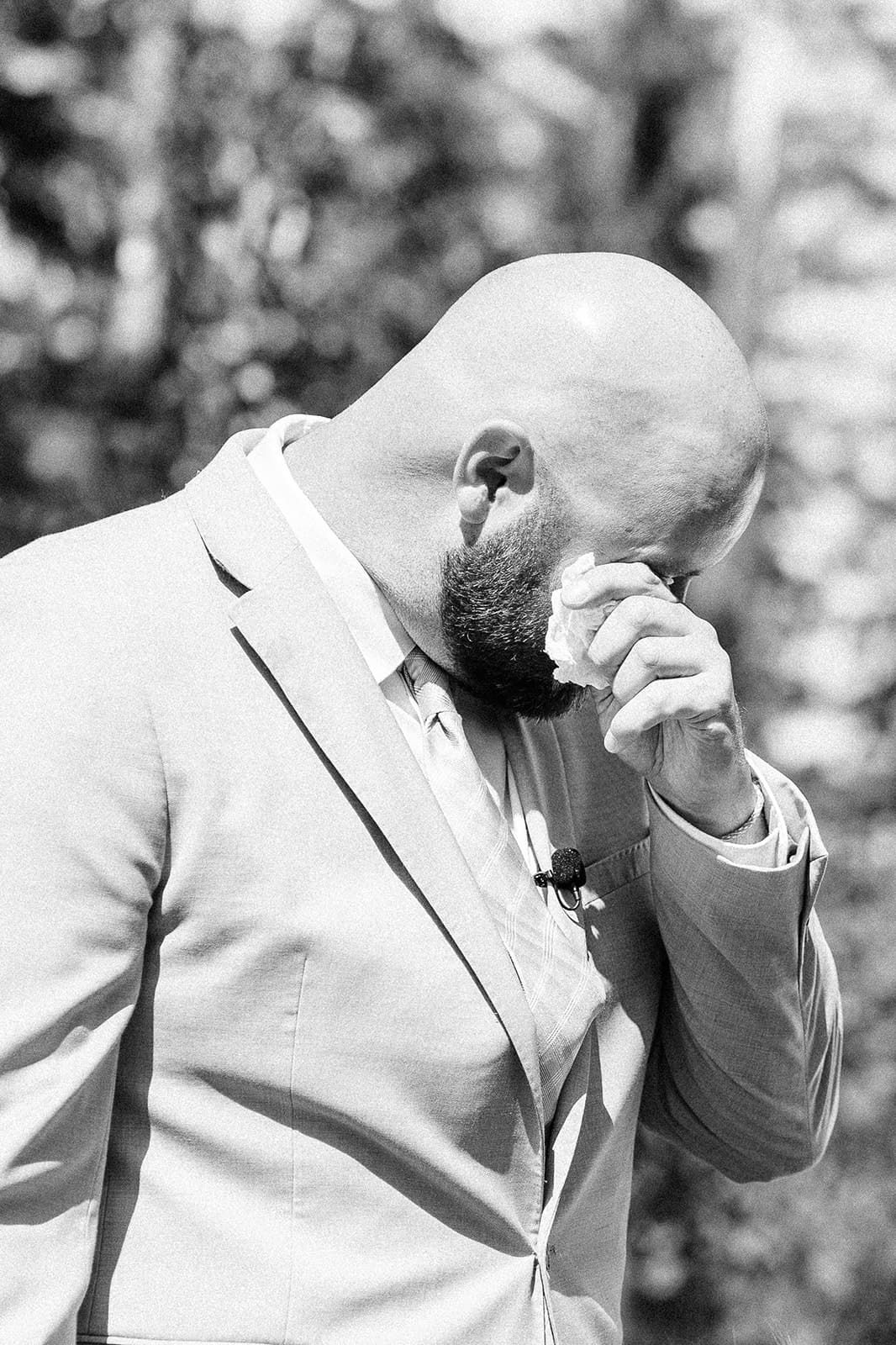

The question of digital versus printed wedding albums rarely feels urgent while you are planning your celebration. There are vows to write, people to gather, weather to watch, and a hundred small decisions competing for your attention. But years from now, the way you choose to keep your images may shape how often you return to the feeling of the day.
A digital gallery is immediate, expansive, and easy to share. A printed album is slower, tangible, and deeply personal. Neither is a lesser choice. The meaningful question is not which format is better in theory, but how you want your marriage story to live alongside your actual life.
Digital Versus Printed Wedding Albums: The Real Difference
Digital files preserve abundance. Your gallery can hold the nervous laughter before the ceremony, the quick squeeze of a parent’s hand, the wide mountain view, the dance floor chaos, and all the moments between. It gives you access to the full emotional rhythm of the day, not only its most polished frames.
For many couples, that access matters. You can revisit your photos from anywhere, send favorite images to family members, create a slideshow for an anniversary, or pull up the gallery when someone asks to see the dress, the first look, or the ceremony view. Digital delivery also protects the breadth of your story. A wedding is never just 30 perfect images. It is a living collection of expressions, movement, and people you love gathered in one place.
A printed album offers something different. It asks you to pause. Instead of scrolling through hundreds of images on a phone between appointments, you sit down together, open a cover, and turn pages in sequence. The story has room to breathe.
That physical experience changes the memory. You notice the expressions you might have passed over on a screen. You linger on the image of your grandparents holding hands during dinner. You see the way your partner looked at you when no one else was watching. An album does not replace your full gallery. It gives its most resonant moments a permanent home.
What a Digital Gallery Does Beautifully
Digital galleries are especially valuable for couples who want to share their celebration widely and preserve every layer of it. If you are planning a destination wedding, have family across provinces or countries, or simply love the freedom of keeping your memories close, a gallery makes connection easy.
It is also the natural companion to wedding film. Stills hold a moment still. Film returns you to the movement of it: the wavering voice in a vow, the applause after a ceremony, the way a room erupts when a Same-Day Edit plays before the reception ends. Together, photography and film create a fuller time capsule. One lets you study a fraction of a second. The other lets you hear the room and feel the pace of the day again.
There is a practical advantage, too. Digital images can be backed up in multiple locations, duplicated for loved ones, and used to create future prints, holiday cards, or anniversary gifts. The key is to treat those files with care. Download the high-resolution images, save copies in more than one secure place, and do not rely on a single phone, laptop, or online gallery as your only archive.
Still, ease can become distance. A gallery you mean to revisit can quietly disappear beneath work emails, travel photos, and the thousands of images added to your camera roll each year. Digital is wonderfully accessible, but accessibility does not always create ritual.
Why a Printed Album Becomes an Heirloom
A wedding album is not simply a collection of prints. When it is designed with intention, it becomes the version of your story that stays visible through life’s changes.
It may rest on a coffee table in your first home, then move with you years later. Your children may pull it down and ask about the people in the photographs. You may open it after a hard season and remember the promises you made to each other. The value is not in making your wedding look perfect. It is in preserving proof of how it felt to be surrounded by love.
For couples who chose a candid, documentary approach to their wedding day, albums are particularly powerful. The quieter photographs often become more meaningful with time: a deep breath before walking down the aisle, a sibling fixing a veil, hands reaching across a dinner table. These images are not always the ones that earn the fastest reaction online. They are often the ones that hold the most truth.
Printed albums also create a natural beginning, middle, and end. The anticipation of getting ready leads into the ceremony. The ceremony softens into embraces, dinner, speeches, and celebration. Rather than presenting disconnected highlights, an album lets you relive the emotional shape of the day as it unfolded.
That said, print is an investment, and it should be one that fits your priorities. If your budget is stretched by the experience you want to create for your guests, you do not have to force an album into the first round of decisions. Many couples begin with a thoughtfully preserved digital gallery, then create an album after the wedding when they have time and space to choose images with care.
The Album Is Not About Choosing Only “Perfect” Photos
A common hesitation is the pressure to select the absolute best images. But an heirloom album does not need to be a greatest-hits collection. It should feel like you.
Include the breathtaking portrait, of course. Then make room for the imperfect grin, the wind-blown veil, the tear that arrived without warning, and the friends who made the dance floor feel like home. The photos that matter most are rarely only the ones where everyone looks directly at the camera. They are the ones that bring the atmosphere back.
How to Decide What You Need
Start by thinking about your habits, not the trend. Do you often print photographs, frame art, and reach for physical objects when something matters? An album will likely become part of your home quickly. Do you travel often, share memories with a large circle, and love revisiting images on demand? A strong digital archive will be essential.
For most couples, the answer is both, just at different scales. Your digital gallery can be the complete record: the whole guest list, the full story, and all the spontaneous in-between moments. Your album can be the distilled emotional narrative, created from the images you know you want to keep returning to.
Think about who will hold these memories, too. A digital gallery is wonderful for sending photographs to a parent the morning after the wedding or sharing a film with friends who could not attend. An album is a gift to your future family. It gives people a way to encounter your story without needing a password, a device, or an internet connection.
If you are marrying in a place as visually grand as Banff or Canmore, it can be tempting to fill an album with landscapes alone. Let the scenery have its place, but remember why it mattered. The mountains, the light, and the venue become unforgettable because they held your people, your promises, and the beginning of your marriage.
Preserve the Story in More Than One Way
The best preservation plan has both heart and practicality. Keep your full-resolution digital photos backed up. Protect your wedding film the same way. Print a few images for the rooms you live in, not only for storage. And if an album speaks to you, give yourself permission to make one that tells the story honestly rather than perfectly.
At Conquer Your Journey, we believe photographs and films are meant to return you to a feeling, not simply prove that an event happened. Whether you reach for a screen or turn a page, the goal is the same: to find your way back to the nervous laughter, the unexpected tears, and the moment you chose each other.
One day, the details you worried about most may fade. What remains can be simpler and more precious: your hands, your people, your promises, and a story kept close enough to revisit whenever you need it.