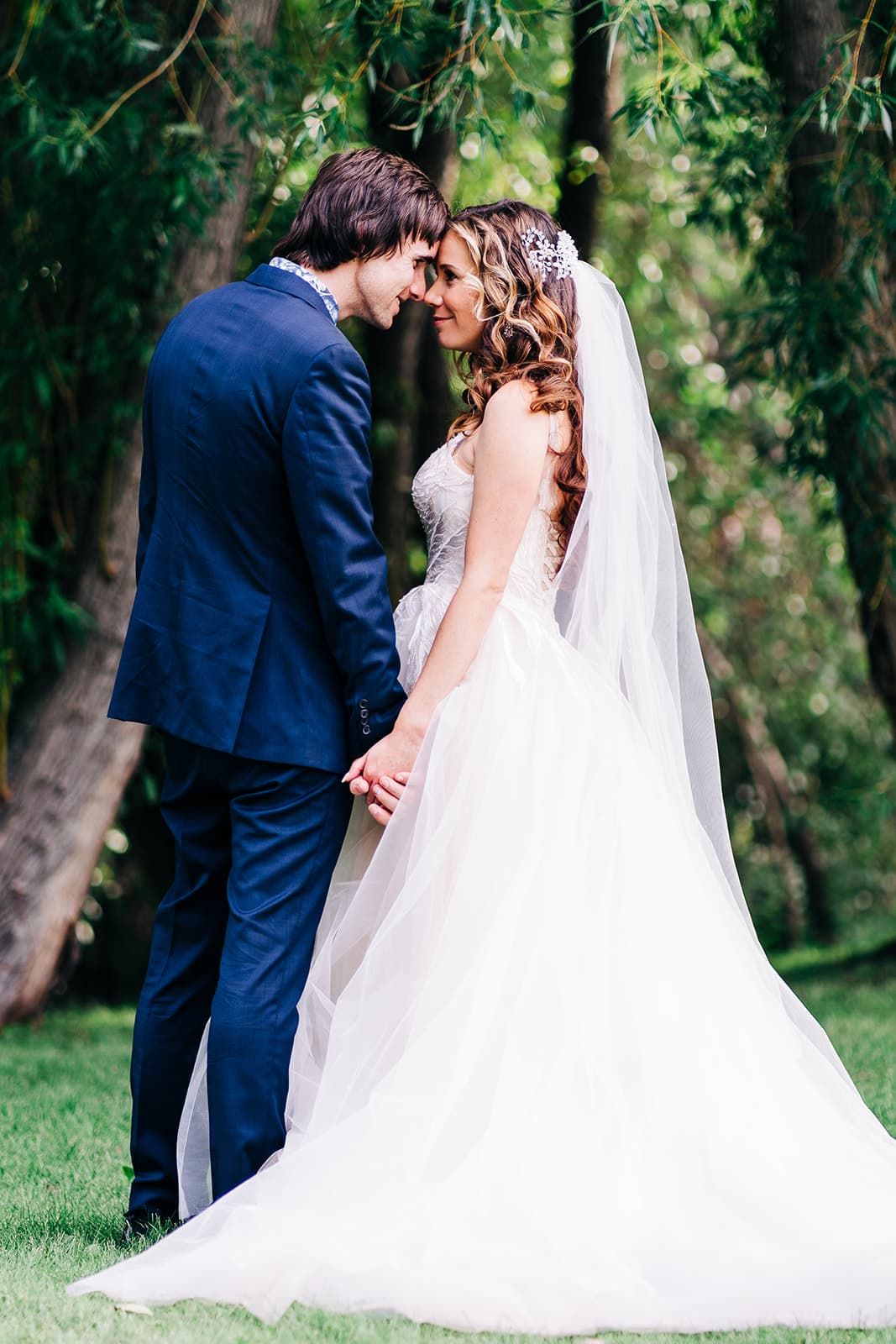
Your wedding photos should not leave you wondering, “Did we actually get to enjoy any of that?” The difference between documentary versus editorial wedding photos is not simply a matter of poses or presets. It is the difference between remembering how your day looked and being transported back to how it felt.
For couples planning a celebration in Calgary, Banff, or somewhere far beyond, this choice can shape the entire rhythm of the day. Photography affects how long you are away from your people, how often you are asked to reset a moment, and whether you feel like the subject of a production or fully present in your own story.
What Are Documentary Wedding Photos?
Documentary wedding photography is rooted in observation. Rather than directing every interaction, the photographer watches closely for the real ones: your parents seeing you dressed for the first time, the quick squeeze of a hand before the ceremony, the laughter that erupts during a toast when no one expected it.
The goal is not to make your wedding look unplanned. It is to preserve what genuinely unfolds without constantly reshaping it for the camera. A documentary photographer anticipates rather than interrupts. They notice the emotional undercurrents of a room, stay alert to changing light and movement, and make images from the moments that would otherwise pass too quickly.
This approach often produces photographs with movement, personality, and context. Your gallery might include the wild joy of a packed dance floor, a flower girl quietly studying her petals, or your grandparents holding hands at dinner. These frames matter because they do more than show who attended. They reveal the atmosphere you created together.
Documentary coverage does not mean careless coverage. It requires deep awareness, technical skill, and the patience to let a moment become what it is. The photographer may offer gentle guidance when needed, but the emotion is never manufactured.
What Are Editorial Wedding Photos?
Editorial wedding photography is more deliberately composed. It takes inspiration from fashion magazines, luxury campaigns, and carefully art-directed imagery. The photographer may guide where you stand, adjust the angle of a veil, refine the placement of your hands, or ask the wedding party to create a clean, balanced composition.
These photos are often polished, intentional, and visually striking. They can showcase the design of your celebration beautifully, from a sculptural floral installation to the architecture of a mountain venue. If you have invested heavily in fashion, stationery, tablescapes, or a meaningful location, editorial images can give those details room to breathe.
There is absolutely a place for this kind of artistry. A few thoughtfully directed portraits can feel timeless, especially when the light is extraordinary or the setting deserves a wider, more considered frame. The concern begins when editorial direction takes over the day and turns every meaningful interaction into a performance.
A wedding is not a campaign shoot. You should not have to repeat your first kiss because the angle was not quite right, or spend the golden hour you dreamed about cycling through poses while your guests celebrate without you.
Documentary Versus Editorial Wedding Photos: The Real Difference
The simplest distinction is this: documentary photography responds to life as it happens, while editorial photography shapes life into a specific visual idea.
Neither approach is automatically better. It depends on what you want to protect most. If your highest priority is a refined, highly curated visual record with precise posing and controlled compositions, an editorial-forward experience may feel right. You may enjoy being directed and feel energized by the creative process.
If you value emotional honesty, natural connection, and the freedom to remain immersed in your celebration, documentary coverage is likely a better fit. You may still want beautiful portraits, but you do not want your whole wedding day built around making them.
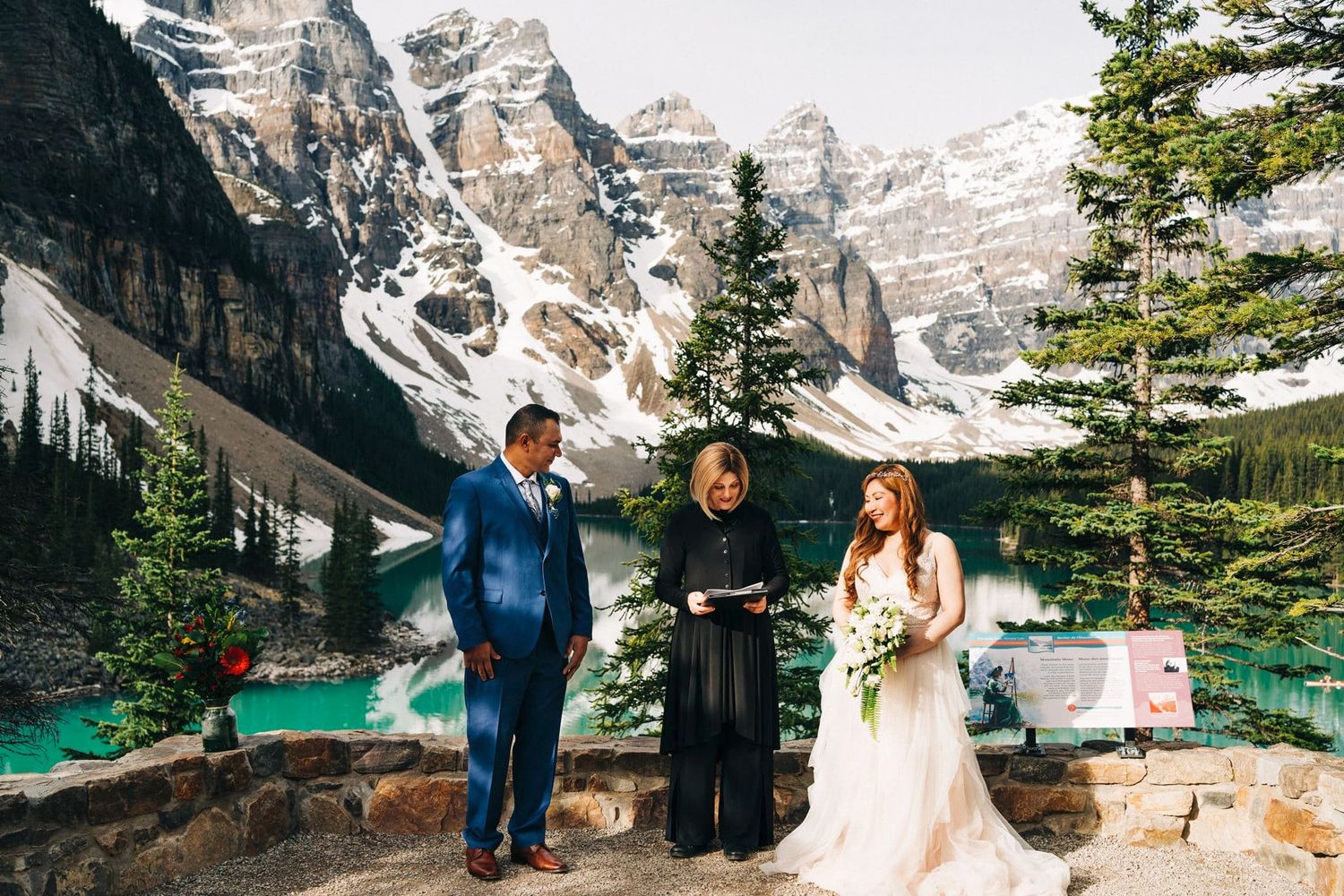
The strongest wedding galleries often hold space for both. There can be a graceful, guided portrait of the two of you against the peaks in Banff, followed by an unguarded frame of you laughing because the wind caught your veil at exactly the wrong moment. One is artfully composed. The other is alive. Together, they tell a fuller truth.
How Each Style Changes Your Wedding-Day Experience
Photography is not separate from your wedding experience. It has a direct effect on it.
An editorial-heavy approach usually needs more time for setups, direction, and refinement. That can be worthwhile when a couple loves the process and has intentionally built a generous photography timeline. But it can also create pressure, especially when weather changes, family portraits run long, or the day carries the natural unpredictability that makes weddings human.
A documentary-centered approach protects more space for presence. You can greet your guests after the ceremony, take an unscripted walk with your new spouse, and let the reception unfold without feeling pulled away whenever the light shifts. Your photographer is still working with purpose, but their work happens around the life of the day instead of requiring the day to pause for it.
This matters even more when photo and film are being created together. A coordinated team can cover the wide scene and the intimate reaction at the same time, preserving the natural rhythm of your day without asking you to recreate it. The best coverage feels quiet from your side, even when there is a great deal of anticipation happening behind the scenes.
You Do Not Have to Choose Between Beautiful and Real
Some couples worry that documentary means dark, accidental-looking snapshots, or that natural photographs cannot feel elevated. That is not the case.
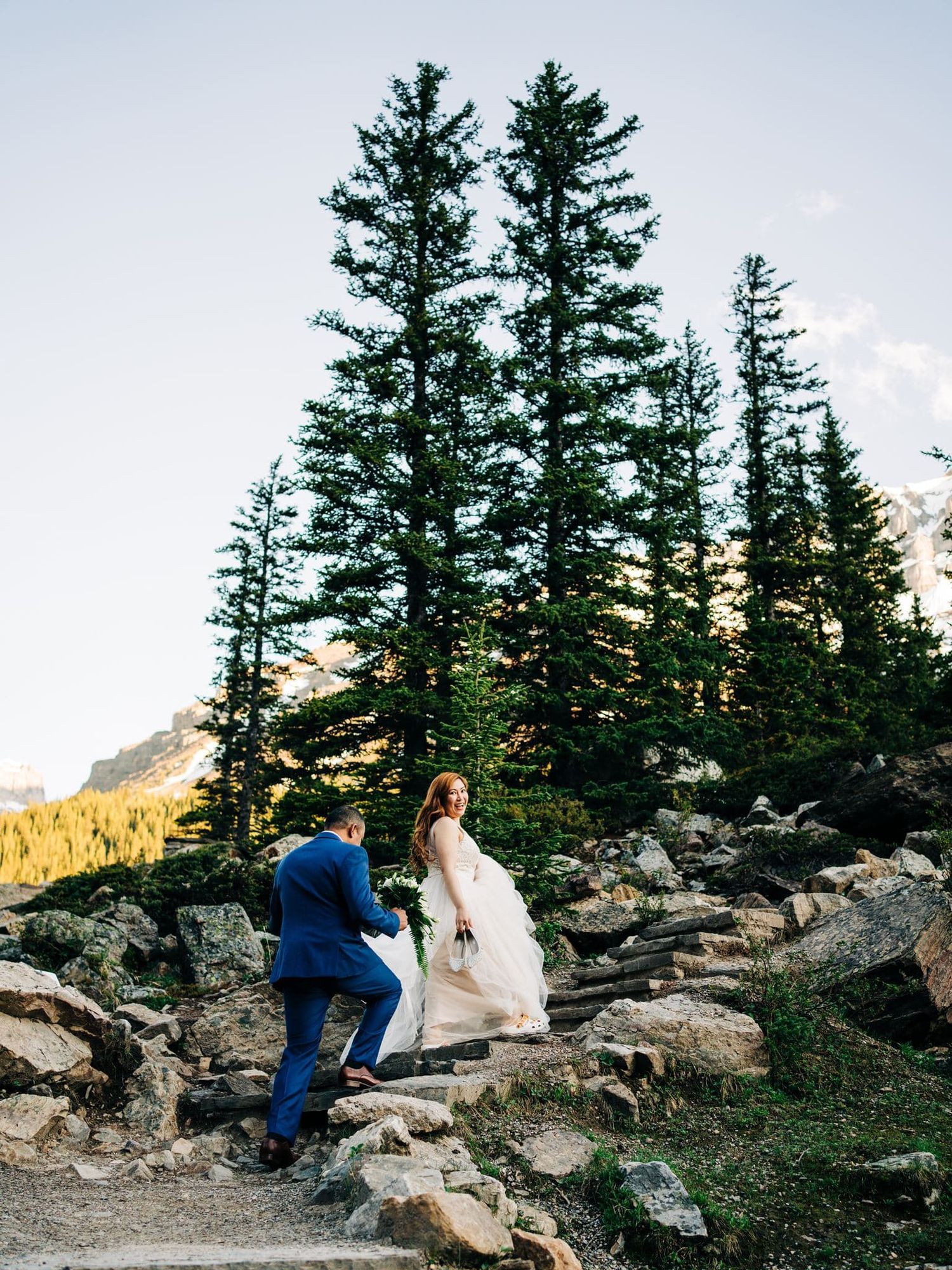
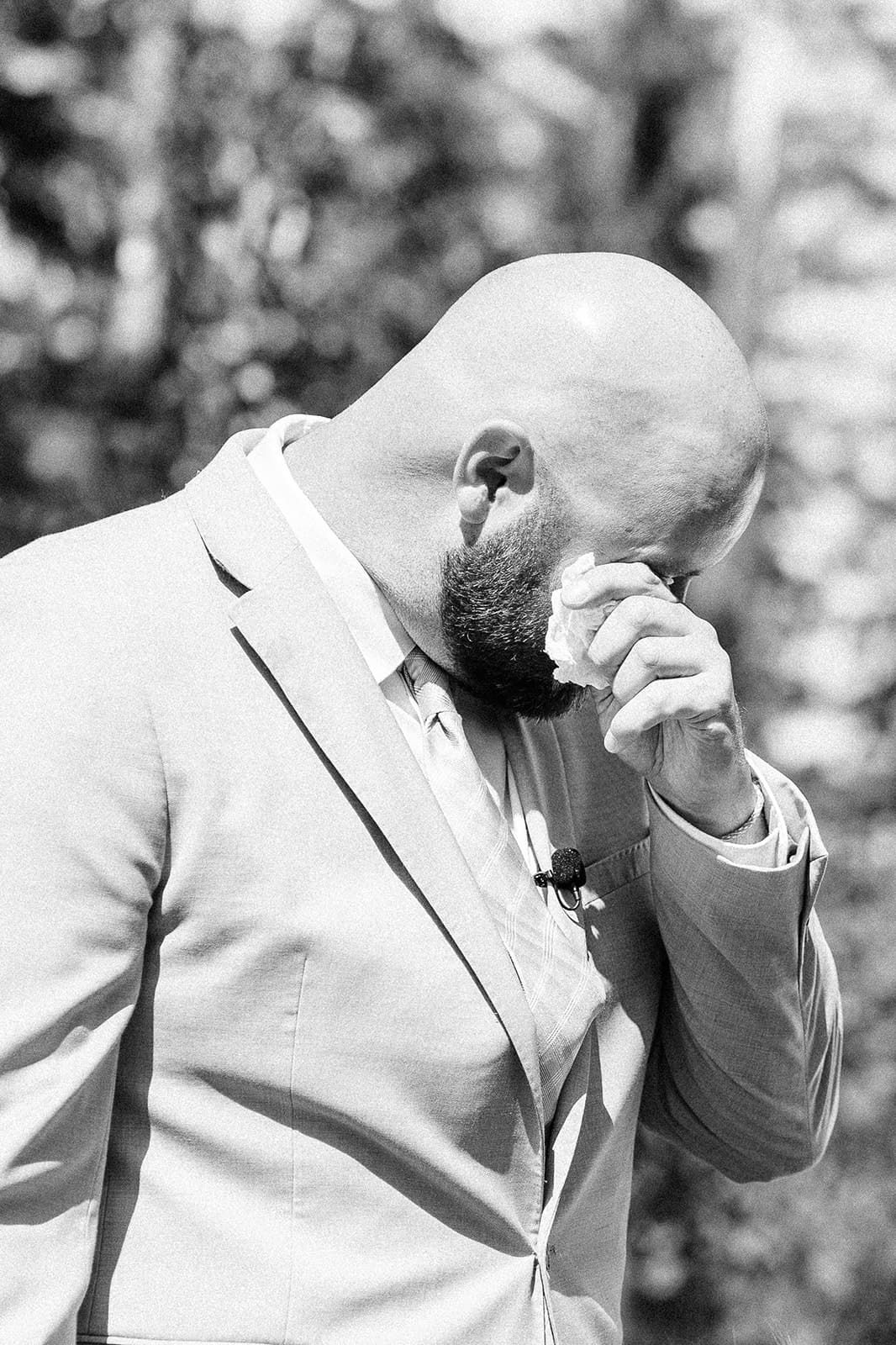
Beauty can come from genuine connection. It can live in the way you look at each other during private vows, in the movement of your dress as you cross an open field, or in the imperfect tears that arrive halfway through a parent dance. These moments do not need to be staged to be visually powerful. They need to be seen well.
At the same time, candid coverage should never be an excuse for a photographer to disappear without intention. You deserve someone who understands composition, light, timing, and the emotional stakes of a wedding day. The art is in recognizing the frame before the moment vanishes.
A meaningful balance might include a short portrait window with calm, simple prompts. Instead of being told to hold an unfamiliar pose, you may be asked to walk together, take a breath, or focus on each other. The result still has polish, but it comes from your real connection rather than a version of yourselves you are trying to imitate.
Questions to Ask Before You Choose
When you speak with a photographer, look beyond the labels. “Documentary” and “editorial” can mean different things depending on who uses them. Ask to see full galleries, not only highlight reels. Notice whether the people in the images look relaxed, whether family members and guests are part of the story, and whether the gallery holds emotional variety beyond perfect portraits.
It also helps to ask how much direction they typically give, how they handle family photos, and what happens if weather or timing changes. Their answers will tell you whether their process supports the kind of day you want to have.
Pay attention to how you feel during the conversation, too. The right creative team should make you feel understood, not managed. If you are already worried about being awkward in photos, you need professionals who can create safety without forcing a performance.
Choose the Photos That Bring You Back
Years from now, you may forget the exact shade of the linen or the song playing when dinner began. But you will remember the look on your partner’s face when you reached the aisle. You will remember your friends’ laughter, your mother’s tears, and the impossible feeling of being surrounded by everyone you love.
Choose photography that leaves room for those memories to happen. The most lasting images are not the ones that ask you to step outside your wedding day. They are the ones that let you return to it.