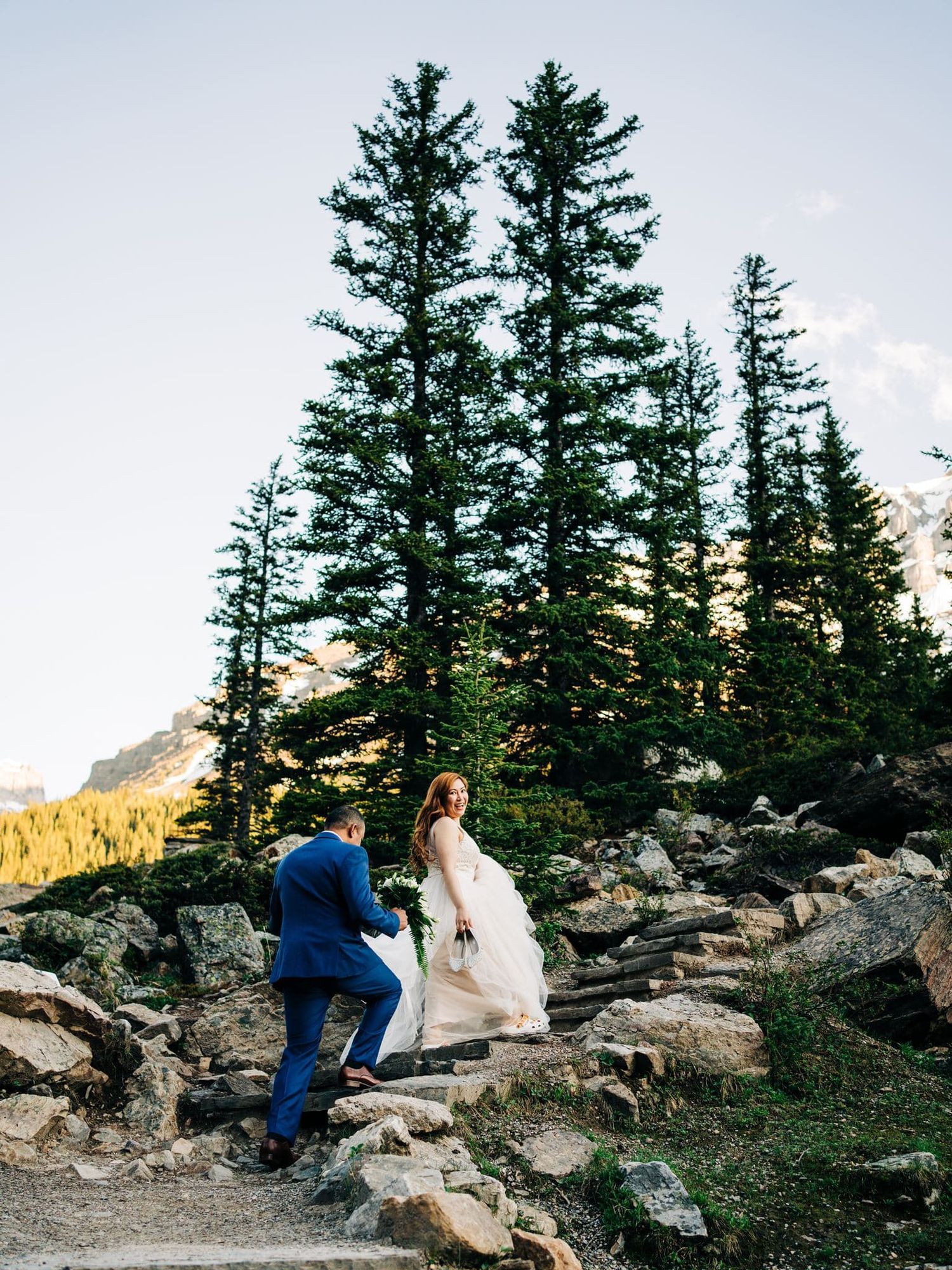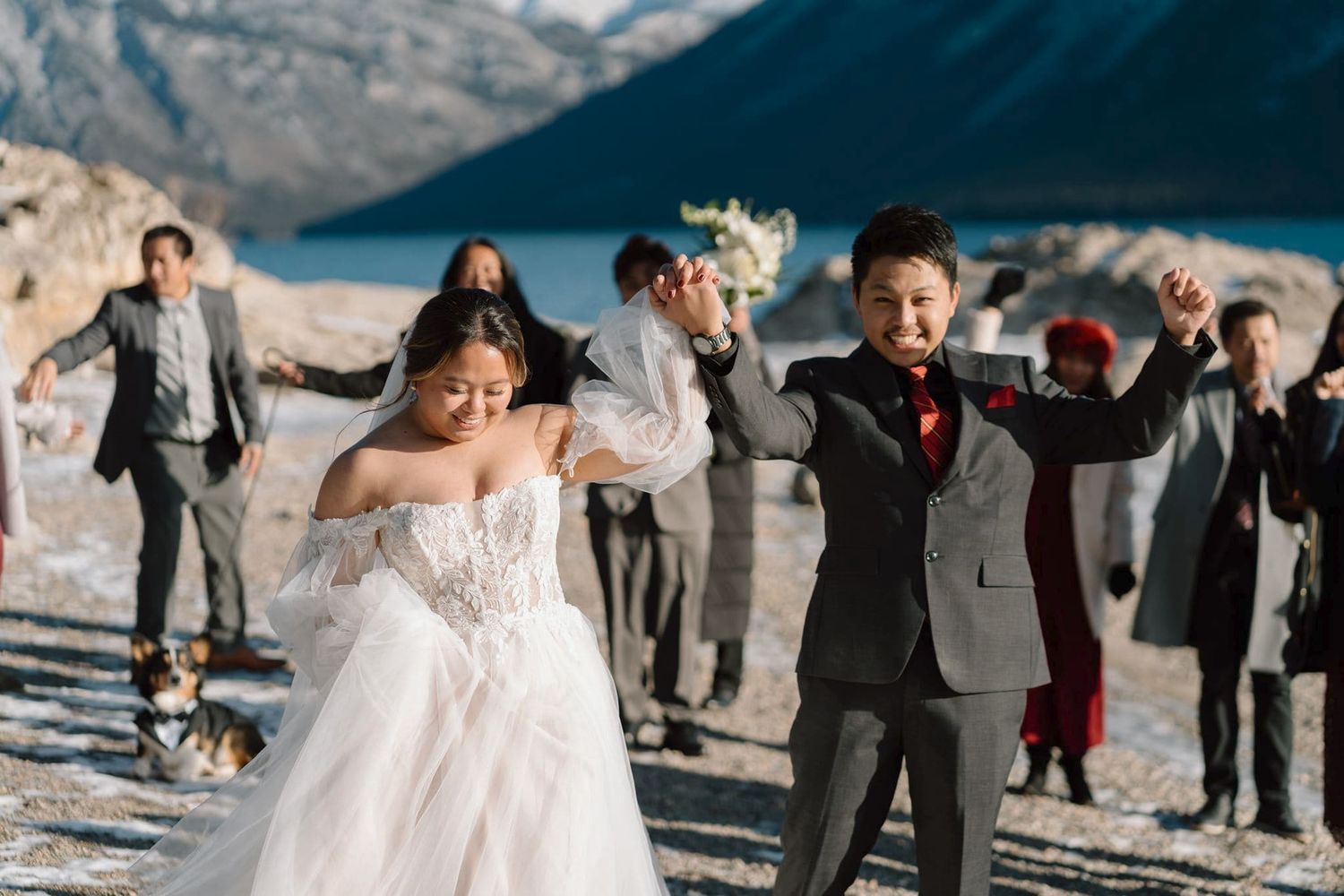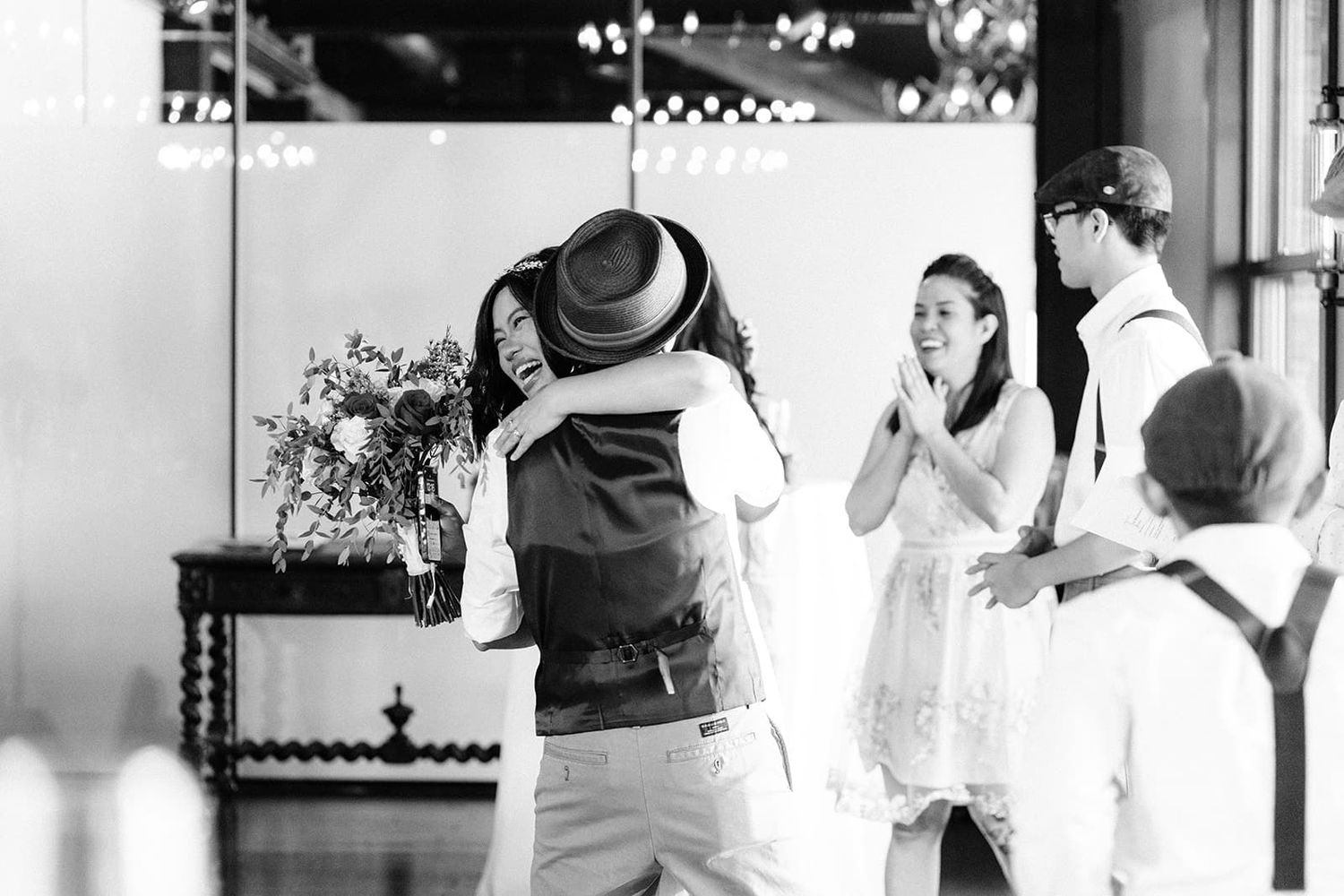
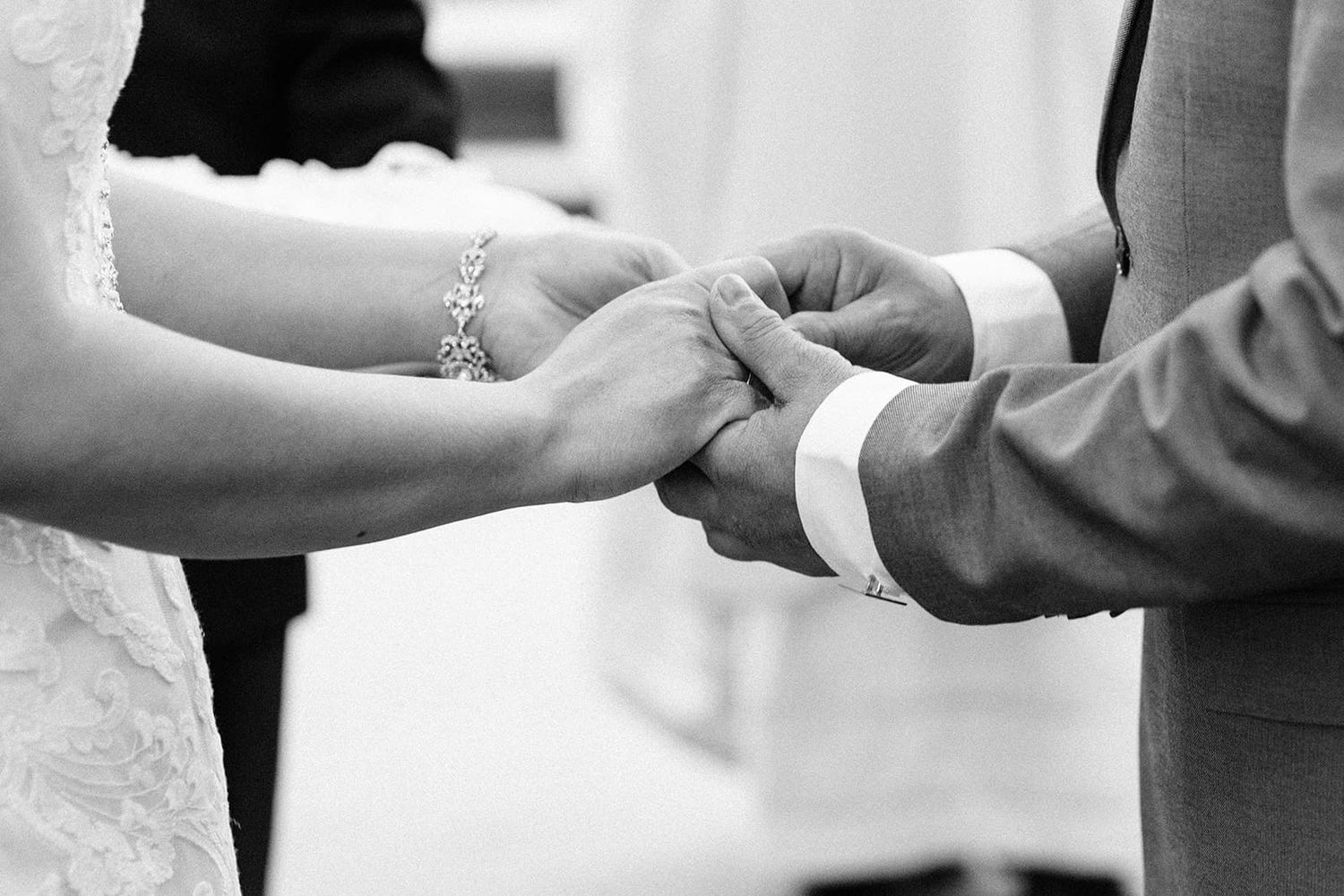
A wedding morning moves quickly: a parent fastening a button, the private breath before a first look, the laughter that breaks through nerves. When you are weighing dual coverage versus separate vendors, the real question is not simply who will take photos and who will make a film. It is whether your creative team will protect the feeling of those moments or add another layer of coordination to a day that is already full.
There is no universal right answer. Separate photography and videography vendors can create extraordinary work, especially when both teams communicate well and share a similar approach. But for couples who want to stay present rather than manage logistics, a coordinated photo and film team often changes the experience in ways that last far beyond the wedding day.
What Dual Coverage Really Means
Dual coverage means your photography and cinematography are created by one coordinated team under one shared creative direction. It is not merely a bundle with two invoices placed under the same logo. At its best, it is a team that knows how to move together, divide a room without disrupting it, and make decisions with both the still image and the moving story in mind.
That coordination matters in quiet moments. During a first look, one artist can hold space for the wide scene while the other notices a hand reaching for a sleeve or a tear that appears and disappears in seconds. During vows, the team can anticipate where to stand without stepping into one another's frame or interrupting the view your guests came to witness.
For us, the goal is never to turn your wedding into a production set. Photo and film should work together in the background, allowing the day to feel like yours. You should not have to repeat a laugh, pause a hug, or perform a reaction because one camera was not ready.
Dual Coverage Versus Separate Vendors: The Experience
The largest difference between dual coverage versus separate vendors is often felt before the ceremony even begins. With separate teams, you may have two creative leads, two onboarding processes, two sets of questions, and sometimes two ideas about how much direction a wedding day needs. None of that is inherently bad. Some couples enjoy building a distinct team of specialists and are happy to take an active role in connecting everyone.
Still, weddings have a way of making even small decisions feel bigger. If the timeline shifts because hair and makeup runs long, who decides whether portraits move, detail coverage shortens, or video needs a different audio setup? When your teams already work together, those conversations can happen quietly between them. You are not asked to solve a vendor problem while trying to be fully present with the people you love.
A unified team also creates a more consistent emotional atmosphere. Documentary-minded photographers and filmmakers tend to value patience, observation, and natural interaction. But styles can differ widely. A photographer may want a relaxed, candid day while a filmmaker may need frequent staged movement shots. Either approach can be beautiful, but the mismatch can leave couples feeling pulled in different directions.
With a shared approach, direction is intentional and minimal. We may guide you into good light or create a little breathing room for portraits, but we do not want to manufacture the heart of your day. The nervous laughter, the unscripted toast, and the way you look at each other after the ceremony are already enough.
Where Coordination Shows Up Most
A strong dual-coverage team is not valuable only because it reduces emails. Its value appears in the pace and emotional continuity of the day.
One Timeline, Built Around Real Moments
Photography and film have overlapping needs, but they are not identical. Film may need clean audio for vows and speeches, while photography may need a few extra minutes for family formals before the light changes. When one team plans both, those needs are considered from the start rather than negotiated in the moment.
This is especially meaningful for mountain weddings in Banff, Canmore, and Calgary, where travel time, changing weather, and quickly shifting light can shape the whole rhythm of a day. A coordinated team can adapt without making every adjustment feel urgent.
Better Use of Space and Attention
Ceremonies and receptions are full of meaningful sightlines. Your grandparents deserve to see you exchange vows without a cluster of cameras competing for position. Your first dance deserves to feel intimate, not like a staged shoot.
Teams who regularly work together understand each other's movement. One can capture the wide emotional context while the other reaches for a close detail, then both can step away when the moment calls for privacy. That kind of awareness is difficult to create on the spot, even between talented professionals meeting for the first time.
A Story That Feels Like One Memory
Your gallery and film are different heirlooms, but they should feel as though they belong to the same day. The color, pacing, emotional emphasis, and level of intervention should complement one another. You should recognize yourselves in both.
When photo and film teams share a vision, they can preserve the same story from different angles without duplicating every moment. A photograph might hold the stillness of a parent seeing you dressed for the first time. A film can carry the tremble in their voice when they tell you how proud they are. Together, those pieces create a fuller way back to the feeling.
When Separate Vendors May Be the Better Choice
Separate vendors can be a thoughtful choice when you have a very specific artist in mind for one medium, particularly if their work reflects a vision that is deeply personal to you. You may also prefer separate teams if your celebration requires unusually large crews or if you have a planner who is already coordinating complex production details across many vendors.
The key is not to assume that separate automatically means less personal or less organized. Ask each team how they work with unfamiliar vendors. Do they connect before the wedding to discuss the timeline, ceremony positions, portrait expectations, and audio needs? Are their styles compatible? Will both prioritize your experience over getting a particular shot?
You should also ask who takes the lead when timing changes. The answer will reveal a great deal about how the teams work under pressure. Kindness, flexibility, and clear communication matter as much as portfolios do.
Questions Worth Asking Before You Decide
Rather than comparing collections line by line, consider the practical and emotional experience you want. Ask whether the photo and video team has worked together before, how they coordinate during portraits, and how they avoid being in each other's shots. Ask how they capture ceremony and speech audio, who communicates with your planner, and what happens if weather reshapes the timeline.
It is also worth asking how much direction they typically give. If you are choosing candid, story-driven coverage because you do not want to spend your wedding performing, say that plainly. The right team will hear it as a priority, not a limitation.
For couples considering a Same-Day Edit film, coordination becomes even more essential. Creating a cinematic highlight to share before the reception ends requires careful planning, efficient handoffs, and an understanding of which moments will carry the emotional story of the day. It is a remarkable surprise for your guests, but it should never come at the cost of pulling you away from your celebration.
The Choice Is About More Than Convenience
Dual coverage is often described as convenient, and it is. One point of contact and one coordinated plan can make wedding planning feel lighter. But the deeper benefit is trust.
When your photo and film team are aligned, you can stop wondering whether everyone has the same plan. You can hold your partner's hand before the ceremony, listen when someone gives an unexpected toast, and disappear into the dance floor without looking around for a camera. The people documenting your day are already paying attention.
Your wedding will not be meaningful because every second went perfectly. It will be meaningful because you were there for it. Choose the coverage that gives you the greatest freedom to live the moments you hope to remember.