You can always spot the engagement sessions that were planned around appearances instead of meaning. The outfits are flawless, the backdrop is beautiful, and somehow the images still feel like strangers standing in good light. If you're wondering how to plan engagement photos, the real goal is not just to look polished. It's to create space for images that actually feel like your relationship.
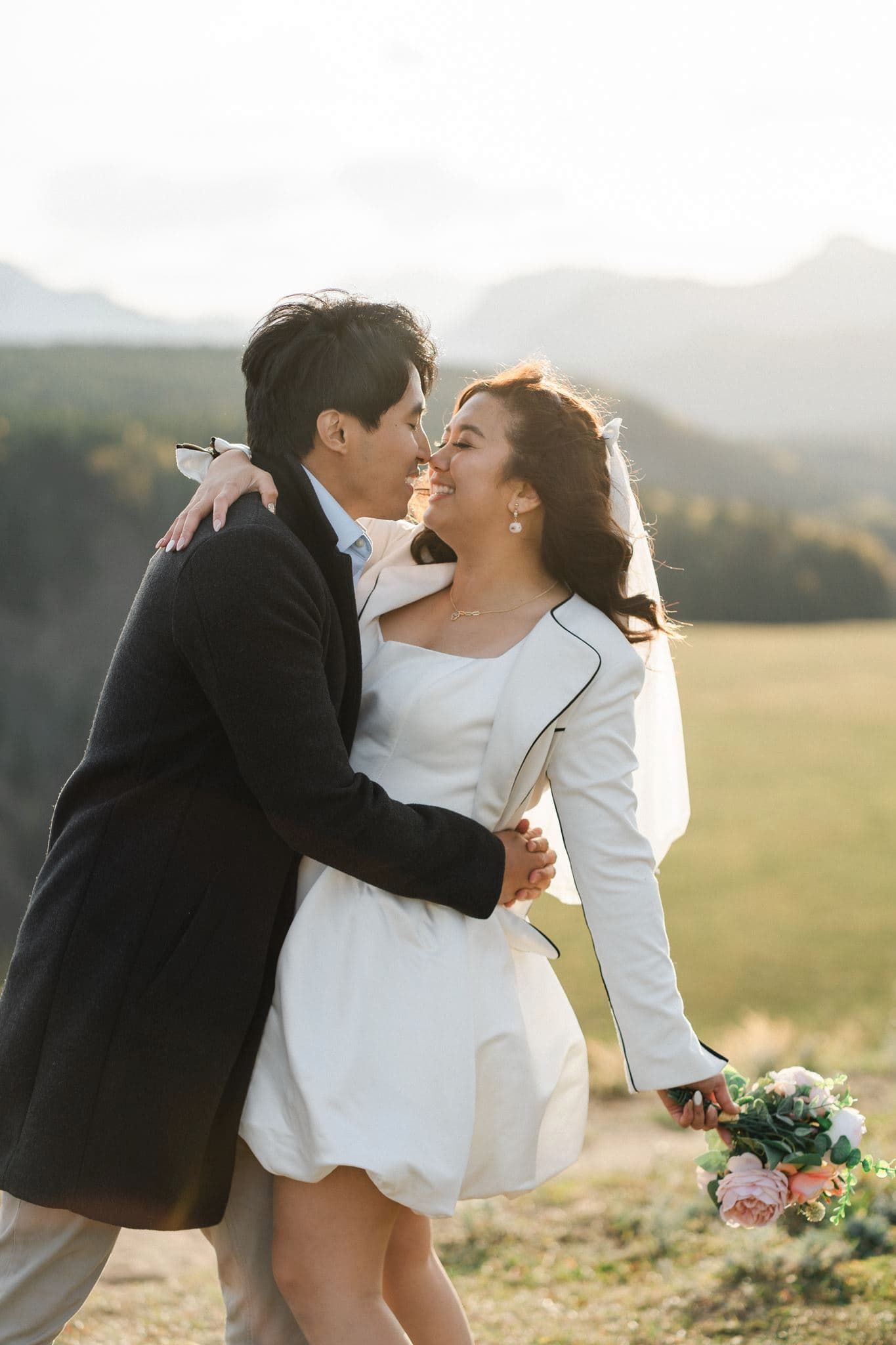
That usually means making choices that reflect who you are when no one is asking you to perform. The best engagement photos hold onto the in-between moments - the laugh that sneaks out, the hand squeeze, the way you naturally lean toward each other when you're comfortable. Planning matters, but not so much that it squeezes the life out of the experience.
Start with the feeling, not the pose
Before you choose a location or shop for outfits, ask a simpler question: what do you want these photos to feel like when you look back on them years from now? Maybe you want them to feel windswept and cinematic. Maybe soft and quiet. Maybe playful, city-based, and a little unfiltered. That emotional direction will shape every other decision.
This is where many couples get stuck. They start by saving poses from social media and end up trying to recreate someone else's chemistry. Inspiration can help, but it should never override your own story. If you build your session around a mood instead of a checklist of poses, your gallery tends to feel more personal and less borrowed.
A thoughtful photographer will help translate that feeling into something visual. A mountain location creates a different emotional rhythm than an urban street at dusk. A sunrise session feels different from golden hour. A session that includes movement, walking, and conversation will read differently than one built around formal portraits. None of those choices are wrong. They just tell different versions of your story.
Choose a location that means something - or says something
When couples think about how to plan engagement photos, location is often the first practical decision. The mistake is assuming meaningful always has to mean sentimental. Sometimes the perfect place is where you got engaged or where you spend Sunday mornings. Sometimes it's simply a place that matches your energy as a couple.
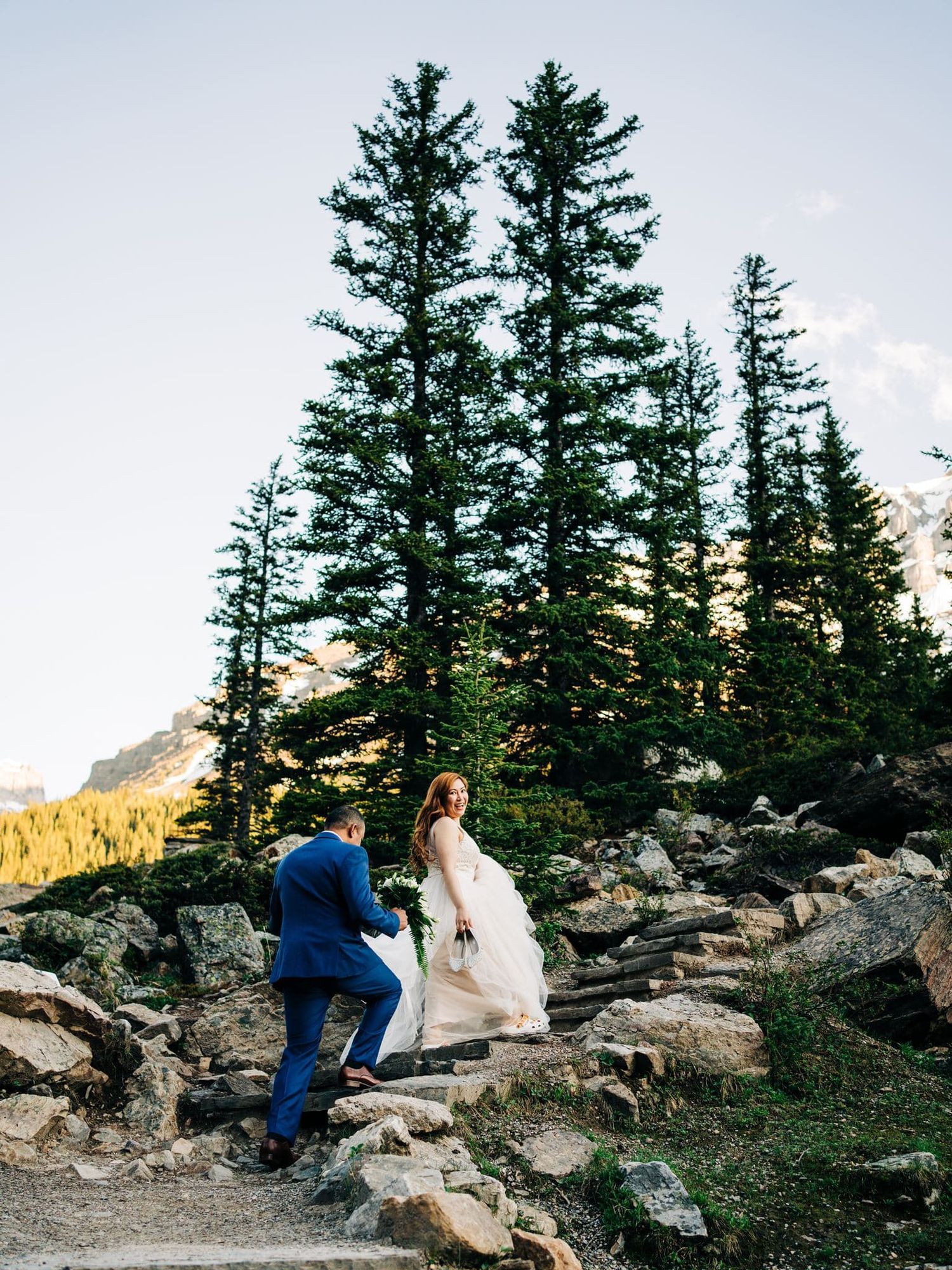
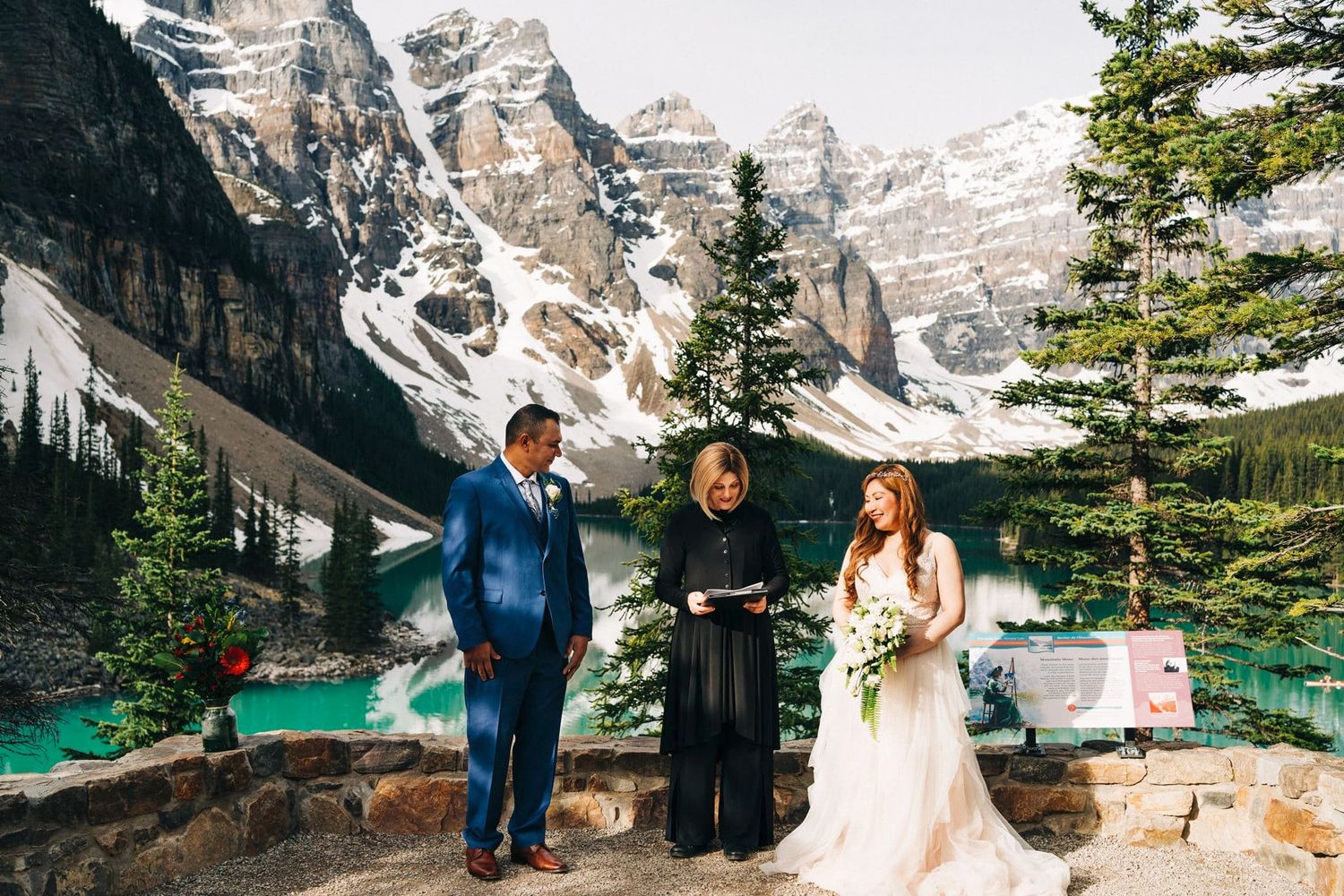
If you feel most like yourselves outdoors, a dramatic landscape can be the right fit. In and around Calgary, Canmore, or Banff, that often means choosing between mountain views, forest trails, open foothills, or lakeside spaces. Each gives a different texture to your images. Mountains can feel cinematic and expansive. A quieter trail can feel intimate and grounded.
If nature doesn't feel true to you, don't force it because it's trendy. A neighborhood coffee shop, downtown streets, your home, a favorite bookstore, or a place tied to your routine can create photos with far more honesty. Familiar spaces tend to relax people, and comfort shows up on camera.
There are practical trade-offs, of course. Beautiful locations can be crowded, windy, cold, or require more walking than expected. Private or indoor spaces may need permission. Home sessions can feel deeply personal, but they also ask you to be comfortable letting your real environment become part of the story. The right choice is the one that supports the experience you want, not just the backdrop you think you should have.
What to wear for engagement photos should never overpower you
Outfits matter because they influence how relaxed, confident, and connected you feel. They should support the session, not become the whole point of it.
Start with pieces that feel like elevated versions of your everyday style. If you never wear formal clothes, a session in very dressy outfits may look beautiful but feel slightly off. On the other hand, if you love fashion and want a more editorial feel, this is a wonderful place to lean into that. The key is alignment.
Soft, neutral, and earthy tones often photograph beautifully because they don't compete with skin tones or landscapes. That said, color can be part of your story too. A richer palette can add depth, especially in urban settings or cooler seasons. What usually matters more than the exact shade is how your outfits work together. You don't need to match. You do want to look like you belong in the same frame.
Movement also matters. Clothes that let you walk, sit, hold each other, and breathe easily will almost always lead to better images than anything restrictive. If you're constantly adjusting a strap, smoothing fabric, or worrying about shoes, that tension has a way of following you into the photos.
Many couples bring two outfits, which can work well if your timeline allows it. One can feel more casual and lived-in, the other more refined. Just avoid overcomplicating the session. Too many changes can interrupt momentum, and momentum is often where the most natural moments appear.
Timing changes the entire mood
Light is not just technical. It's emotional. The same location can feel open and airy at sunrise, golden and romantic at sunset, or crisp and editorial on an overcast day.
Golden hour is popular for good reason. The light is softer, more flattering, and often more cinematic. But it is not the only option. Sunrise can be quieter and less crowded, which some couples prefer. Cloudy weather can create beautiful, even light and a more intimate mood. If you're planning in the mountains, weather can shift quickly, and flexibility helps.
Season matters too. Summer gives longer evenings and easier access to many locations, but it can also mean crowds. Fall adds texture and warmth. Winter can be stunning, especially with snow, though comfort becomes a bigger part of the plan. Spring often feels fresh and romantic, but conditions can be less predictable.
A good session plan makes room for reality. Build in extra time for parking, walking, weather changes, and the first few minutes it takes to settle your nerves. Rushing is one of the fastest ways to make a session feel stiff.
If you're nervous, that's normal
Most couples are not professional models, and they do not need to become them for an hour. Feeling awkward at the beginning is common. In fact, one of the biggest parts of how to plan engagement photos is planning for enough breathing room that you don't feel like you're stepping onto a stage.
The photographer's role is huge here. The right person won't just tell you where to put your hands. They'll create prompts, movement, and conversation that bring out something real. That might mean walking together, telling a story, sharing a private joke, or simply pausing long enough for the pressure to drop.
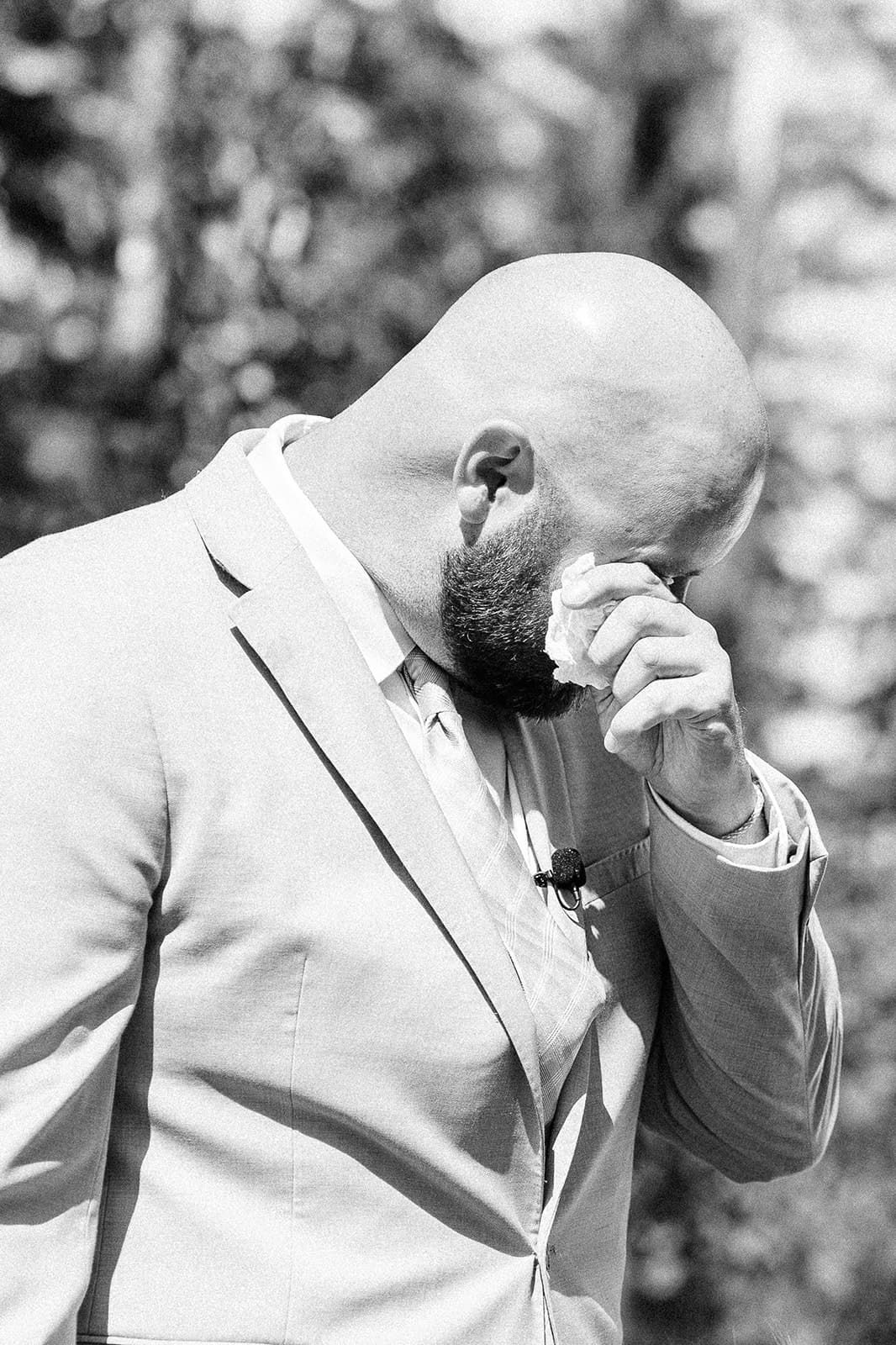
It also helps to reset your expectations. A successful session is not one where you nail every pose. It's one where you stay connected to each other. Some of the strongest images happen in the seconds between direction, when you stop thinking about the camera and come back to the person beside you.
Personal details make the session feel like yours
Not every engagement session needs props, but the right detail can add depth. Maybe you bring coffee from your favorite spot, a blanket for a quiet lakeside moment, champagne to celebrate, or your dog because leaving them out would feel incomplete. The detail should mean something, even if it's simple.
This is especially true if you're drawn to documentary-style imagery. Real life gives a session texture. A shared routine, a favorite record, a place you return to often - these details help your photos speak in your own language instead of a generic one.
The same principle applies to hair, makeup, and styling. If those things help you feel confident, great. If they make you feel unlike yourself, scaling back may be the better choice. Timeless usually comes from recognition. You want to look back and feel, yes, that was us.
Work with your wedding story, not separate from it
An engagement session does not have to stand alone. It can be part of the emotional arc of your wedding experience.
For some couples, these photos become save-the-dates or part of the wedding website. For others, the session is less about deliverables and more about building trust with the team documenting the wedding day. That trust matters. When you've already been in front of the camera together, the wedding day tends to feel more familiar and less intimidating.
This is one reason many couples choose a team that approaches photography with story in mind. At Conquer Your Journey, for example, that connection between engagement session and wedding day is part of the larger legacy being documented - not just how it looked, but how it felt to be in this season together.
Give yourselves permission to be present
The most beautiful engagement photos rarely come from perfect planning alone. They come from thoughtful planning followed by a willingness to let go a little. Choose the place that feels right. Wear what lets you breathe. Trust the light, trust the process, and pay more attention to each other than to whether every strand of hair is in place.
Years from now, what will matter most is not whether the session looked effortless. It will be whether it still feels true.