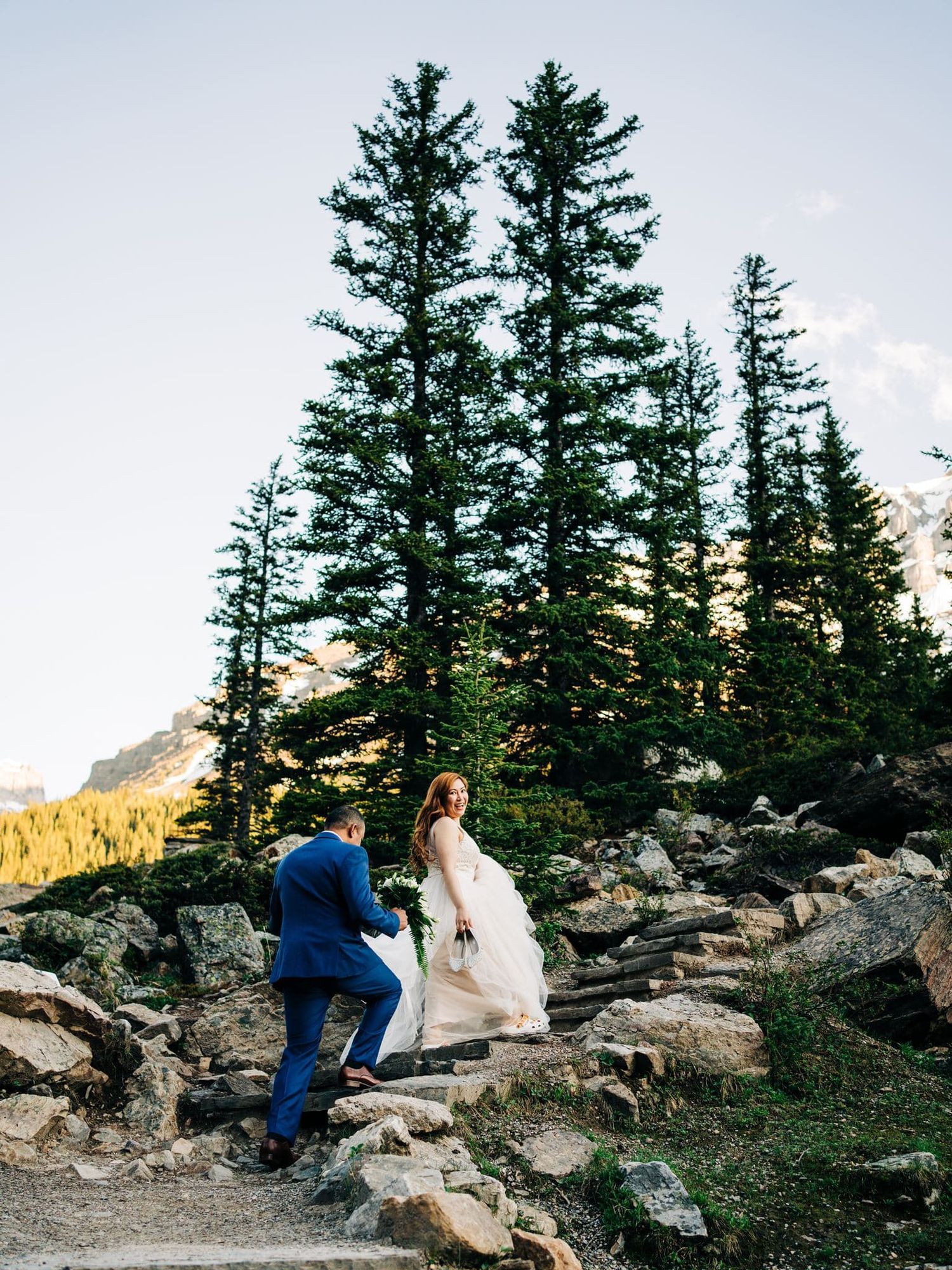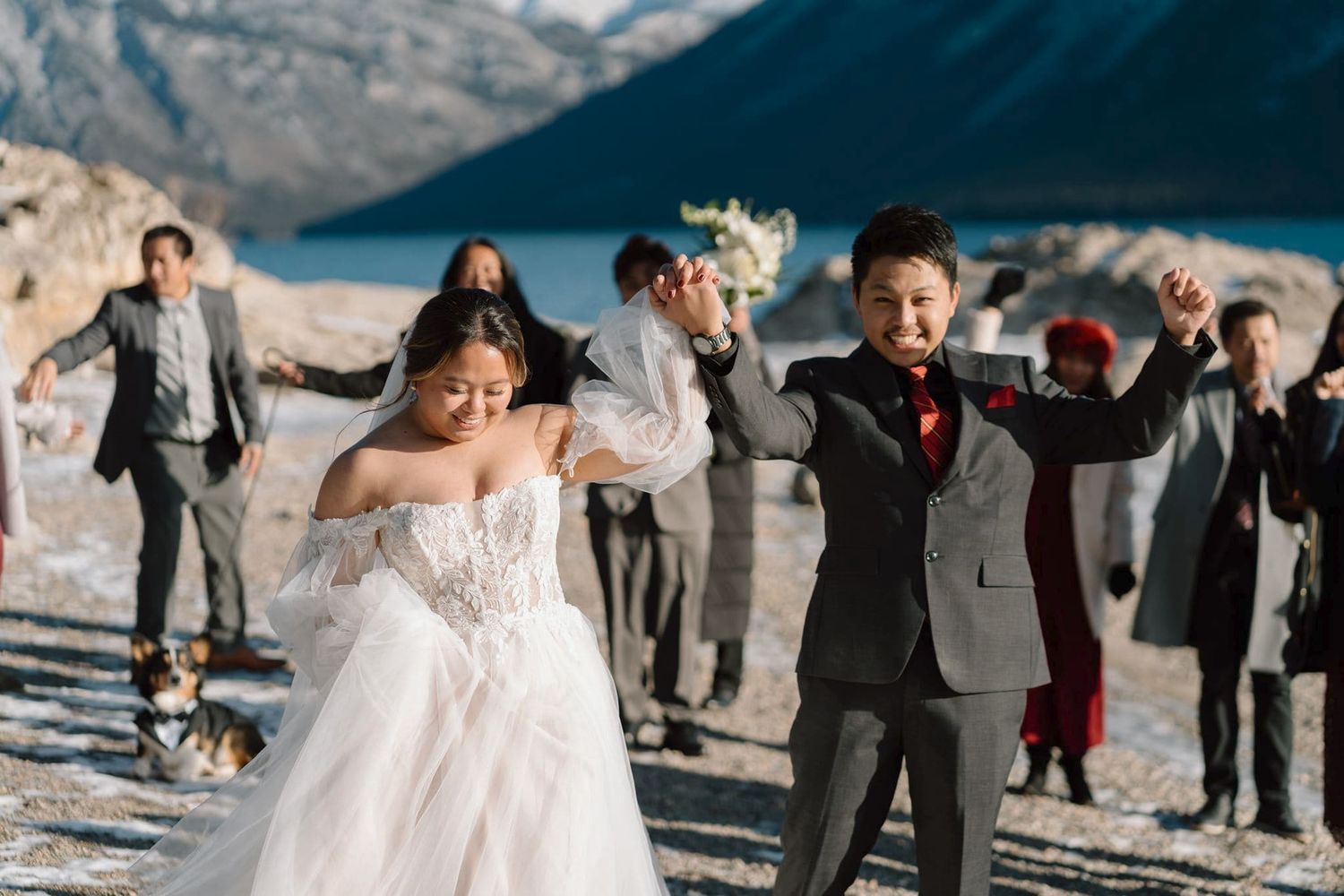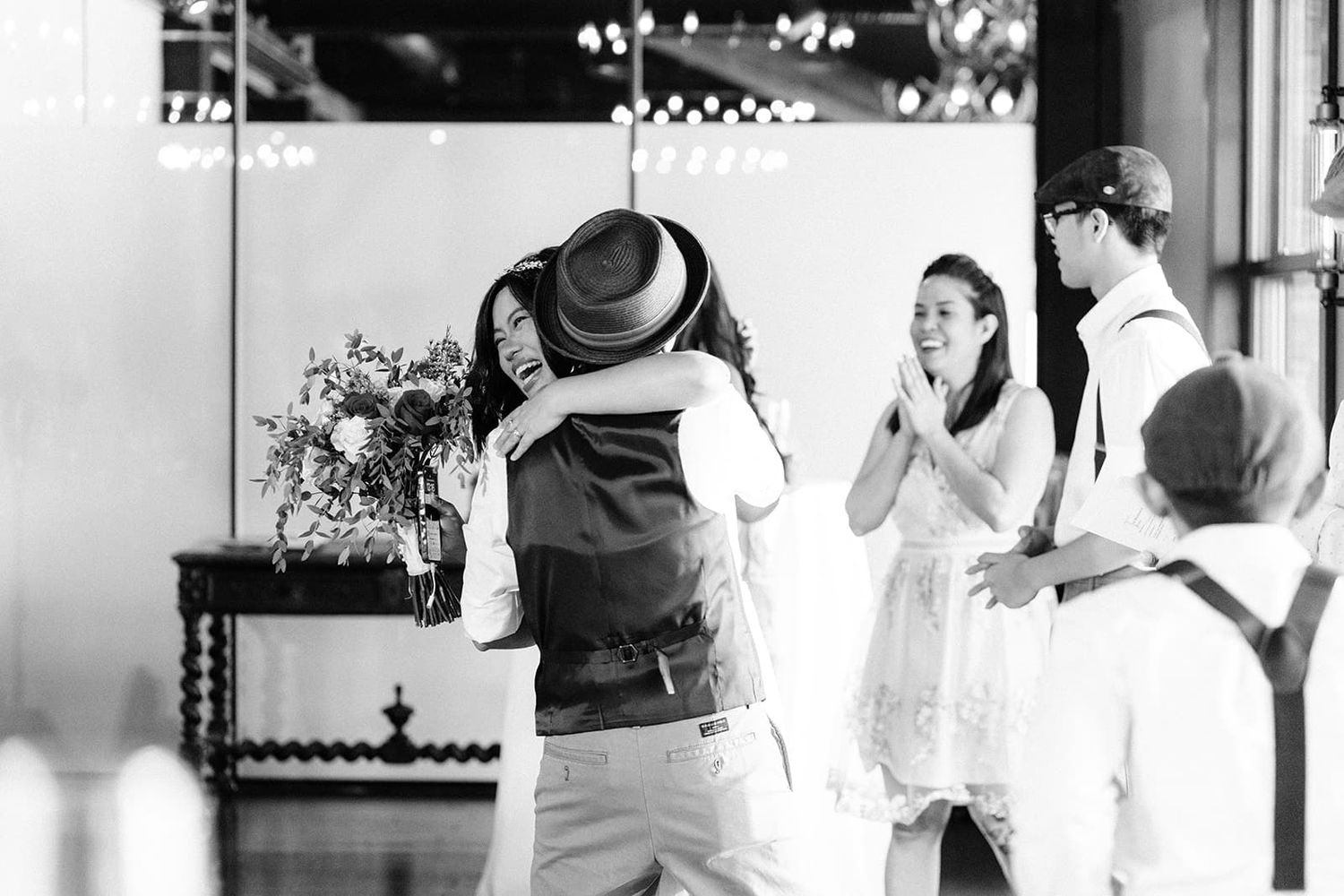
A wedding day can look effortless in photographs and film, yet that feeling is usually protected long before anyone steps into a dress or pins on a boutonniere. Learning how to plan wedding day timeline is not about filling every minute. It is about creating enough space for the nervous laughter, the deep breath before the aisle, the hug that lasts longer than expected, and the celebration you actually get to live.
The best timelines have a quiet confidence to them. They honor what must happen, but they do not treat your wedding like a production schedule where every person is rushed from one scene to the next. When you build in breathing room, candid moments have somewhere to land.
How to Plan Wedding Day Timeline Around What You Feel
Start with the moments that carry the most emotional weight for you. For one couple, it is a private first look in the stillness of the morning. For another, it is seeing each other for the first time at the ceremony, surrounded by everyone they love. Maybe it is an unhurried dinner with your closest people, sunset portraits in the mountains, or having a Same-Day Edit film shown before the dance floor truly opens up.
There is no universal “right” timeline because there is no universal wedding day. Begin by naming the experiences you do not want to rush. Those are your anchors. Then work backward from your ceremony and forward from your reception, placing the practical pieces around them.
This approach also gives your planner, venue, and creative team a clearer picture of what matters. A timeline is not simply logistics. It is a way of protecting the atmosphere you chose when you imagined this day.
Start With the Non-Negotiable Times
Your ceremony start, reception entrance, dinner service, venue access, and end time form the framework. If you are marrying in Banff or Canmore, consider the realities of mountain travel, changing weather, parking, and the time it takes guests to move between locations. A beautiful overlook may be only a short distance on a map, but loading a wedding party into vehicles and getting everyone settled can take far longer than expected.
Ask each vendor what timing they genuinely need, not merely what they can squeeze into a perfect day. Hair and makeup teams need a realistic completion time. Caterers need dinner cues. Your band or DJ needs to understand when formalities will happen. Your photography and film team need to know whether family portraits, sunset, speeches, and any special film presentation have a place to breathe.
When every vendor is guessing, a day can begin to feel fragmented. When the timing is shared early, each person can support the same experience.
Build a Buffer Into Every Major Transition
Most timeline stress does not come from one large disaster. It comes from small delays stacking up: a button that will not fasten, a missing bouquet, a grandparent who needs a little more time walking to family photos, or a shuttle that arrives ten minutes late.
Plan for those realities with intention. Add 10 to 15 minutes after hair and makeup finishes, before the ceremony, after family portraits, and before reception formalities. For travel between venues, allow more time than a navigation app suggests. For a large wedding party, give yourselves more than the minimum needed to gather everyone, not less.
Buffers are not empty space. They are where the day stays gentle when life happens. They also create the conditions for documentary images and films that feel honest, rather than hurried evidence that you were there.
Decide Whether a First Look Serves Your Day
A first look can be a beautiful choice, but it is not a requirement for meaningful images. The decision should be about your emotional experience and the shape of your schedule.
With a first look, you can often complete couple portraits, wedding party photos, and much of the family photography before the ceremony. That usually means more time with guests during cocktail hour and less pressure after you say your vows. It can also give you a private moment together before the day gathers momentum.
Without a first look, the ceremony reveal can feel especially powerful and traditional. You will likely need a longer portrait window afterward, which can be completely worth it if that first aisle moment is central to your story. In this case, consider extending cocktail hour or offering guests an experience that keeps them comfortable and engaged while you step away.
Neither option is more authentic. Authentic is choosing what allows you to feel most like yourselves.
Give Portraits Shape, Not Pressure
Couples who dislike stiff photos often worry that a portrait block means standing still and performing. It does not have to. The purpose of setting aside portrait time is not to manufacture moments. It is to create a protected pocket where you can be together, take in what just happened, and let the day slow down for a minute.
For most weddings, 45 to 60 minutes for couple portraits is a generous starting point, especially if travel or a meaningful location is involved. You may split that time into two shorter sessions: one after the ceremony and another near sunset. This often feels easier than disappearing for a long stretch, and it gives your final gallery and film a sense of the day changing around you.
Keep family formals focused. Prepare a short list of the groupings that matter most, designate one person who knows both families to help gather people, and plan around 20 to 30 minutes for a concise list. The larger and more complex the family, the more time you should allow.
Protect the Reception Moments You Will Want to Relive
The reception is where a careful timeline becomes emotional memory. Your entrance, toasts, first dance, parent dances, cake cutting, and open dance floor all deserve consideration, but they do not need to follow a rigid script.
Think about your guests’ energy. If dinner runs long, speeches may land better between courses than after everyone has been seated for hours. If your sunset window is brief, tell your planner and creative team in advance so you can step out for ten minutes when the light is right. If you are planning a Same-Day Edit film, set aside a natural moment during the reception for its reveal. The room’s reaction becomes part of the story too.
Avoid placing every formal event back to back without pause. Guests appreciate a rhythm that moves between attention, conversation, food, and celebration. More importantly, you deserve a few minutes to eat, hold hands, and look around the room at the people who came to witness your marriage.
A Sample Wedding Day Flow
Use this as a starting rhythm, not a rulebook. The exact times will depend on your ceremony hour, season, venue layout, and whether you choose a first look.
- 11:00 a.m. - Final hair and makeup touches, detail photos, and relaxed getting-ready moments
- 1:00 p.m. - Getting dressed, letters, gifts, and first look if desired
- 1:30 p.m. - Couple portraits, wedding party photos, and immediate family photos
- 3:30 p.m. - A quiet reset, travel, and guest arrival buffer before the ceremony
- 4:00 p.m. - Ceremony, followed by congratulations and a few just-married moments
- 5:00 p.m. - Cocktail hour, remaining portraits, and sunset photos when the light allows
- 6:30 p.m. - Reception entrance, dinner, speeches, and a planned window for any Same-Day Edit reveal
- 8:30 p.m. - First dance, parent dances, and an open dance floor that feels like a true release
Share One Clear Timeline With Everyone
A beautiful plan only helps if the right people have it. Create a final version with contact names, addresses, travel notes, vendor arrival times, and the order of major events. Your planner should lead the day when one is present, while your photography and film team should receive the schedule early enough to flag places where timing may feel tight.
Still, resist the urge to hand every guest and family member a minute-by-minute document. They only need the information relevant to them. Keep the full timeline for the people responsible for carrying the day forward, and let everyone else be present.
At Conquer Your Journey, we believe the most lasting images are rarely the ones forced into existence. They are the ones that happen when a couple feels safe enough to forget the camera is nearby.
Leave room for the unscripted. Your wedding day will not be meaningful because it ran exactly on time. It will be meaningful because you had enough time to notice the hands reaching for yours, the voices shaking during speeches, and the person you married standing beside you in the middle of it all.