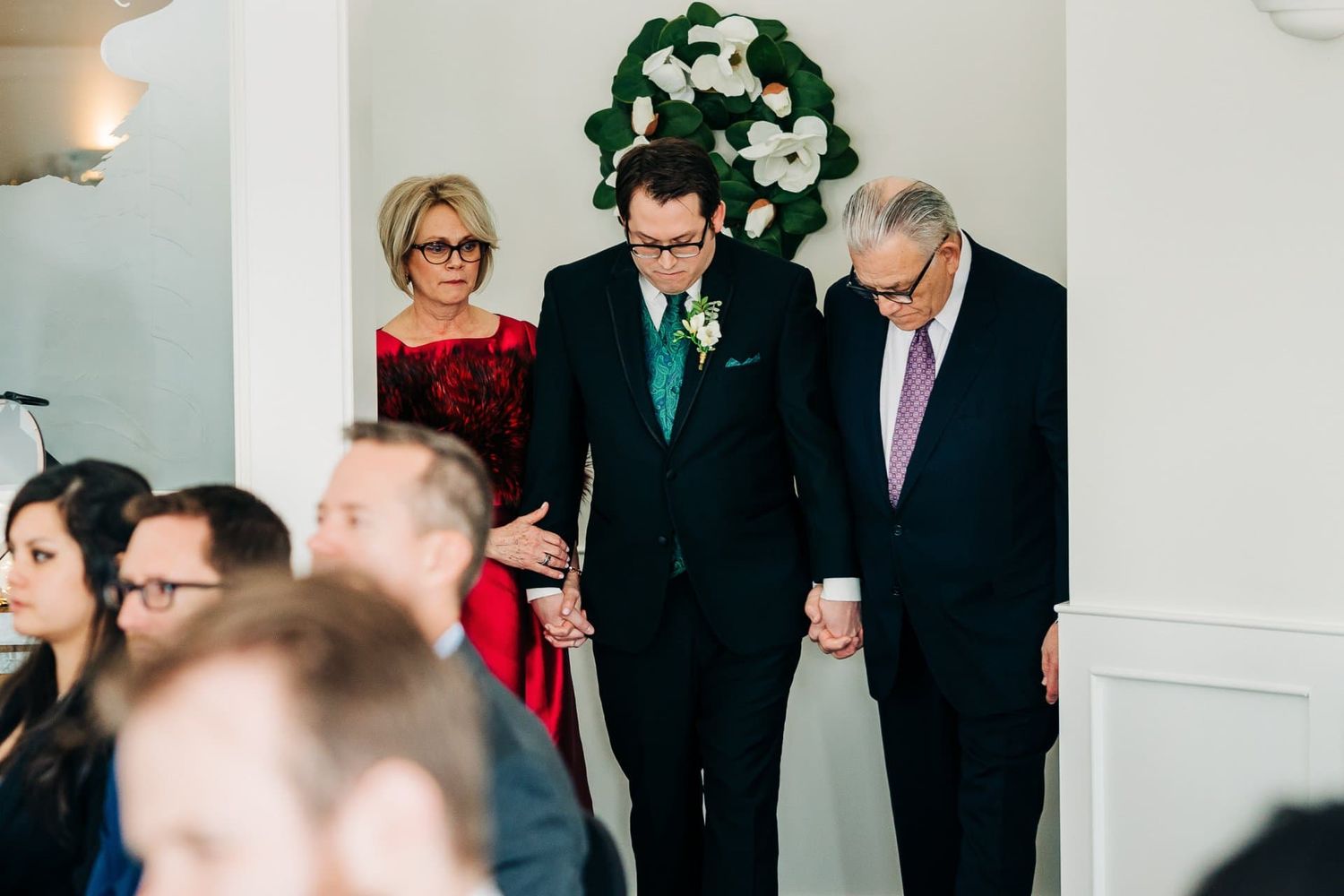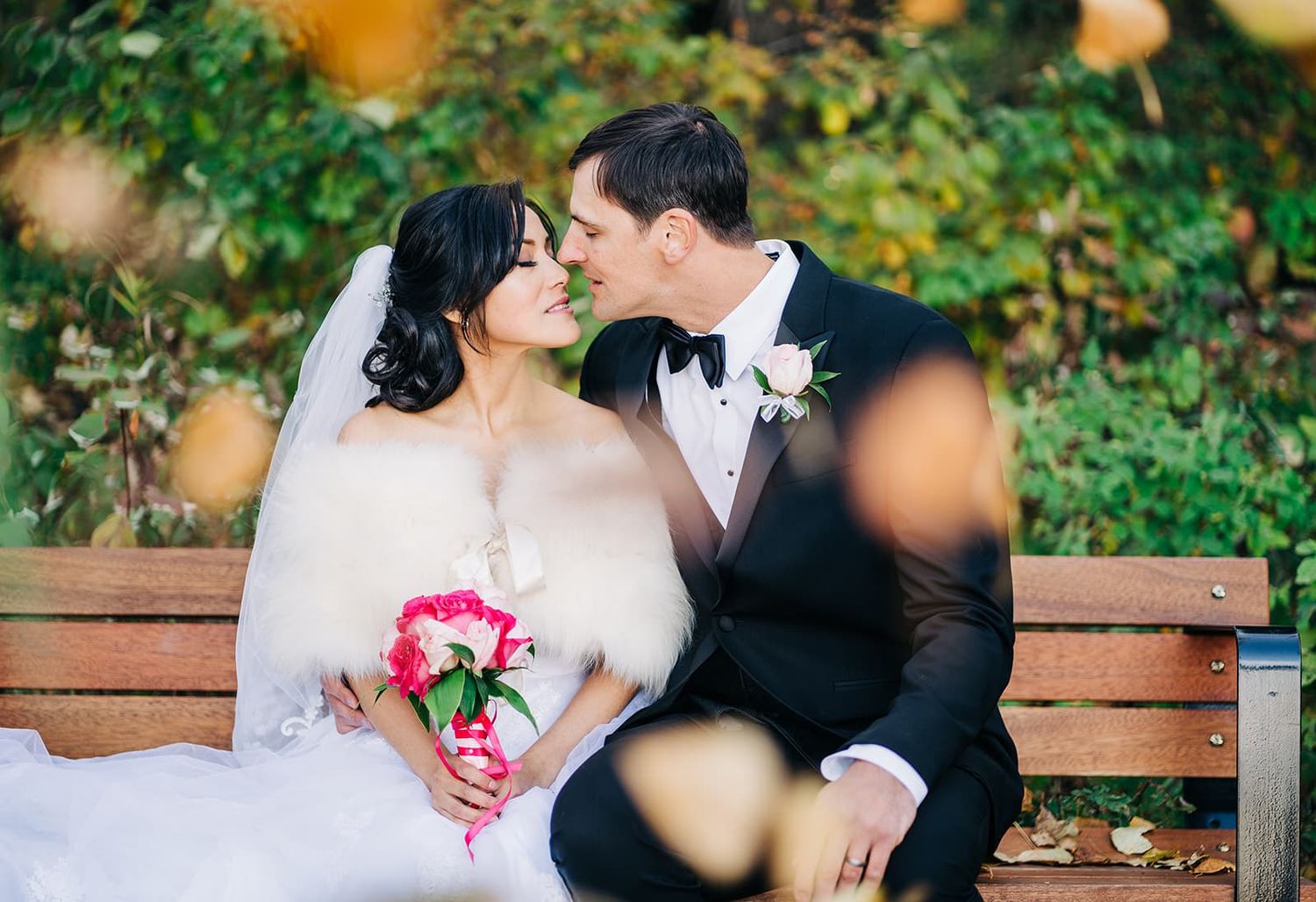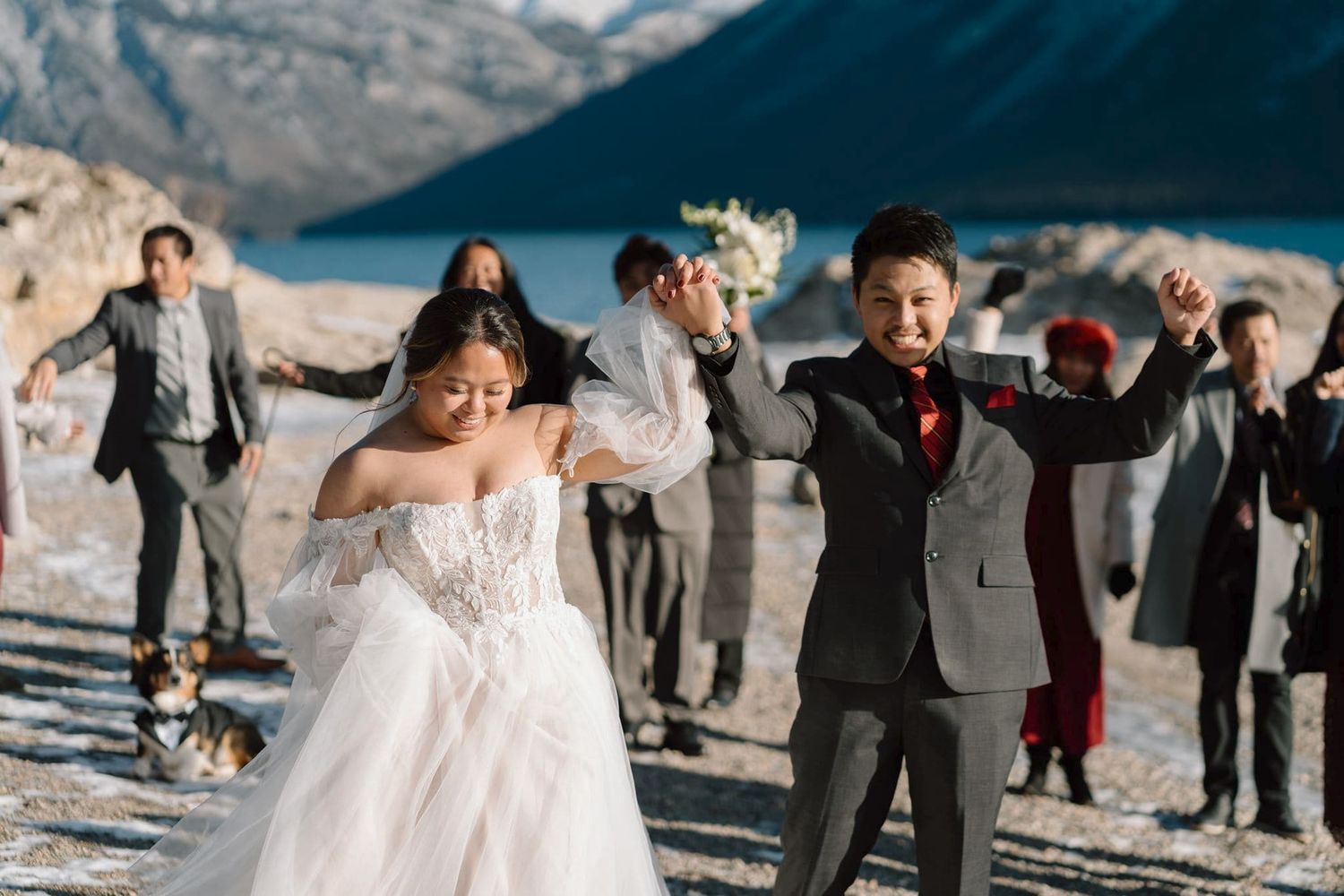
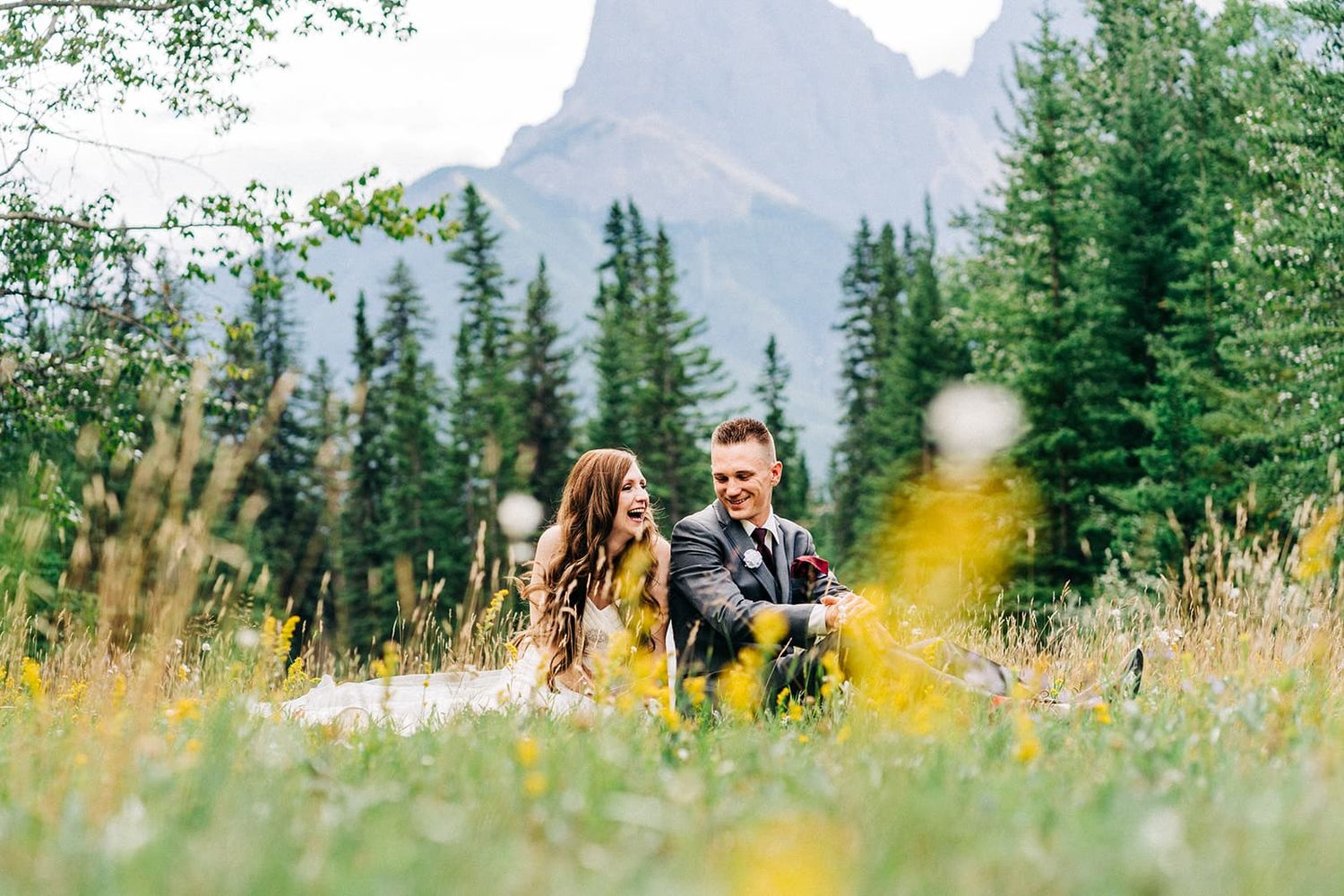
The moments couples talk about most after the wedding are rarely the ones they planned down to the minute. It is the breath before the ceremony. The way your partner looks at you when nobody else notices. The speech that leaves the room laughing, then suddenly wiping away tears. If you are figuring out how to plan wedding video coverage, that is the real starting point - not just what happens, but what you want to feel again years from now.
Start with the story, not just the schedule
A wedding film is not simply a record of events in order. The most meaningful coverage begins with understanding what matters most to you as a couple. Some weddings are built around quiet, intimate exchanges. Others carry a huge sense of celebration, movement, and family energy. Your video coverage should reflect that emotional shape.
Before you talk about hours and add-ons, think about the scenes you would be heartbroken to miss. That might be private vows, your parents' reactions during the ceremony, the sound of your friends cheering at cocktail hour, or the way your reception transforms once everyone settles into the night. When you identify those priorities first, planning becomes much easier because every coverage choice has a purpose.
This is also where many couples realize they do not want constant staging. If authenticity matters to you, tell your team that early. Documentary-style coverage works best when your videographer understands that real interaction matters more than perfect performance.
How to plan wedding video coverage around your timeline
Coverage length shapes your film more than most couples expect. It affects not only how much is captured, but how complete the story feels.
If you book too little time, the day can feel fragmented on film. You may get the ceremony and a few reception moments, but lose the emotional build-up that gives the story weight. If you book more time than you need, you create breathing room for the quieter transitions that often become the heart of the film.
For many weddings, the strongest coverage starts before anyone walks down the aisle. Getting ready footage adds context, anticipation, and personality. It captures details, yes, but more importantly it preserves voices, nerves, laughter, and the atmosphere surrounding those final hours before everything begins.
From there, consider whether your day includes a first look, private vows, travel between locations, cultural traditions, or a full reception with speeches and dancing. Each one changes how much time your videography team needs to work well without rushing.
A shorter wedding day with one location may need less coverage than a mountain wedding in Banff or Canmore with multiple stops and shifting light. Beautiful locations add visual depth, but they can also require more time for movement, setup, and flexibility. The right timeline should support the experience of the day rather than force it into a tight box.
The moments worth protecting in the timeline
When couples ask how to plan wedding video coverage, we often encourage them to protect the parts of the day that cannot be recreated. Vows, speeches, first dances, parent moments, and live reactions deserve room in the schedule. These are not filler scenes. They are the memory anchors.
Build in margin before the ceremony and before key reception events. If everything runs late, the first thing lost is usually the calm space that allows for natural footage. A little buffer helps your film feel intentional instead of rushed.
Audio matters as much as visuals
Couples usually think first about what their film will look like. But what gives a wedding video its emotional pull is often sound. The tremble in your voice during vows. Your father's toast. The burst of laughter after an inside joke lands during a speech. Without strong audio, even beautiful footage can feel distant.
That is why planning video coverage should include a conversation about what needs to be heard, not just seen. If you are writing personal vows, tell your videographer. If one speech matters deeply to you, mention it. If there will be live music, cultural readings, or letters exchanged in private, those details help shape an audio plan that supports the story.
There is also a trade-off here. A deeply documentary approach preserves what unfolds naturally, but it still requires thoughtful preparation behind the scenes. Good wedding videography should feel unobtrusive while being carefully designed where it counts.
Plan photo and video together, not separately
One of the easiest ways to create a smoother experience is to plan photography and videography as one visual team. When photo and video are aligned, the day feels less interrupted, and your coverage becomes more cohesive.
This matters especially during portraits, first looks, family time, and golden hour. If each team is working from a different rhythm, couples often feel pulled in two directions. When the approach is collaborative, you get movement, stillness, candor, and cinematic detail without repeating everything twice.
For couples who care about emotion over performance, this is a big difference. You want enough direction to feel supported, but not so much that the day starts to feel like a production. A connected photo and video team can read the room together and know when to gently guide and when to disappear.
Decide what kind of film experience you want
Not every couple wants the same final result. Some want a short highlight film that captures the emotional essence of the day. Others want longer edits that preserve more complete ceremony and speech footage. Neither is better. It depends on how you imagine revisiting your wedding.
If you want something cinematic and story-led, your team will focus on emotional pacing, layered audio, and visual atmosphere. If you want fuller documentation, coverage planning may include more continuous recording of major events. Most couples want a blend of both - a film that feels artful and alive, plus the comfort of knowing the biggest moments were fully preserved.
This is also the right time to ask about a same-day edit wedding film. For couples who love the idea of surprising their guests, this add-on creates a completely different energy at the reception. While your day is still unfolding, a carefully crafted short film can be shown that evening, letting everyone relive the emotion almost in real time.
It is not just impressive. It is deeply moving. Parents see moments they missed. Friends feel the weight and beauty of the day in a new way. And for the couple, it turns the reception into another memory instead of simply the ending of the first one.
Think beyond the obvious highlights
The best wedding films are rarely built only from big milestones. They come alive because of texture. A hand squeeze under the table. Wind catching your veil. Friends fixing each other's outfits. Grandparents sitting quietly before the ceremony begins. These in-between moments give the story honesty.
When planning coverage, make space for your videographer to notice those details. If every minute is spoken for, there is less room for observation. A little openness in the day allows emotion to surface naturally.
That same principle applies to how you prepare. Try not to over-script every interaction. If you want a candid film, let parts of the day remain real and unpolished. Beautiful does not have to mean overly controlled.
Share the personal context that gives the film depth
Your videographer does better work when they understand who you are beyond the logistics. Tell them how you met, what you are most excited about, who the key people are in your families, and where the emotional weight of the day may live.
Maybe one parent is giving a rare speech. Maybe your celebration includes traditions that matter across generations. Maybe you are planning a private moment together because the public ceremony feels overwhelming. These details may seem small while planning, but they often shape the soul of the film.
A strong wedding film is not created by expensive gear alone. It is built through trust, context, and the ability to recognize meaning as it happens.
Leave room for the day to be real
There is a version of wedding planning that tries to control every frame. It usually sounds good on paper, but it can leave very little space for genuine emotion. The strongest video coverage plans are thoughtful without being rigid.
That means choosing the must-have moments, building a timeline with breathing room, and working with a team that knows how to document truth beautifully. It also means accepting that some of the best footage will come from moments no one could have predicted.
If you are planning your wedding film now, give yourself permission to think beyond coverage as a checklist. Think of it as the way your future selves will return to this chapter - not just to see how it looked, but to remember how it felt. And when your day finally arrives, let it unfold enough for the story to find you.