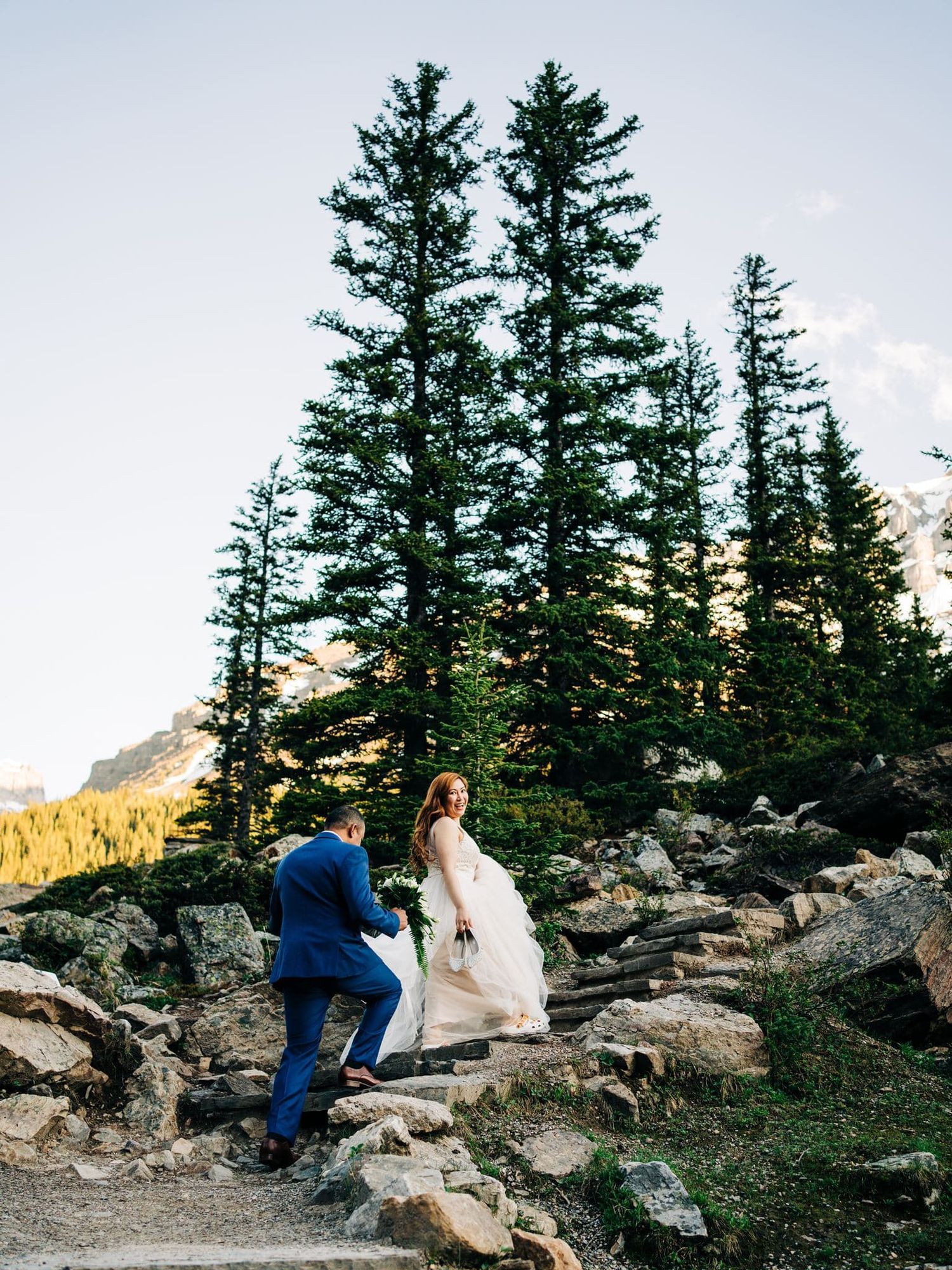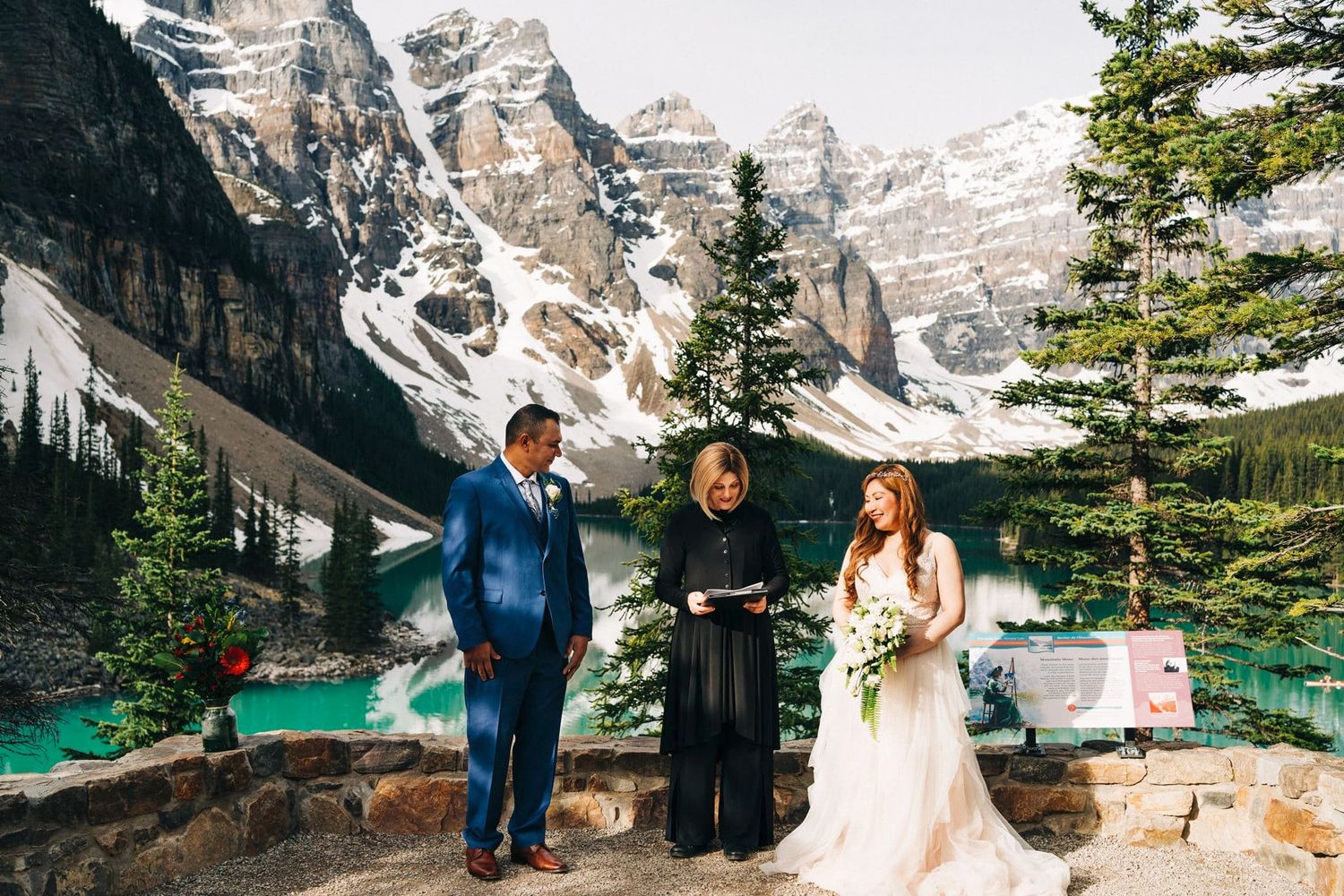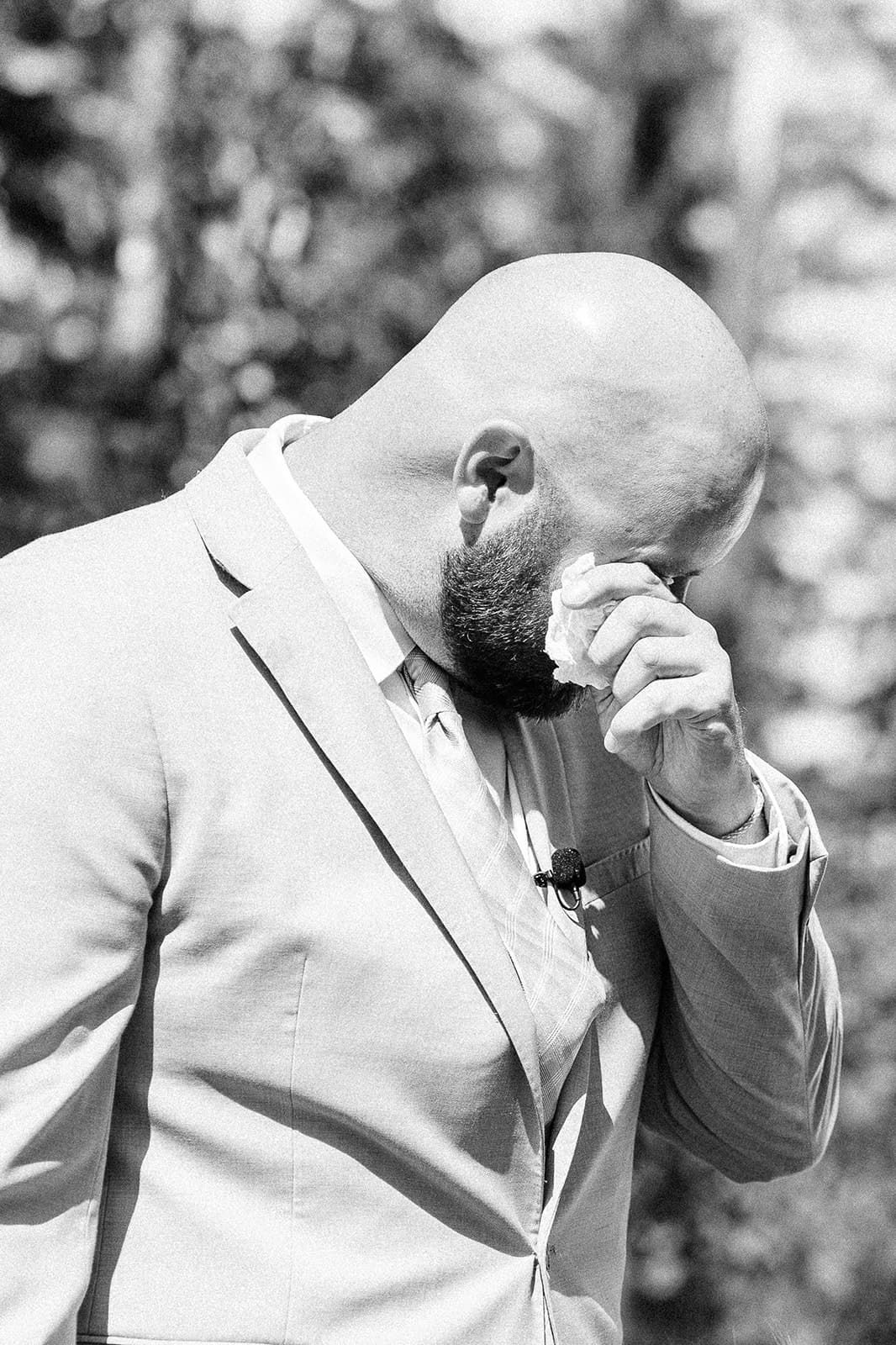
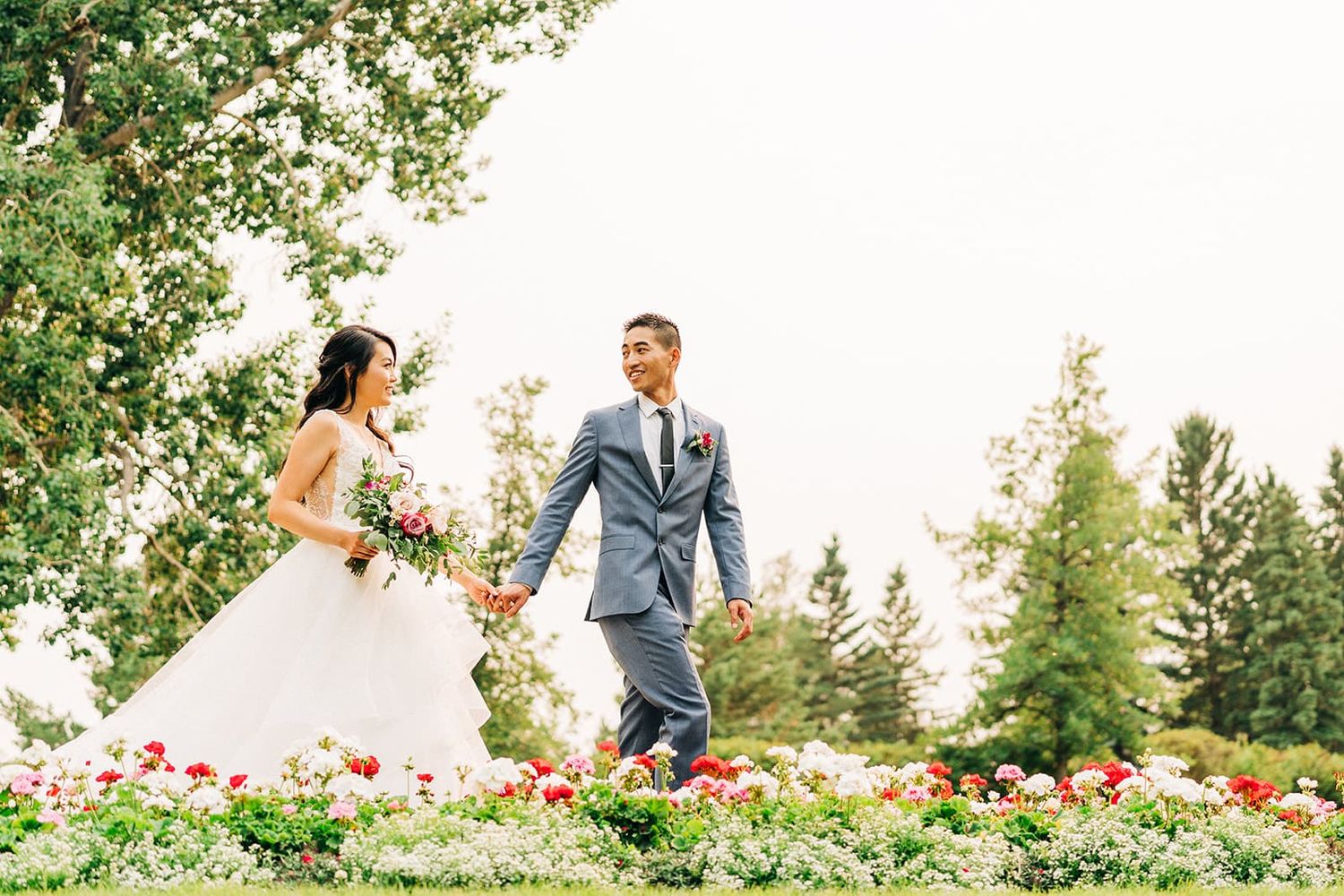
The photographs you treasure most may not be the ones where everyone is looking at the camera. They may be your grandmother reaching for your hand before the ceremony, your partner laughing through nervous tears, or your friends losing themselves on the dance floor. Knowing how to prepare for candid wedding photos is less about learning how to pose and more about making room for your real day to happen.
Candid imagery is built on trust, presence, and a little breathing room. You do not need to perform happiness or turn your wedding into a nonstop photo shoot. You only need to shape a day where you can be close to the people you love, feel the moments as they arrive, and let your photo and video team tell the story unfolding around you.
Start With a Timeline That Lets Moments Breathe
A packed wedding timeline can make even the most beautiful celebration feel hurried. When every minute has a task assigned to it, small emotional moments get squeezed out: the quiet pause after getting dressed, the deep breath before walking down the aisle, the unplanned conversation with a parent.
Build in more time than you think you need for getting ready, travel, family photos, and transitions between events. Fifteen extra minutes can be the difference between a rushed entrance and a chance to hold your partner's hand, take in the room, and notice what you have created together.
This matters especially for weddings in Calgary, Canmore, or Banff, where weather, traffic, mountain roads, and changing light can affect the rhythm of the day. A thoughtful timeline does not remove every surprise. It gives you enough margin to meet those surprises with calm.
Ask your photographer and videographer to review the timeline before the wedding. They can spot places where coverage may feel compressed and recommend when to schedule portraits without pulling you away from your guests for too long. The goal is not to control every second. It is to protect the seconds that matter.
How to Prepare for Candid Wedding Photos Without Performing
The easiest way to look natural in candid photos is to stop treating every interaction as a photo opportunity. Let yourselves talk, touch, laugh, and react the way you normally do. If your partner tells a joke during portraits, laugh at it. If you need a quiet moment, take one. Honest emotion always carries more weight than a perfect expression.
You can still receive gentle direction. Documentary-minded photographers often offer prompts when needed, particularly during couple portraits, but a prompt is not a script. It may be as simple as walking together, sharing what you are most excited for, or taking a moment to look at each other without speaking. The purpose is to create connection, not manufacture a pose.
It also helps to release the pressure to look composed all day. Tears, windblown hair, happy nerves, and a lipstick touch-up before the ceremony are not interruptions to the story. They are the story. The images that feel alive years later often hold a little beautiful imperfection.
Choose Getting-Ready Spaces With Light and Room
Getting ready is where the anticipation begins to show. It is also where clutter, cramped rooms, and poor light can make everyone feel more stressed than they need to be.
When possible, choose a room with natural window light and enough space for your closest people to move comfortably. A hotel suite, a bright rental home, or a thoughtfully designed venue room can all work beautifully. The space does not need to be enormous or flawless. It simply needs to feel like somewhere you can settle into the morning.
Before your photo and video team arrives, gather meaningful details in one place: your invitation suite, rings, attire, shoes, vows, jewelry, and any heirlooms you would love documented. This saves time and lets you stay present with your people rather than searching for an earring at the last minute.
A quick reset of the room helps, too. Place bags, food containers, spare hangers, and packaging in one corner. Your space should still look lived in, not sterile. The point is to preserve the feeling of the morning while keeping distractions out of the frame.
Tell Your Team What Matters Beneath the Schedule
Your wedding professionals can anticipate more meaningful moments when they understand the relationships behind the names on a timeline. Share the details that may not be obvious: the sibling who helped raise you, the friend who introduced you, the grandfather whose presence means everything, or the cultural tradition you want remembered with care.
You do not need to hand over a long shot list of every guest. In fact, trying to capture a posed photo with every person can take you away from the celebration you planned. Instead, identify a handful of people or moments that carry deep significance. Your team can keep them in mind while still watching for the unplanned connections that make documentary coverage so personal.
If a family dynamic needs sensitivity, say so early. A private conversation before the wedding can prevent awkward assumptions and help everyone move through formal portraits with kindness. Clear communication is not unromantic. It creates the safety that allows real emotion to surface.
Plan Formal Photos Efficiently, Then Return to the Party
Family portraits have an important place in a wedding day. They become part of the visual legacy, especially for generations who may not be together often. But they work best when they are organized and concise.
Make a short, realistic list of groupings and assign someone who knows your family to help gather people. Let key relatives know where to be and when. When everyone is prepared, formal photos can move quickly, leaving more room for cocktails, hugs, conversations, and candid energy.
Consider a first look if it suits your relationship and timeline. It can create a private, emotional pocket before the ceremony and allow many portraits to happen earlier in the day. But it is not required. Some couples want the aisle reveal to be their first moment together, and that choice can be just as powerful. The right decision is the one that feels true to you, not the one that looks best on a planning checklist.
Invite Your Guests to Be Present, Too
A room full of phones can change the way a ceremony feels. Guests leaning into the aisle for a photo may unintentionally block a parent’s view or pull attention away from the vows. An unplugged ceremony invitation gives everyone permission to simply witness what is happening.
You can share a warm note on your wedding website, include a small sign at the ceremony, or ask your officiant to make an announcement. Frame it as an invitation rather than a rule: be here with us, and let the memories be held by the people chosen to document them.
The same thinking applies to the reception. You do not have to police phones all night, but when guests are truly engaged, candid images become richer. They show people looking at each other rather than screens, celebrating without self-consciousness, and fully participating in your joy.
Make Space for the Unplanned Parts of the Reception
The reception is often where the most spontaneous photographs happen. A toast lands unexpectedly. A parent begins to cry. Someone starts a dance circle that changes the energy in the room. These moments cannot be scheduled, but you can make them easier to capture by giving your team access and a clear sense of what is ahead.
Share the order of speeches, special dances, cultural performances, surprises, and late-night plans. If you are planning a same-day edit wedding film, this communication becomes even more valuable. Your creative team needs time to shape footage from the day into something that can move you and your guests while the celebration is still unfolding.
A same-day edit is not just another reception item. It can become a shared pause in the middle of a fast-moving day, when everyone sees the love, anticipation, and behind-the-scenes moments they may have missed. It is a chance for your story to come back to you before the night is over.
Wear What Lets You Move, Eat, and Feel Like Yourselves
Your wardrobe affects your experience more than you may expect. Choose clothing and shoes that allow you to walk, hug, sit, dance, and breathe. If your outfit has a dramatic train, fitted silhouette, or delicate fabric, that can be wonderful, but plan for the support you may need throughout the day.
Break in your shoes. Eat a real meal. Keep water nearby. Bring a small touch-up kit, but do not let it become a reason to disappear every time your hair moves. A wedding day has motion, and photographs should reflect that movement.
Most of all, choose details that feel like an extension of you. When you are comfortable in what you are wearing, your body language softens. You stop adjusting and start living the day.
The best preparation is not perfection. It is giving yourselves permission to be fully there: to squeeze a hand, cry during the vows, dance badly with your friends, and look around the room long enough to remember it. Those are the moments that become a legacy, because they were never staged in the first place.