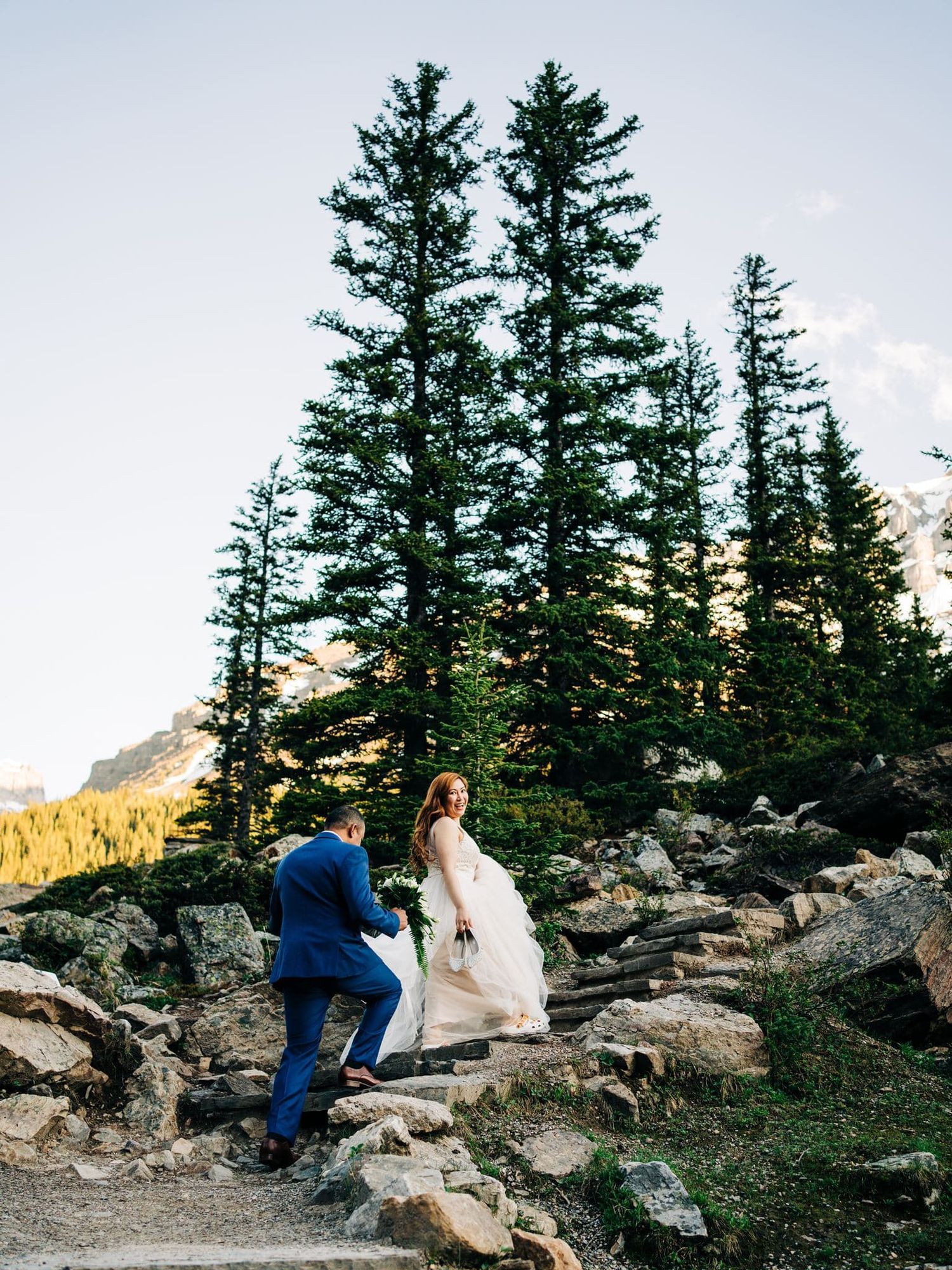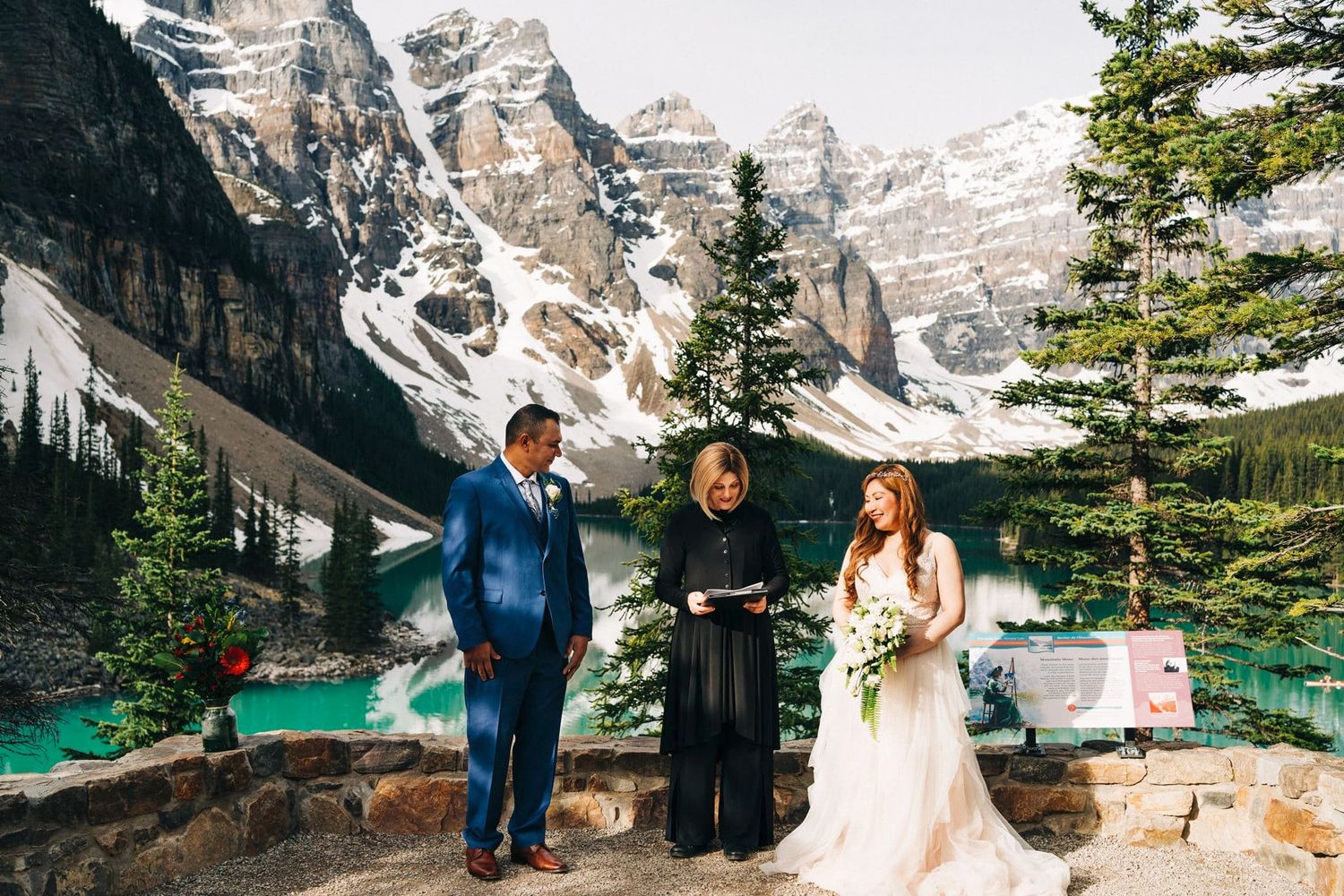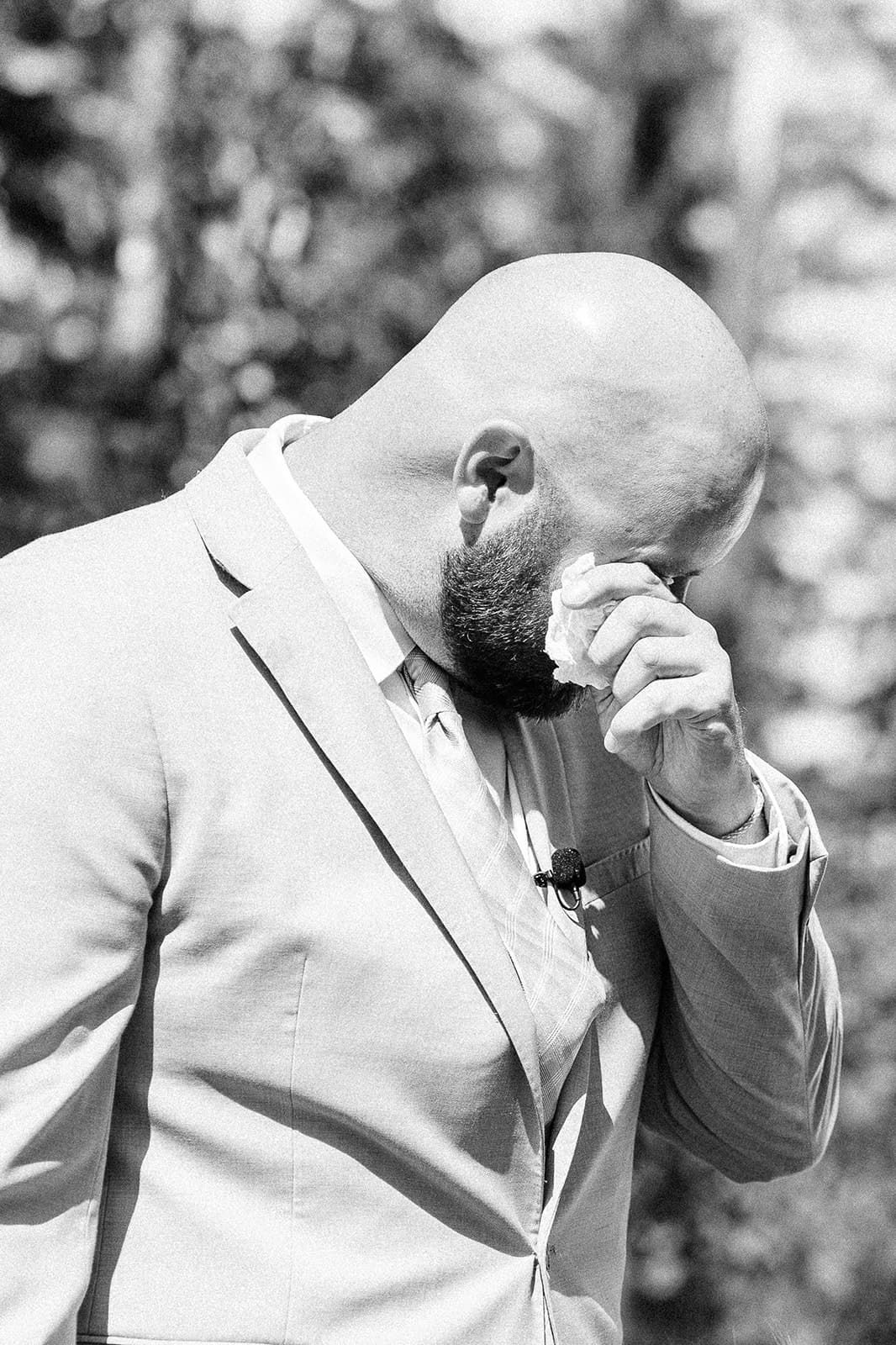
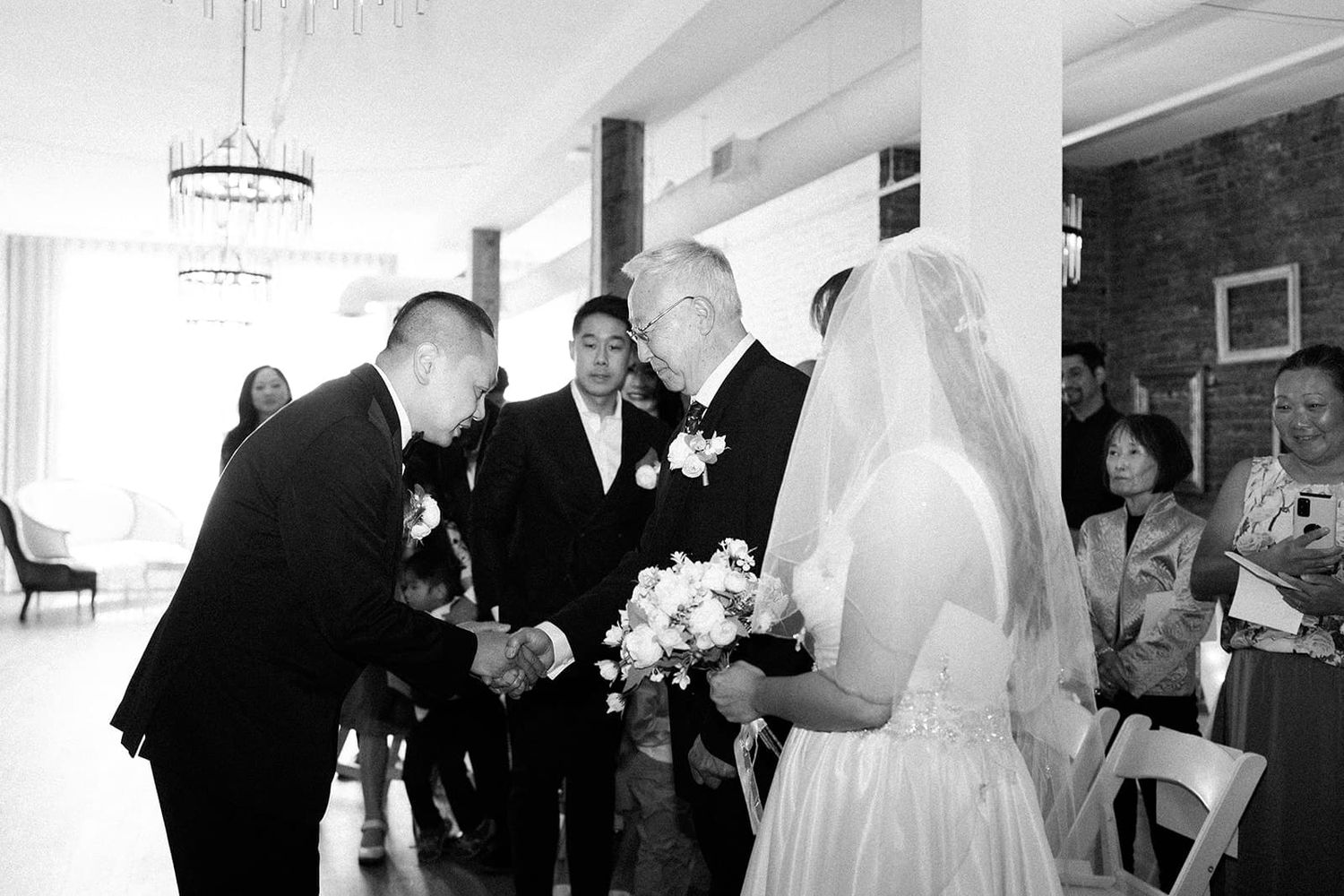
The room is quiet for a moment before the ceremony. One of you reaches for the other’s hand. Your closest people are nearby, but no one is asking you to smile or repeat the moment. This is the reason an intimate wedding deserves thoughtful documentation. An intimate wedding photography planning guide is not about fitting a smaller guest count into a traditional timeline. It is about protecting the space for real emotion to happen.
At an intimate wedding, every person carries more weight. Every hug, reading, toast, and lingering glance belongs to someone who deeply knows your story. The best photographs and films do not turn those moments into a production. They let you stay inside them.
An Intimate Wedding Photography Planning Guide for Real Moments
Planning for meaningful imagery begins with one honest question: how do you want the day to feel? Not just how do you want it to look, but how do you want to remember it in ten or twenty years?
Some couples want an unhurried morning in a mountain cabin, with coffee, letters, and a few close friends moving gently through the space. Others want a candlelit restaurant dinner where every guest offers a toast. A private elopement in Banff may call for more room to wander and fewer scheduled events. A small Calgary celebration might be centered on family traditions and a full dance floor.
There is no single right format. But when your photography and film team understand the emotional center of the day, they can make choices that serve it. That may mean quietly observing while you get ready, stepping back during a family embrace, or knowing when a small amount of direction will help you feel comfortable without making you perform.
Start with the people, not the shot list
A short guest list is one of the great gifts of an intimate wedding. You have chosen people who matter. Give your photo and video team context before the day: who raised you, who traveled far to be there, which friendship has carried you through difficult seasons, and which family member may struggle to hold back tears during your vows.
This is not about assigning photographers to chase reactions on command. It is about helping them recognize the emotional threads already woven into the room. When your grandmother reaches for your hand at dinner, or your best friend laughs through a toast, those moments are not extras. They are part of the story you will want to return to.
A formal family-photo list is still helpful, especially when there are elderly relatives or multiple family groupings to consider. Keep it focused. Choose the essential combinations, name a trusted person who can gather everyone, and leave room for the unscripted connections that cannot be listed in advance.
Build a Timeline With Breathing Room
Small weddings often appear simple on paper, which can lead couples to pack the schedule too tightly. A meaningful day still needs time. In fact, because the celebration is more personal, rushing can be felt even more sharply.
Build in quiet margins around the moments that matter most. Leave extra time for getting ready, travel between locations, family portraits, and the transition from ceremony to dinner. If you are planning an outdoor ceremony in Canmore or Banff, account for changing weather, walking distances, wind, and the way mountain light moves earlier than expected.
The goal is not to fill every minute with photographs. It is to create enough space that photographs can happen naturally. When you are not watching the clock, your shoulders soften. You look at each other longer. You notice your people. That is where honest imagery begins.
Choose light without sacrificing the experience
Light shapes the mood of your images, but it should not control the entire celebration. A sunset portrait session can be beautiful, especially in the Rockies, yet it is only worth leaving your guests if it feels right for you. For some couples, ten private minutes outside after dinner becomes a welcome pause. For others, staying present for the full meal and celebration matters more.
Talk with your team about the trade-off. They may suggest a brief portrait window before the ceremony, a few minutes at golden hour, or an after-dark moment under the venue lights. The right choice is the one that gives you beautiful images without pulling you away from the people you invited to be close.
Let your location sound and feel like you
An intimate wedding does not need a dramatic mountain vista to feel cinematic. It can be a family home, a private dining room, a quiet lakeside ceremony, or a thoughtfully designed boutique venue. What matters is whether the setting allows you to be present.
When touring spaces, pay attention to how you will move through them. Is there a calm place to get ready? Can your ceremony remain private? Will your dinner lighting feel warm and inviting? Is there enough room for your closest guests to interact naturally rather than sit in formal rows all evening?
For photo and film, texture matters too: windows, meaningful objects, a table set with intention, hands passing a shared dish, a father adjusting his cufflinks. These details help preserve the atmosphere of the day, not just its design.
Plan Portraits That Feel Like Time Together
Couples who dislike stiff photoshoots often worry that choosing documentary coverage means having no portraits at all. It does not. It means portraits can be shaped around connection rather than poses.
Set aside a modest amount of time to be together, ideally when you are not being pulled in several directions. Your photographer may offer gentle prompts, invite you to walk, or give you a moment to talk privately. The purpose is not to manufacture emotion. It is to give you a pocket of calm where your natural chemistry can come forward.
Wear clothing that lets you move, choose shoes that make sense for the terrain, and do not plan a portrait location that requires an exhausting hike in formalwear unless that adventure genuinely feels like you. Beautiful imagery should not come at the cost of comfort or joy.
If you are camera-shy, tell your team early. A thoughtful photographer and filmmaker will adjust their approach, explain what to expect, and avoid keeping a lens in your face all day. Trust grows when you feel seen as people, not treated as a set of poses.
Consider Photo and Film as One Story
At a smaller wedding, coordinated photo and video coverage can make a noticeable difference. Two creative teams working independently can unintentionally compete for space during tender moments. A husband-and-wife team or unified studio can move with shared awareness, covering different angles while remaining quiet and respectful of the atmosphere.
Photography preserves the stillness of a look. Film carries the sound of your vows, the crack in a parent’s voice, the laughter that follows an imperfect speech. Together, they create a fuller time capsule of the day.
For couples planning a reception, a Same-Day Edit can add another emotional layer. Seeing a cinematic highlight film with your guests before the night ends turns private morning moments and ceremony vows into a shared experience. It is not necessary for every celebration, particularly if you want a slower, less structured evening. But for couples who love the idea of a room full of people reliving the day together, it can become one of the most electric memories of the reception.
Protect the Moments You Cannot Repeat
The smallest celebrations are often the ones where couples feel most tempted to handle everything themselves. Delegate where you can. Ask someone else to answer vendor questions, keep track of personal items, and make sure you eat. Your only real job is to be there.
Tell your photographer and filmmaker about any private moments you want protected, too. Maybe you want to read letters alone. Maybe your first look is only for the two of you. Maybe a family circumstance calls for special sensitivity. Clear communication gives your team the ability to honor those boundaries while still preserving what matters.
At Conquer Your Journey, we believe the camera should never become the loudest presence in the room. The most lasting images are often born from a quiet, watchful approach: the moment before a vow, the relief after it, and the glance you share when you realize everyone you love is gathered close.
When you plan your intimate wedding around presence rather than performance, you give your memories room to breathe. Years from now, the photographs and film will not only show you what happened. They will bring you back to the warmth of the hands you held, the voices you heard, and the love you were free to fully live.