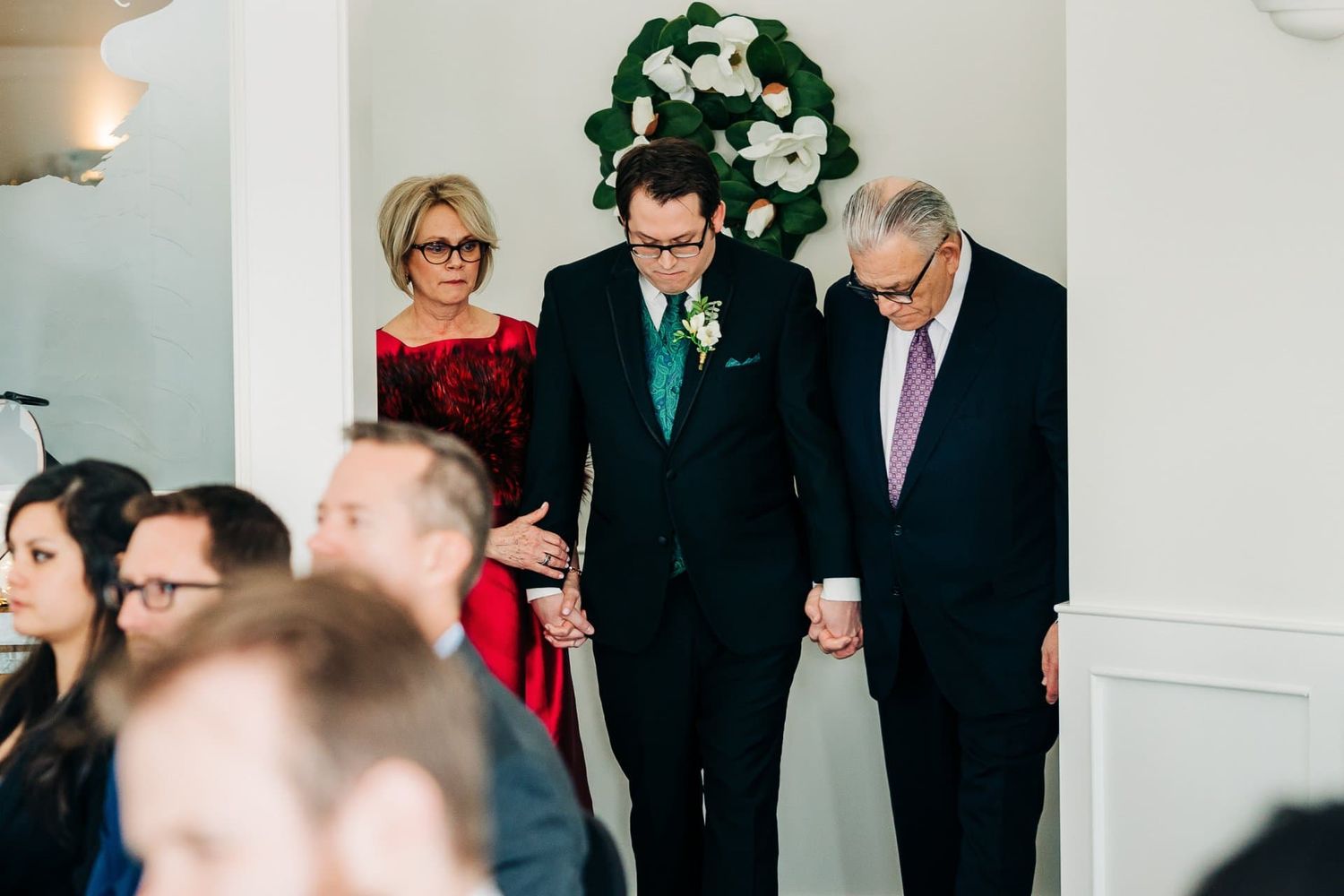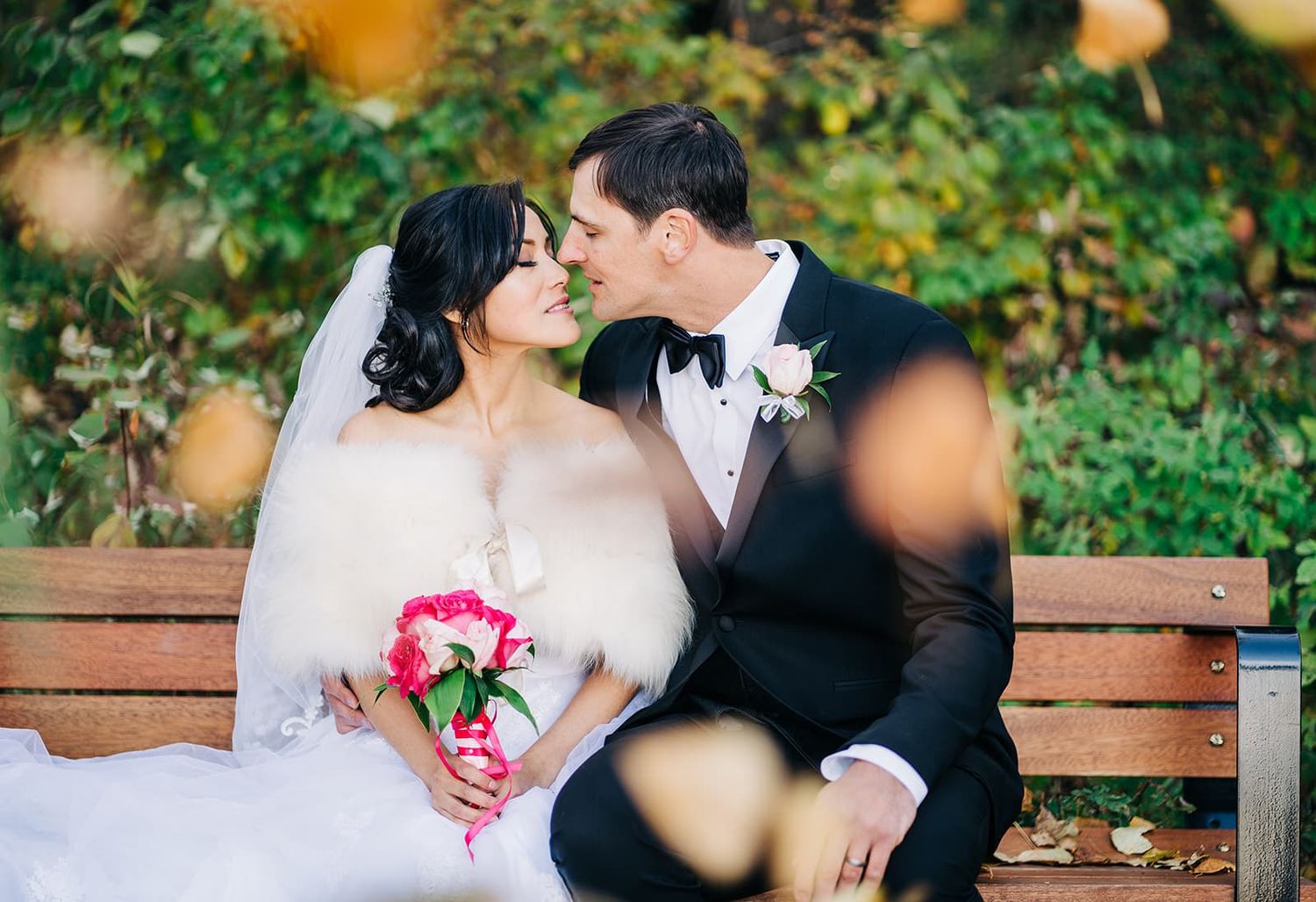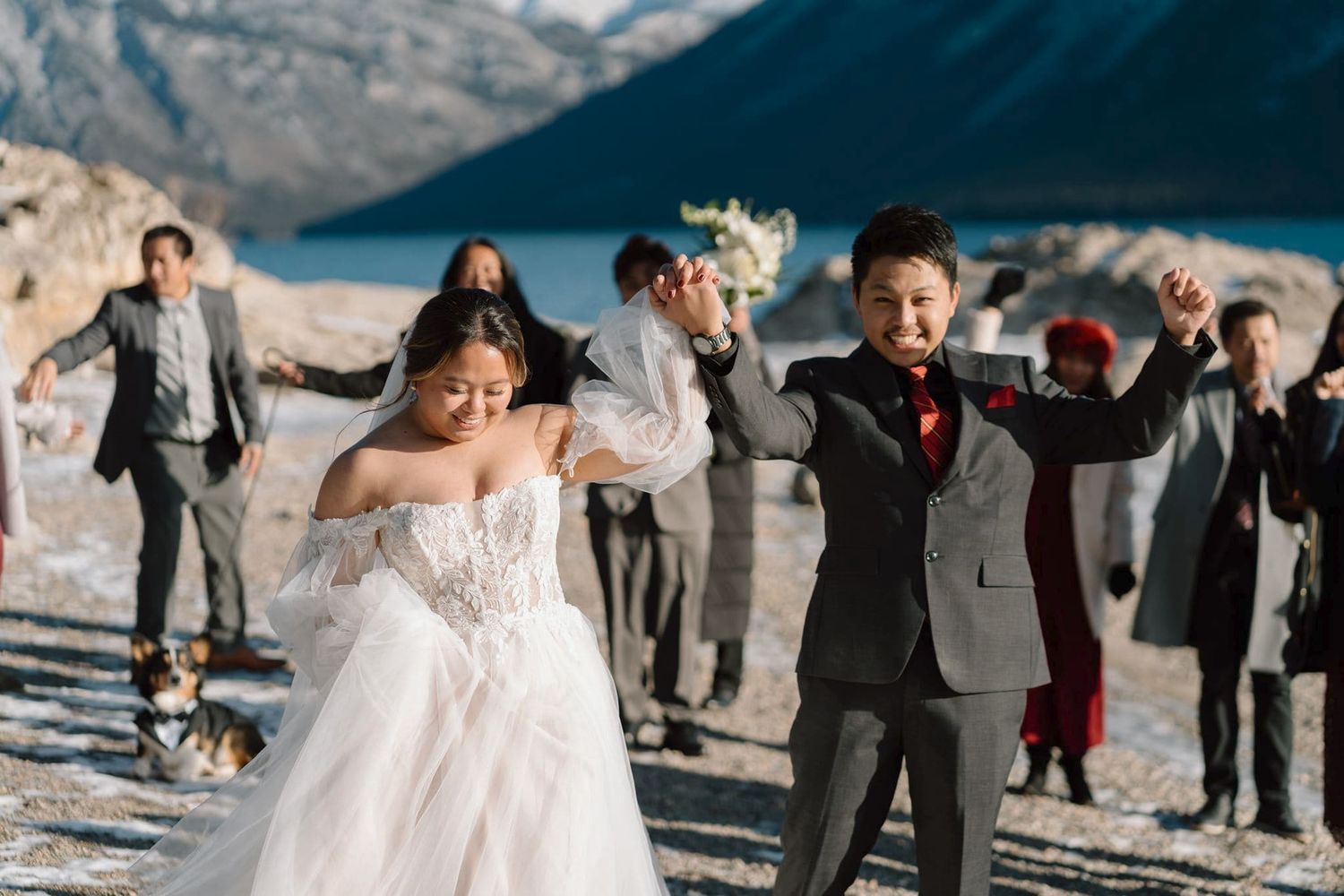
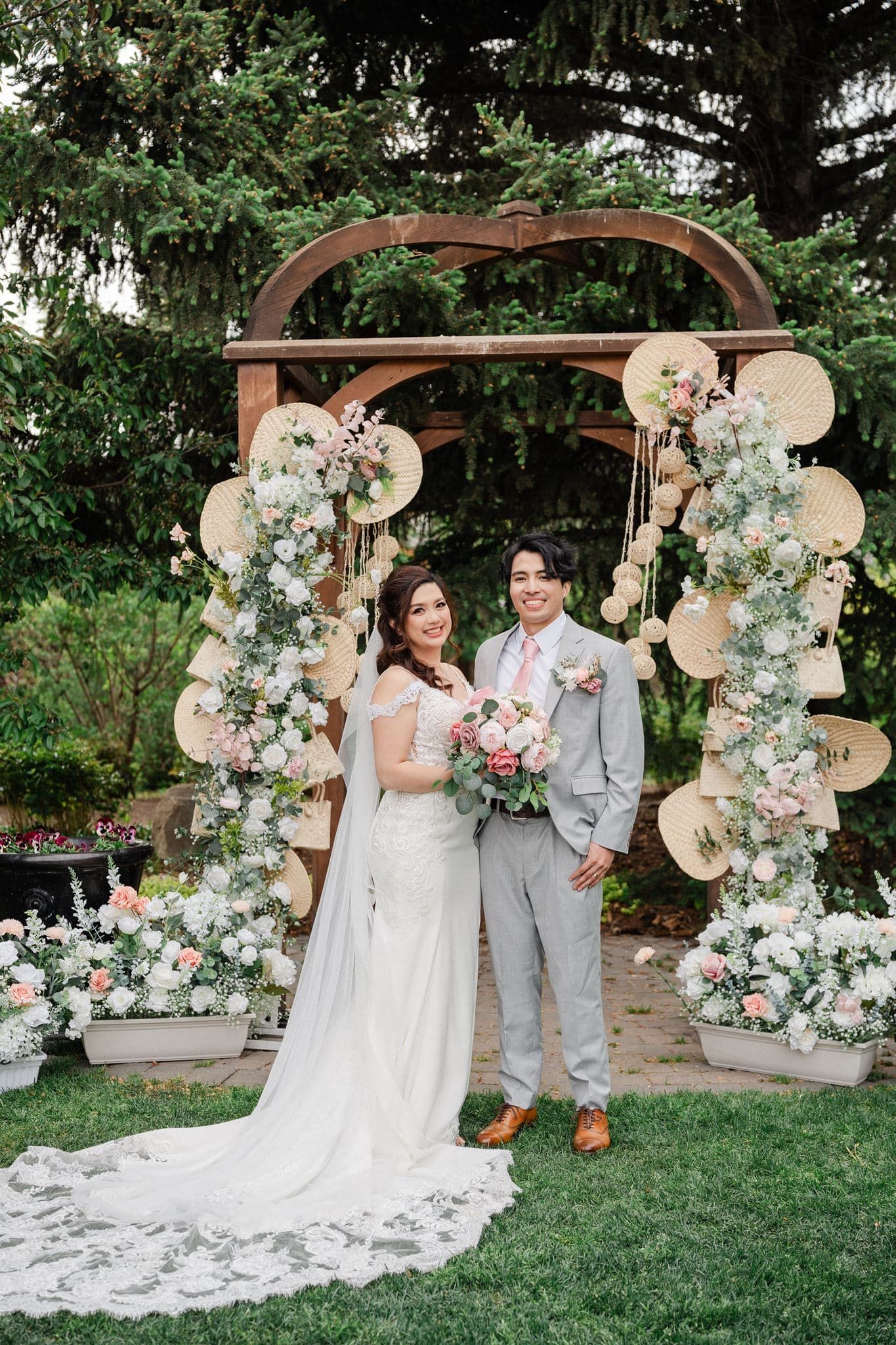
A wedding film should not feel like a record of everything that happened. It should feel like returning to the room: hearing the break in your voice during the vows, seeing your parents’ faces soften, remembering the wild relief and joy of finally being married. This luxury wedding videography planning guide is for couples who want that kind of memory - not a performance for the camera, but an honest, cinematic reflection of the day they truly lived.
For us, luxury is not defined by how many cameras are in the room or how dramatic the edit looks. It is the care behind the experience. It is a team that knows when to step forward, when to disappear, and how to protect the emotional atmosphere while preserving what matters.
Start With the Feeling You Want to Remember
Before comparing collections, editing styles, or film lengths, ask a more personal question: when you watch your film ten or twenty years from now, what do you hope it brings back?
Maybe it is the stillness of a mountain ceremony in Banff, the energy of a packed Calgary dance floor, or the private moment you shared before walking into the reception. Maybe it is your grandmother’s laugh, the way your partner looked at you during a speech, or the sound of everyone singing the last song of the night.
These answers shape better decisions than a list of trends. A film built around emotional truth needs space for real sound, natural movement, and unscripted reactions. If you value being present, choose a videography team whose work feels observant rather than overly directed. You should recognize people as they are, not as they were asked to pose.
A cinematic film can absolutely be polished and artful without becoming artificial. The difference lies in whether the artistry supports the story or distracts from it.
Choose a Storytelling Style, Not Just a Highlight Reel
Most couples know they want a “cinematic” film, but that word can mean very different things. Some films are fast-paced and music-driven. Others are quieter, built around vows, toasts, and the natural audio that gives a wedding day its emotional weight. Neither is automatically better. The right fit depends on what feels most like you.
As you watch full films, pay attention to more than beautiful scenery and elegant details. Notice what happens during the in-between moments. Does the filmmaker preserve nervous laughter? Do conversations sound natural? Are the couple’s expressions relaxed, or do they seem to be constantly aware of the camera?
A strong wedding film gives the day a shape. It does not simply stack the biggest moments in chronological order. It finds the threads connecting them: anticipation, family, humor, tenderness, faith, friendship, or the long road that brought two people together.
Ask to see films from celebrations with a similar pace, guest count, or setting to yours. A film team can create something gorgeous at an intimate ceremony and something electric at a large reception, but those environments require different instincts. Experience matters most when the timeline shifts, light disappears, weather changes, or a meaningful moment happens without warning.
Plan Your Luxury Wedding Videography Coverage Around Real Life
The best coverage plan is not always the longest one. It is the one that gives your story room to unfold without creating pressure. For many weddings, that means beginning before the ceremony, when anticipation is at its highest, and staying long enough to capture the reception once everyone has relaxed into the celebration.
Getting-ready coverage can be deeply meaningful when it includes people and rituals you care about: a parent helping with a final detail, a letter read in private, a quiet toast with your closest friends. It can feel unnecessary if the morning is rushed, crowded, or not emotionally important to you. There is no rule that says every part of the day must be filmed.
The same is true of a first look. It can create a private pocket of connection and make the timeline more flexible, especially in locations where daylight is limited. But if seeing each other at the ceremony holds a special meaning for you, protect that choice. Your film should honor the rhythm of your relationship, not force it into someone else’s ideal schedule.
Build Breathing Room Into the Timeline
Luxury often looks like ease. The most beautiful footage usually comes from a day with enough margin for people to arrive, breathe, hug, and feel what is happening.
Avoid building a timeline that leaves only a few minutes for travel, portraits, family formals, and unexpected delays. A rushed schedule can turn even a beautifully designed wedding into a series of instructions. Give yourselves transition time after the ceremony, before the reception entrance, and around sunset if you would like a few relaxed portraits together.
Those portraits do not need to be stiff. A quiet walk, a hand held between locations, or two minutes away from the crowd can become some of the most personal footage in your film. The goal is not to pull you away from your guests for hours. It is to give you a chance to be together in the middle of a day that moves quickly.
Prioritize Sound From the Beginning
The visual beauty of a wedding film draws people in. The voices are what stay with them.
Tell your videography team about any readings, cultural traditions, private letters, or speeches that matter most. A thoughtful team will plan for clean audio during vows and toasts, then weave those words into the final story with intention. If you are writing personal vows, do not worry about delivering them perfectly. A shaky breath, a laugh through tears, or a pause to collect yourself often says more than flawless words ever could.
Let Your Vendor Team Work as One
A calm wedding day depends on communication behind the scenes. Your planner, photographer, videographer, venue team, and entertainment team should understand the flow of the celebration and respect one another’s work.
Photo and film are especially connected. When they are coordinated under one creative approach, the experience can feel lighter for you. Instead of being directed in two different ways, you receive thoughtful, collaborative coverage from people working toward the same emotional result. At Conquer Your Journey, that husband-and-wife perspective helps us anticipate each other and move quietly through the day without competing for moments.
If you are hiring separate teams, schedule a conversation before the wedding. Share the timeline, portrait priorities, family dynamics, and any surprises planned for the reception. A great film team does not need to control the room, but they do need enough context to be ready when something meaningful happens.
For planners, this is also where a well-prepared videography team becomes a genuine ally. They should understand venue restrictions, coordinate with the band or DJ for speeches, and avoid adding friction to an already detailed production schedule.
Consider a Same-Day Edit for a Shared Emotional Moment
Some memories deserve to be experienced while the people who created them are still in the room. A Same-Day Edit is a short cinematic film, created during the wedding and shown before the reception ends. When it is done well, it turns the evening into something larger than a party. Guests see the ceremony, the private moments they missed, and the love surrounding the couple - all while the emotion is still fresh.
It is not the right choice for every celebration. It requires a carefully coordinated workflow, dedicated editing time, a reliable display and sound setup, and a schedule that supports it. But for couples who want to create an unforgettable collective moment, it can be extraordinary. The room often erupts in laughter, tears, and applause because everyone is seeing the emotional shape of the day together.
Think of it as more than entertainment. It is a gift to your family and friends, and a way to pause the momentum of the reception long enough to feel the significance of what has just happened.
Share What Matters, Then Let Go
Your videographers should know the people, relationships, and moments that carry extra weight. Tell them if a parent has traveled a long way, if a sibling is giving a speech, if you are including a family heirloom, or if there is a sensitive dynamic they should approach with care. This information helps a quiet team recognize meaning before it passes.
After that, give yourselves permission to stop managing the camera. You do not need to look composed every second. You do not need to repeat a reaction because someone missed it. The truest footage happens when you are fully inside your own day.
The greatest luxury is not a wedding that looks perfect from every angle. It is the freedom to be present with the people you love, knowing someone trustworthy is preserving the fleeting pieces you will one day ache to remember.