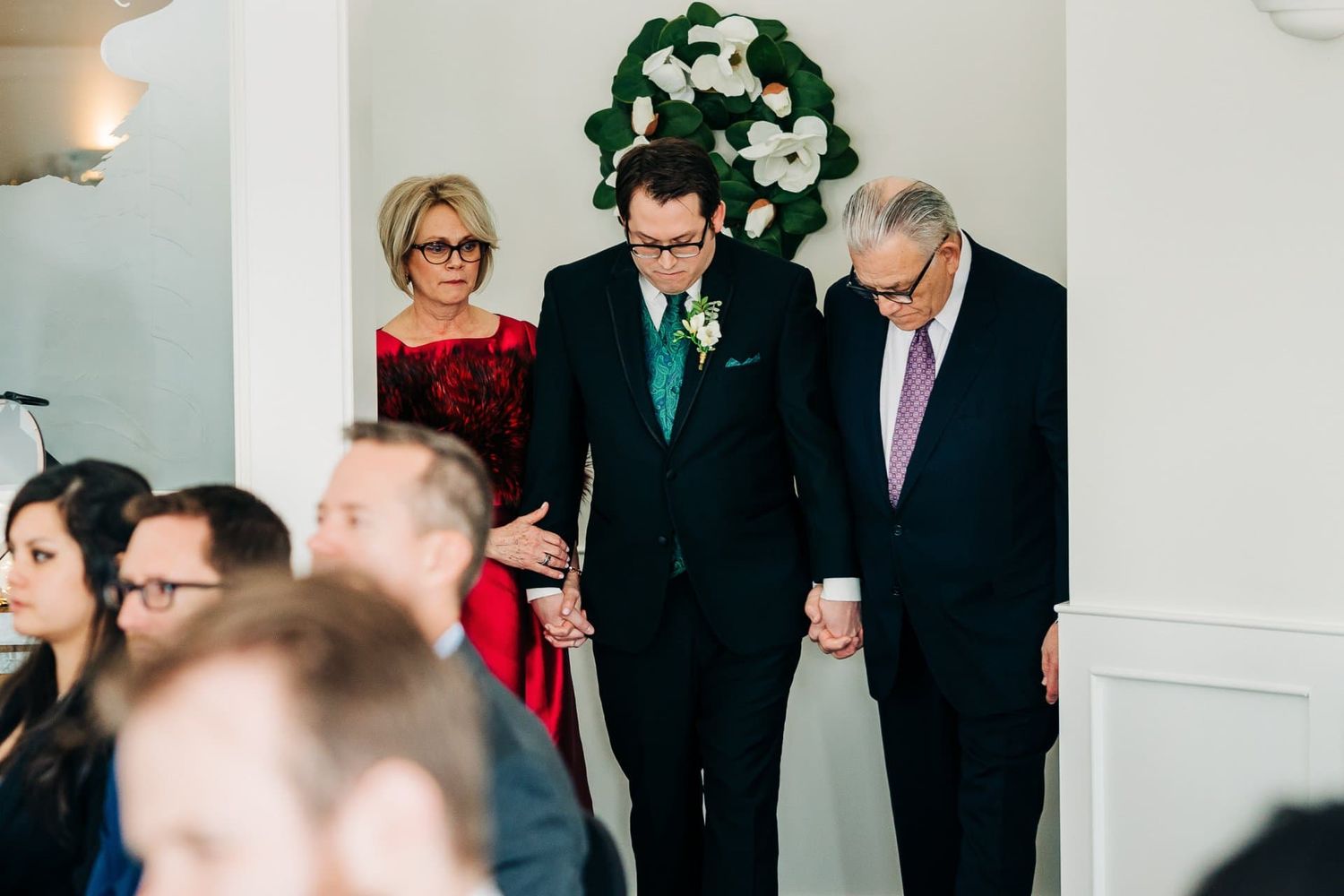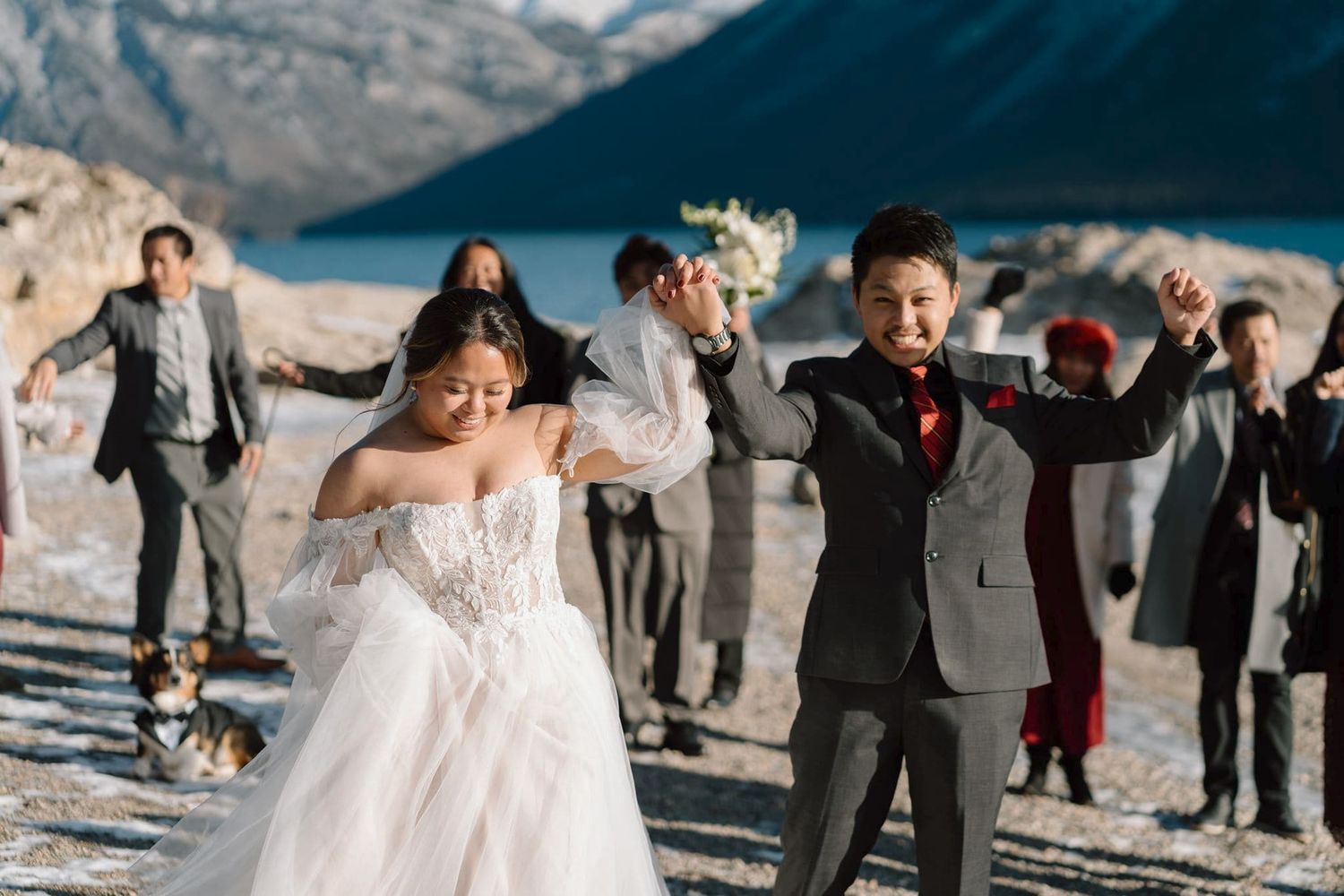
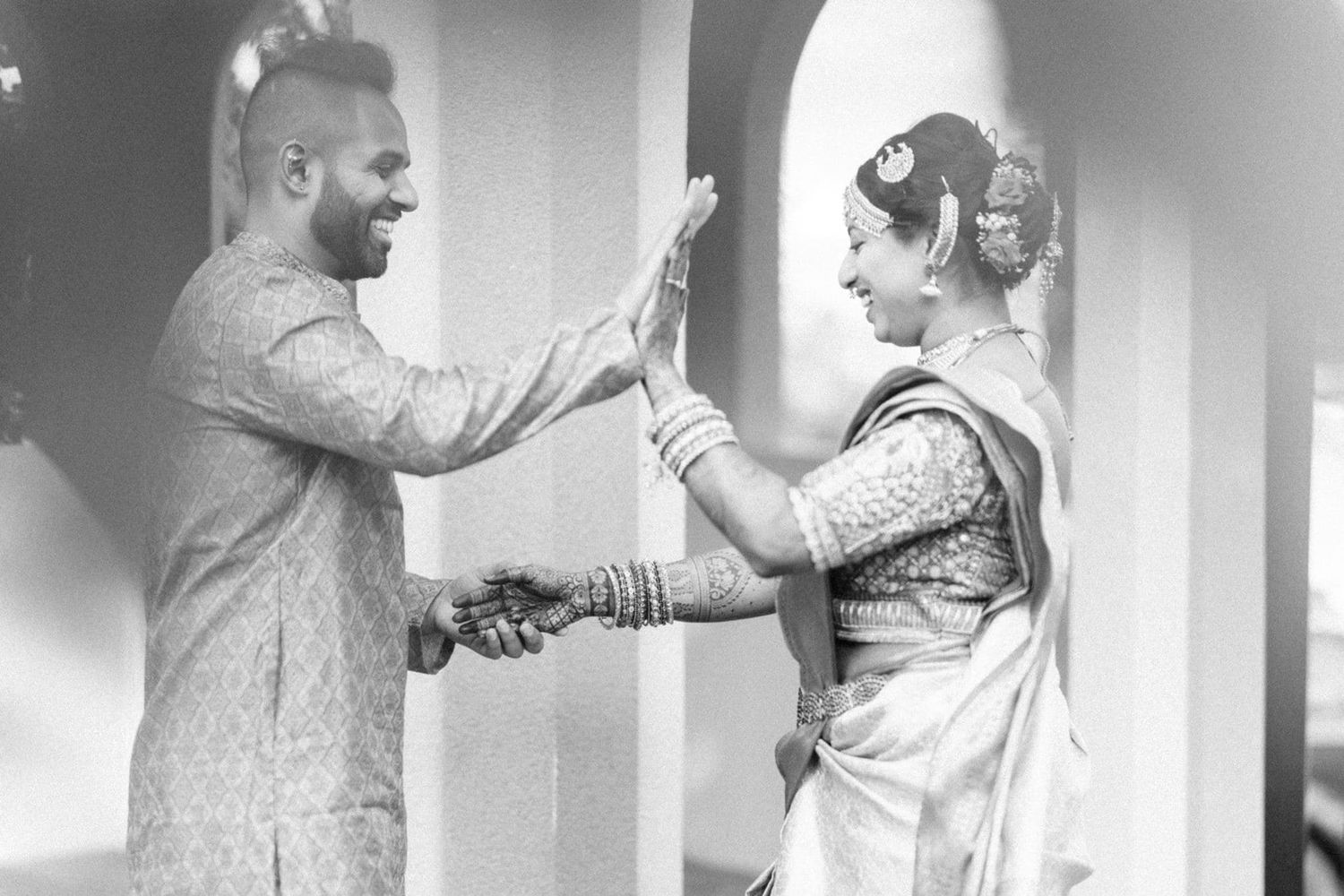
A tea ceremony held in stillness. A baraat arriving with drums, laughter, and a street full of movement. A parent fastening a ceremonial garment with hands that have done this for generations. These moments are not simply beautiful details. They carry family history. The best multicultural wedding films make room for all of it, without turning a living tradition into a highlight-reel prop.
For couples bringing two cultures, faiths, languages, or family histories together, the wedding day can hold a rare kind of emotional weight. It is often the first time everyone you love gathers to witness not only your marriage, but the shape of the life you are building together. Your film should feel honest to that gathering. It should hold the joy, the complexity, the noise, the tenderness, and the moments that cannot be repeated.
A Multicultural Wedding Film Is More Than Coverage
A wedding with multiple traditions may move from one emotional world to another in a single day. One ceremony may be reverent and quiet. Another may be full of music, movement, and a hundred people cheering at once. There may be outfit changes, family entrances, meaningful blessings, speeches in more than one language, and rituals whose importance is felt most deeply by the people in the room.
That range is not a problem to be managed. It is the story.
A thoughtful filmmaker does not flatten each event into the same cinematic formula. They pay attention to the pace and purpose of every part of the day. A moment of prayer needs space to breathe. A dance floor needs energy. A family ritual may need the sound of a grandmother explaining its meaning, or simply the quiet image of her watching from the front row.
The goal is not to capture every second. It is to preserve the emotional shape of the day so that, years later, you remember what it felt like to stand between the people and traditions that made you who you are.
Begin With the Meaning Behind Each Tradition
No two multicultural weddings look alike, even when they share cultural roots. A Filipino-Chinese celebration in Calgary will have its own rhythm, family expectations, and private meaning. A Sikh and Catholic wedding in Banff may include ceremonies across several days. A destination celebration can bring relatives together from different continents, each carrying their own language, humor, and way of showing love.
That is why a pre-wedding conversation matters so much. Before filming begins, your creative team should understand more than a timeline. They should know what you are most protective of. Which customs are essential to document? Is there a person whose reaction will mean everything to you? Are there moments where filming needs to be especially discreet? Will certain speeches need subtitles so the full story can be understood by every generation?
You do not need to become an educator or hand over a perfect script. A good team arrives curious, respectful, and prepared to listen. Share the meaning that matters to you, then trust them to observe what unfolds naturally.
The difference between observation and performance
Some traditions can feel vulnerable when a camera is too close. A filmmaker who repeatedly interrupts a ritual for another angle can change the atmosphere of the room. On the other hand, stepping too far back can mean losing the small gestures that make the ritual personal.
The right balance comes from quiet presence. It means planning coverage in advance, using a second perspective when needed, and moving with intention rather than urgency. You should never feel as though you are reenacting your heritage for the camera. You should feel free to be fully inside the moment.
Let Sound Carry the Story
In wedding films, sound is often what brings an image back to life. The sound of a parent’s voice during a blessing. The rhythm of live percussion before a ceremony. The laughter that follows a speech translated by a cousin at the head table. The first few trembling words of vows spoken in two languages.
Music can shape a film, but it should not erase the real sound of your day. When every moment is covered by a polished song, the result may look cinematic while feeling strangely distant. Your actual voices, cultural music, ambient sound, and spontaneous reactions are what make the film belong to you.
For multilingual celebrations, consider what will make the film accessible over time. Subtitles can be a meaningful choice, particularly for vows, speeches, and blessings. They allow partners, friends, and future children to understand words they may not otherwise know. Still, subtitles are not required for every spoken moment. Sometimes the emotion in a voice, the expression on a parent’s face, and the response of the room say enough. It depends on the role that language plays in your family’s story.
Build a Timeline That Protects Real Moments
Multicultural wedding days can be wonderfully full, and they can also become rushed if every transition is underestimated. Film coverage is strongest when the schedule leaves room for people to arrive, rituals to unfold at their natural pace, and families to be together without being constantly directed.
This does not mean sacrificing portraits or skipping the details you have invested in. It means creating a day where photo and film are coordinated around the experience, not competing with it. When one unified team is working together, there is less repetition, fewer interruptions, and more freedom to stay present with the people around you.
For celebrations with multiple ceremonies or events, decide early what deserves the deepest coverage. You may want full attention on the ceremony where you exchange vows, while a welcome dinner is documented more candidly. Or perhaps the morning preparations and family rituals are the heart of your story, while formal portraits can remain simple. There is no universal formula. The best choice reflects what you will want to remember when the music has faded and the garments are carefully packed away.
When a Same-Day Edit has special meaning
A Same-Day Edit can be especially powerful at a multicultural wedding because it gives both families an immediate chance to see the day through one shared lens. By the reception, guests may have experienced different parts of the celebration from different rooms, viewpoints, or cultural contexts. Watching the story unfold together can create a rare collective pause.
At Conquer Your Journey, this is why our premium Same-Day Edit is built around emotional momentum rather than a rapid montage of pretty shots. The room gets to see the vows, the anticipation, the family reactions, and the joy already created that day. It becomes part of the celebration itself, not just something delivered after it.
There is a trade-off, of course. A Same-Day Edit requires a focused production plan and clear priorities. It is best for couples who value sharing that immediate emotional experience with guests and are comfortable trusting their filmmaking team to shape the story while the day is still unfolding.
Choose a Film That Can Hold Contrasts
The most memorable multicultural wedding films do not try to make every scene feel identical. They honor contrast. A quiet veil placed over a bride’s hair can sit beside a loud entrance full of dancing. A formal religious ceremony can be followed by a reception where personalities finally burst loose. A grand mountain setting can frame an intimate exchange between siblings.
Those shifts are often where a couple’s story becomes most visible. Two people are not leaving their histories behind when they marry. They are choosing how to carry them forward together.
When you watch your film years from now, you may notice details you missed the first time: your father’s smile during the processional, the way your friends learned a new dance, the moment two families who had once been strangers embraced. That is the quiet gift of intentional wedding filmmaking. It gives memory more than one chance to speak.
Choose the team that makes you feel safe enough to stop performing. Let them learn what matters, protect the natural rhythm of your celebration, and watch for the moments no one could schedule. The film will not only show how your wedding looked. It will bring you back to the feeling of home you created together.