The question usually arrives somewhere between choosing floral arrangements and looking at the final budget: “Should we hire a wedding videographer?” It is a practical question, but the answer is rarely about having another vendor or another deliverable. It is about whether you want to remember your wedding as a collection of beautiful images, or return to the living, breathing feeling of it.
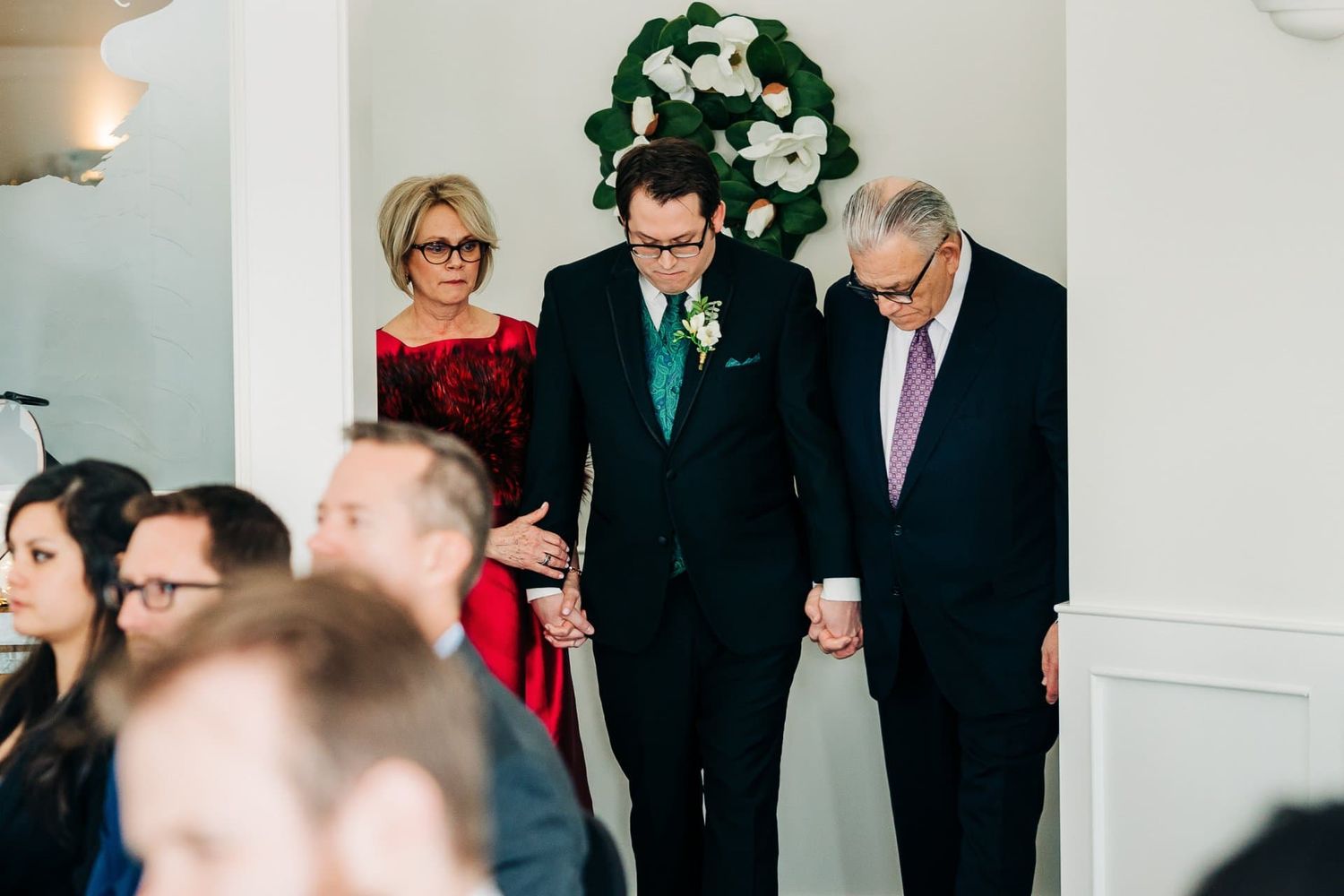
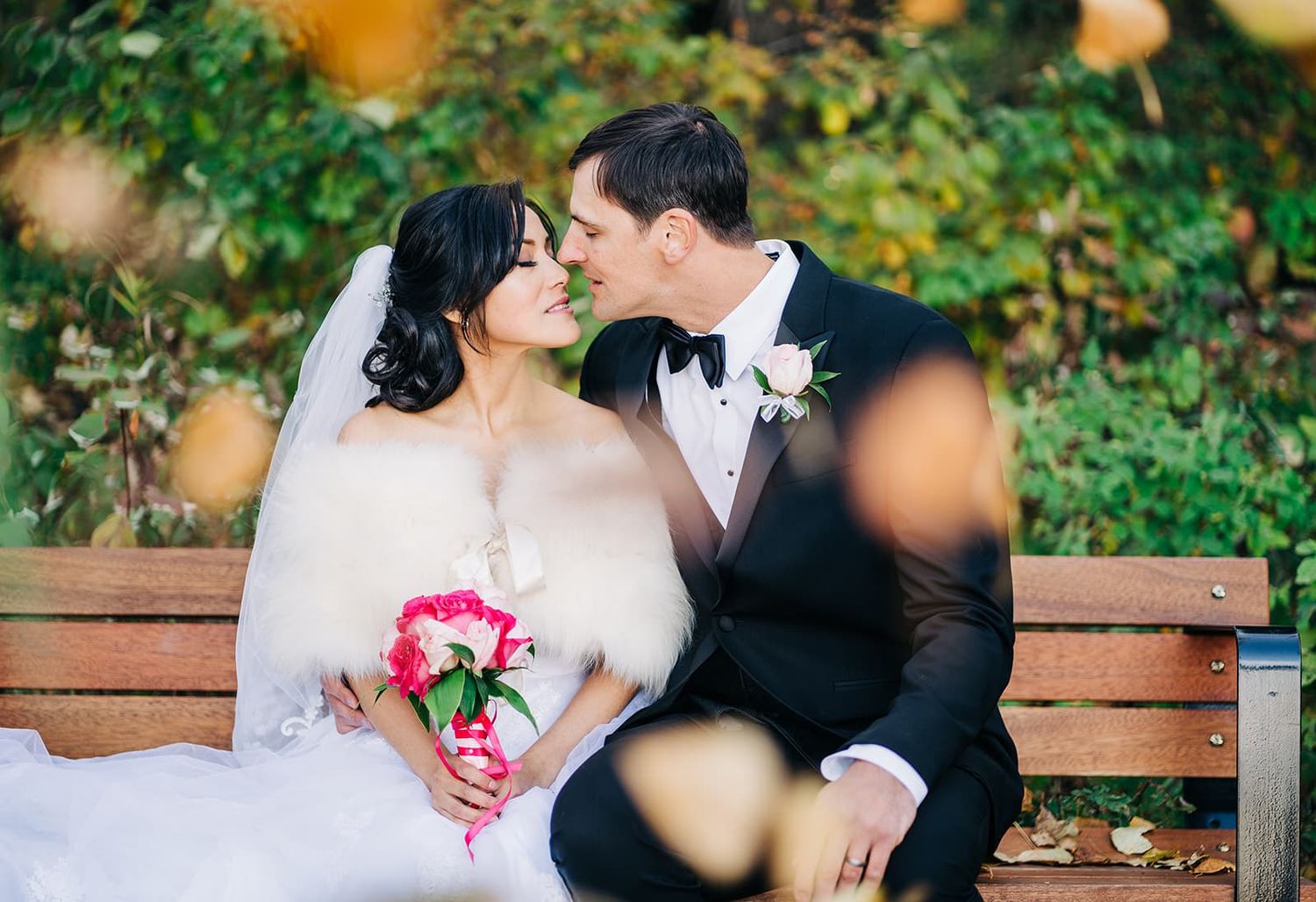
A photograph can hold a tear on your parent’s cheek. Film lets you hear the breath they took before it fell. A photograph preserves the first kiss. Film holds the shaky laughter afterward, the applause around you, and the way you reached for each other without thinking. Neither is more valuable by default. But they preserve different parts of the same story.
Should We Hire a Wedding Videographer? Start Here
You may not need a wedding film simply because everyone else has one. If your day is intimate, your budget has real limits, and you know you are happiest revisiting moments through still images, photography may be the right priority. Great photos carry extraordinary emotional weight, and a thoughtful photographer can preserve a wedding day with depth and honesty.
Video becomes especially meaningful when sound, movement, and atmosphere matter to you. Think of the people whose voices you want to keep close. Think of vows you wrote carefully, a grandparent’s toast, the music you chose for your first dance, or the nervous laugh you know your partner will make before walking down the aisle. Those details do not live in a gallery in the same way.
The clearest reason to hire a wedding videographer is not fear of missing something. It is the desire to be fully present while someone quietly preserves what you could not possibly notice in real time.
A Wedding Day Moves Faster Than You Expect
Even the most intentional couples are pulled in many directions. You are greeting loved ones, adjusting a veil, reading a letter, trying to eat a few bites of dinner, and taking in the fact that everyone you love is in one place. The day is full, and it is supposed to be. But it also means that much of it passes outside your view.
Film gives you another way back in. You might see your partner’s expression while you are reading your vows. You might notice your friends holding hands during the ceremony, or the small exchange between your parents during speeches. Months later, you may hear a voice differently because time has changed what it means to you.
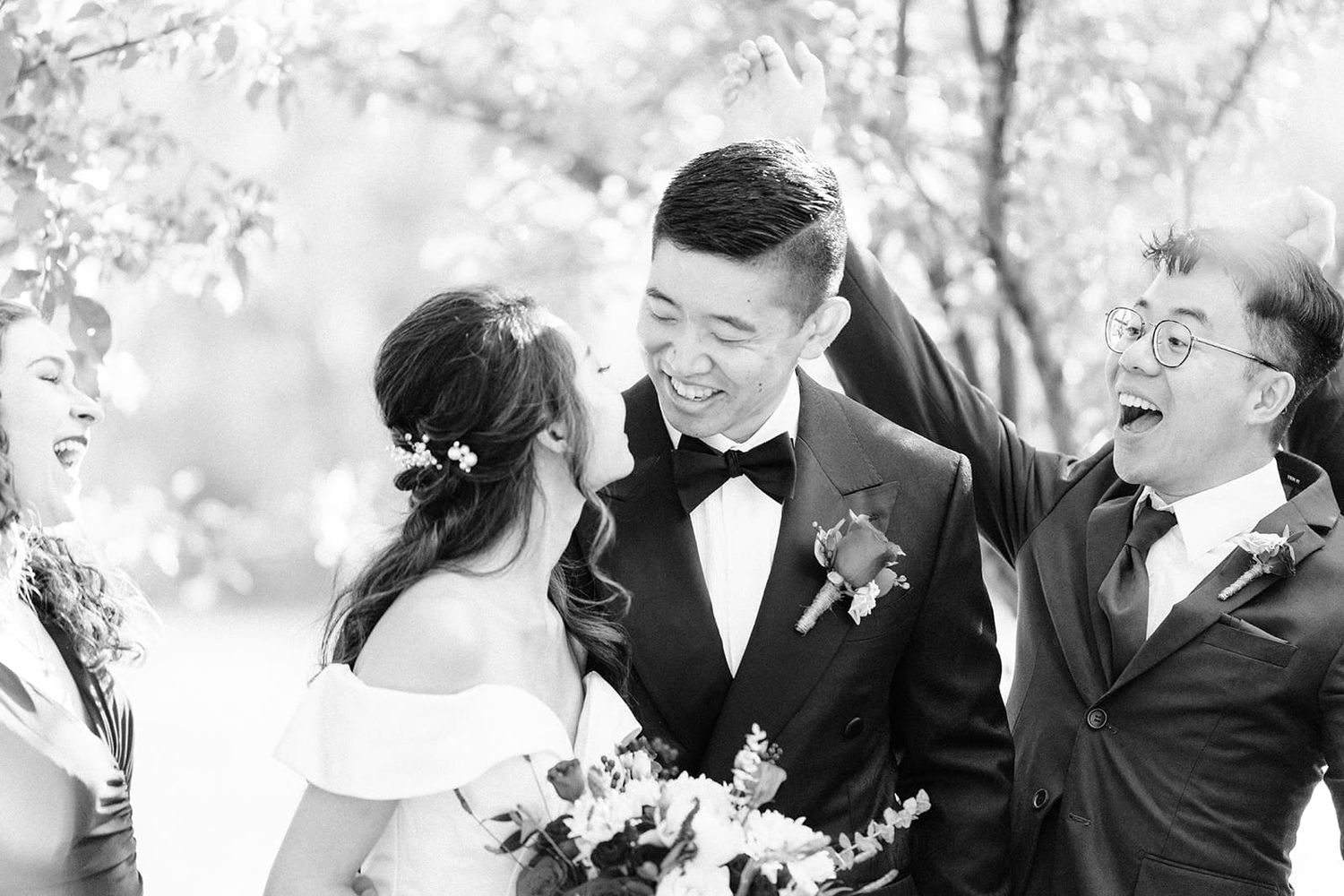
This is where documentary-minded videography matters. A film should not require you to perform your wedding day. The strongest films are built from real interactions: hands finding each other, champagne-fueled laughter, a quiet pause before the ceremony, the untidy joy of the dance floor. A little guidance can be helpful when needed, but your celebration should never become a set.
Film preserves what still photos cannot
Photography and videography are not competing versions of the same service. They are companion art forms. Photography freezes a feeling with remarkable clarity. Videography gives that feeling rhythm, sound, and context.
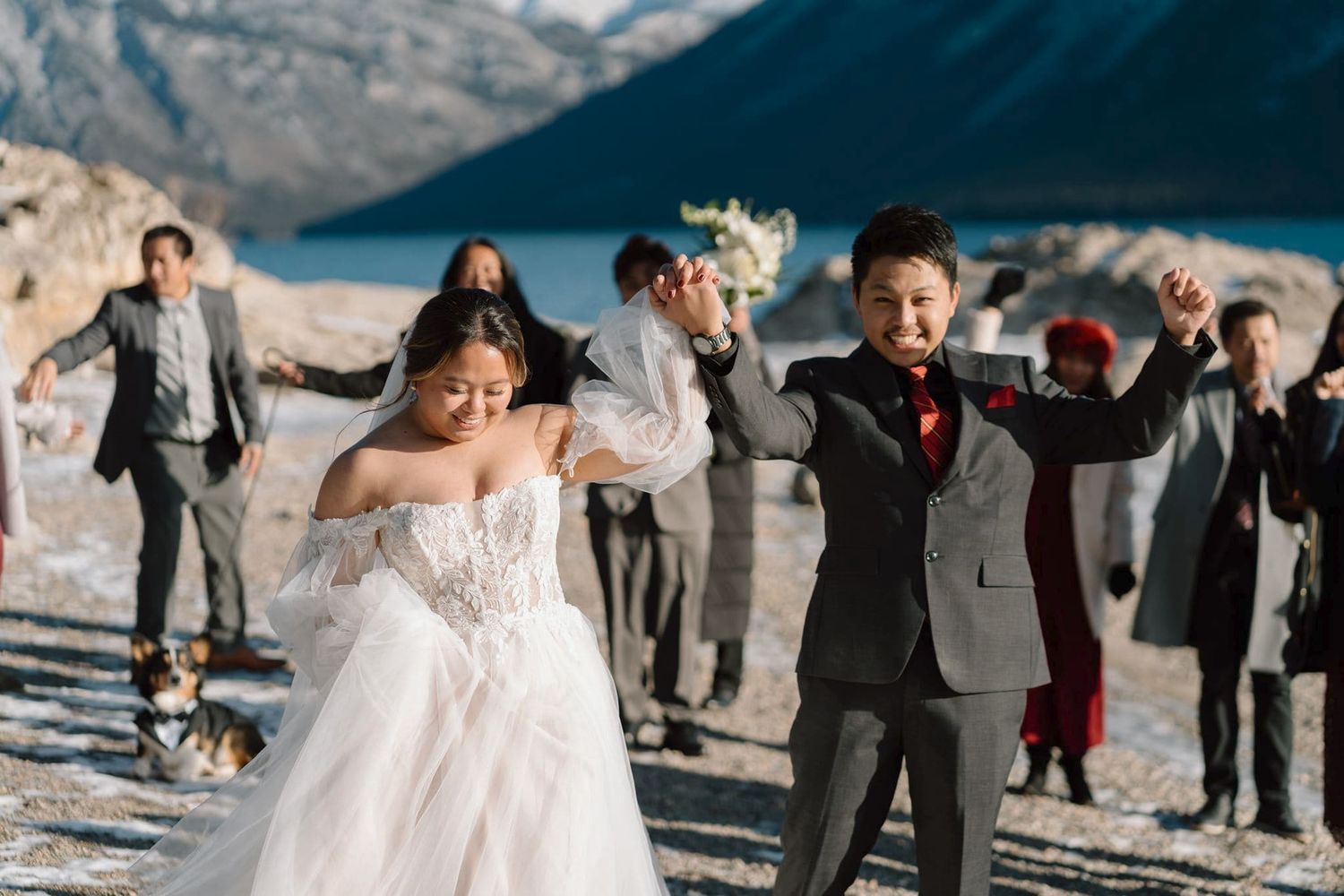
A wedding film can preserve your actual voices, the cadence of your vows, and the words that mattered in speeches. It catches the movement of a dress in mountain wind, the squeeze of a hand beneath the table, and the way a room reacts when a surprise unfolds. For couples marrying in Banff or Canmore, it can also hold the scale of the landscape in a particularly immersive way: wind through the trees, the echo of a ceremony, guests gathering beneath a wide open sky.
Those sensory details may seem small before the day. Later, they are often the details that bring everything back.
When a Wedding Videographer Is Worth the Investment
Wedding videography tends to feel most worthwhile for couples who see their celebration as an heirloom event rather than a one-day production. You do not have to want a dramatic, staged movie. In fact, many couples who value film most are the ones who want the opposite: an honest record that feels like them.
It may be a wise investment if you are planning personal vows, meaningful speeches, live music, cultural traditions, or a ceremony with people who have played an important role in your relationship. It is also worth considering if guests are traveling a long way, if family dynamics make the day especially emotional, or if you know you will want to share the experience with loved ones who could not attend.
There is also a future-facing reason. Your wedding is one of the few days when generations of your family and chosen family may be together. A film lets you revisit not only how everyone looked, but how they sounded, moved, joked, and loved you. That value can deepen over time in ways that are hard to measure on a planning spreadsheet.
Still, it depends on your priorities. If adding video means sacrificing something that is central to your experience, such as the venue, the guest count, or photography coverage you truly care about, pause before stretching your budget. The right decision is not the one with the longest vendor list. It is the one that reflects what you want to carry forward.
Ask What You Want to Feel Later
Rather than asking whether videography is a wedding “must-have,” ask yourself a few more personal questions. When you imagine your tenth anniversary, do you want to hear your vows again? Do you want to watch your friends react to your first dance? Would it matter to see the parts of the day that happened while you were elsewhere?
Consider how you naturally revisit memories now. Do you rewatch videos from trips? Do the voices of loved ones affect you more than you expect? Does a favorite song immediately bring you back to a place? If the answer is yes, a wedding film may become one of the most meaningful things you bring home from the day.
Also consider your comfort in front of a camera. If you dislike being directed, look for a team whose approach is observational and calm. You should feel safe enough to forget the cameras are there. The goal is not to manufacture emotion for a highlight reel. It is to protect the emotional atmosphere already happening around you.
The Case for Coordinated Photo and Film
When photography and videography work as one coordinated team, the day often feels easier. There is less overlap, fewer competing directions, and a shared understanding of what matters to you. A photographer can anticipate a moment from one angle while the filmmaker protects the movement and audio from another.
This is especially useful during fast-moving parts of the day: getting ready, the ceremony processional, family hugs after the vows, and reception speeches. A cohesive team can work quietly, give you space, and make decisions together without turning every moment into a production.
At Conquer Your Journey, we approach photo and film as a shared act of attention. As a husband-and-wife team, we understand that the best coverage is not about being everywhere loudly. It is about watching closely enough to recognize the moments that will matter before they disappear.
Consider a Same-Day Edit if shared emotion matters
For some couples, the most unforgettable film moment happens before the wedding is even over. A Same-Day Edit is a cinematic highlight created during the day and shown at the reception. It allows guests to see the vows, the morning nerves, and the ceremony emotion while everyone is still gathered in the same room.
It is not necessary for every wedding. It requires thoughtful planning, a capable team, and space in the reception timeline. But when it fits, it can transform the room. Parents see moments they missed. Friends relive the ceremony together. The newlyweds get to pause in the middle of the celebration and realize what just happened.
That collective reaction is part of the memory, too.
Choose the Feeling, Not Just the Package
When comparing videographers, look beyond runtime, camera counts, and highlight-film length. Those details matter, but they do not tell you whether the finished film will feel like your wedding. Watch for emotional pacing, natural audio, and the way couples appear on screen. Do they look relaxed? Are the moments genuine? Does the film make room for quiet as well as celebration?
Ask how the team works alongside photographers, how they record ceremony and speech audio, and how much direction they give. Then pay attention to your own response. You are inviting these people into intimate moments with your family and closest friends. Technical skill matters, but trust matters just as much.
Your wedding will not be perfect, and that is not the point. There may be wind, happy tears, a missed cue, a toast that goes wonderfully off-script. Years from now, those are often the pieces that feel most like the truth. If a wedding film helps you return to that truth, with all its movement and sound and unpolished joy, it may be one of the gentlest gifts you give your future selves.