The room goes quiet. One of you takes a breath before beginning your vows. A parent reaches for a hand in the front row. These are not moments you can recreate later, and they are the reason a thoughtful wedding ceremony filming guide matters. Your ceremony is the emotional center of the day, not a pause between getting ready and the party. It deserves to be filmed with enough care that, years from now, you can return to the feeling of standing there together.
Start With the Feeling You Want to Preserve
Before discussing camera positions or timelines, consider what you want to remember. Some couples want a cinematic film that carries the emotional arc of the ceremony. Others want to hear every word their loved ones said, from the welcome to the recessional. Most want both: the atmosphere and the voices that gave it meaning.
That intention should shape every filming decision. A ceremony film is not strongest when it simply proves that every event happened. It is strongest when it lets you feel the nervous laughter, the long pause before a vow, the shift in your partner's face when you begin to speak.
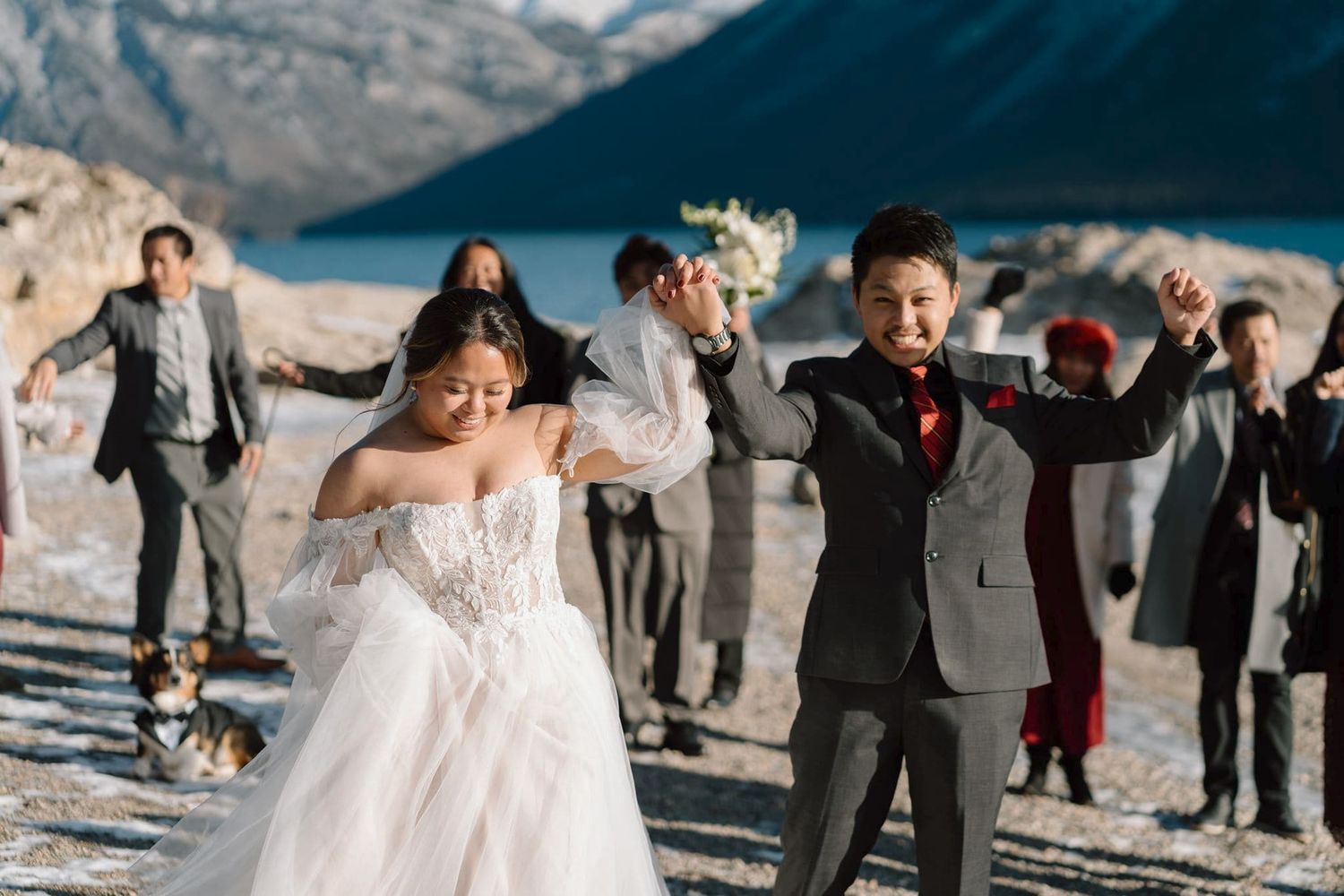
For outdoor ceremonies in Calgary, Canmore, or Banff, the landscape can be breathtaking, but the weather and wind are real parts of the story, too. A film team should honor the setting without allowing a sweeping mountain shot to matter more than the people standing in front of it.
Build Your Ceremony Timeline Around Presence
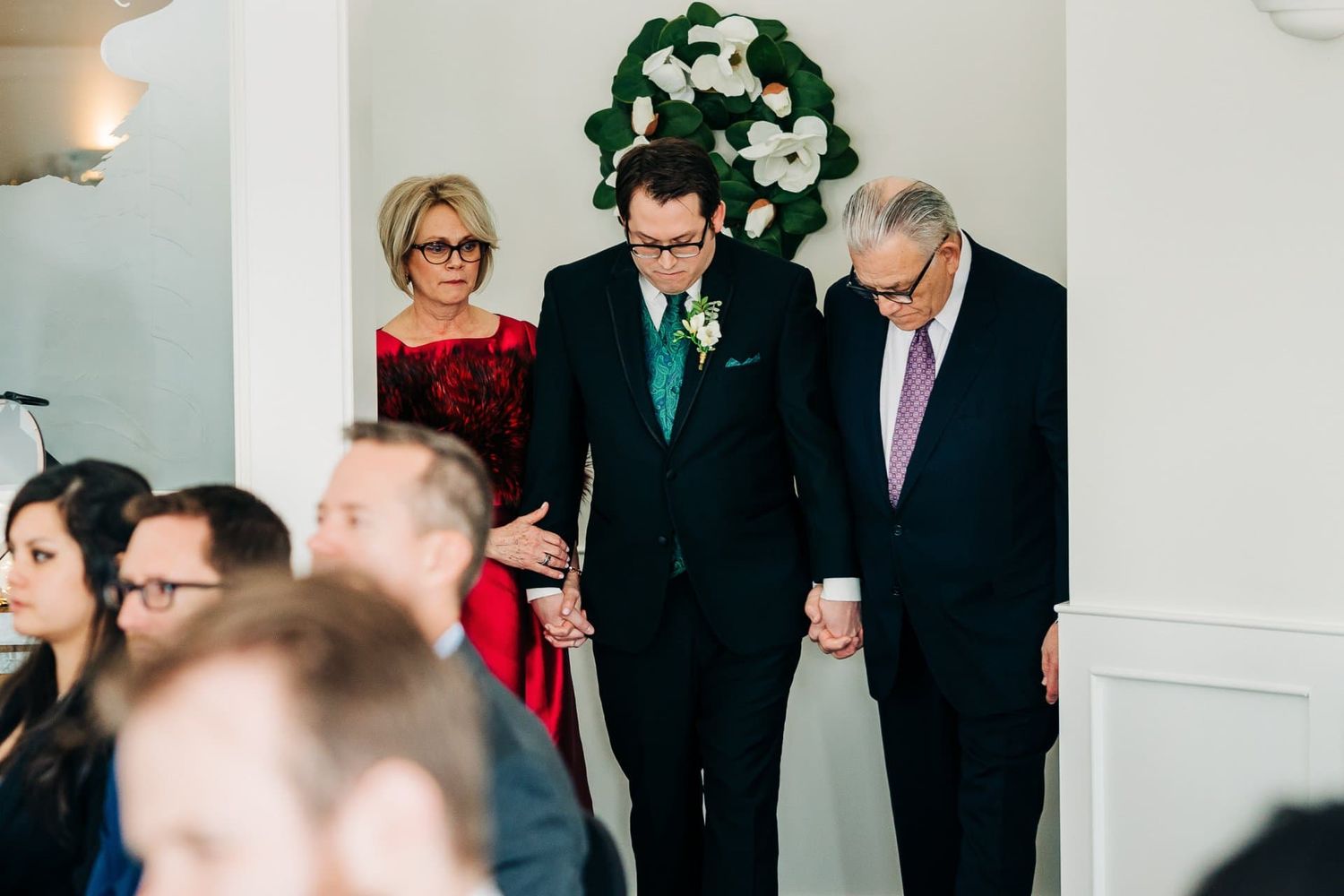
The best ceremony coverage begins before the processional. Give your filmmaking team time to quietly observe the room filling, family members greeting one another, and the final moments before you walk down the aisle. These small fragments often become the emotional thread that makes the finished film feel personal rather than generic.
Try to avoid building a ceremony timeline so tightly that vendors are rushing into position at the last second. A few calm minutes before guests arrive allow your photo and film team to assess the light, test audio, and settle into the space without adding pressure to your morning.
If you are planning a first look, private vow exchange, or letter reading, talk through how it connects to the ceremony. Private words can offer a quieter space for emotion, while spoken vows in front of your guests create a powerful shared memory. Neither choice is more meaningful. It depends on what allows you to be most honest with each other.
Audio Is the Part You Will Miss Most Without
Beautiful images cannot replace your voices. The words spoken during your ceremony become more valuable with time: the promises you made, the tremble in a voice, a reading chosen by someone you love, and the laughter after an unexpected line lands.
Professional ceremony filming relies on intentional audio capture, usually through discreet microphones placed on the officiant and one partner, with additional recording when the setting calls for it. This is particularly important for outdoor ceremonies, where wind, waterfalls, passing traffic, and guests shifting in their seats can compete with the vows.
Share your ceremony details early. Let your team know who will be speaking, whether there will be live music, and if anyone is delivering a surprise reading or tribute. A skilled filmmaker will not need to intrude on the moment, but they do need enough context to anticipate it.
A Wedding Ceremony Filming Guide to Camera Placement
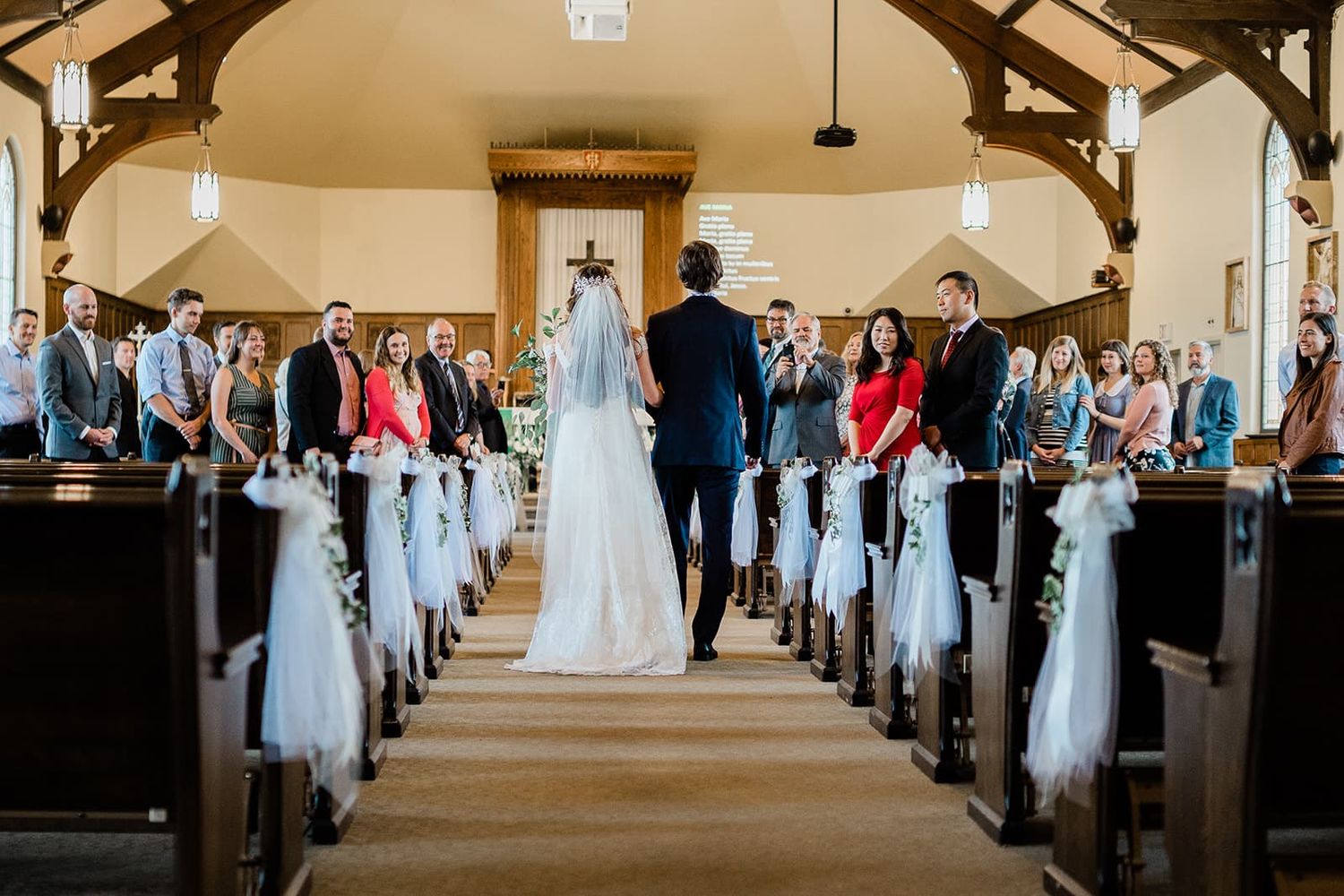
No couple wants to look out at the aisle and see a wall of equipment between them and their guests. At the same time, one camera angle rarely captures the full story. Thoughtful multi-camera coverage gives your film room to breathe while allowing the team to remain unobtrusive.
One camera may hold a wider view of the ceremony and its setting. Another can stay focused on the partner speaking, the reactions across the altar, and the people who matter most in the front row. A third angle, when appropriate, can gather intimate details without stepping into the aisle or distracting your guests.
The trade-off is always visibility versus coverage. A larger production footprint can create more angles, but it can also change the atmosphere of a small, intimate ceremony. For a quiet elopement or a close gathering in the mountains, restraint often creates a more honest result. For a larger celebration with a long aisle and many moving pieces, additional coverage may be the right choice.
Ask your filmmaker how they work around photographers, officiants, musicians, and venue restrictions. A coordinated photo and film team has an advantage here: they already understand each other's movement and can protect the moment without competing for the same space.
Let the Officiant and Venue Know the Plan
A brief conversation before the wedding can prevent disruptions during the ceremony. Some houses of worship have specific rules about where cameras may stand. Certain venues restrict tripods in aisles, movement during prayers, or filming from particular areas. These guidelines deserve respect, even when they limit a preferred angle.
Your officiant can also help create a more film-friendly ceremony without turning it into a production. A simple request to step slightly aside during the first kiss, or to avoid standing directly in front of you during vows, can make a meaningful difference. The goal is never to stage the ceremony. It is to make sure the connection between you remains visible.
If you are having an unplugged ceremony, include that request in your invitations or have the officiant mention it before the processional. Phones held high can block the aisle, pull attention away from the moment, and appear in nearly every frame. More importantly, asking guests to put their devices away gives them permission to be fully there with you.
Think Beyond the First Kiss
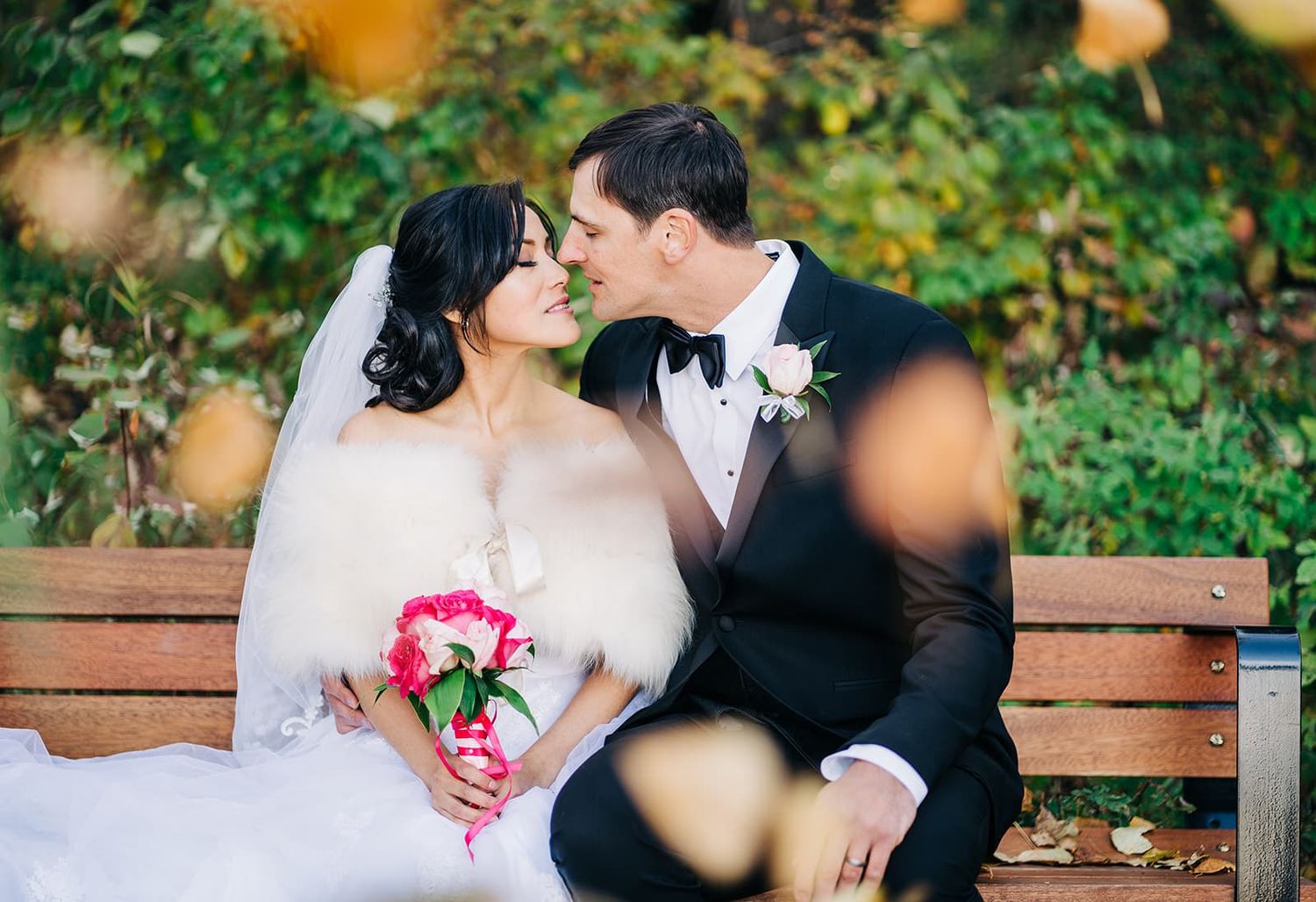
The first kiss is beautiful, but it is not the only moment worth protecting. Some of the most moving footage happens in the seconds immediately afterward: the exhale, the smile you try to contain, the way you turn toward your guests together for the first time as a married couple.
Leave space for those moments. Do not rush straight from the kiss into a long line of congratulations if you can help it. A slow recessional lets you take in the room, celebrate with your people, and gives your team an opportunity to capture joy that is impossible to direct.
Consider whether you would like a private moment after the recessional, too. Even five minutes alone can give you a chance to absorb what just happened before the energy of the reception begins. It may become a quiet, deeply personal scene in your wedding film, but its greater value is that it belongs to the two of you.
Choose Music That Leaves Room for Truth
Music guides the emotional pace of a wedding film, but your ceremony audio should remain at its heart. The strongest edits do not bury vows beneath a dramatic song. They use music to support the voices, pauses, and natural sound that make the day unmistakably yours.
If you have a song that holds real meaning, tell your filmmaker. It may not always be possible to use every requested track, especially if a film will be shared publicly, but the emotional reference is still useful. A good team can understand whether your taste leans intimate and nostalgic, warm and joyful, or expansive and cinematic.
This is also why a Same-Day Edit can feel so powerful. When guests see a short film at the reception, they are not just watching beautiful footage. They are revisiting the ceremony while its emotion is still alive in the room. The laughter, tears, and applause become part of the celebration itself.
Trust Your Team Enough to Forget the Cameras
You do not need to perform emotion for a wedding film. You do not need to look at the camera when you walk down the aisle or hold a reaction longer than feels natural. The moments that endure are usually the unplanned ones: a shaky breath, a whispered joke, a hand reaching instinctively for the other.
Tell your team anything that may carry emotional weight - a loved one who cannot be there, a family tradition, a meaningful heirloom, or a surprise planned during the ceremony. Then let them quietly carry that knowledge. The right filmmakers watch, wait, and anticipate, leaving you free to experience the day instead of managing it.
When you plan your ceremony with care, the film becomes more than a record of what was said and done. It becomes a way back to the promises, faces, and feeling that started your marriage. Give yourselves permission to stay present. That is the part no camera can create, and the part a good film will help you remember.