
The package that looks best on paper is not always the one that will feel most like your wedding. A wedding film package review guide should help you look beyond hours, deliverables, and polished buzzwords to ask a more personal question: when you press play years from now, will this film bring you back to the feeling of the day?
For couples planning a celebration in Calgary, Banff, or anywhere their story takes them, wedding cinematography is more than a record of events. It is the sound of your vows trembling slightly at the edges, your parents laughing during dinner, the wind moving through your ceremony space, and the moment your partner sees you fully. The right package protects room for those moments to unfold naturally.
Start With the Experience You Want to Remember
Before comparing packages, picture the wedding day itself. Do you want a team that directs every transition, or one that quietly observes and anticipates? Neither approach is inherently wrong, but they create very different experiences.
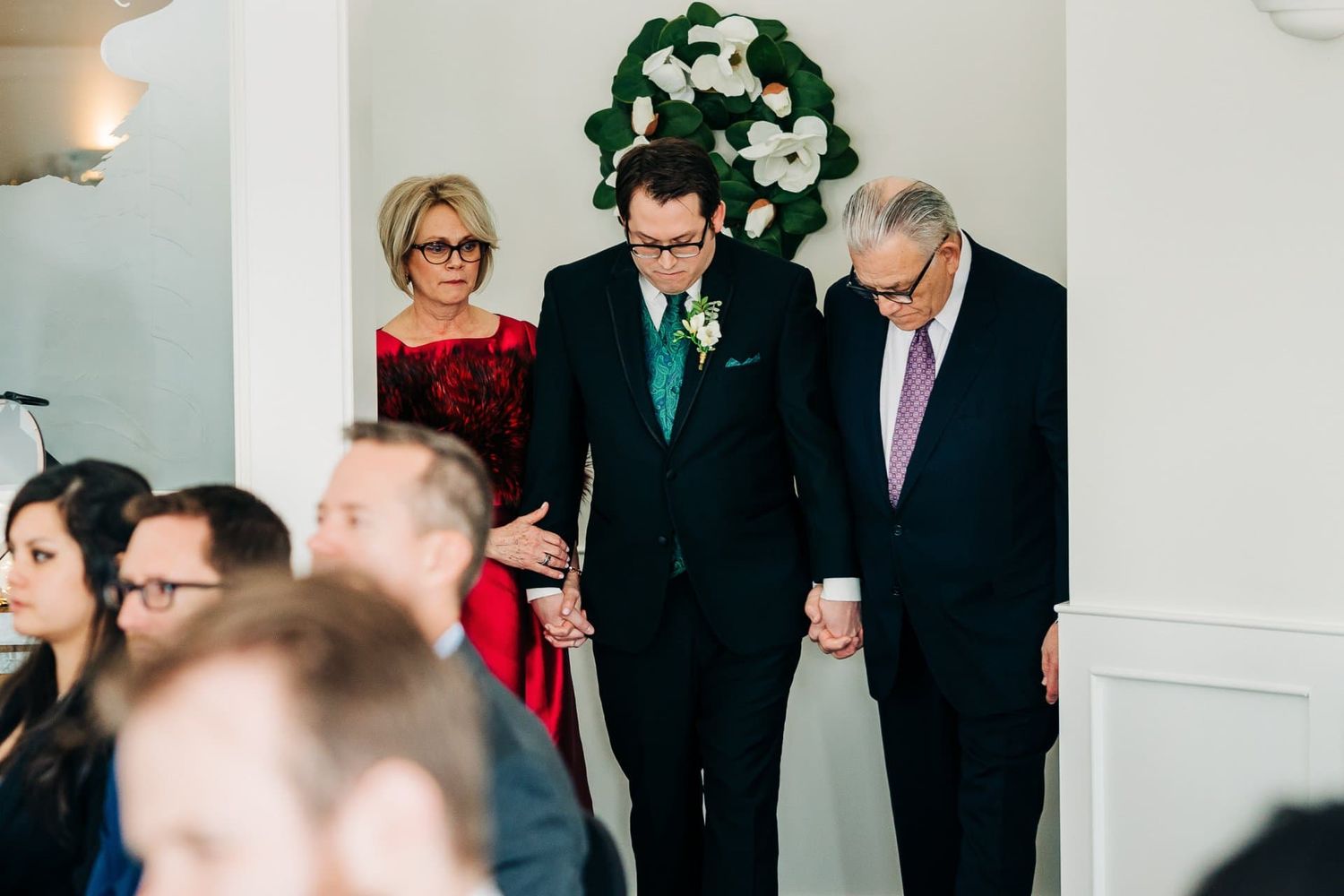
A heavily produced wedding film may involve more staged portraits, planned re-enactments, and a larger emphasis on visual perfection. Documentary-inspired cinematic work tends to preserve the in-between moments: a deep breath before walking down the aisle, a hand squeeze during speeches, an unexpected tear from someone who thought they would keep it together.
If you are choosing film because you want to relive the emotional shape of the day, look for language that explains how the filmmaker works in real time. “Candid” is a good start, but ask what it means in practice. Will they give gentle guidance when it is helpful, then step back? Will they record natural audio throughout the day? Do they know how to move discreetly during an intimate ceremony without pulling focus?
A beautiful film begins with a couple who had the freedom to be present in their own celebration.
Wedding Film Package Review Guide: What Actually Matters
Most packages are built around coverage time and final deliverables. Those details matter, but they do not tell the whole story. Review each element in light of what it preserves and how it serves your priorities.
Coverage hours should follow your story
Eight hours may be enough for a compact city wedding with getting-ready coverage, a ceremony, portraits, and a lively reception entrance. It may feel rushed for a mountain wedding with travel between locations, a first look far from the venue, or a reception you want captured well into the dancing.
Rather than choosing the shortest package that technically covers the timeline, identify the moments that are non-negotiable. Maybe it is your grandmother helping with your dress. Maybe it is private vows at sunrise, a tea ceremony, or the final song of the night. A thoughtful filmmaker can help you map coverage around those moments instead of asking your day to fit a generic schedule.
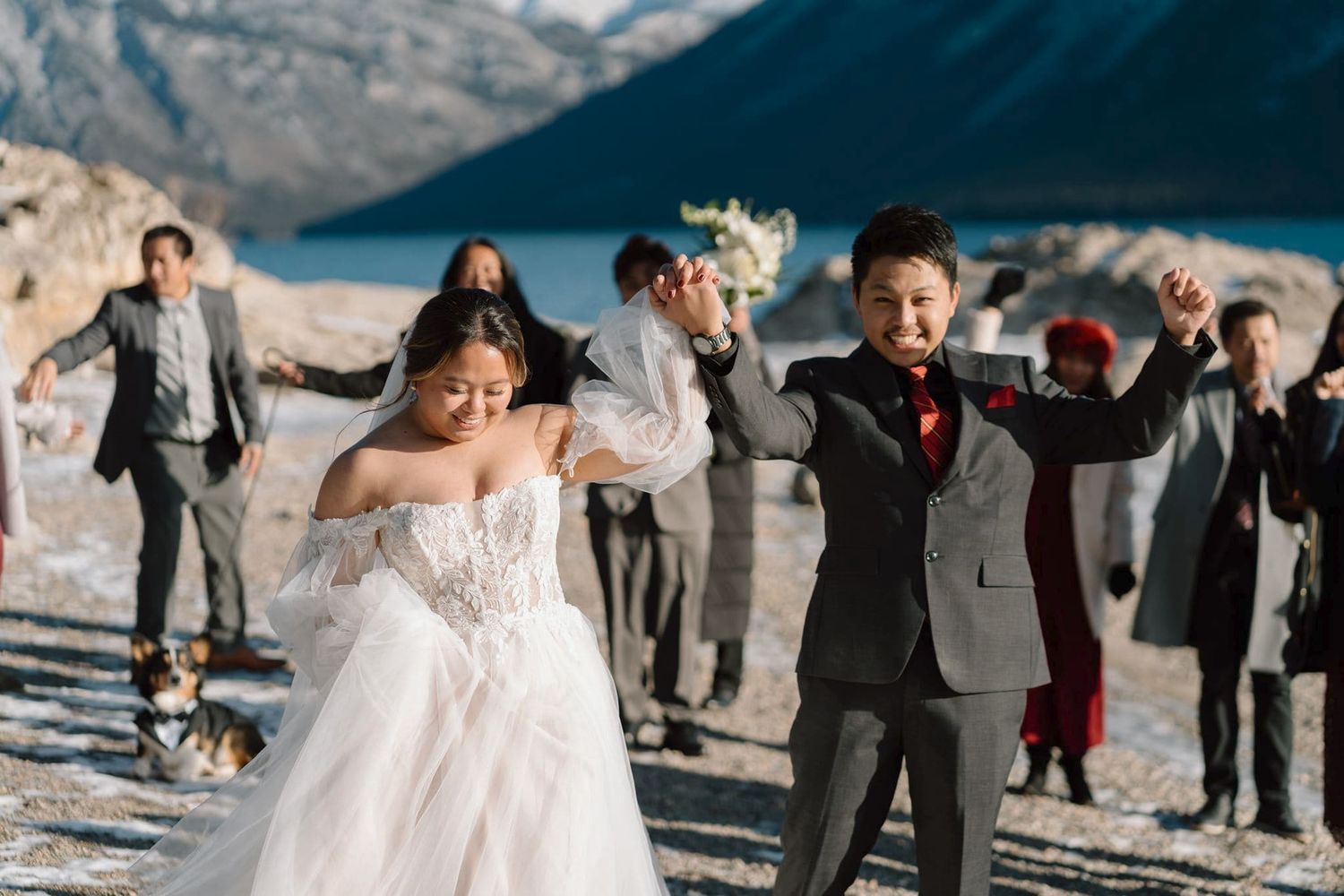
For multi-location celebrations in Banff or Canmore, also ask how travel, setup time, weather flexibility, and ceremony access affect the coverage plan. Mountain weddings often have more moving pieces, and a package should leave room to breathe.
A highlight film and a full film do different jobs
A cinematic highlight film is usually a condensed emotional story, often around four to eight minutes. It is designed to capture the energy, voices, movement, and heart of the day in a way that is easy to revisit and share.
A longer documentary edit serves another purpose. It may include the full ceremony, complete speeches, or extended formal dances. These films are especially meaningful when the words themselves matter deeply to you - perhaps you have written personal vows, invited loved ones from far away, or know that family voices will become more precious with time.
There is no rule that says every couple needs every deliverable. If your priority is an artful, emotionally layered film you will watch often, a highlight may be the right focus. If preserving the full spoken record is equally important, choose a package that includes both. Just make sure “full ceremony edit” and “full speeches edit” are clearly defined rather than assumed.
Audio is where the emotion lives
The most visually stunning footage cannot replace the sound of your partner saying, “I choose you.” When reviewing a package, ask how vows, speeches, readings, and ambient sound are recorded.
Professional audio typically involves discreet microphones and backup recording methods. The details may feel technical, but the outcome is deeply human. Clean audio allows your film to carry the crack in a voice during a toast, the rush of applause after your first kiss, and the tiny laugh that changes the meaning of a sentence.
Also ask what happens if a venue has restrictive sound rules or a ceremony takes place outdoors. An experienced team plans for changing conditions without making the recording equipment feel intrusive.
Two filmmakers can create a fuller memory
A single filmmaker can create extraordinary work, especially for smaller, slower-paced celebrations. But two filmmakers offer a different kind of coverage. One can stay with you as you take a breath before the ceremony while the other captures your partner waiting at the aisle. During speeches, one can film the speaker while the other watches your reaction across the room.
This matters most when your wedding has separate getting-ready locations, a large guest count, complex logistics, or many moments happening at once. It can also make the day feel calmer. A coordinated team does not need to constantly race from one side of the room to the other, and you are less likely to feel like the camera is asking you to repeat a real moment.
If you are booking photography and film together, ask how those teams collaborate. A unified photo and video team can move with a shared rhythm, respect the same quiet moments, and avoid competing for your attention during portraits.
Look Closely at the Editing Style
Every filmmaker can use the words “cinematic” and “story-driven.” Their finished films reveal what those words mean to them.
Watch at least three complete examples, not only short social clips. Pay attention to pacing. Does the film give meaningful moments time to land, or does every second move quickly to the next dramatic shot? Listen for how vows and speeches are woven into the story. Notice whether the people on screen appear relaxed and connected or overly posed.
You are not looking for a film that copies someone else’s wedding. You are looking for consistency in how the filmmaker sees people. The strongest work feels intentional without feeling manufactured. It has beauty, but it leaves room for imperfect laughter, weather shifts, nervous energy, and all the small evidence that the day was genuinely yours.
Color treatment deserves a closer look too. Trend-led editing can be striking, but consider whether it will still feel like your wedding in twenty years. Natural skin tones, thoughtful contrast, and a timeless approach often age more gracefully than an aggressive filter.
Understand the Same-Day Edit Before You Add It
A Same-Day Edit is not simply a faster highlight film. It is a live emotional moment built into your reception: footage from the morning, ceremony, and early portraits is edited into a cinematic piece and shown to your guests before the night ends.
When done well, it changes the atmosphere in the room. Guests see the quiet moments they missed, couples get to experience their day from a new perspective while it is still unfolding, and the entire reception can erupt into the kind of shared joy that cannot be recreated later.
It is a premium addition because it requires focused coordination, rapid editing, reliable technical planning, and a team that can continue documenting the reception while the film is being finished. Ask who is responsible for editing, how the film will be displayed, whether the venue has the required screen and audio setup, and what contingency plans are in place.
For couples who care deeply about guest experience, it can be one of the most memorable investments of the day. For couples who prefer a quieter reception or have a very tight timeline, it may not be essential. The value depends on the kind of energy you want your celebration to hold.
Ask About the Details That Protect Your Investment
A film package should be clear about delivery timelines, revision policies, file access, and archival practices. These are not the most romantic questions, but they are part of caring for an heirloom.
Ask how long the final films are kept available for download and whether you will receive versions that are easy to watch on a television as well as share privately with loved ones. Clarify whether music is properly licensed, particularly if you plan to post your film online. If drone footage is included, understand that weather, venue restrictions, and local regulations can affect whether it is possible on the day.
It is also wise to ask about backup equipment and backup footage. Weddings do not offer second takes. A professional team prepares for the unexpected quietly, so you never have to carry that concern.
Before signing, make sure you can answer four questions with confidence:
- Does this package cover the moments we truly want preserved?
- Does the filmmaker’s finished work feel honest to the way we want to experience our day?
- Do we understand exactly what films we will receive and when?
- Do we feel safe, seen, and at ease with this team?
That final question may be the most revealing. Your wedding filmmakers will be close during tender, unrepeatable moments. Choose people whose presence allows you to forget about the camera, hold your people a little tighter, and live the day you have waited for. The film will follow the feeling.