
A perfect sunset portrait still has its place. But the couples we see planning for 2026 are asking for something more revealing than perfection. They want wedding photography trends 2026 to reflect how the day actually felt - the shaky breath before the vows, the champagne spill nobody expected, the way a parent looks at their child when the room goes quiet.
That shift matters. Trends come and go, but the strongest ones usually point to a bigger change in what couples value. Right now, the move is clear: away from performance, toward presence. The camera is no longer there just to document how everything looked. It is there to preserve energy, connection, and memory in a way that still feels true years later.
Wedding photography trends 2026 are getting more human
For a long time, wedding imagery leaned heavily on polish. Clean poses, flawless symmetry, and a version of the day that looked almost too composed to belong to real people. In 2026, the most meaningful work feels less controlled and more lived-in.
That does not mean careless. It means intentional coverage that leaves space for real life to happen. Photographers are paying closer attention to gestures, pacing, and emotional rhythm. Instead of interrupting a moment to perfect it, they are anticipating it before it unfolds. The result is imagery that feels intimate rather than manufactured.
This is especially powerful for couples who do not want their wedding to turn into an all-day production. If your priority is being fully present with the people you love, documentary-minded photography supports that experience. You are not pulled out of the moment nearly as often, and your gallery ends up carrying more emotional weight because of it.
There is a trade-off, of course. If you want every frame to feel editorial and highly directed, a candid-first approach may feel looser than expected. The best fit often comes from balance: enough guidance to help you feel confident, enough freedom for the day to stay yours.
Cinematic imagery without the stiff posing
One of the most exciting wedding photography trends 2026 is the continued rise of cinematic framing paired with natural interaction. Couples still love beautiful light, strong composition, and artful imagery. What they are moving away from is the sense of acting inside their own wedding.
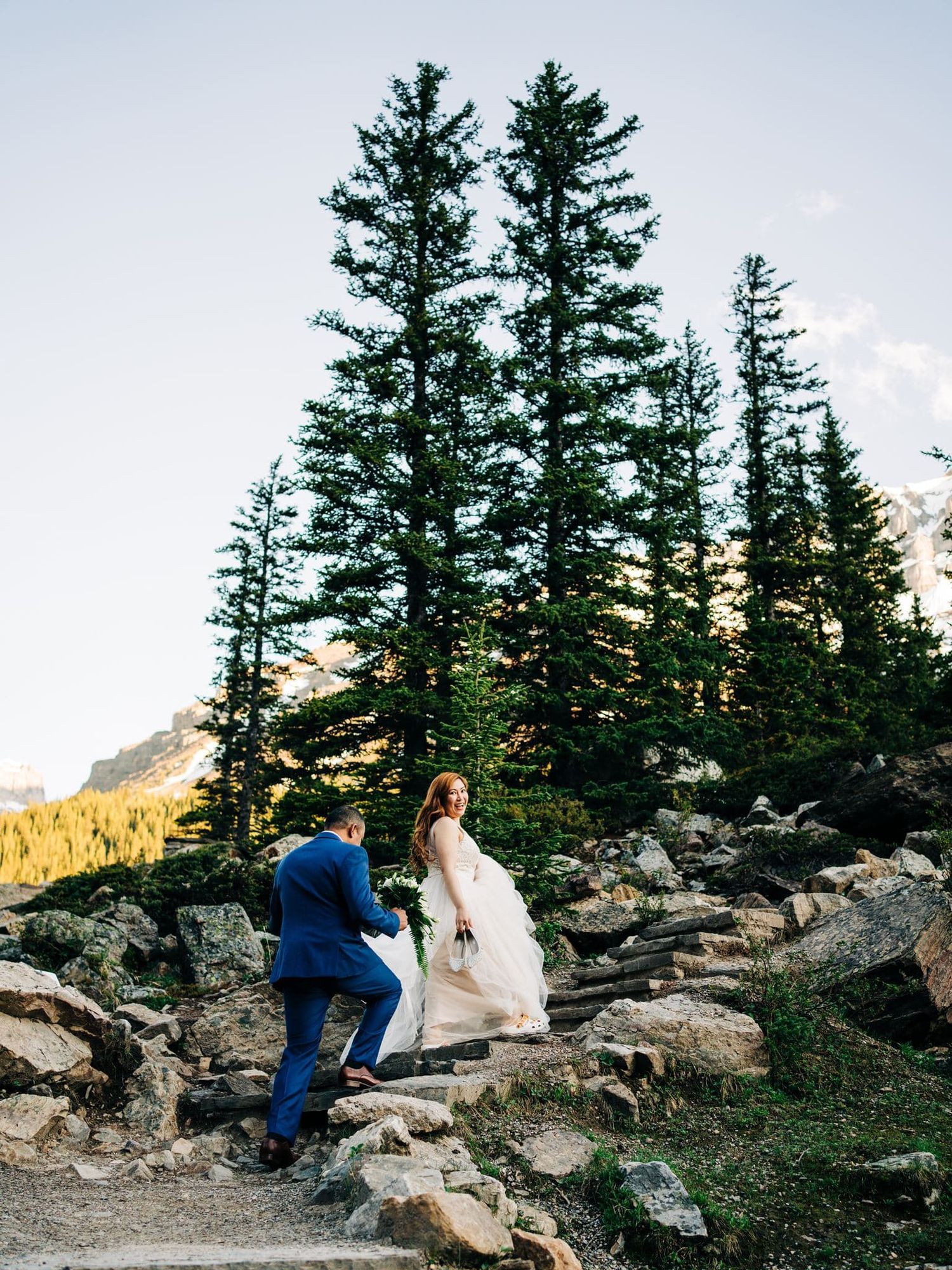
In practice, this means portrait time feels more like movement than posing. Walking together. Holding each other through a wind gust. Laughing when the veil refuses to cooperate. A photographer may offer prompts, but the goal is not to manufacture emotion. It is to create room for it.
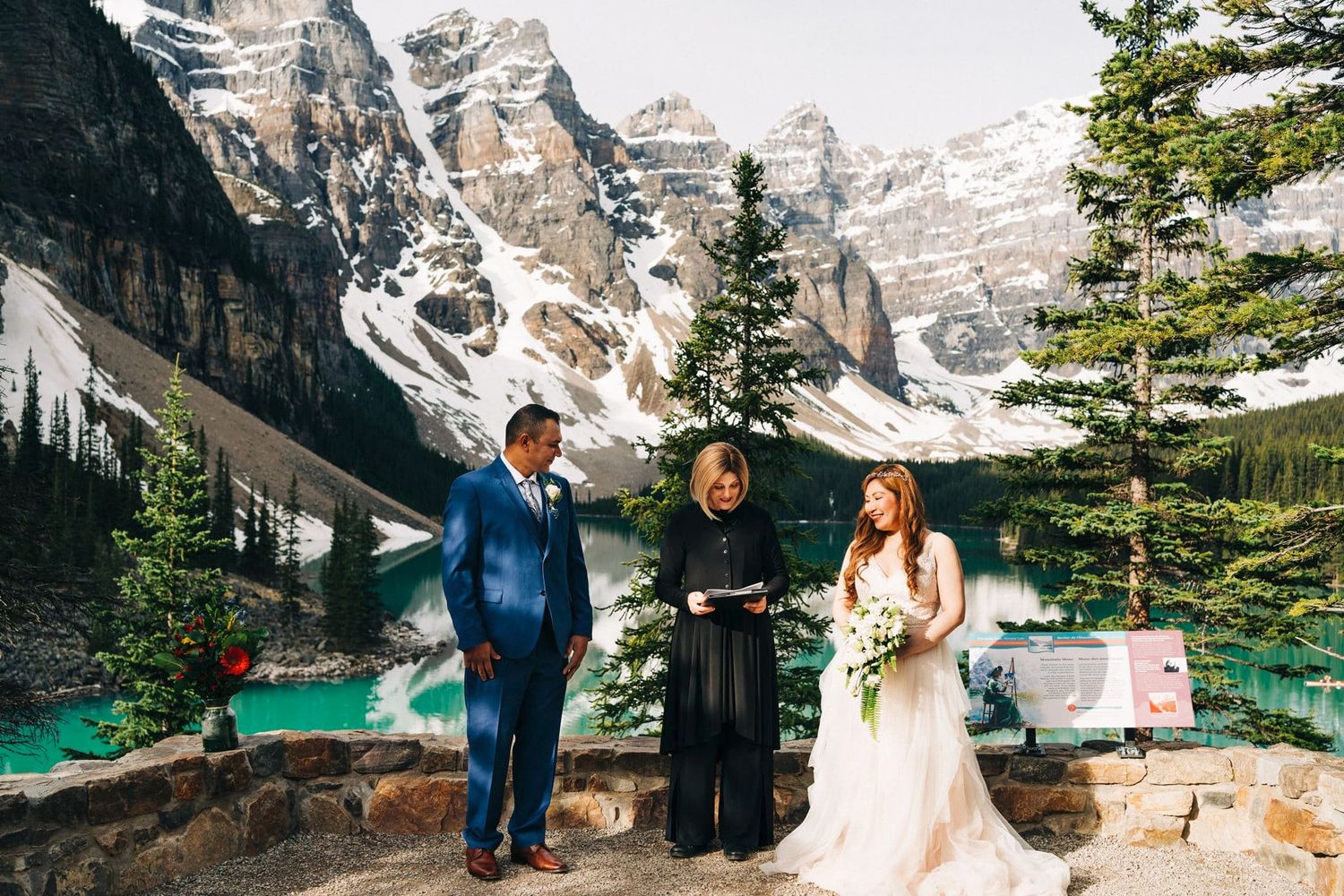
This trend is especially at home in places like Banff and Canmore, where the landscape can feel sweeping and dramatic. But the strongest cinematic images are not just about scenery. They are about contrast - the grandeur of the setting paired with something quiet and deeply personal. A hand squeeze can carry as much power as a mountain backdrop when it is photographed with care.
The reason this style resonates is simple. It gives couples images that are visually striking without losing tenderness. You get the beauty, but you also get yourselves.
Motion is becoming part of the story
Still photography is also embracing motion in a more visible way. Blur, movement, and imperfect frames are no longer seen as mistakes when used with intention. They can communicate the energy of a dance floor, the rush of a first look, or the way a ceremony felt in your body rather than just on the timeline.
This does not mean an entire gallery of blurred images. It means selective use of movement to create emotional texture. When done well, those frames become the ones that pull you back into the day most quickly because they feel alive.
Couples considering both photography and videography together are especially drawn to this. There is a visual harmony when your photo and film coverage are built around the same storytelling language. The final collection feels connected rather than split into two separate interpretations.
Smaller moments are getting bigger attention
Detail photography is changing too. Traditional flat lays and styled accessory shots are still around, but they are becoming less rigid and more contextual. Instead of treating details as isolated objects, photographers are weaving them into the emotional story of the day.
A grandmother fastening a bracelet matters more than the bracelet alone. A handwritten vow folded and softened by nervous hands says more than a pristine stationery suite placed on a table. The texture of the day is becoming more important than the catalog version of it.
This shift is meaningful because details often carry legacy. They connect your wedding to family history, personal taste, and private memories that guests may never fully see. When photographed with a documentary eye, they stop being filler and start becoming part of the emotional architecture of the gallery.
The guest experience is entering the frame
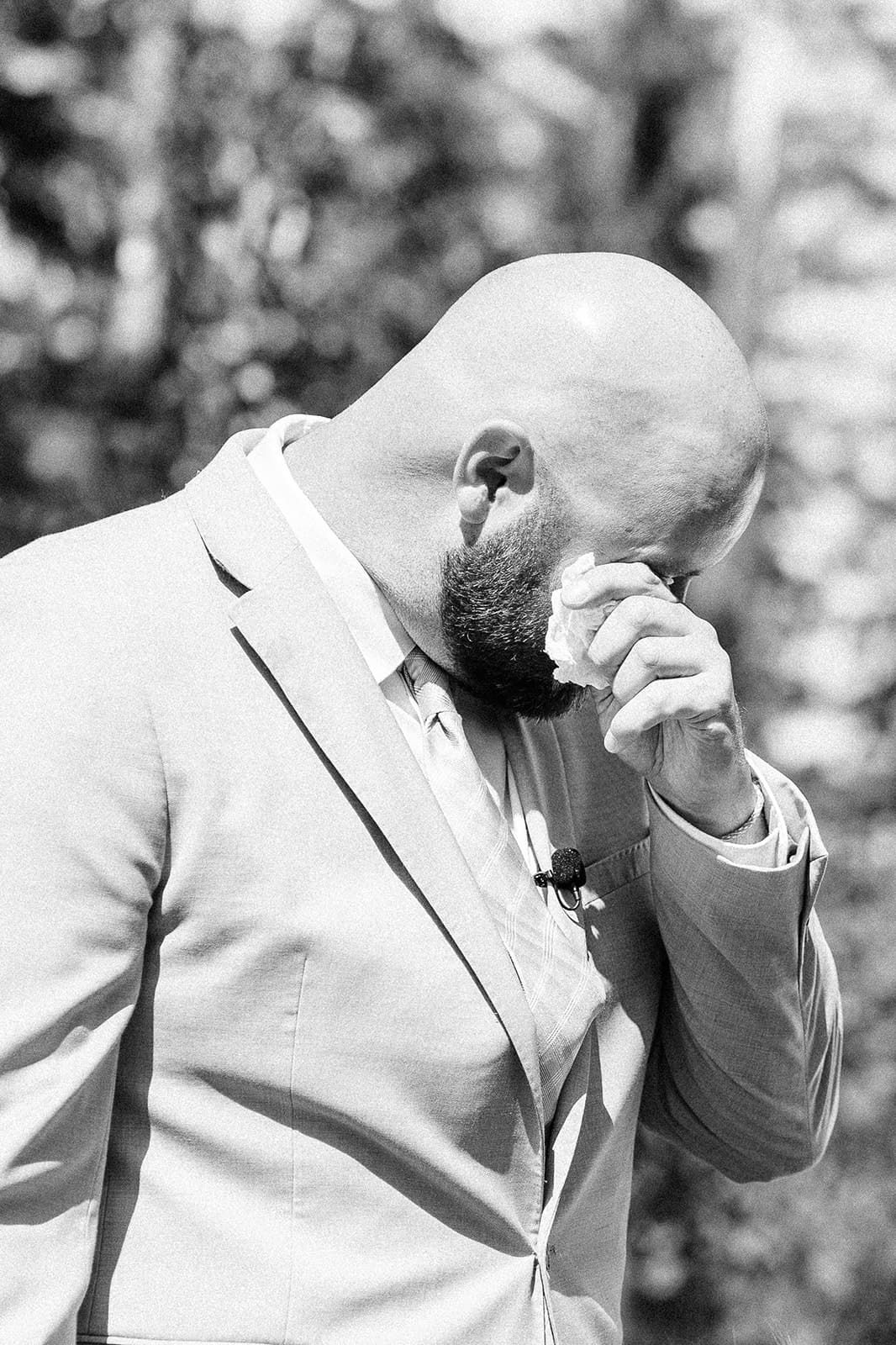
Another change in 2026 is the growing attention on what the day felt like for everyone in the room. Not just the couple, but the people orbiting them. Guests wiping tears during the ceremony. Friends screaming lyrics on the dance floor. Kids asleep under jackets at the reception.
These images often become some of the most treasured later, especially as relationships deepen and time moves on. A wedding gallery becomes larger than a record of an event. It becomes a record of community.
For couples who value legacy, this matters. Years from now, you may care less about whether every napkin was perfectly placed and more about seeing who was there, how they loved you, and what the atmosphere held.
Editorial influence is staying, but it is softening
There is still a strong appetite for fashion-forward wedding imagery. Clean lines, intentional styling, elegant flash, and refined composition are not disappearing in 2026. But they are being softened by warmth.
The new version of editorial wedding photography feels less cold and less performative. It keeps the sophistication, but lets personality in. A modern reception portrait can still feel elevated without looking detached. A flash photo can still feel stylish without becoming gimmicky.
This is good news for design-conscious couples who care deeply about aesthetics but do not want their gallery to feel emotionally distant. You do not have to choose between beautiful and honest. The strongest photographers know how to create both.
The key is clarity before the wedding day. If you love editorial images, talk about what that means to you. For some couples, it means clean portraits and chic reception candids. For others, it means a fully art-directed visual approach. Those are very different experiences, and choosing the right photographer comes down to understanding which one feels like home.
Film-inspired tones are still strong, but authenticity matters more
Color trends will keep evolving, as they always do. In 2026, film-inspired editing remains popular - softer contrast, natural skin tones, subtle grain, and a timeless palette that avoids looking overly processed. Couples are drawn to images that feel romantic without feeling filtered into a different reality.
That said, editing style should support memory, not overpower it. Heavy presets can date quickly. So can trends that drain a scene of its actual atmosphere. If your wedding day is full of rich candlelight, mountain blue tones, or vibrant florals, your imagery should still honor those choices.
This is where trust matters. A good visual artist brings consistency and taste, but also restraint. The best edits do not announce themselves first. They let the emotion lead.
Why these trends matter more than they seem
At first glance, trends can sound superficial. But in wedding photography, they often reveal something deeper about how couples want to remember one of the most meaningful days of their lives.
The couples shaping 2026 are not asking for less beauty. They are asking for beauty with truth inside it. They want images that look stunning, yes, but also hold up emotionally when the flowers are gone, the music has faded, and the day has become part of family history.
That is why the strongest trend is not really a visual one at all. It is intentionality. Choosing coverage that matches your values. Making space in the timeline to actually feel your day. Working with artists who notice what matters when you are too full of emotion to see it happening.
At Conquer Your Journey, that has always felt like the heart of the work: not forcing a wedding into a trend, but documenting it in a way that lets it remain fully yours.
As you plan, it helps to ask one simple question: when you look back at your photos ten or twenty years from now, do you want to see a performance, or do you want to feel your life beginning? Start there, and the right style usually becomes clear.