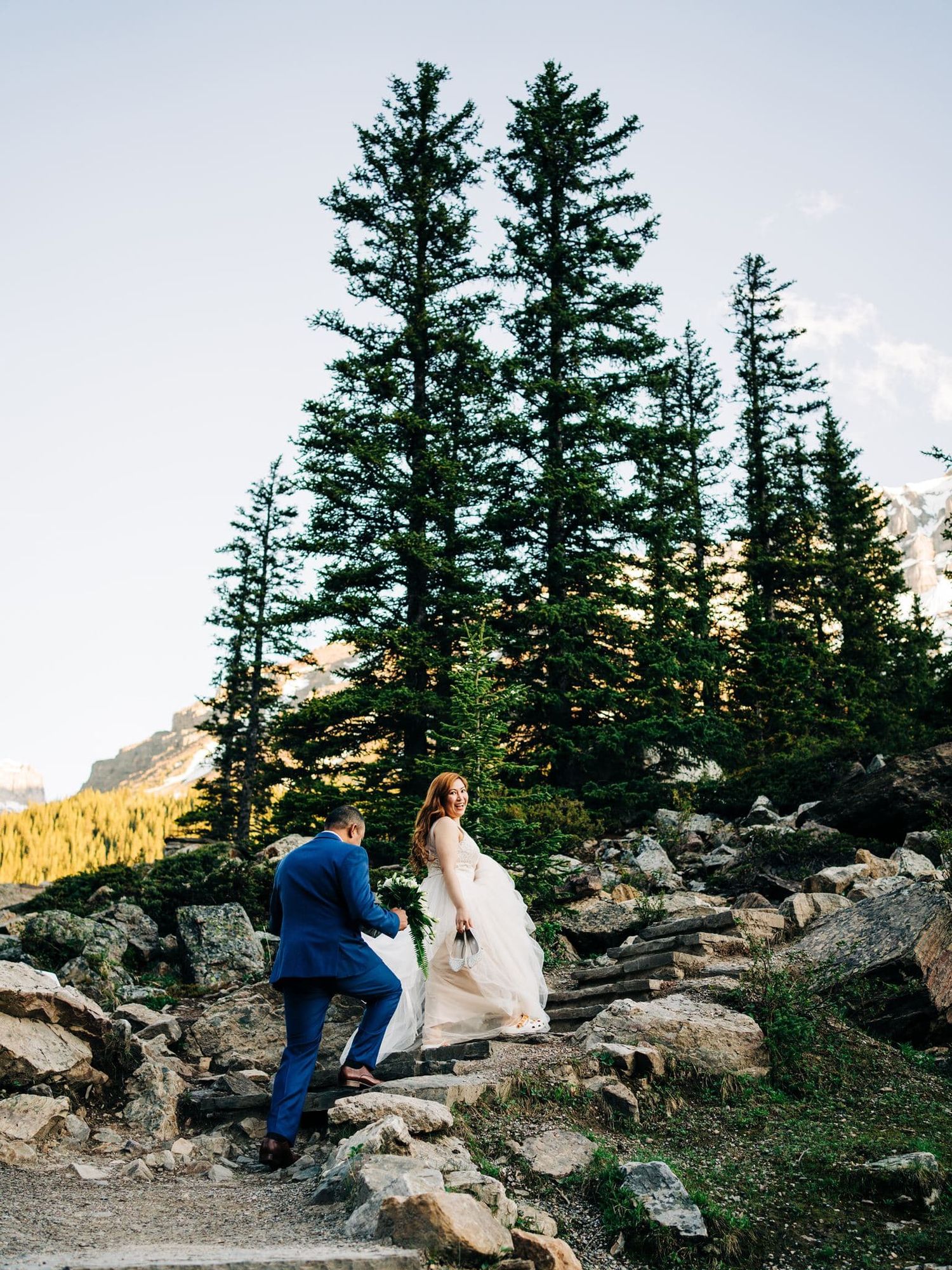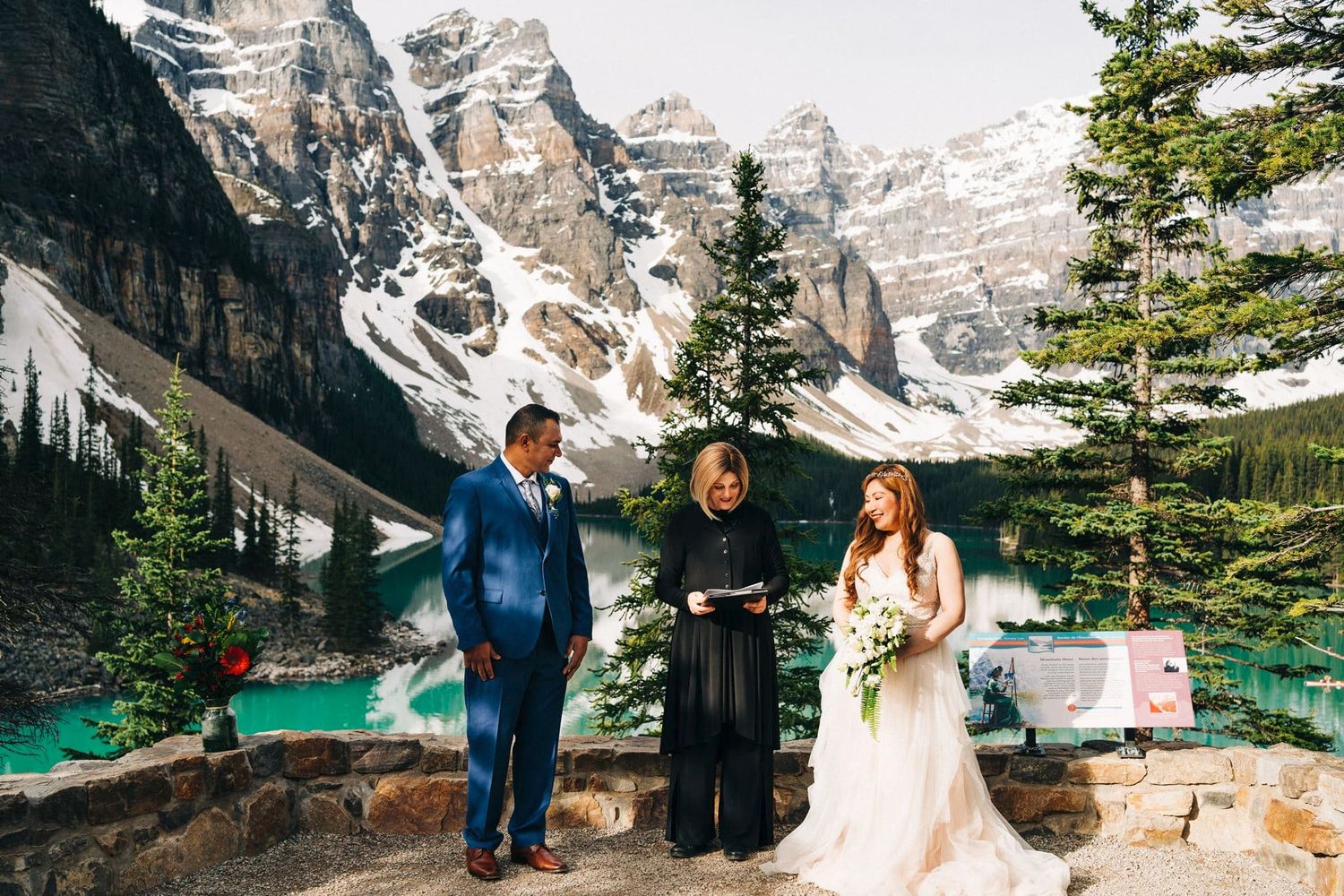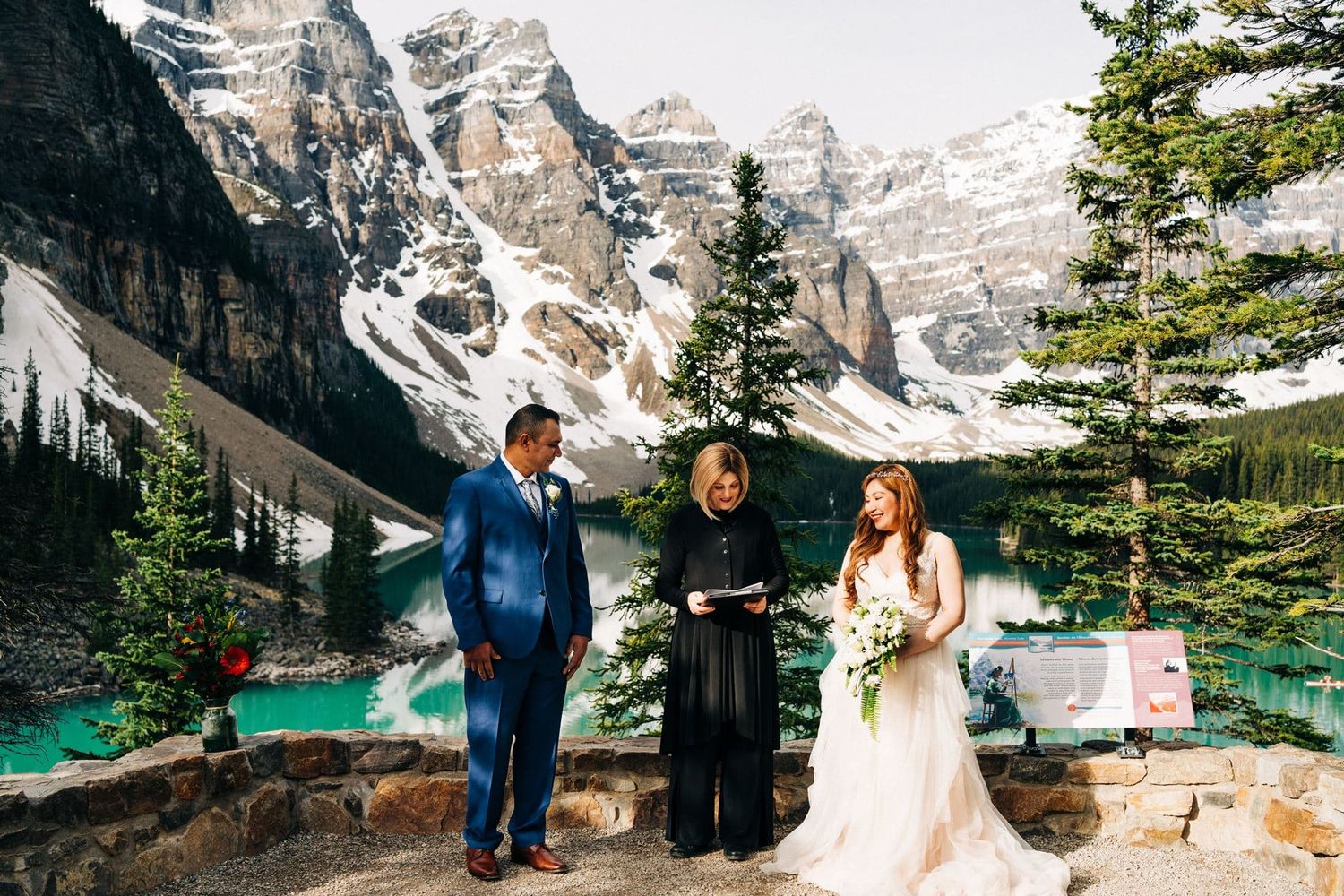

The moment your partner reaches for your hand before the ceremony. Your father pausing halfway through a toast because the words catch in his throat. The full-bodied laugh that breaks out when the dance floor finally lets loose. A wedding photojournalism planning guide begins here: not with a list of poses, but with an honest question. What do you want to remember feeling?
If you are drawn to candid, story-driven photography, your planning choices matter. Documentary images do not happen because a photographer simply arrives with a camera. They happen when your day has enough room for real life to unfold, and when you choose a team you trust enough to forget they are there.
Start With the Experience, Not the Shot List
A photojournalistic wedding is not a wedding without intention. It is a wedding designed around presence rather than performance. Before building your timeline or discussing family formals, talk together about the emotional shape you want the day to have. Maybe you want an unhurried morning with your closest people. Maybe the ceremony in the mountains is the center of everything. Maybe your priority is a reception that feels wild, warm, and completely yours.
These priorities guide coverage better than a long list of images ever could. Your photographer and filmmaker need to know which relationships carry weight, which traditions matter, and where emotion is likely to surface. Tell them that your grandmother is quiet but deeply important to you. Tell them that your friends have known you since childhood, or that your brother will be giving a toast after a difficult year. Context helps a documentary team recognize the moments beneath the obvious ones.
A short list is still useful for nonrepeatable details: immediate family combinations, heirlooms, meaningful cultural traditions, and a few portraits you know you will treasure. The trade-off is time. Every request for a highly specific image asks the day to pause. Choose deliberately, then leave room for what cannot be predicted.
Build a Timeline That Lets Moments Breathe
The greatest enemy of candid wedding coverage is not bad weather or a small venue. It is a timeline with no margin. When every minute is assigned, people move from one task to another without a chance to settle into the day. The laughter, tenderness, and spontaneous connection you hired your team to preserve often happen in the in-between.
Give yourselves more getting-ready time than you think you need. Hair and makeup can run late, buttonholes can disappear, and someone will need a safety pin. More importantly, a calm morning changes how everyone feels in the photographs. You do not need to manufacture an emotional reveal with your parent or wedding party. When there is space, those exchanges often happen naturally.
Plan portraits with realism, too. Candid storytelling does not mean skipping portraits entirely. It means creating them without turning your wedding into an all-day production. A focused window for family photos and relaxed couple portraits can be enough, especially when your team offers coordinated photo and film coverage. In Banff, Canmore, and Calgary, travel time, shifting light, mountain weather, and venue distances deserve a generous buffer.
Consider whether a first look supports the experience you want. Some couples love the private calm it creates and the extra flexibility it gives the timeline. Others want the ceremony entrance to be their first sight of one another. Neither choice is more meaningful. The right choice is the one that feels true to you, not the one that produces a particular kind of image.
Protect the transitions
Transitions are where wedding days become human. The car ride to the ceremony. A private breath before entering the reception. Five quiet minutes after your vows. Ask your planner to protect a few of these pockets rather than filling every one with another formal obligation.
Your creative team can work beautifully in those spaces without directing them. Often, the smallest pause becomes the photograph you return to years later.
Choose People You Can Be Unselfconscious Around
Wedding photojournalism asks for trust. Your photographers and filmmakers will be close during emotional moments, yet their presence should not make you feel observed. The goal is not to disappear in a literal sense. It is to feel so comfortable that you stop monitoring your face, your hands, and whether you are doing anything camera-worthy.
When meeting a potential team, look beyond a highlight reel or a handful of perfect portraits. Ask to see full wedding stories. Notice whether they can photograph a room as it really is: imperfect weather, changing light, children in motion, tears, messy hugs, and all. Look for images with emotional continuity, not just isolated beautiful frames.
It also helps to ask how they direct couples. A documentary approach still includes gentle guidance when it serves you - placing you in flattering light, keeping family photos organized, or offering a simple prompt when nerves take over. What it should not require is acting out a version of yourselves all day.
For couples who want both photography and film, a unified team can protect that ease. When photo and video artists already understand each other’s rhythm, they can anticipate moments from complementary angles without competing for your attention. At Conquer Your Journey, that quiet coordination is central to how we work: two perspectives, one shared commitment to the feeling of the day.
Let Your Guests Be Present, Too
Unplugged ceremonies are not about policing your guests. They are about protecting the view, the atmosphere, and the emotional intimacy of the moment. A sea of phones can change how a room feels, and it can make your processional look more like a crowd documenting an event than loved ones witnessing a promise.
A simple note in your ceremony program or a warm announcement from the officiant is usually enough. Invite guests to put their phones away, reassure them that you have chosen professionals to document the ceremony, and let them be fully there with you.
The same principle applies at the reception, with more flexibility. Guests should dance, toast, and celebrate however they naturally do. The best documentary photographs come from people who are not trying to create content. They come from people who are living inside the celebration.
Share the Details That Carry Meaning
Your wedding will have visual details worth photographing, but their meaning is what makes them part of the story. A handwritten note, a piece of jewelry passed down through generations, your handwritten vows, or a place setting that honors someone absent can be documented with more care when your team understands why it matters.
You do not need to explain every flower choice or design decision. But a brief pre-wedding conversation or questionnaire can reveal the heart beneath the details. If your ceremony is at the place where you got engaged, say so. If your dress was altered by a family member, share that. A photojournalist pays attention to the symbolism, but they need to know where to look.
This is also the moment to communicate boundaries. Let your team know about sensitive family dynamics, guests who should not be photographed, or moments you would prefer to keep private. Clear communication creates more freedom, not less. It allows everyone to move through the day with care.
Make Room for the Reception Story
Couples often plan carefully for the ceremony and portraits, then underestimate how much memory lives at the reception. The clinking glasses, the squeeze of a hand during a toast, your parents watching from the edge of the dance floor, the way your friends sing every word of a favorite song - this is where the energy of the day changes shape.
If a Same-Day Edit wedding film is part of your vision, build it into the flow of the reception rather than treating it as a technical add-on. The reveal works best when guests are gathered, the energy is high, and there is enough time for the creative team to shape footage from earlier in the day into a cinematic story. It becomes more than a screening. It gives everyone in the room a chance to feel the day together while it is still happening.
You do not need a perfectly choreographed reception for meaningful coverage. In fact, the opposite is often true. Keep the traditions that matter to you, release the ones that do not, and give your guests permission to celebrate without a script.
A Wedding Photojournalism Planning Guide for What You Cannot Plan
There will be rain, a missing boutonniere, a late shuttle, or a moment when the schedule slips. There may also be a gust of wind during your vows, an unexpected toast that leaves the room silent, or a stranger’s kindness that changes the tone of the day. These are not interruptions to the story. They are the story.
Plan with care, then loosen your grip when the day arrives. The most enduring images rarely prove that everything went perfectly. They remind you that you were surrounded by love, fully present in your own life, while something beautifully real unfolded around you.