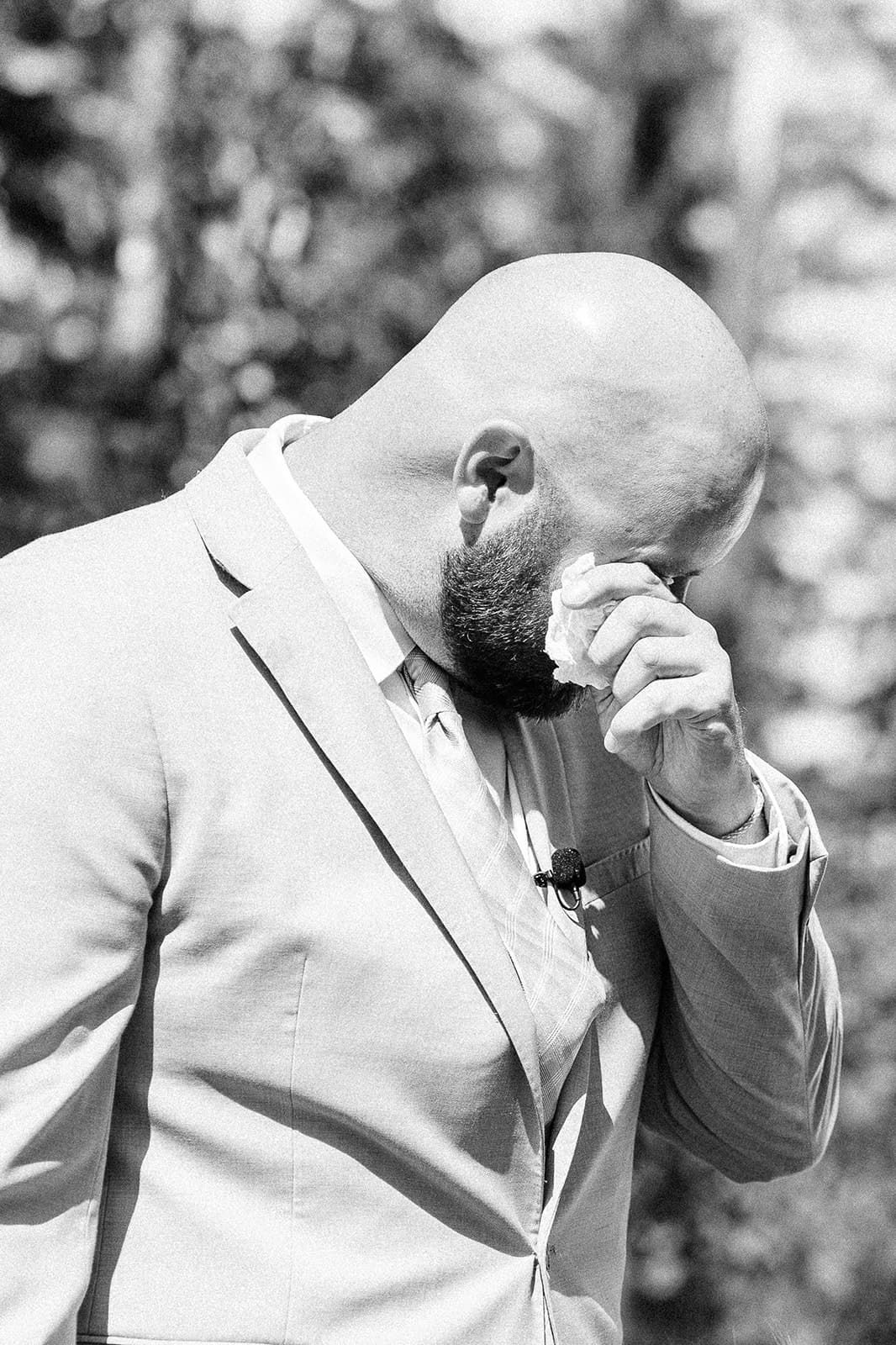
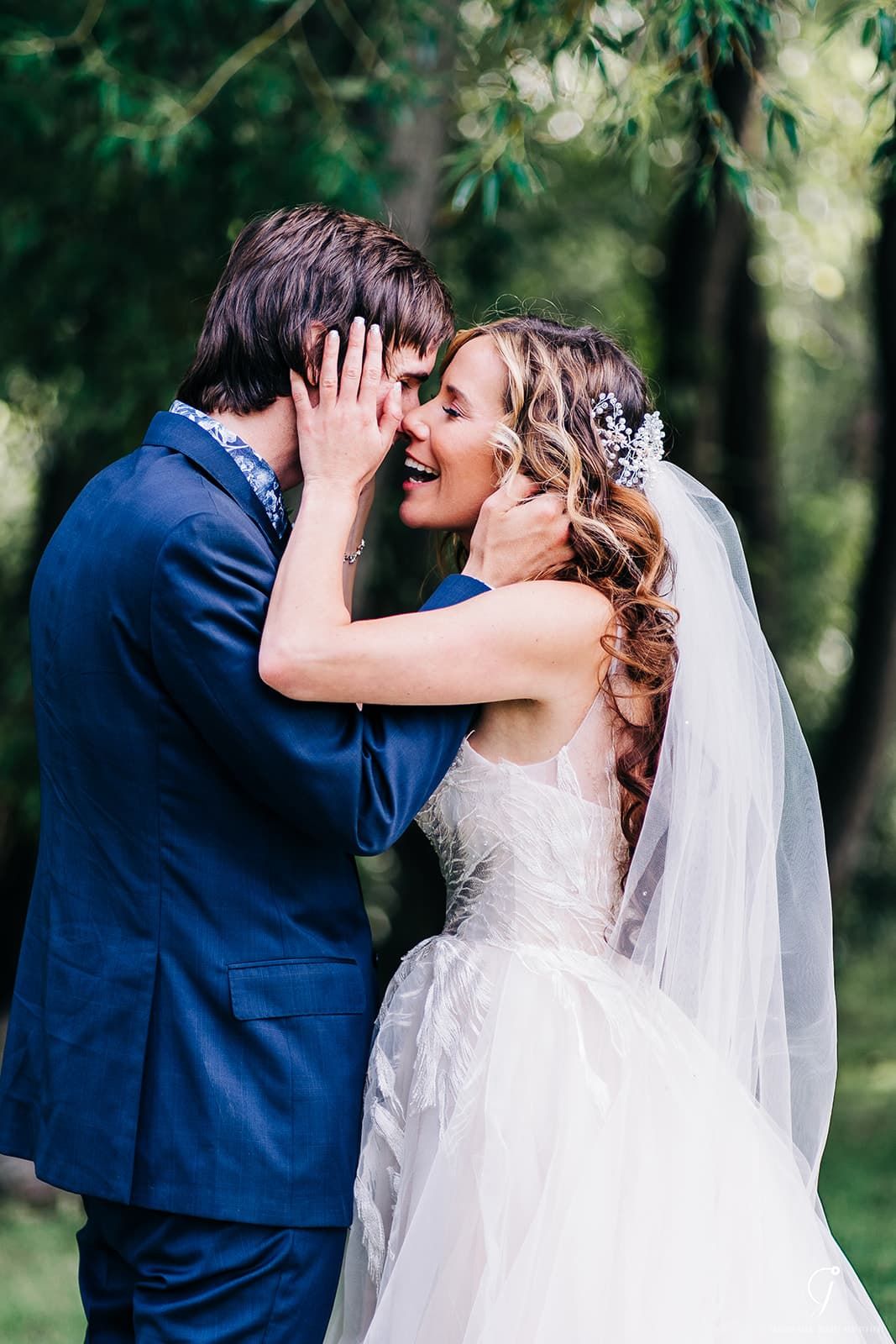
A wedding gallery is rarely about the perfectly centered bouquet shot or the flawless pose alone. The images that stay with you are usually quieter than that - your partner's face right before the ceremony, your mom smoothing your outfit with shaky hands, your friends laughing during a speech that went off script. If you're asking what is wedding photography, the honest answer is that it is the art of preserving a wedding day as it felt, not just as it looked.
For some couples, that means elegant portraits with a cinematic finish. For others, it means a documentary approach that follows the day as it unfolds. Most of the time, it is a blend of both. Wedding photography lives in the space between beauty and truth, where visual artistry meets real human connection.
What Is Wedding Photography?
At its core, wedding photography is professional visual storytelling centered on one of the most meaningful days in a couple's life. It documents the people, details, emotions, and atmosphere of the celebration, while turning fleeting moments into images you can return to for decades.
That sounds simple until you live through a wedding day. A lot happens quickly. Light changes. Timelines shift. Nerves settle, then rise again. Family dynamics show up. Weather has its own plans. Good wedding photography is not just about owning a camera or knowing how to pose people. It is about anticipating emotion, reading a room, adapting in real time, and noticing what matters before it disappears.
This is why wedding photography is not the same as event photography in a general sense. A corporate event may need documentation. A wedding needs interpretation. The photographer is not only recording who was there. They are preserving the emotional shape of the day.
What Wedding Photography Usually Includes
Most couples first think of the obvious moments: getting ready, the ceremony, family portraits, couple portraits, first dances, speeches, and the reception. Those are part of it, and they matter. But the full story is usually carried by the in-between moments.
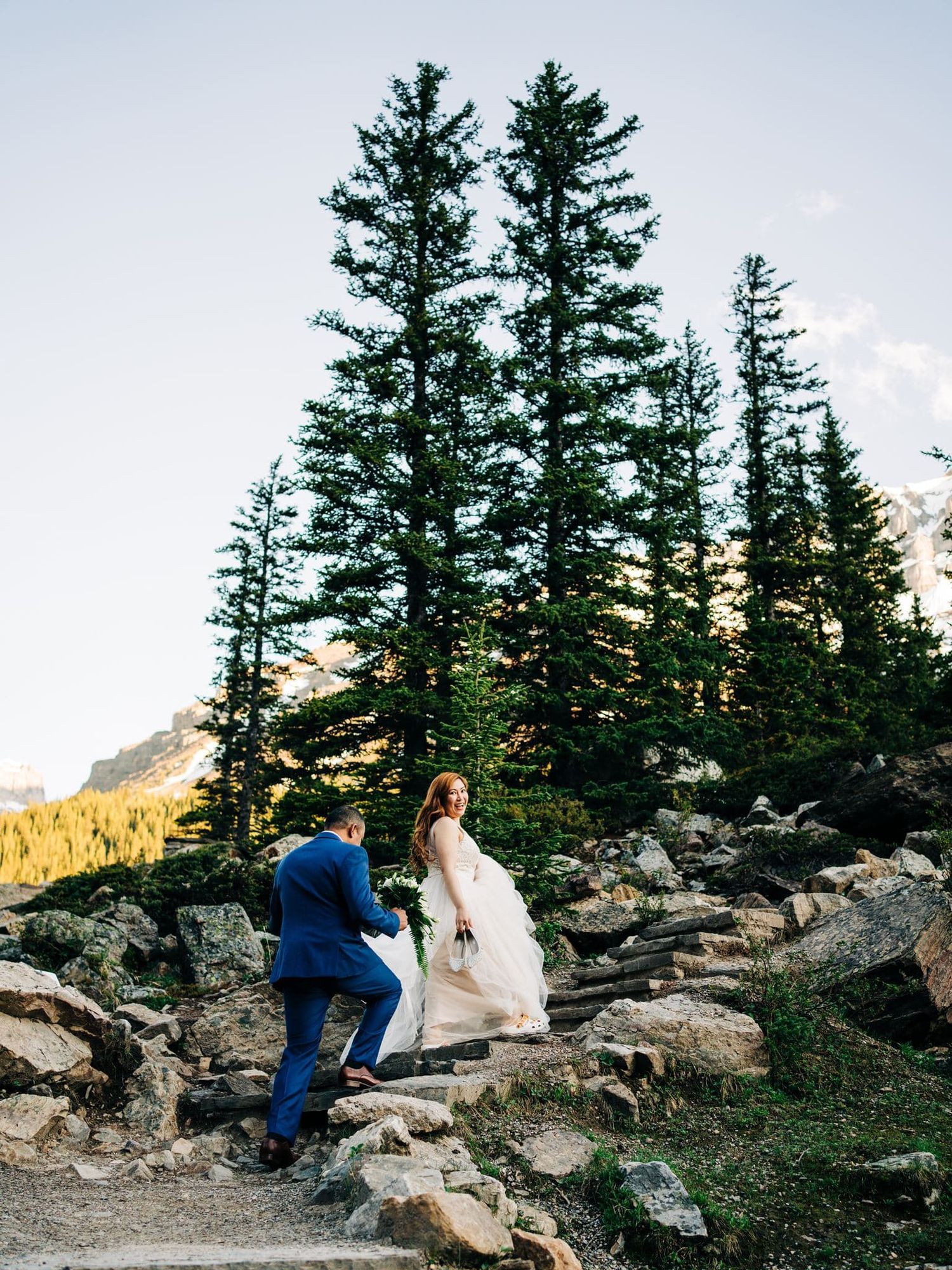
A strong wedding gallery often includes the small visual threads that give the day its identity - the note tucked into a jacket pocket, the wind moving through a veil, grandparents holding hands during dinner, the chaos of the dance floor after formalities are over. These images may not have been on your shot list, yet they often become the photographs that feel most like home.
That is where style matters. Some photographers lean heavily into editorial direction, creating polished, fashion-inspired images with more hands-on posing. Others work in a documentary style, giving moments room to happen naturally. Neither approach is automatically better. It depends on what you value, how you want to feel on your wedding day, and what kind of memories you want your images to hold.
Why Wedding Photography Matters More Than People Expect
Weddings move fast. Even couples who plan every detail carefully often say the day feels like a blur once it begins. Photography slows that blur down.
Years from now, your flowers will be gone, your dinner menu will be hard to remember, and some details you obsessed over during planning will fade. The photographs are what remain. They become part of your family history. They show future children, siblings, and loved ones not only how the day looked, but who everyone was in that season of life.
That is why wedding photography is often best understood as a legacy investment rather than a simple service. You're not paying only for coverage hours. You're investing in a perspective, an artistic eye, and the ability to preserve something emotionally honest. The real value shows up later, when a photograph brings back a voice, a touch, or a person who is no longer here.
What Makes Great Wedding Photography
Technical skill matters, of course. A wedding photographer needs to understand lighting, composition, movement, timing, and editing. But great wedding photography goes further than technical control.
It requires intuition. The ability to sense when to step in and guide, and when to step back and let a moment breathe. Too much direction can make a wedding feel like a production. Too little direction can leave couples feeling unsupported. The balance is where the best work happens.
Great wedding photography also depends on trust. When couples feel comfortable, they stop performing. Their body language softens. Their expressions become natural. The images stop looking like something they were told to do and start looking like something they truly lived.
This is one reason many couples are drawn to teams that approach the day with warmth and emotional awareness, not just efficiency. Being photographed for hours can feel vulnerable. The experience matters almost as much as the final gallery.
What Is Wedding Photography Style, and Why Does It Matter?
When couples ask what is wedding photography style, they are usually trying to understand why one portfolio feels deeply moving and another feels merely pretty. Style is more than editing. It includes how a photographer sees people, how they use light, how they frame emotion, and how much they direct the day.
A light and airy style may feel soft and romantic. A darker, moodier style may feel cinematic and dramatic. Documentary coverage often feels honest and immersive. Editorial work may feel refined and artful. Many photographers blend these approaches, especially during different parts of the day.
There is no single right answer here. If you love unscripted emotion, a highly pose-heavy approach may not feel like you. If you want structured portraits and a polished visual aesthetic, a purely fly-on-the-wall photographer may not meet your expectations. The best fit is the one that reflects your relationship, not what happens to be trending.
The Difference Between Candid and Posed Coverage
Couples often say they want candid wedding photography, and usually what they mean is this: they want to look like themselves. They do not want their day interrupted every ten minutes for a staged moment that never would have happened on its own.
Candid coverage focuses on real interactions and natural emotion. Posed coverage creates intentional portraits with guidance around posture, placement, and light. Both have value. Family formals need direction. Couple portraits often benefit from a little prompting. But the strongest wedding collections usually avoid making the entire day feel staged.
A thoughtful photographer knows when a gentle prompt can create connection without forcing it. Instead of asking for stiff smiles, they might create space for movement, conversation, or stillness. The result feels polished, but still true.
What to Expect From the Experience
Wedding photography begins long before the camera comes out. It often includes planning conversations, timeline guidance, location ideas, and clarity around what matters most to you. This preparation shapes the final images more than many couples realize.
On the wedding day itself, your photographer is part artist, part observer, part calming presence. They may help organize family portraits, adjust a veil, find quiet light for a private moment, or pivot instantly when weather changes. Their role is both creative and practical.
Afterward, the work continues through image selection, editing, and gallery delivery. This is where the story gets refined. A carefully edited gallery should feel cohesive, emotional, and personal, not like a random stack of decent images.
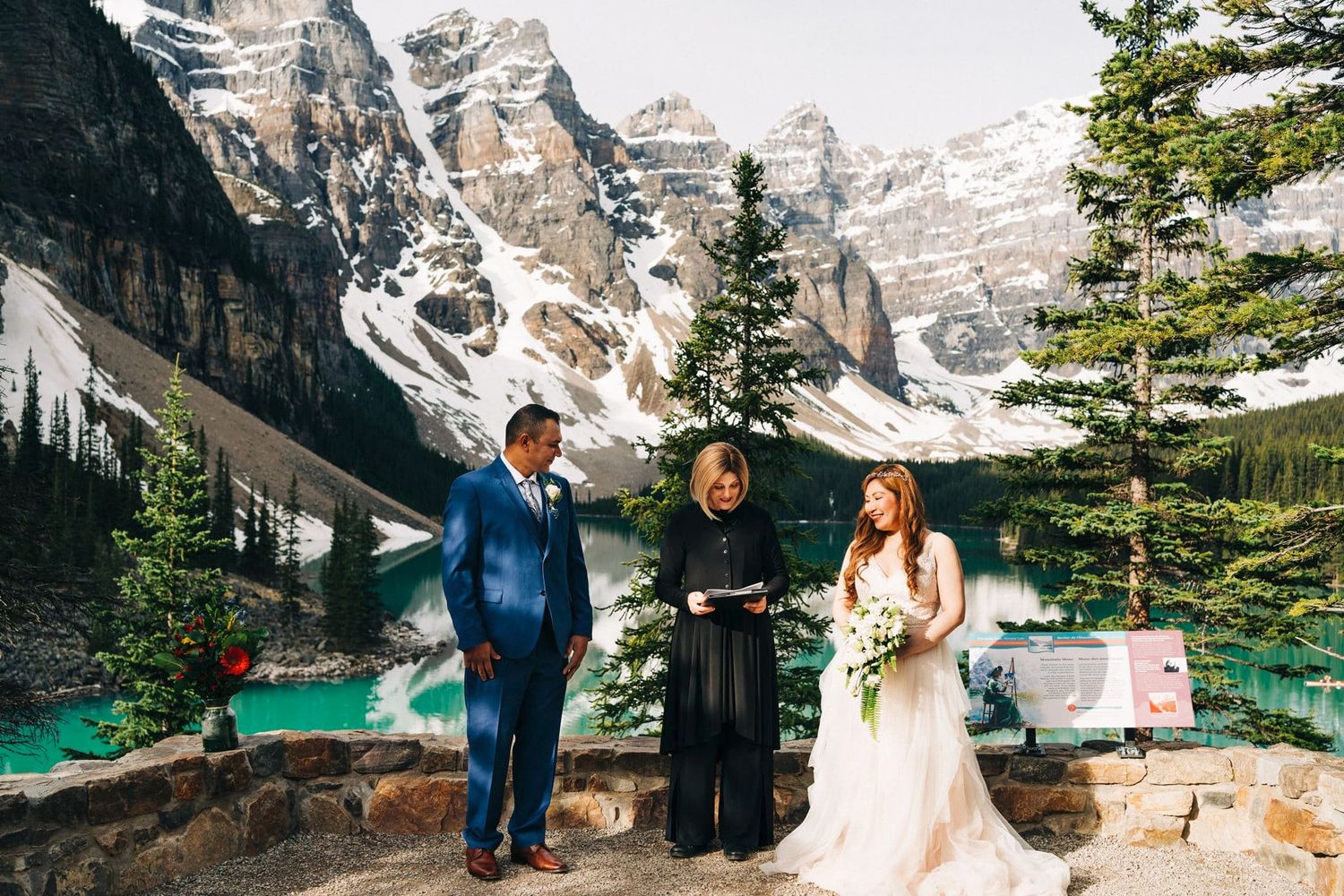
For couples planning a mountain celebration in places like Banff or Canmore, that experience can also include navigating travel, terrain, changing weather, and dramatic natural light. In those settings especially, wedding photography becomes part planning partner and part storyteller.
How to Know What You Need
The better question may not be what is wedding photography, but what do you want it to do for you.
If you want proof that the day happened, almost any coverage can give you that. If you want to remember how it felt to stand across from your partner, hear your people cheering, and move through the day without being pulled out of it, then your choice becomes more personal.
Look for work that makes you feel something. Pay attention to whether the people in a portfolio seem relaxed or overly aware of the camera. Notice whether the gallery includes only beautiful portraits, or whether it also holds emotion, atmosphere, and connection. Those details will tell you a lot about the experience you can expect.
A team like Conquer Your Journey builds around that idea - not just creating beautiful images, but documenting the emotional truth of a wedding day in a way that still feels artful. That combination is what many couples are really searching for, even if they do not have the words for it yet.
Wedding photography is never only about photographs. It is about memory, presence, and the way love looks when no one is trying too hard. Choose the kind that lets you be fully in your day, because the images you treasure most are usually the ones that feel like you were truly there.