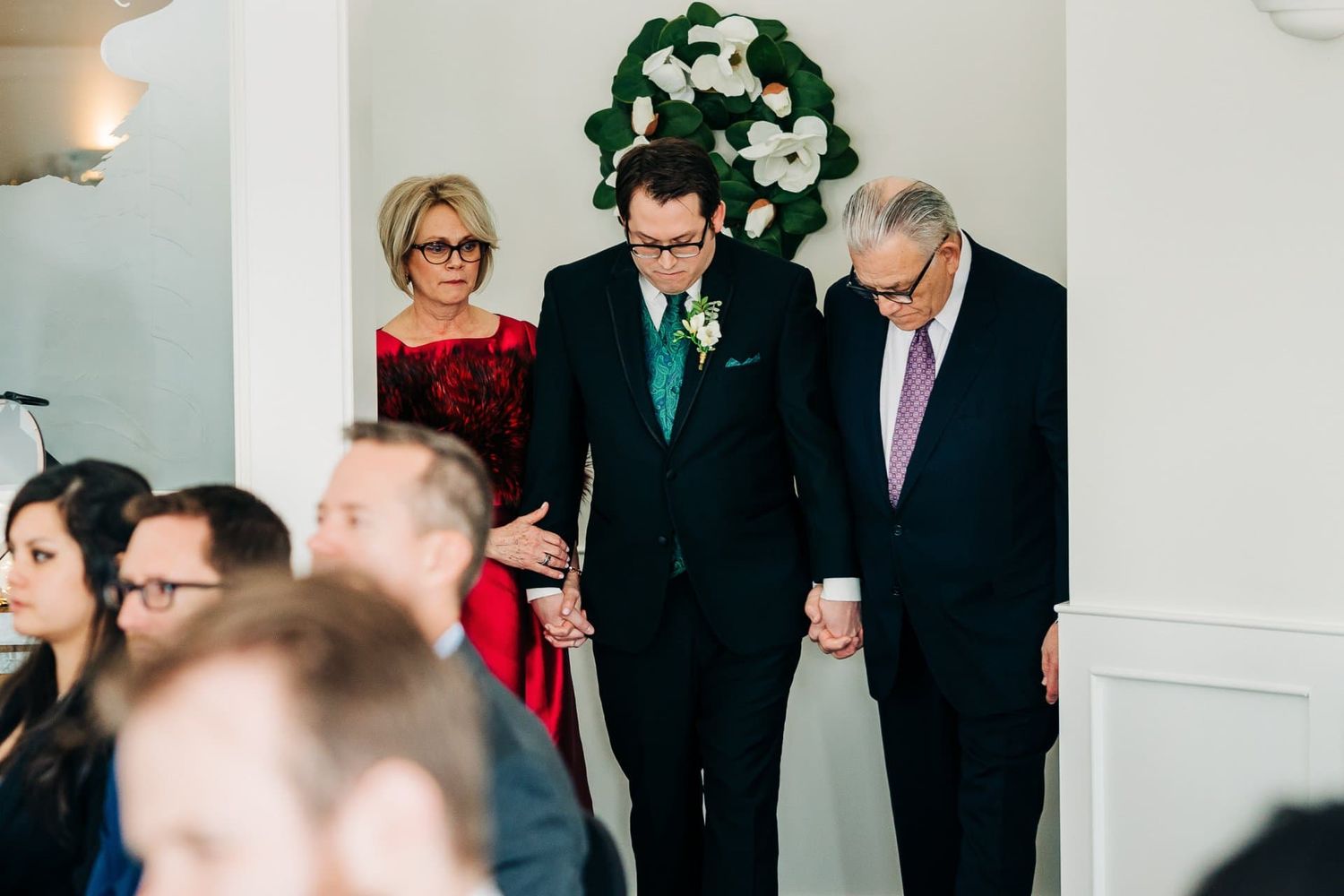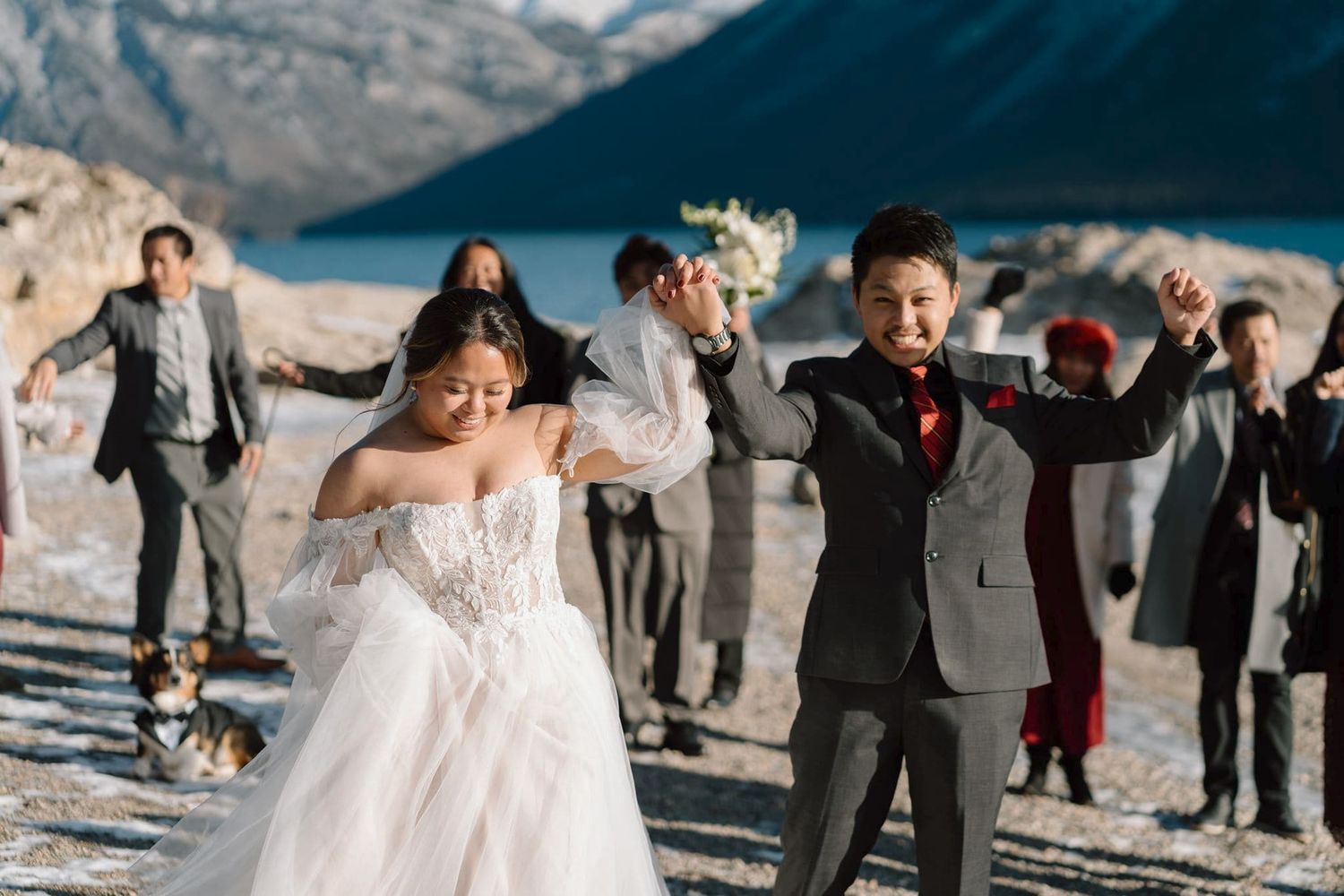
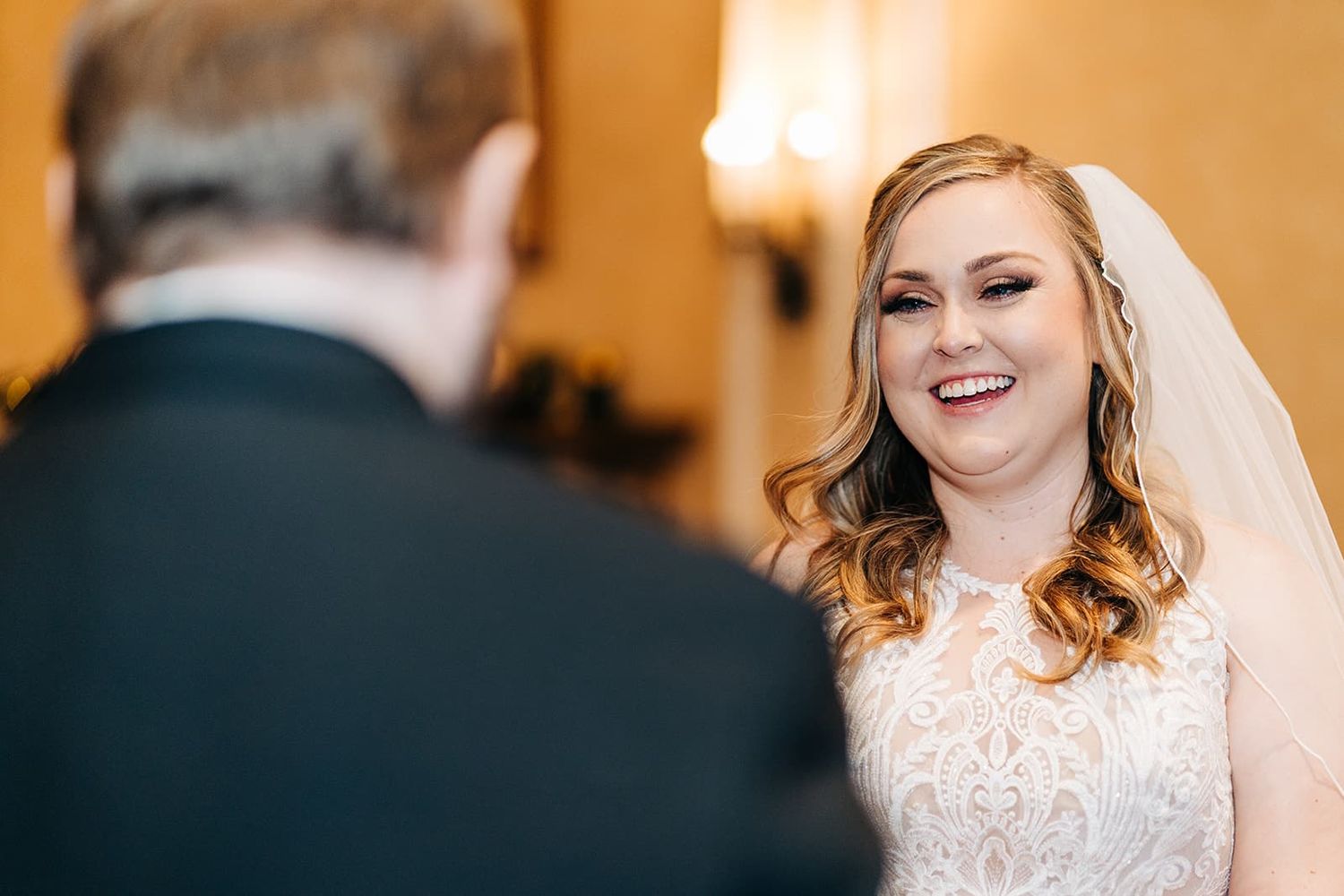
A wedding passes in a blur of beautiful details: a parent taking a breath before the ceremony, hands finding each other beneath the table, the sudden laughter that interrupts a toast. Wedding cinematography is not simply about recording what happened. At its best, it protects the feeling of being there - the pace, the voices, the nerves, the joy, and the small moments you never knew were unfolding around you.
Years from now, you may not remember every floral detail or the exact order of the evening. But you will recognize the sound of your partner’s voice during vows. You will see the way your closest people looked at you. You will return to the atmosphere of a day that moved far too quickly to hold in real time.
Wedding Cinematography Is an Emotional Time Capsule
A wedding film can be visually beautiful without feeling personal. Sweeping mountain views, carefully composed portraits, and an energetic soundtrack all have their place, especially in extraordinary settings like Banff and Canmore. But scenery alone cannot tell the story of a marriage beginning.
The heart of a meaningful film is emotional truth. It is the groom rubbing his hands before the first look. It is a bride’s laugh when something goes slightly off schedule. It is the pause before a parent begins a speech and the tears that arrive before the words do. Those moments cannot be manufactured, and they should not be interrupted for the sake of a shot.
That is why the best wedding cinematography feels less like a production and more like a memory. It has shape and intention, but it still leaves room for the real rhythm of the day. A film should remind you not only how everything looked, but who you were with each other in that exact season of life.
The Difference Between a Video and a Wedding Film
Every wedding video contains footage. A wedding film gives that footage meaning.
The difference often begins before the cameras are even turned on. A filmmaker who understands your priorities can listen for the words that matter, anticipate relationships worth noticing, and recognize when to step back. They are not searching for a checklist of standard shots. They are paying attention to the story already taking place.
During editing, those pieces become something more intentional. The vows may guide the emotional arc. A voice from a letter, speech, or private prayer may carry viewers from the quiet morning into the celebration. Music can heighten a moment, but it should never overpower the people at the center of it. The film needs space for natural sound too: the applause after the ceremony, a burst of laughter, a shaky voice, the room singing along late at night.
A polished wedding film is not necessarily a perfect one. Perfection can feel distant. What matters is whether the film feels like you.
Presence Creates Better Footage
Many couples worry that choosing photo and video means spending their wedding day surrounded by cameras. It is a fair concern. When coverage becomes too directive, the day can start to feel like a long photoshoot instead of a celebration.
Thoughtful filmmakers work differently. They offer enough guidance to make portraits feel easy, then give you room to breathe. They move quietly through the room, watch for moments before they peak, and avoid pulling you away from the people you invited to celebrate with you.
This approach is especially valuable during emotionally charged parts of the day. There is no need to ask someone to repeat a tearful reaction. There is no reason to stage a laugh that already happened naturally. The moments that stay with you tend to be imperfect in the best way: wind catching a veil, a child racing down the aisle too soon, a friend crying harder than expected during a toast.
When you feel safe with the people documenting your wedding, you stop performing. That comfort becomes visible in the film. Your shoulders drop. Your laughter sounds like your laughter. You are present enough to actually remember your own day.
Why Sound Matters More Than Most Couples Expect
Couples often begin by thinking about the visual style of their film. They may be drawn to cinematic color, romantic pacing, or expansive landscape shots. Those choices matter, but audio is often what turns a beautiful sequence into an emotional keepsake.
Your vows are irreplaceable. So are the words spoken by the people who know your history and hope for your future. A good wedding film does not treat those voices as background material. It preserves them clearly and uses them with restraint.
This is one reason a film can grow more valuable over time. Hearing a loved one’s voice years later carries a weight that still images cannot replicate. The spoken promise, the nervous exhale before it, the laughter after a forgotten line - these are living parts of the memory.
There is a trade-off here. A highly stylized music-video approach may prioritize fast edits and dramatic visuals, while a story-driven film makes more room for voice and emotional pacing. Neither is automatically wrong. The better choice depends on what you want to feel when you press play on an anniversary, after a difficult season, or decades into your marriage.
A Same-Day Edit Changes the Energy of the Reception
Most wedding films are experienced privately after the celebration is over. A Same-Day Edit creates a different kind of magic. It lets your guests witness the opening chapter of your story while they are still gathered in the same room.
Imagine seeing the morning preparations, ceremony highlights, quiet glances, and vows shaped into a cinematic short film before the reception ends. The reaction is never just about the screen. It is about the collective release in the room: the cheers, the tears, the sudden realization that everyone was part of something larger than a schedule of events.
For couples, it is a rare chance to pause during a fast-moving day and absorb what has already happened. For planners, it can become a defining reception moment that feels personal rather than programmed. It requires a coordinated team, careful preparation, and focused editing under real time pressure, so it is not the right fit for every timeline. But when it is handled well, it becomes an unforgettable shared memory rather than simply another reception feature.
Choosing the Right Wedding Cinematography Team
Style matters, but connection matters just as much. Before choosing a filmmaker, look beyond the most dramatic clips in a highlight reel. Notice whether the films make people feel recognizable. Listen to how vows and speeches are handled. Ask yourself whether the pacing gives moments room to land.
It also helps to understand how a team works alongside photography. When photo and film coverage are coordinated under one creative vision, there is less competition for your time and attention. A husband-and-wife team can move with an intuitive rhythm, covering different perspectives while protecting the natural flow of the day. The goal is never to surround you. It is to make sure the story is held from more than one angle.
Ask practical questions, too. How is audio recorded? What happens if weather changes? How much direction should you expect during portraits? What kind of film will you receive, and what moments will it include? Clear answers are not unromantic. They create the trust that allows you to relax once the day arrives.
At Conquer Your Journey, we believe a wedding film should hold more than the highlights. It should preserve the emotional shape of your celebration with honesty, artistry, and heart.
Your wedding does not need to be performed beautifully to be remembered beautifully. Choose wedding cinematography that gives you permission to be fully there - because the most lasting footage begins when you forget the camera is watching.