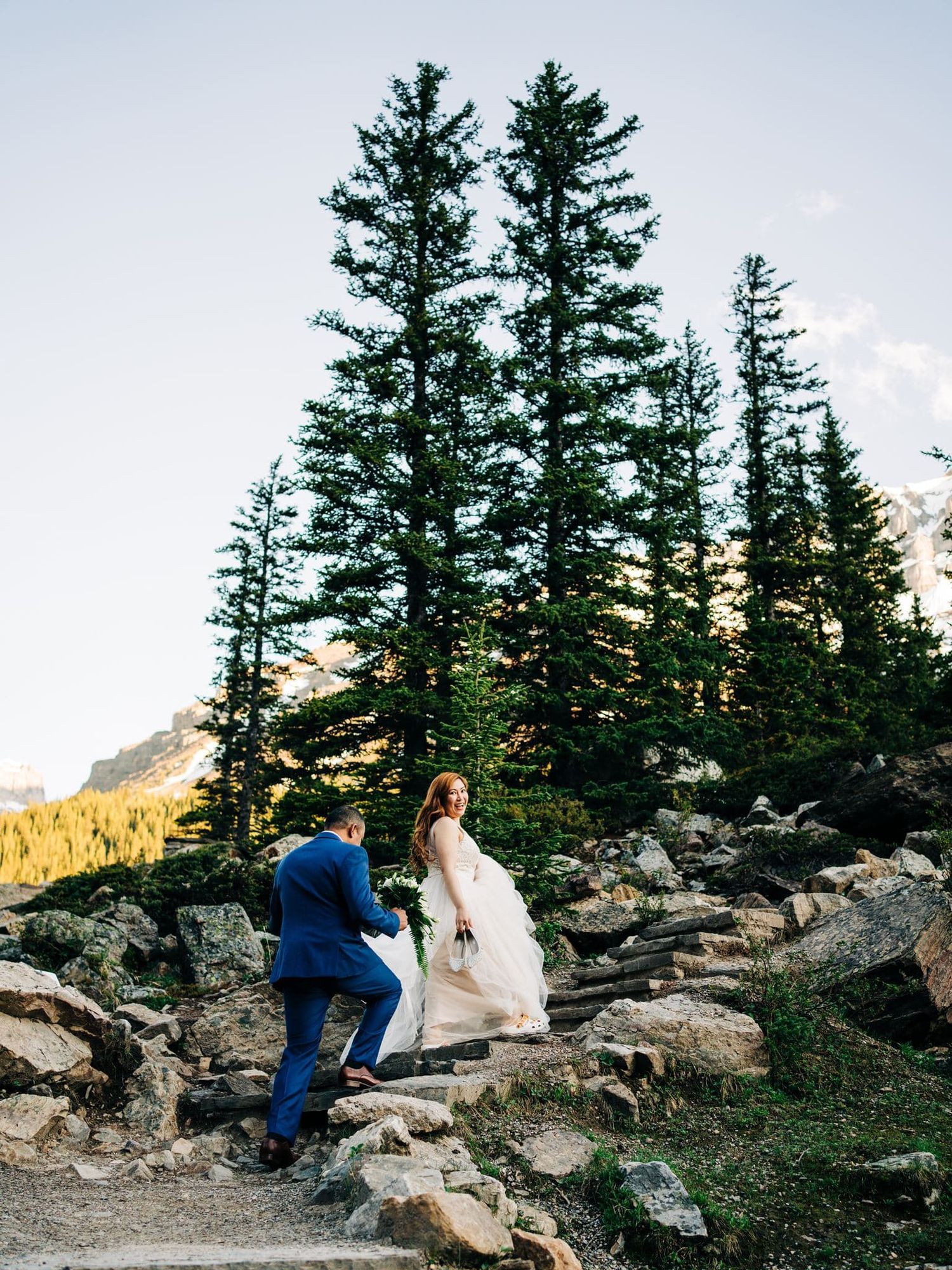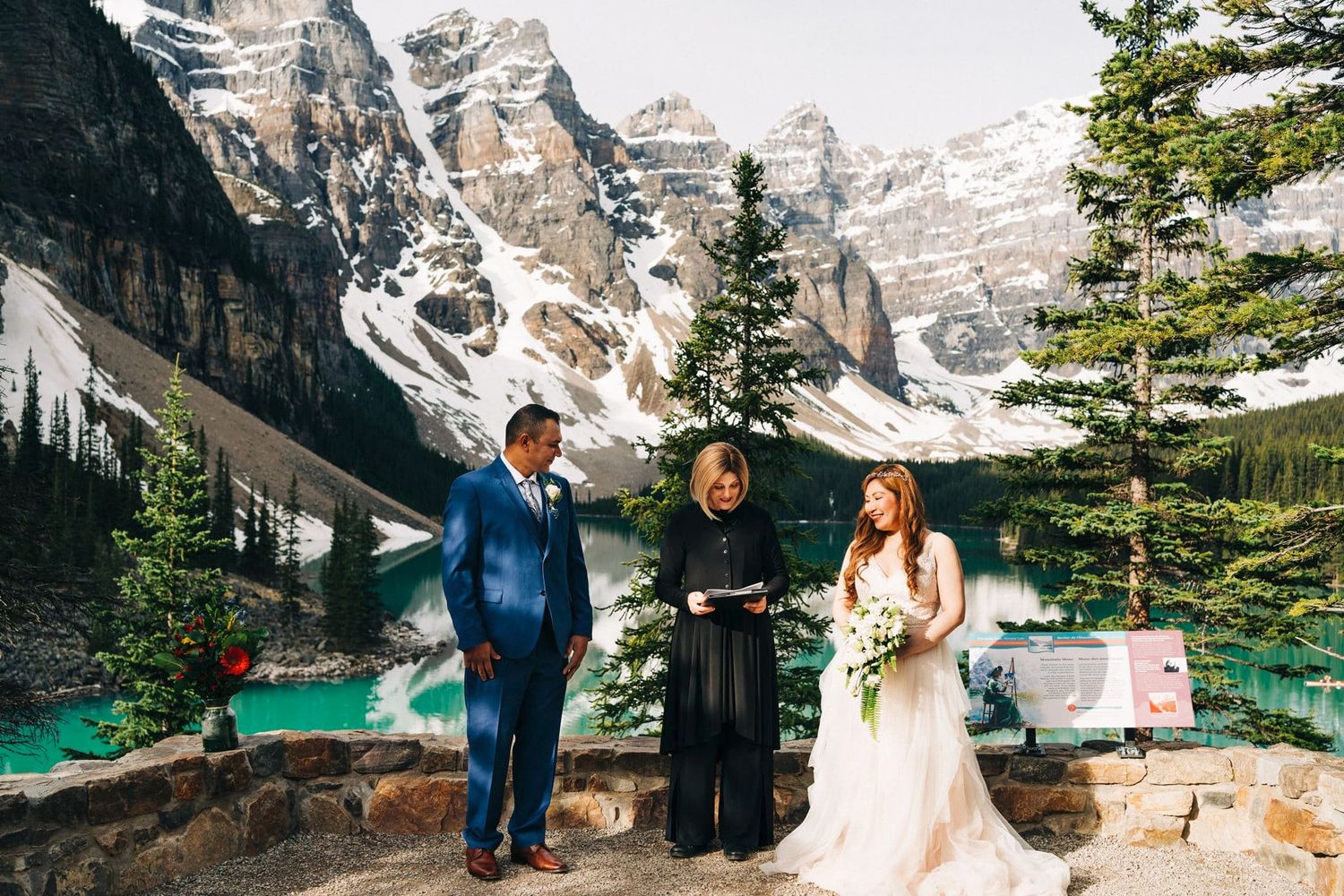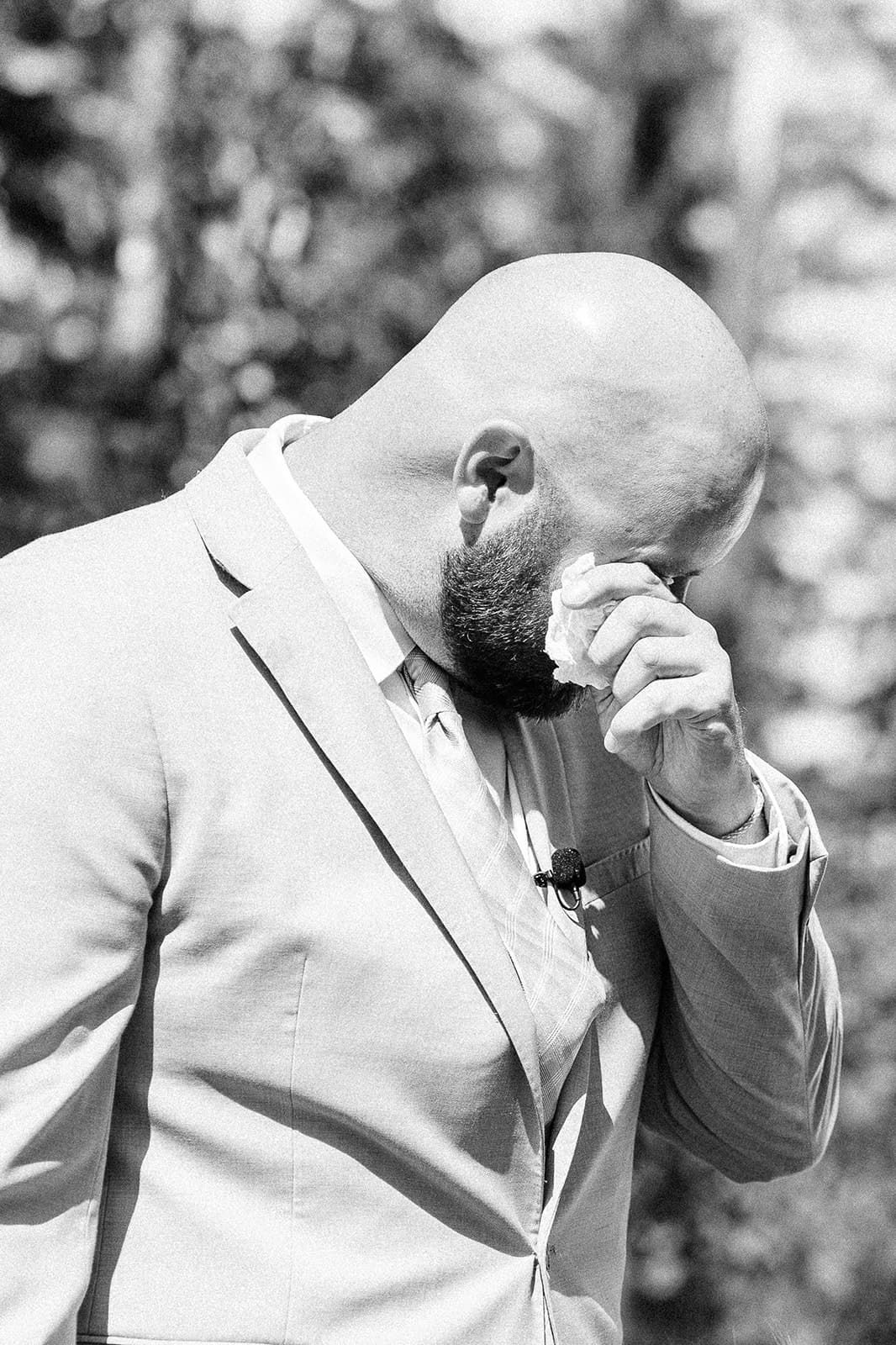
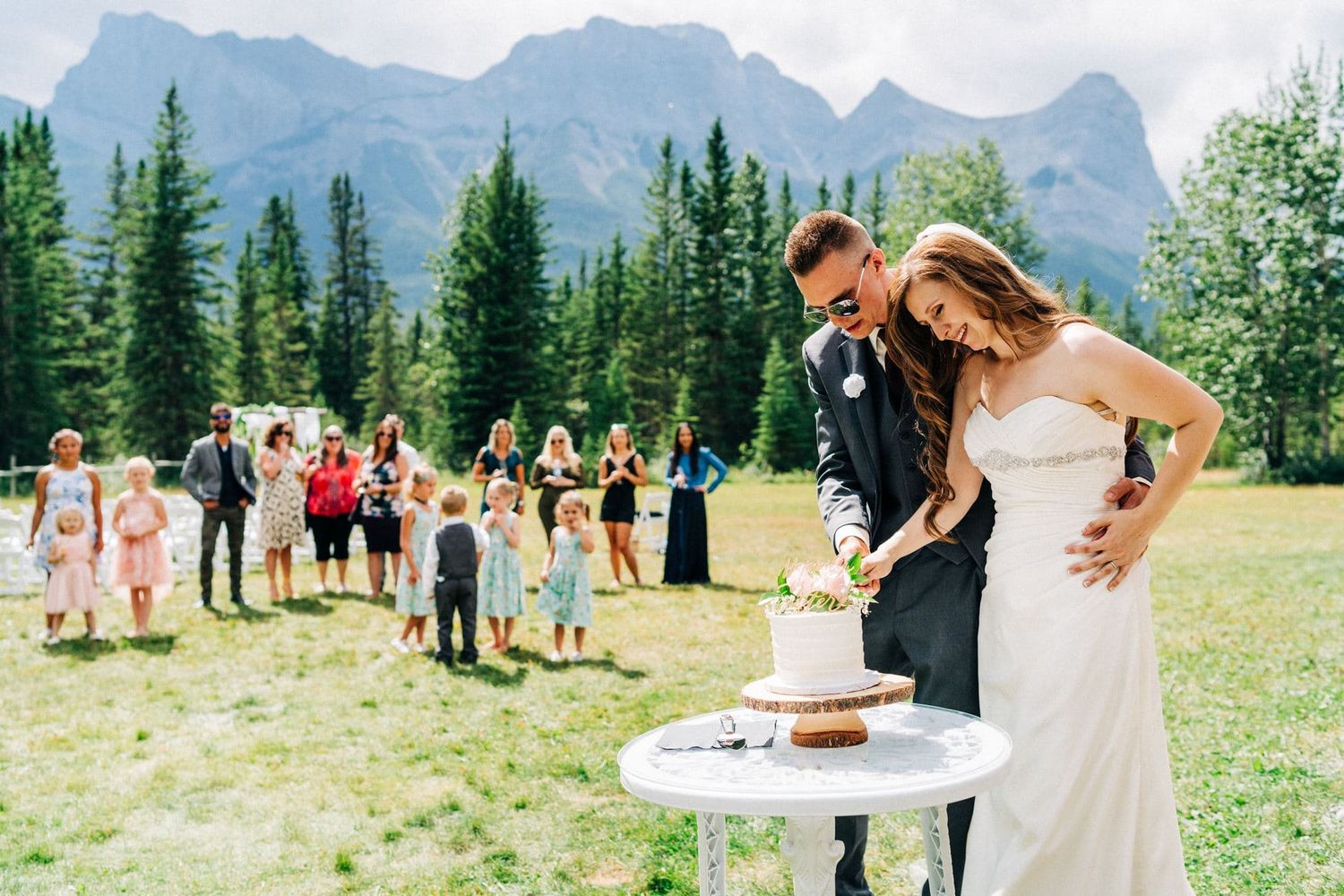
The mountains can make a wedding day feel larger than life, but the photographs that stay with you are often much smaller: a hand finding the other beneath a veil, your parents watching quietly from the edge of the ceremony, the relieved laughter after your vows. This Canmore wedding photo locations guide is not about collecting the most dramatic backdrops possible. It is about choosing places that give you room to be present, move naturally, and feel the mountain setting around you without turning your wedding into a production.
Canmore offers an extraordinary mix of peaks, forest, riverbanks, open meadows, and intimate town textures. The right location depends less on what is most famous and more on the shape of your day, the season, your guests, and how you want the experience to feel.
Start With the Feeling You Want to Remember
Before choosing a photo location, consider the emotional atmosphere you want around your portraits. Some couples imagine an expansive mountain view with wind in their hair and room to wander. Others want a quieter place where they can take a breath together after the ceremony, away from guests and expectations for ten unhurried minutes.
Both are possible in Canmore, but they ask different things of your timeline. A sweeping viewpoint may require travel, parking coordination, and a little walking. A riverside path close to town can offer a more relaxed, connected experience, especially when daylight is limited or family portraits need to happen nearby.
We believe the best photographs happen when a location supports the day rather than competes with it. You should not need to hike in formalwear, rush through cocktail hour, or spend an hour separated from the people you came to celebrate with just to prove you were surrounded by mountains. A beautiful location is valuable. Feeling like yourselves there is more valuable.
Canmore Wedding Photo Locations for Different Kinds of Days
Quarry Lake Park for Open Views and Easy Access
Quarry Lake is a strong choice for couples who want recognizable mountain scale without committing to a long drive or difficult trail. The water, evergreens, and broad views can feel cinematic in every season, from warm summer evenings to snow-covered winter afternoons.
Its accessibility is also its trade-off. This area can be busy, particularly on weekends and during peak travel months. A calm, documentary-style portrait experience may require choosing an off-peak time, moving thoughtfully through the space, and keeping expectations flexible. The goal is not to make the park look empty. It is to find pockets of light, landscape, and connection where the two of you can simply be together.
Riverside Park and the Bow River for a Softer, More Intimate Look
The Bow River corridor and nearby riverside green spaces offer a gentler version of Canmore. Here, the mountains are still present, but they sit naturally behind the movement of water, grasses, bridges, and trees. This is an especially fitting choice for couples who want their images to feel personal rather than grand for grandness' sake.
Riverside locations work beautifully for a first look, a quiet portrait break, or a few sunset moments before the reception. They are also often easier to fold into a wedding day based in town. Rather than losing precious time in transit, you can step away briefly, reconnect, and return to your people while the celebration is still full of energy.
The Engine Bridge Area for Movement and Town Character
The historic pedestrian bridge near downtown Canmore has a sense of place that is hard to recreate elsewhere. With the river below and rugged peaks beyond, it brings together the town's lived-in warmth and the Bow Valley's dramatic landscape.
This area suits couples who want photographs with movement and texture. Walking hand in hand, pausing mid-conversation, or laughing as you make your way back toward the reception often creates more meaningful images than standing perfectly still in front of a view. Because it is a public space, timing matters here too. Early morning or quieter weekday windows can offer more breathing room.
Forest Edges and Meadow Settings for Privacy
Not every meaningful mountain image needs a famous landmark. Forest edges, quiet trails, and meadow-like spaces around Canmore can create a deeply atmospheric setting, especially in late summer and early fall. The trees soften the scene, the mountains appear in glimpses, and the two of you become the center of the frame without needing to perform for a crowd.
These locations are ideal when you want a slower portrait experience or when weather calls for shelter from the wind. They also pair well with editorial details such as textured florals, a long veil, or a tailored wedding look, while still leaving room for the real expressions that make an image feel alive years later.
Your Venue May Be the Best Location of All
Many Canmore wedding venues were chosen for their views, architecture, and proximity to the landscape. If your venue has a beautiful ceremony lawn, a quiet trail, mature trees, or a mountain-facing terrace, there is often no need to leave at all.
Staying on-site protects the rhythm of your day. It gives you more time with guests, reduces transportation variables, and makes it easier to respond when the weather shifts. It can also make your gallery feel more cohesive, because your getting-ready moments, ceremony, portraits, and reception all remain connected to the place where your story unfolded.
For couples planning a Same-Day Edit film, an efficient location plan matters even more. When photo and film coverage move together with purpose, there is more opportunity to preserve the meaningful in-between moments and shape a film that can be shared while the room is still celebrating.
Build the Timeline Around Light, Not Just the Clock
Canmore's light changes quickly because of the surrounding peaks. A ceremony site that looks bright at midday may fall into shadow earlier than expected, while a west-facing viewpoint can glow beautifully later in the evening. Sunset is often gorgeous, but it is not always practical to reserve all portraits for the final minutes of daylight.
A better approach is to create two smaller windows. Take family photos and a short round of couple portraits after the ceremony, then step out for ten to fifteen minutes near sunset if the schedule allows. This gives you a complete set of images without turning cocktail hour into a missing-person situation.
Winter weddings need even more care. The light is often soft and beautiful, but the day is shorter and temperatures can change how long you genuinely want to be outside. A brief, intentional portrait session can be far more enjoyable than an ambitious plan that leaves everyone cold and rushing.
Plan for Canmore's Weather With Grace
Mountain weather has its own plans. Wind can arrive suddenly, rain can pass through quickly, and a clear forecast can change before guests finish dinner. The answer is not to worry over every weather app update. It is to choose locations with a thoughtful backup nearby.
A covered venue space, forested path, sheltered building entrance, or window-lit indoor area can become part of the visual story rather than a compromise. Some of the most honest wedding images come from a shared umbrella, a veil held against the wind, or the relief of stepping inside together after a sudden storm.
The same principle applies to footwear and access. If a location involves uneven terrain, snow, mud, or a longer walk, decide ahead of time whether it matches your comfort level. There is no prize for choosing the hardest-to-reach view. Your photographs should reflect the joy of being married, not the strain of getting there.
Respect the Place That Holds Your Memories
Canmore's landscapes are not backdrops built for weddings. They are shared public spaces, wildlife habitat, and places people come to restore themselves. Some locations require permission, have seasonal restrictions, limit commercial activity, or may close because of trail conditions and wildlife activity.
Confirm current access rules, parking requirements, and any permits well before your wedding day. A responsible plan also means staying on designated paths, keeping your group small, and leaving the landscape exactly as you found it. This care protects both the place and the ease of your experience. Nothing interrupts a meaningful moment faster than discovering a location is unavailable after everyone has arrived.
Let the Location Be Part of the Story, Not the Whole Story
The mountains will be there in your photographs, powerful and unmistakable. But years from now, the frame may bring you back to something else entirely: the way your partner looked at you when no one asked them to, the sound of your friends cheering from far behind the camera, or the nervous smile that disappeared the moment you held hands.
Choose a Canmore location that makes space for those moments. Leave a little margin in the timeline. Trust the weather to add texture rather than perfection. Then let yourselves experience the day fully, because the most lasting images are never only about where you stood. They are about how it felt to stand there together.