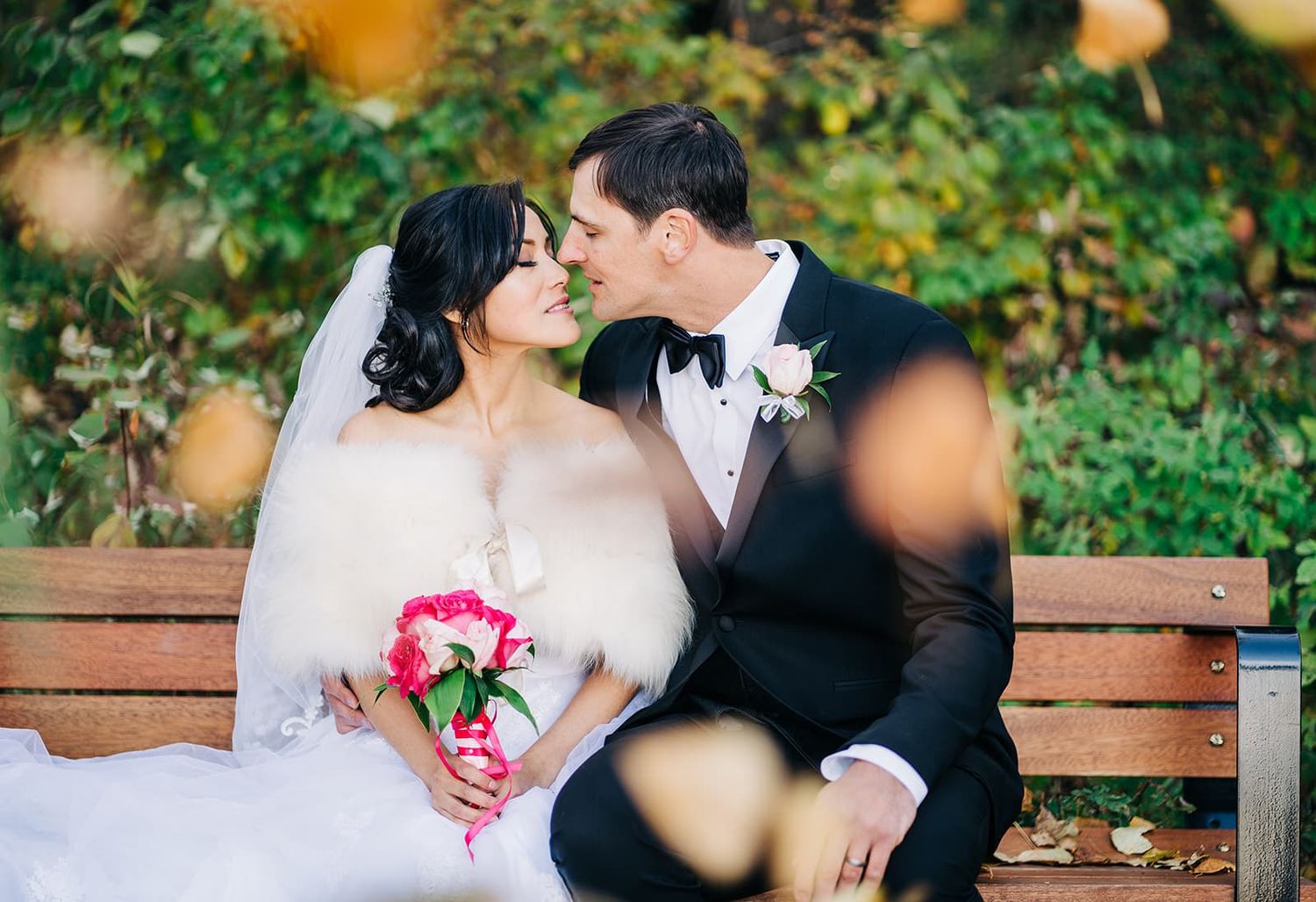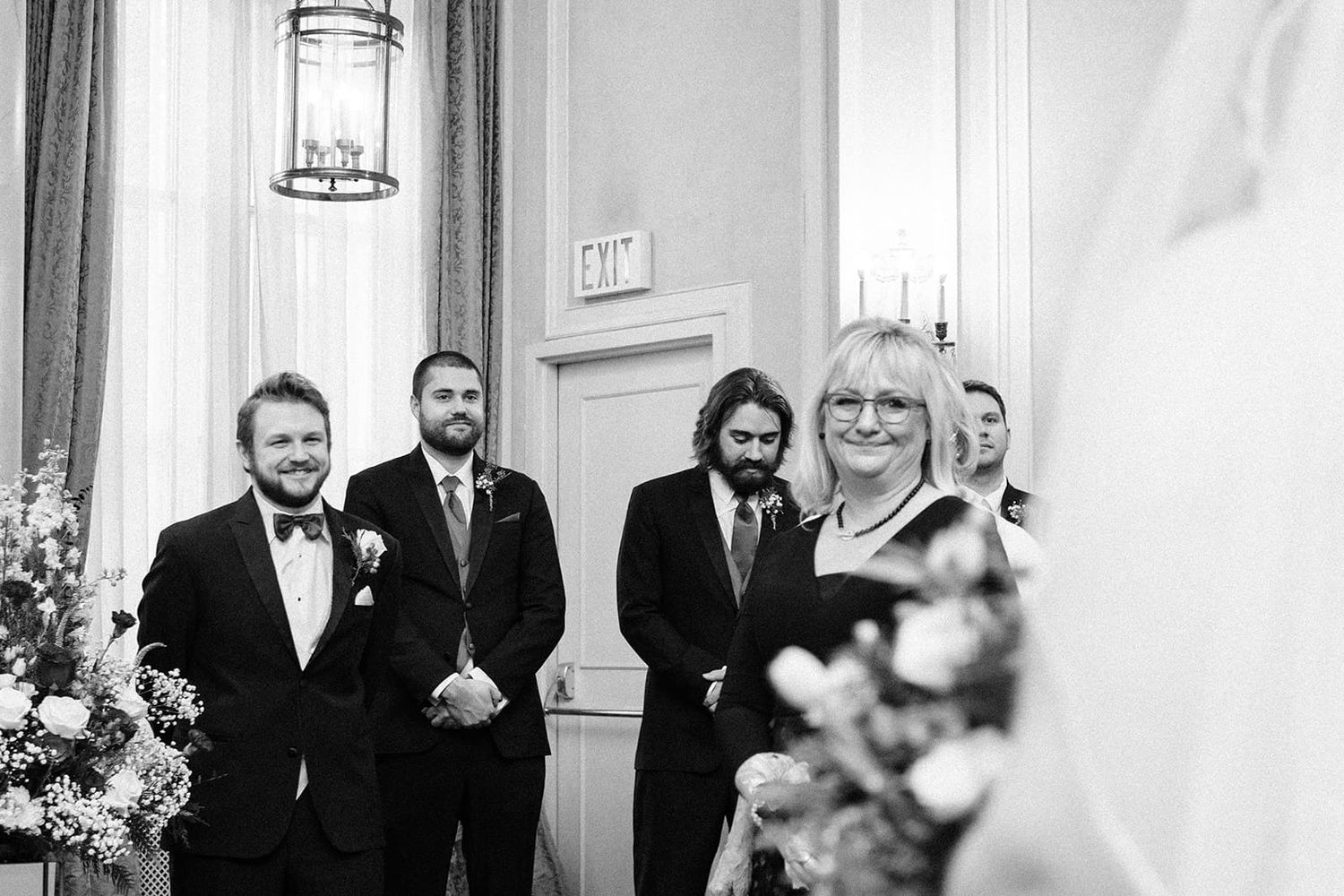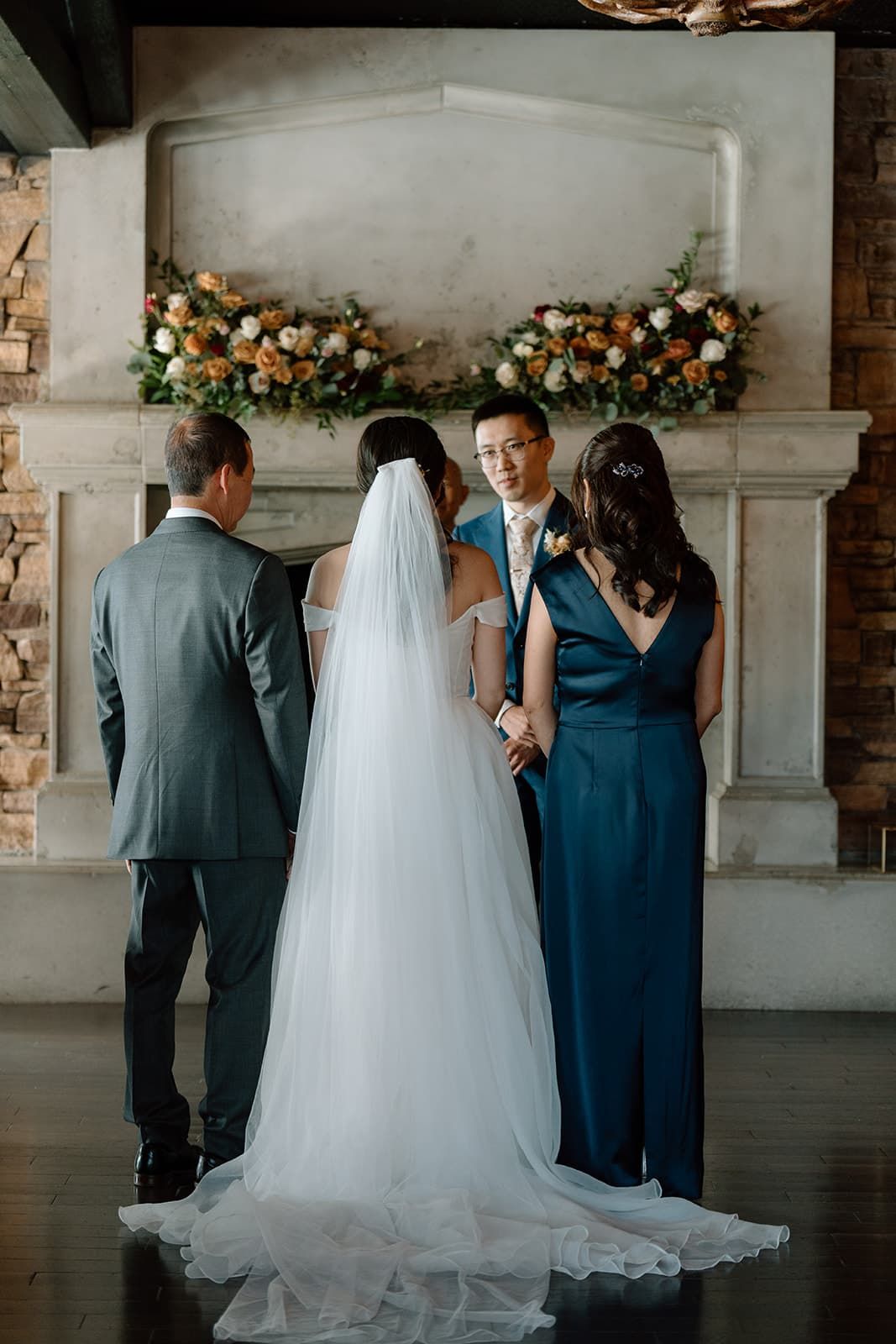
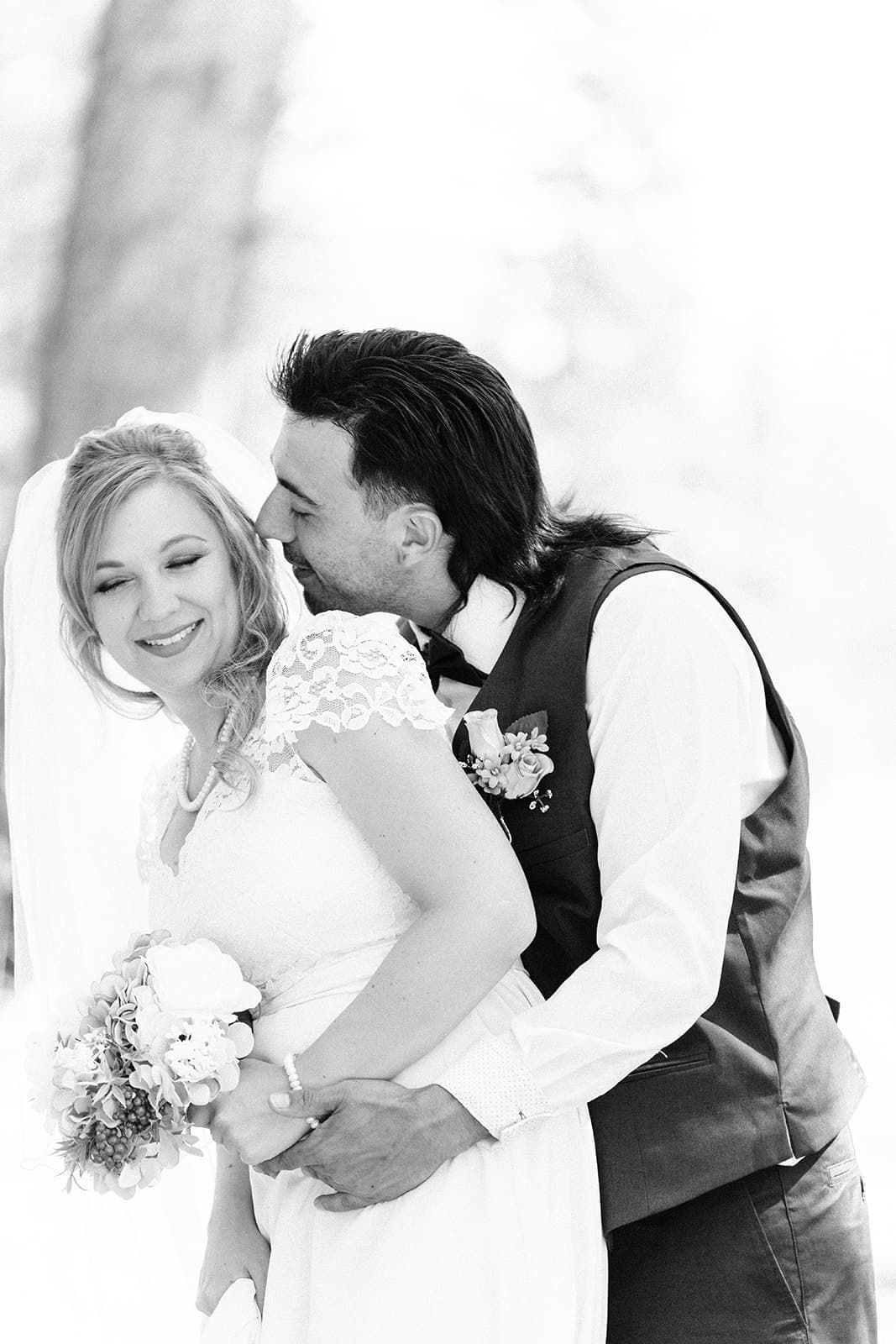
The room goes quiet before the vows. One of you laughs through the nerves. A parent reaches for a hand. Then, almost as quickly as it arrives, the moment is gone. When couples ask us about a wedding photography and film package, epic pairings are not really about adding more cameras to the day. They are about preserving a fuller, more honest memory of what it felt like to be there.
Photography holds a single second still. Film gives that second its breath, movement, and sound. Together, they can tell the story of your wedding without asking you to pause the story in order to document it.
Why photo and film belong in the same story
Your wedding will be full of moments that land differently depending on how you revisit them. A photograph of your partner seeing you at the altar may bring you back to the expression on their face. Hearing their voice catch as they say their vows can bring the entire room back around you. Neither is a replacement for the other.
The strongest photo and film pairing is not simply a photographer working beside a videographer. It is a creative team working with the same emotional intention, sharing awareness of the timeline, light, family dynamics, and the moments that deserve space. When both mediums are coordinated from the beginning, they protect the rhythm of the celebration rather than competing for it.
That matters especially when you have chosen a meaningful setting, whether that is a mountain ceremony in Banff, an intimate Calgary gathering, or a destination that already carries history for you. You should be able to look at the landscape, hold your people close, and stay in the moment. You should not feel like you are managing a production.
Wedding photography and film package: epic pairings that feel natural
An epic pairing is not defined by an endless shot list or a trailer full of trends. It is defined by contrast and connection: the still portrait beside the moving embrace, the wide view of a ceremony beside the whispered words that only the two of you heard, the beautifully composed frame beside the wonderfully imperfect reaction no one could have planned.
Candid photography and cinematic sound
The photograph of a quiet glance is powerful because it leaves room for your memory. Film adds the texture around it: wind moving through the trees, the nervous exhale before a first look, the applause as you walk back down the aisle. Clean, intentional audio is often what turns a beautiful wedding film into something emotionally transporting years later.
This pairing works best when the team is patient. Rather than directing every reaction, we watch for the ones already unfolding. A gentle prompt can be helpful during portraits, but the heart of the day should come from the two of you being yourselves, not from trying to perform romance on cue.
Editorial portraits and documentary coverage
You may want portraits that feel refined enough to print large and hang in your home. You may also want the raw, slightly chaotic images of your friends tearing up the dance floor, your flower girl falling asleep on a lap, or your grandmother laughing at a speech. Those desires do not conflict.
The balance is in how time is used. A thoughtful portrait window gives you space to breathe together and create intentional images without turning the day into an hours-long photoshoot. The remaining coverage can stay observant and documentary-minded, allowing the real atmosphere to show up in both your gallery and film.
For couples who dislike stiff posing, this is often the sweet spot. You receive artful portraits, but they still look and feel like you. Your hands have somewhere natural to go. Your laughter is not interrupted. The camera follows your connection instead of manufacturing it.
A full gallery and a film with a point of view
A wedding gallery can hold hundreds of meaningful details: the stationery you chose, the way the reception room looked before guests entered, every hug after the ceremony, and the faces of the people who traveled to celebrate you. A film cannot include everything in the same way, nor should it try to.
Film is strongest when it has a point of view. It gathers the emotional threads of the day, often through vows, speeches, music, and natural sound, and shapes them into something you can experience from beginning to end. Photography gives you the breadth of the day. Film gives you its pulse.
There is a trade-off worth considering here. More coverage hours may preserve more of the day, while a tighter film may feel more distilled and cinematic. The right choice depends on what you value most: a complete record, an emotionally focused story, or a package designed to hold both.
A Same-Day Edit and the reception energy it creates
For couples who want a shared, unforgettable moment, a Same-Day Edit can become part of the celebration itself. While dinner and speeches unfold, a film team shapes footage from the morning, ceremony, and early portraits into a cinematic highlight. Before the reception ends, you and your guests watch your wedding story begin to take form.
The result is not only a film. It is a collective release of emotion in a room already full of people who love you. There are cheers, tears, hands over hearts, and the rare experience of seeing the meaning of your day reflected back to you while you are still living it.
This option does require planning. Timelines need enough breathing room, and your creative team needs the experience and staffing to film, edit, and deliver without pulling attention away from the celebration. For the right couple and planner, though, the effect is electric.
What coordinated coverage changes on the wedding day
A unified photo and film team communicates quietly. They know who is covering the wide frame while someone else catches the close reaction. They can anticipate a first look without circling you from every angle. They can arrange family portraits efficiently, then disappear when the meaningful, unplanned moments begin.
That coordination also reduces the number of decisions you need to make. Instead of explaining your priorities, visual style, and family sensitivities to separate vendors, you build one relationship with a team that understands the emotional shape you want your day to have. For planners, it means fewer moving parts and a more cohesive vendor experience.
This does not mean photo and film must always come from one studio. Separate artists can work beautifully together when communication is generous and styles are aligned. But if calm, consistency, and a shared storytelling approach are high on your list, coordinated coverage offers a real advantage.
How to choose a package that protects your experience
Start with the question beneath the logistics: what do you want to remember? Some couples care most about hearing the vows and speeches again. Others want more time for portraits in the mountains, a lively dance-floor film, or an heirloom gallery that documents every person who shared the day.
Then consider the pace of your celebration. A multi-location wedding, a long guest list, or a ceremony far from the reception may call for more coverage and a carefully built timeline. A smaller wedding may need fewer hours, but it can still hold enormous emotional depth. Package size should follow the shape of the day, not a formula.
Finally, pay attention to how a team makes you feel before you book. Your photographer and filmmaker will be close during vulnerable moments: getting ready, seeing each other for the first time, speaking vows, and crying with family. Technical skill matters, but trust matters just as much. You deserve people whose presence lets you soften, laugh, and forget the camera is there.
The photographs and film you bring home should not make your wedding feel like a performance you completed. They should return you to the nervous laughter, the steady hand in yours, the sound of your people cheering, and the extraordinary feeling of having been fully present for your own beginning.