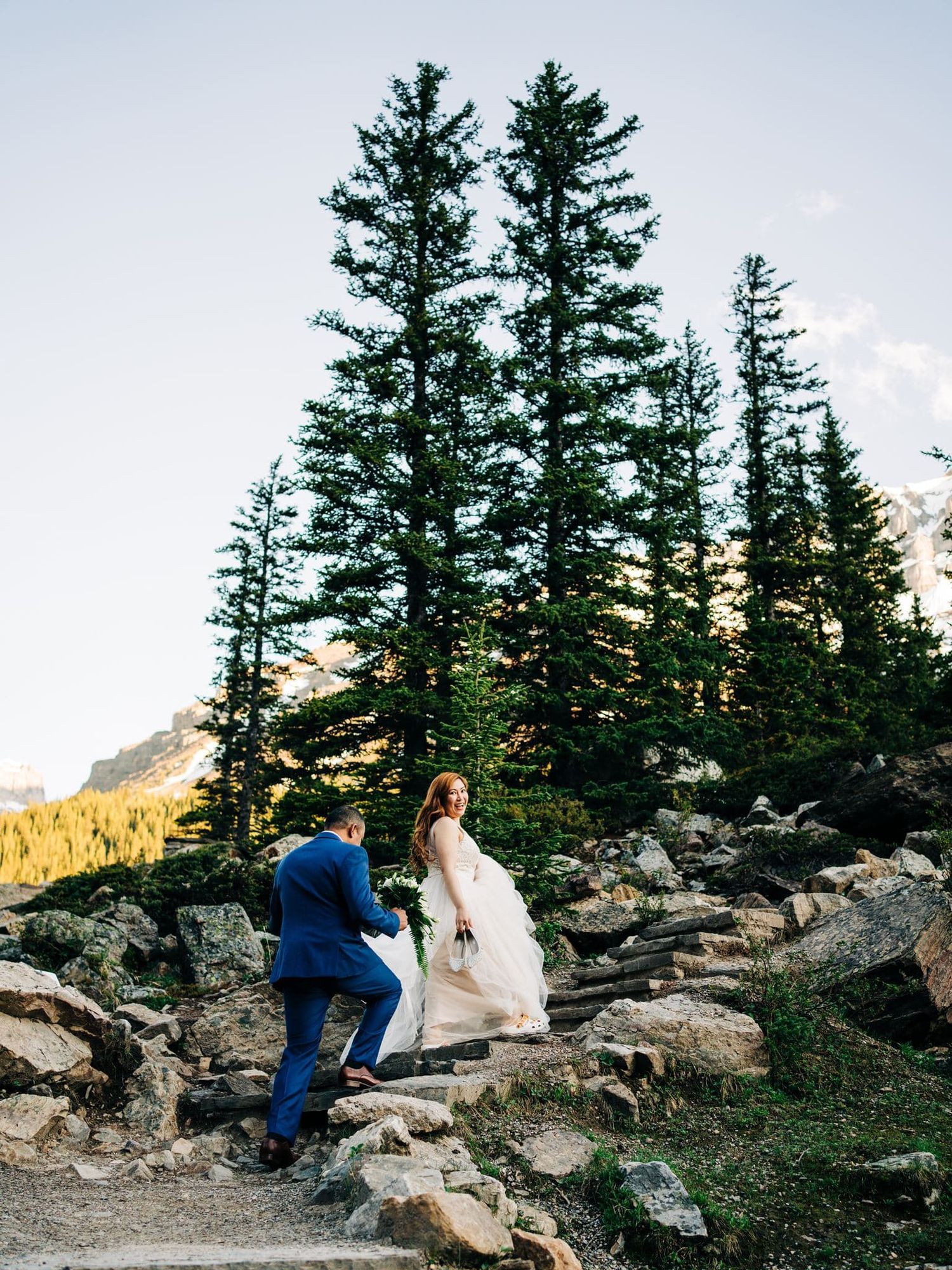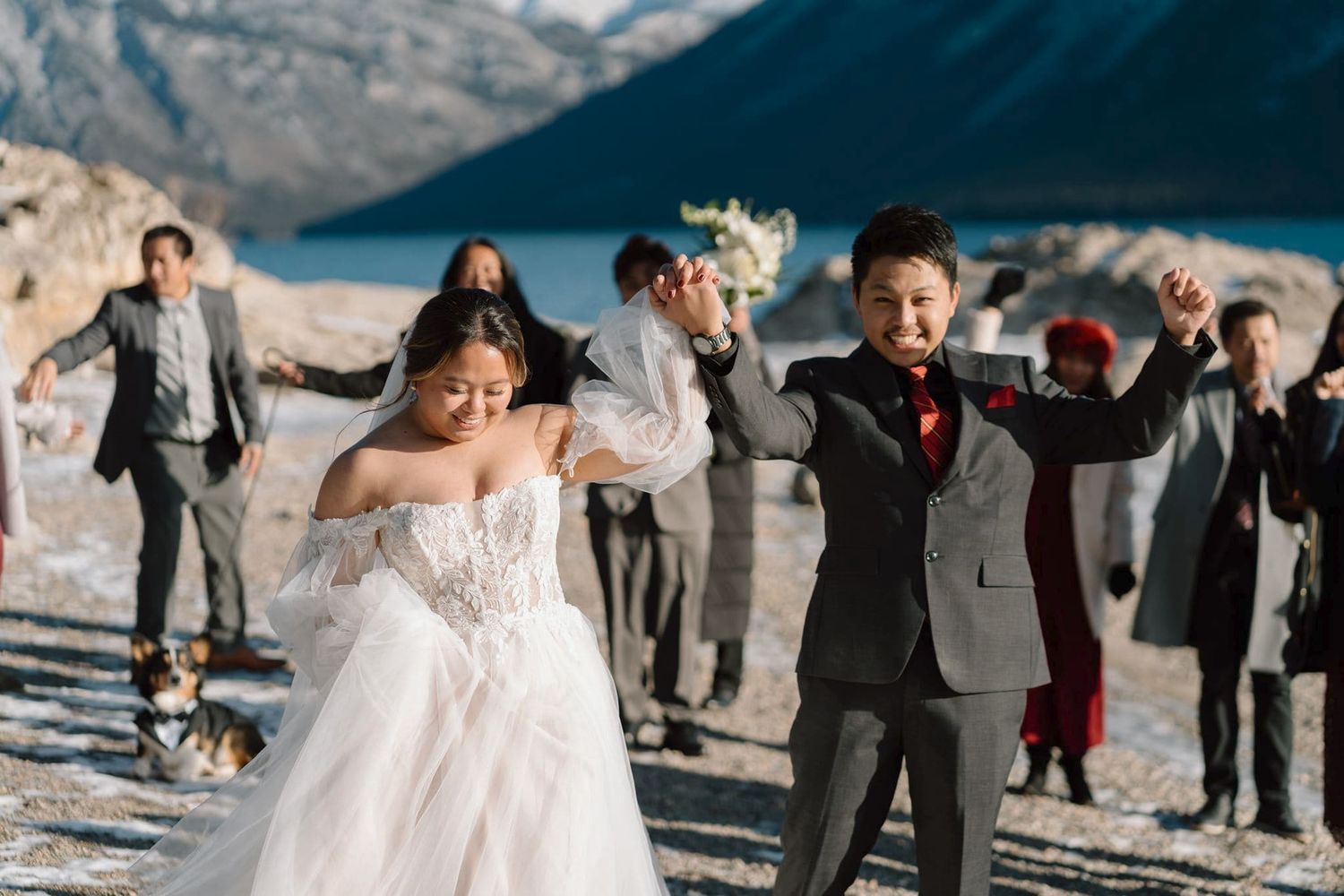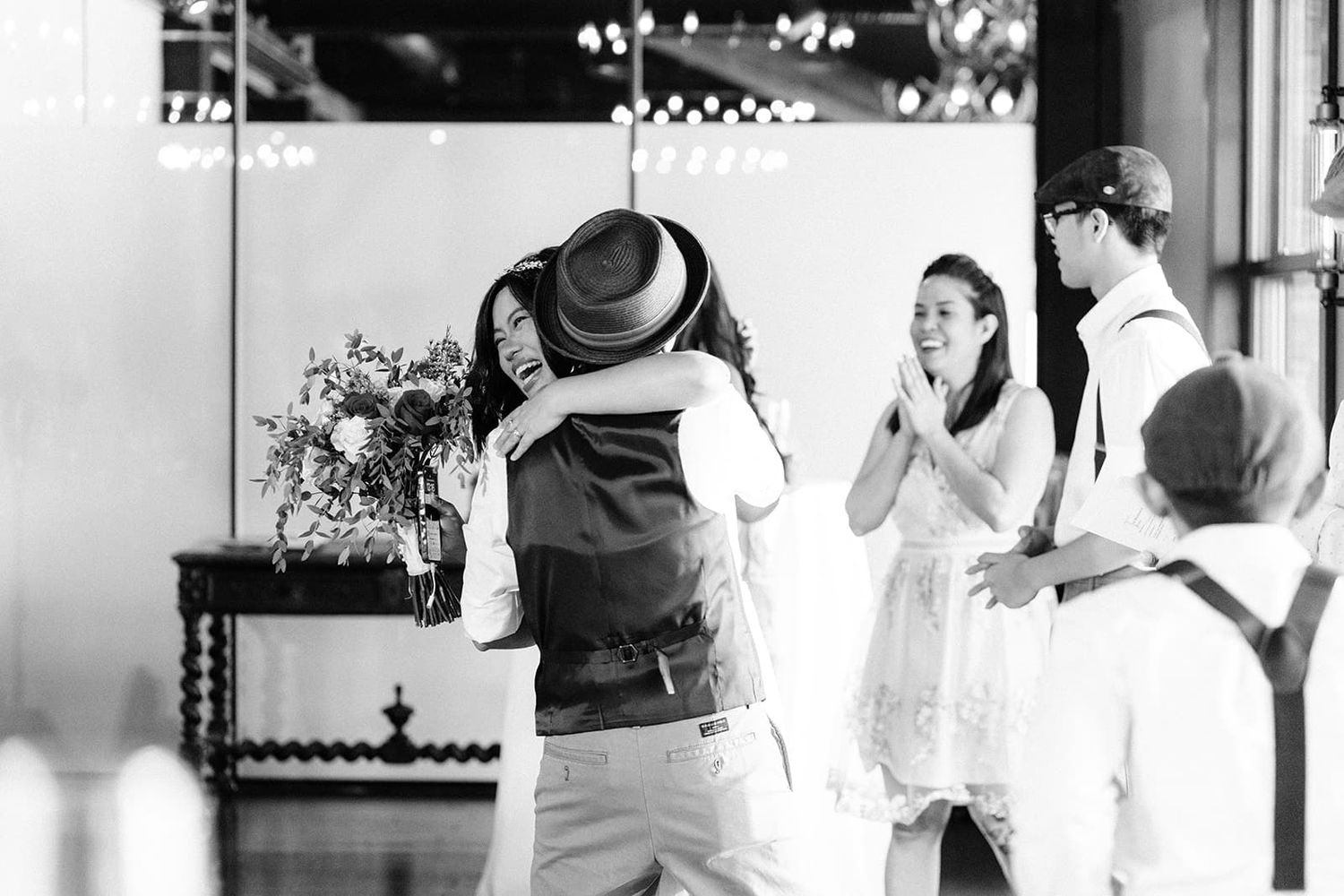
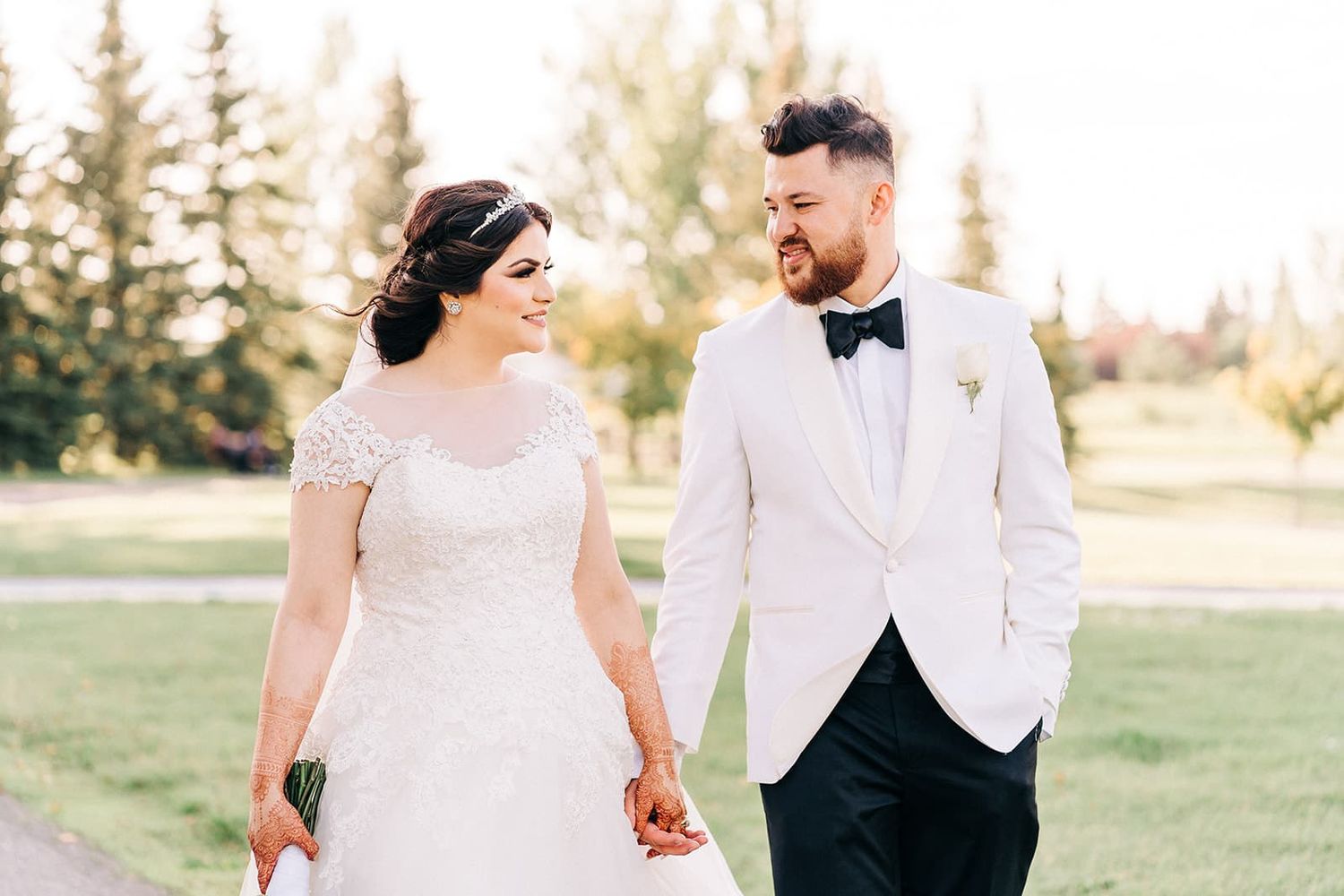
A destination wedding asks you to make a thousand small decisions before you ever arrive: which view feels like you, how long guests should stay, what the weather might do, and whether you can truly relax once the day begins. Learning how to book destination wedding coverage is less about finding someone willing to travel and more about choosing a team that can protect the feeling you traveled so far to create.
The right photo and film team should make the unfamiliar feel steadier. They should understand that a wedding in Banff, on a coastal terrace, or at a family villa abroad is not a production set. It is a real gathering of people you love, often in a place that already carries its own rhythm, light, logistics, and emotion.
Start With the Experience You Want to Remember
Before comparing packages, pause on a more meaningful question: what do you want your wedding day to feel like?
Some couples want a quiet morning with coffee, letters, and a little room to breathe before the ceremony. Others are planning a full weekend where the welcome party, late-night dance floor, and slow morning after matter just as much as the vows. Your coverage should reflect the shape of that experience, not force it into a standard number of hours.
If you are drawn to honest, unpolished moments, look for photographers and filmmakers whose work feels lived-in. Notice whether their galleries show connection rather than constant posing: a parent holding back tears, friends fixing a veil, the breath before a ceremony begins, the way your hands find each other during a speech. A beautiful location is never a substitute for emotional truth.
Destination weddings can tempt couples to prioritize the landscape over the people in it. The strongest coverage does both. It honors the mountain scale, ocean air, old-world architecture, or desert light while keeping your relationships at the center of the story.
How to Book Destination Wedding Coverage With Confidence
A beautiful portfolio earns your attention. A thoughtful conversation should earn your trust.
When you first inquire, share more than your date and venue. Talk about the kind of celebration you are building, what matters most to you, and what you do not want. If the thought of spending two hours being directed through portraits makes you anxious, say so. If your grandmother's presence is especially meaningful, mention it. If you want to be fully present at cocktail hour instead of disappearing for an extended photo session, that should shape the plan from the beginning.
The best creative teams listen for these details. They do not simply promise candid images, then run the day with a rigid shot list and constant interruption. Documentary-minded coverage still requires intention, preparation, and a clear timeline. The difference is that the planning happens in advance, so you can move through the day without feeling managed by a camera.
Ask how the team approaches direction. A little guidance can be helpful, especially during portraits or when family members need organizing. But it should never make your wedding feel like a performance. You want people who know when to step in gently and when to step back, watch, and wait.
Choose Photo and Film as One Visual Story
Booking photography and videography separately can work, but it often creates unnecessary friction at a destination wedding. Two teams may have different communication styles, priorities, and ideas about where everyone needs to be. In tight spaces or fast-moving moments, that disconnect can become visible.
A coordinated photo and film team shares one rhythm. They can anticipate each other's angles, give you more breathing room, and document the same moment from complementary perspectives without competing for it. This matters during intimate events such as private vows, first looks, speeches, and first dances, when the emotional atmosphere is easily disrupted.
At Conquer Your Journey, we approach photo and film as one connected record of the day. As a husband-and-wife team, we understand how much trust is required to let someone witness the most tender parts of your celebration. Our goal is not to chase every moment. It is to honor the ones already unfolding.
Discuss Travel Logistics Before You Sign
Travel should be clear, not mysterious. A professional destination wedding proposal should explain what is included and what may be billed separately. That can include flights, accommodations, local transportation, baggage fees for equipment, permits, meals on long wedding days, and any required travel days.
Do not assume the lowest initial price is the most economical option. A quote that appears simple may exclude the logistical realities of getting a team, their equipment, and enough preparation time to your location. Ask for a transparent breakdown so there are no difficult surprises later.
It also helps to ask when your team plans to arrive. For many destinations, arriving at least a day early creates a valuable buffer for flight delays, lost luggage, road closures, altitude adjustment, or venue walkthroughs. This is particularly wise for mountain weddings, remote properties, islands, or international celebrations with multiple moving parts.
Your coverage team should also have a practical backup mindset. That does not mean planning for disaster. It means having redundant camera bodies, recording media, batteries, audio equipment, and an approach for protecting files while traveling. The details may not be glamorous, but they are part of what allows the artistry to remain calm and focused.
Build a Timeline That Leaves Room for Life
A destination timeline needs margins. Guests may take longer to reach the venue. Weather can turn quickly. A shuttle may run behind. The ceremony might begin late because no one wants to rush a once-in-a-lifetime moment.
Build in space around the parts of the day that matter most. If you value private letters, schedule them before hair and makeup reaches its busiest point. If sunset portraits matter, protect a small window for them without sacrificing your entire cocktail hour. If you are planning a cultural tradition, a long family dinner, or a reception full of speeches, tell your creative team early so they can recommend coverage that fits.
For many destination weddings, additional coverage is not about filling the gallery with more images. It is about allowing the story to breathe. A welcome event may be where friends from different chapters of your life finally meet. A rehearsal dinner may hold the most heartfelt toasts. The morning after may be the first calm moment you have had together since becoming married.
Consider whether those moments belong in your memory collection. There is no universal answer. It depends on the pace of your celebration, the people gathering with you, and the legacy you want to preserve.
Consider a Same-Day Edit for the Shared Emotion
A destination wedding already creates a rare sense of togetherness. Your guests have made the journey because they want to be part of your story. A Same-Day Edit wedding film gives them a chance to feel that story while the day is still alive.
Shown during the reception, this cinematic highlight can bring the room back through the morning, the ceremony, and the emotions that may have happened beyond their view. It is not simply entertainment between courses. It can become one of the most electric moments of the night, especially when parents, friends, and grandparents see the day reflected back to them in real time.
This option does require careful planning. The filmmaking team needs enough access, a realistic timeline, and dedicated post-production focus during the event. But for couples who value shared experience and want to create a lasting surprise for their guests, it can transform the reception into a collective memory before the celebration even ends.
Read the Contract for More Than the Deliverables
A contract should clearly state the date, hours, number of team members, deliverables, payment schedule, travel terms, cancellation or postponement policies, and turnaround expectations. For destination weddings, pay particular attention to what happens if travel is disrupted or the venue changes.
Ask about usage rights if you are working with a planner, publication, or brand partner. Ask how your files will be backed up and how long they will be retained after delivery. If film matters deeply to you, clarify what is included beyond a short highlight: ceremony edits, speeches, documentary footage, or additional event coverage can all shape the way you revisit the day.
These questions are not unromantic. They are one way of caring for the investment you are making in your future memories.
The destination will give your wedding its atmosphere, but your people will give it its heart. Choose coverage that lets you look up, take it in, and trust that the nervous laughter, windblown veil, teary embrace, and wild joy of the dance floor are being held with care.