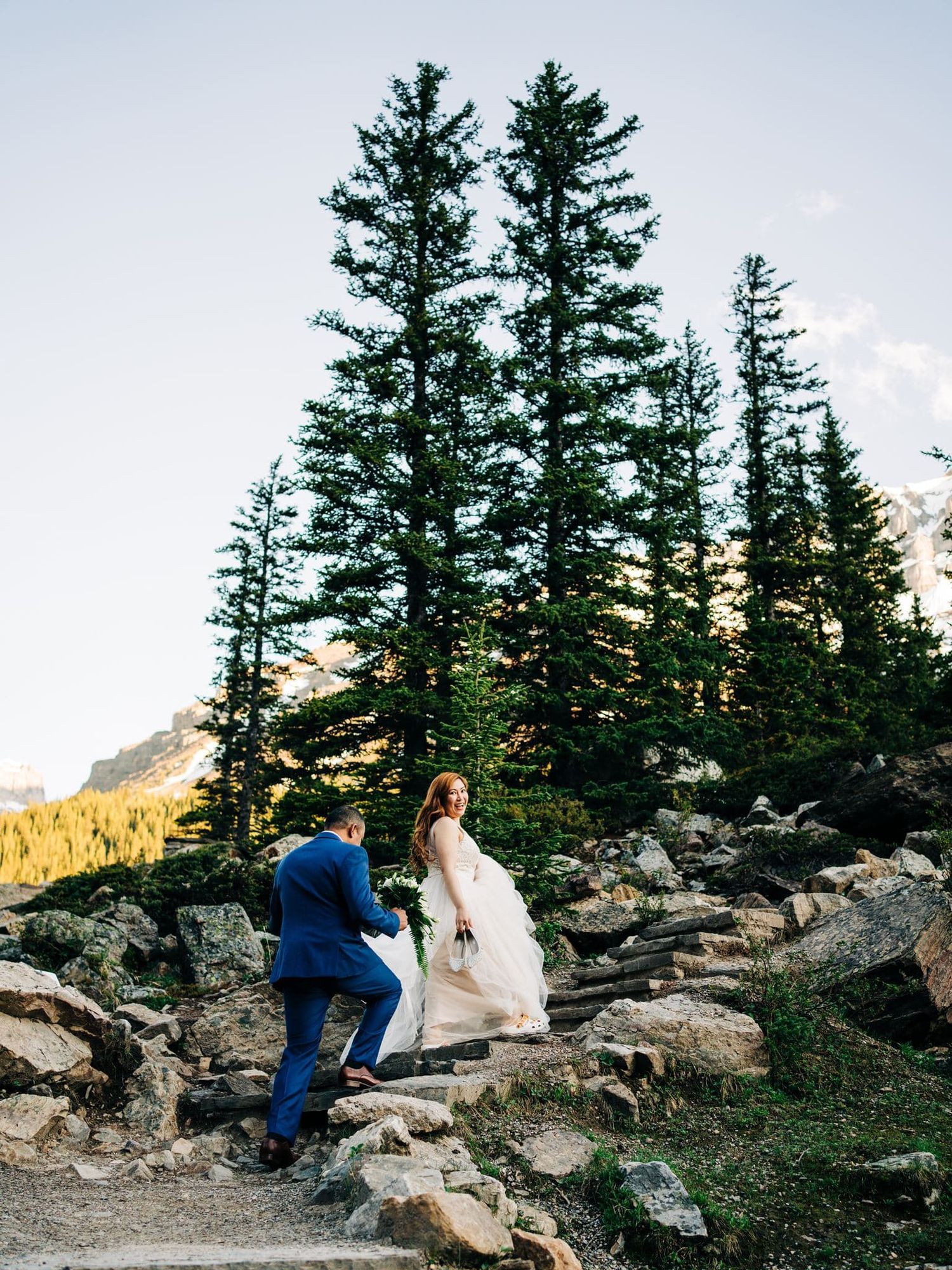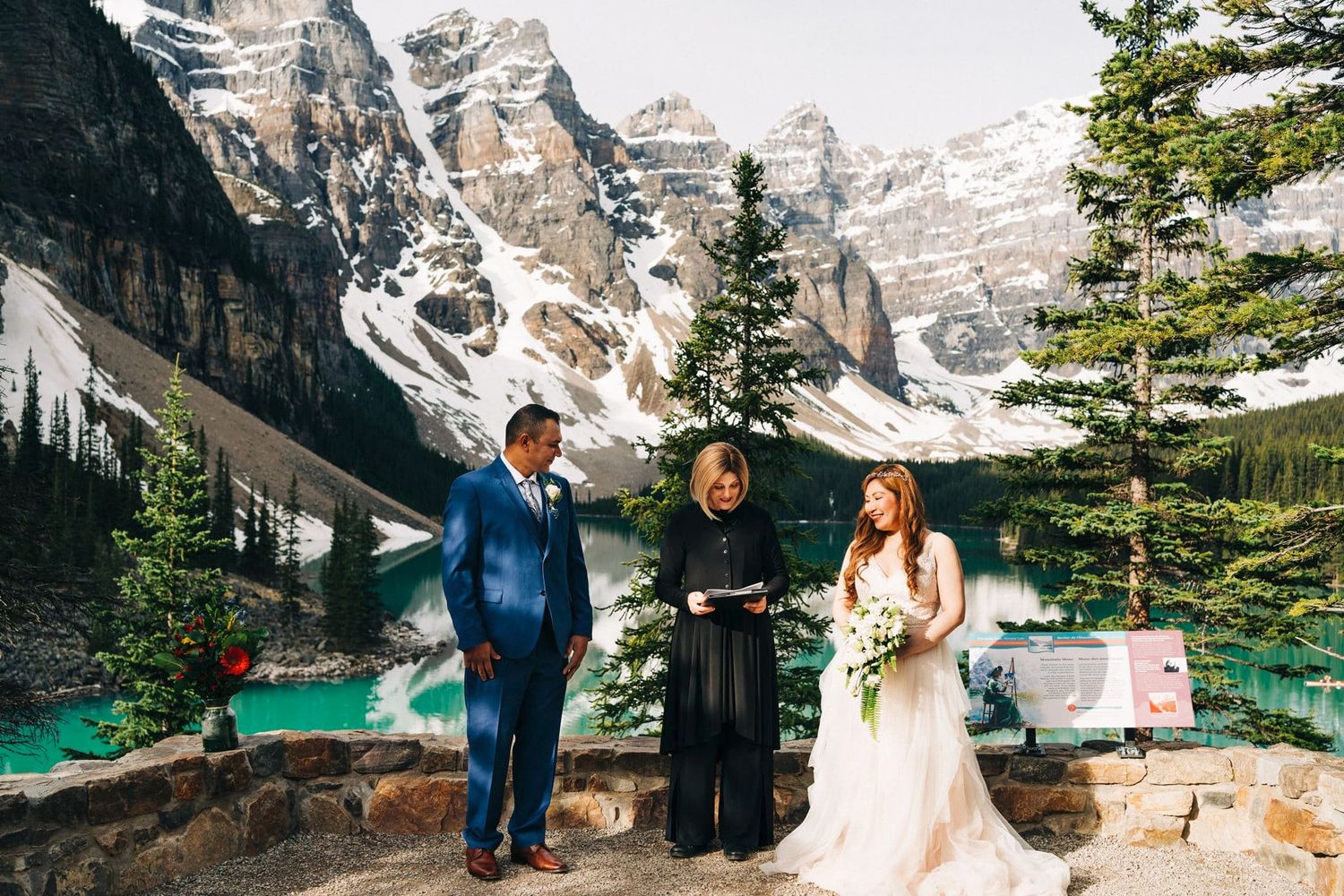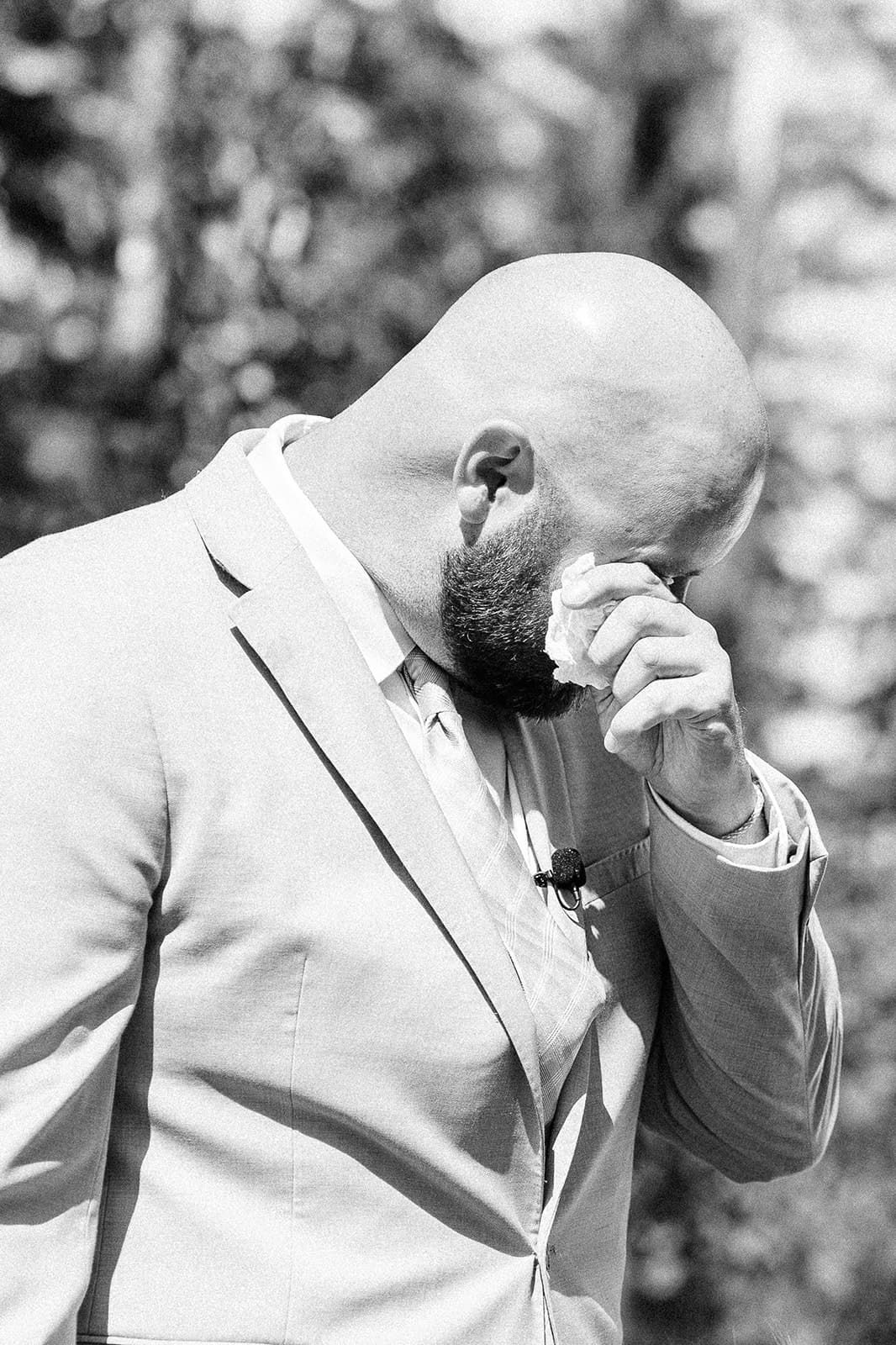
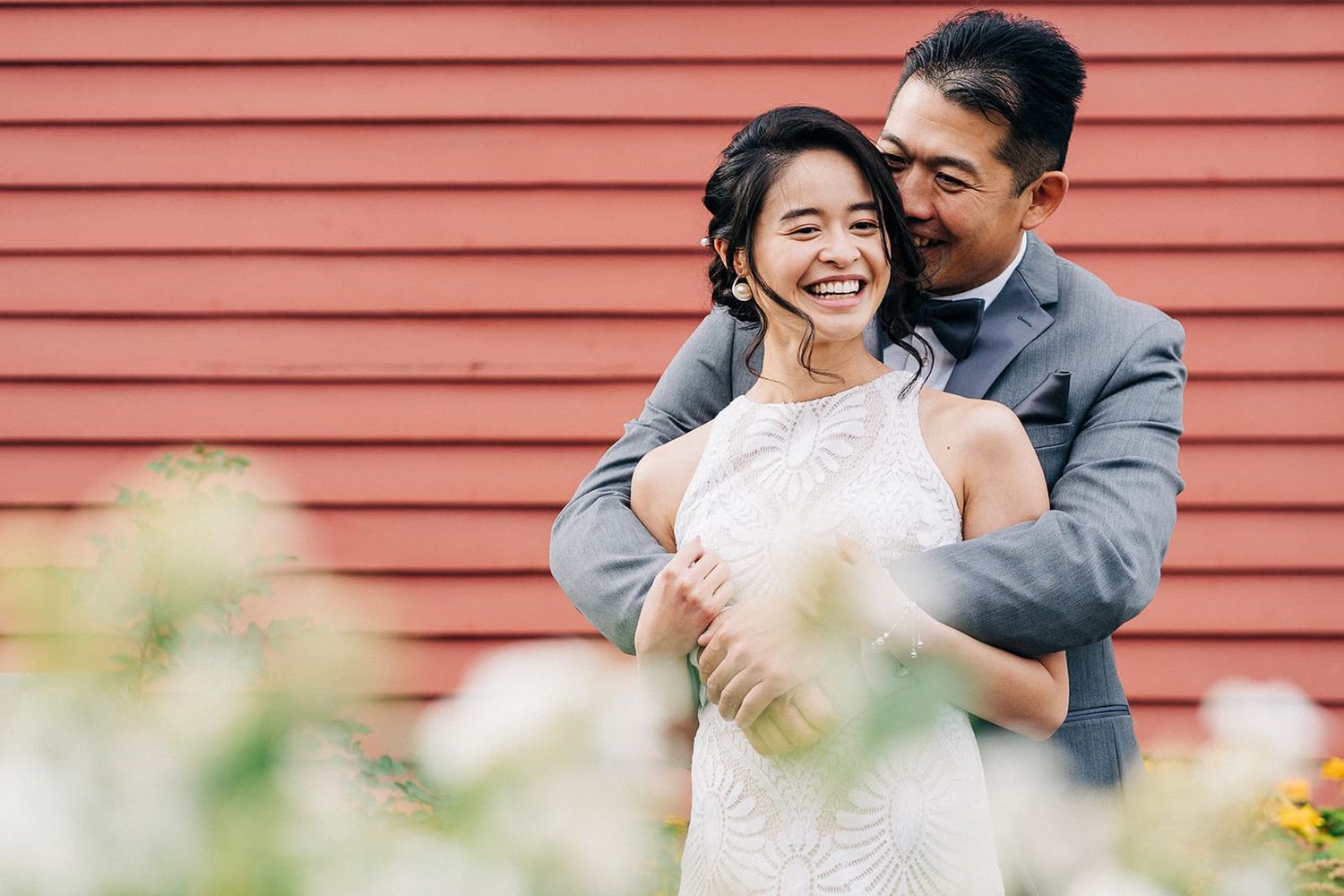
The camera usually feels most intimidating right when the emotions are highest - during the first look, the walk down the aisle, the quiet breath before your vows. That is also why couples ask how to look natural in wedding photos so often. They are not trying to become models for a day. They want to look like themselves, just fully present, deeply in love, and at ease inside a moment they will never get back.
The good news is that looking natural is rarely about being photogenic in the traditional sense. It is about feeling safe, connected, and unhurried enough for real expression to come through. The photos people treasure most are almost never the ones where everything is technically perfect. They are the ones where you can feel something true happening.
How to look natural in wedding photos starts before the wedding
Natural photos begin long before anyone lifts a camera. They start in the way you plan your day, choose your vendors, and prepare your expectations.
One of the biggest reasons couples look stiff in photos is that they are trying to perform a version of themselves they think a wedding requires. They hold their posture too tightly. They smile on command. They keep asking, “What do I do with my hands?” The result often looks polished but disconnected.
A better approach is to choose a photography experience built around movement and interaction rather than constant posing. If your photographer values documentary storytelling, they will guide when needed but leave room for the in-between moments that actually feel like you. That balance matters. Too little direction can leave you feeling awkward, but too much can turn your wedding into a long photo session.
Your timeline matters too. If every part of the day is squeezed tight, you will feel rushed, and that tension shows up everywhere - in your shoulders, your jaw, your eyes. A little breathing room before portraits, after the ceremony, and around key transitions makes a real difference. The calmest images often come from a schedule that allows you to arrive in the moment instead of chasing it.
Let go of “perfect” and aim for present
This is the shift that changes everything. If you spend your wedding day wondering whether your smile looks right, whether your dress is sitting perfectly, or whether your partner is standing at the best angle, you pull yourself out of the experience.
Presence photographs beautifully. Perfection does not always.
Some of the most moving wedding images include wind in the hair, tears that blur mascara, laughter that wrinkles the nose, and hugs that bunch fabric in all the wrong places. Those details are not flaws. They are proof that the day was lived, not staged.
If that sounds lovely in theory but hard in practice, give yourself one simple job: keep returning to your partner. Look at them. Touch them. Listen to them. If you do not know where to focus, focus there. Connection creates natural expression faster than any pose ever will.
The best posing never feels like posing
A lot of couples worry that “candid” means being left alone without direction. In reality, the most natural wedding photos often come from gentle prompts. Instead of being placed into rigid positions, you are invited into actions that create honest reactions.
You might be asked to walk slowly together, lean in and tell each other something ridiculous, tuck a strand of hair behind your partner's ear, or simply hold each other for a few quiet seconds. These are small actions, but they give your body something real to do. That is what softens the camera awareness.
If you tend to freeze up, movement helps. Walking, swaying, turning toward each other, or even taking a deep breath together can release a lot of visible tension. Stillness can be beautiful too, but only when it feels grounded rather than forced.
It also helps to stop thinking in terms of “my good side.” Wedding photos are not just about angles. They are about energy. A technically flattering pose can still feel empty if your expression is disconnected. A less controlled moment can become your favorite image because it carries the emotional truth of the day.
What to do with your hands
This question comes up for almost everyone, and the answer is simpler than people expect. Give your hands a purpose. Hold your bouquet loosely instead of gripping it. Rest a hand on your partner's chest or arm. Interlace fingers. Touch a veil, a jacket lapel, a cheek, a shoulder.
Hands look awkward when they are idle and tense. They look natural when they are part of the connection.
Relax your face without forcing a smile
A natural expression is not the same as smiling nonstop. Some of the most beautiful wedding images are quiet, teary, thoughtful, or soft. If you feel pressure to grin for every frame, your face can start to look strained.
Instead, breathe through your mouth for a second, then close your lips gently. Think about what is happening, not about how you look. If a smile comes, let it come. If it does not, that is fine too. Emotion has more range than just happiness, and weddings hold all of it.
Wear and choose details that let you move
Comfort plays a bigger role than many couples expect. If your outfit is constantly slipping, pinching, overheating, or restricting movement, it becomes harder to relax into your body. Natural photos require at least some level of physical ease.
That does not mean sacrificing style. It means thinking honestly about how your clothing, shoes, and accessories will feel across a full day. Can you walk naturally in those shoes? Can you sit, hug, and breathe comfortably in that outfit? Will you spend half the day adjusting a strap or smoothing fabric?
Hair and makeup should follow the same principle. The goal is not to look unlike yourself. The goal is to feel like the most grounded, luminous version of yourself. If you are not used to heavy styling, your discomfort may show more than the styling itself.
Build trust with your photographer before the wedding
Chemistry matters. When couples feel seen by the person behind the camera, they stop guarding themselves so much.
That is one reason engagement sessions can be so valuable. They are not just for save-the-date cards or a few extra portraits. They give you a chance to experience direction, learn how your photographer works, and realize you do not need to “perform” to create beautiful images. By the wedding day, the camera already feels familiar instead of intrusive.
Even a thoughtful conversation beforehand can help. Tell your photographer what makes you self-conscious, what kind of images you are drawn to, and how you usually show affection. If you hate overly posed photos, say that. If one of you gets nervous in front of the camera, say that too. Good photography is not about forcing everyone through the same formula. It is about reading people well.
For couples getting married in places like Banff or Canmore, where the scenery is breathtaking, this matters even more. Epic landscapes are beautiful, but they should never swallow the human story. The strongest images still come back to how the two of you feel inside that setting.
Protect the emotional atmosphere of the day
If you want natural photos, protect natural moments.
That may mean keeping the room calm while getting ready instead of filling it with too many voices and distractions. It may mean choosing a first look because private connection helps you settle your nerves. It may mean stepping away for ten quiet minutes after the ceremony so you can actually absorb what just happened.
None of these choices are mandatory. Every wedding has a different rhythm. But the emotional atmosphere around you will shape the way your photos feel. When there is space for real reaction, real reaction shows up.
This is also where having a team that understands story over spectacle makes a difference. At Conquer Your Journey, that belief sits at the center of the work: the moments worth keeping are often the ones that cannot be choreographed.
If you feel awkward, that is normal
Almost nobody starts a wedding day feeling effortlessly natural in front of a camera. The difference is not confidence versus insecurity. The difference is whether you let that awkwardness define the whole experience.
Usually, the first few minutes are the hardest. Then you start talking. You start moving. You forget about the lens for a second. You laugh at something unexpected. That is when the shift happens.
So if you feel stiff at first, do not panic. You are not failing at being photographed. You are just warming up to being witnessed.
The most beautiful wedding photos do not ask you to be polished every second. They ask you to be there - with your whole heart, your real face, your nervous hands, your joy, your tenderness, and your once-in-a-lifetime love story. If you give the day that kind of honesty, the camera will meet you there.