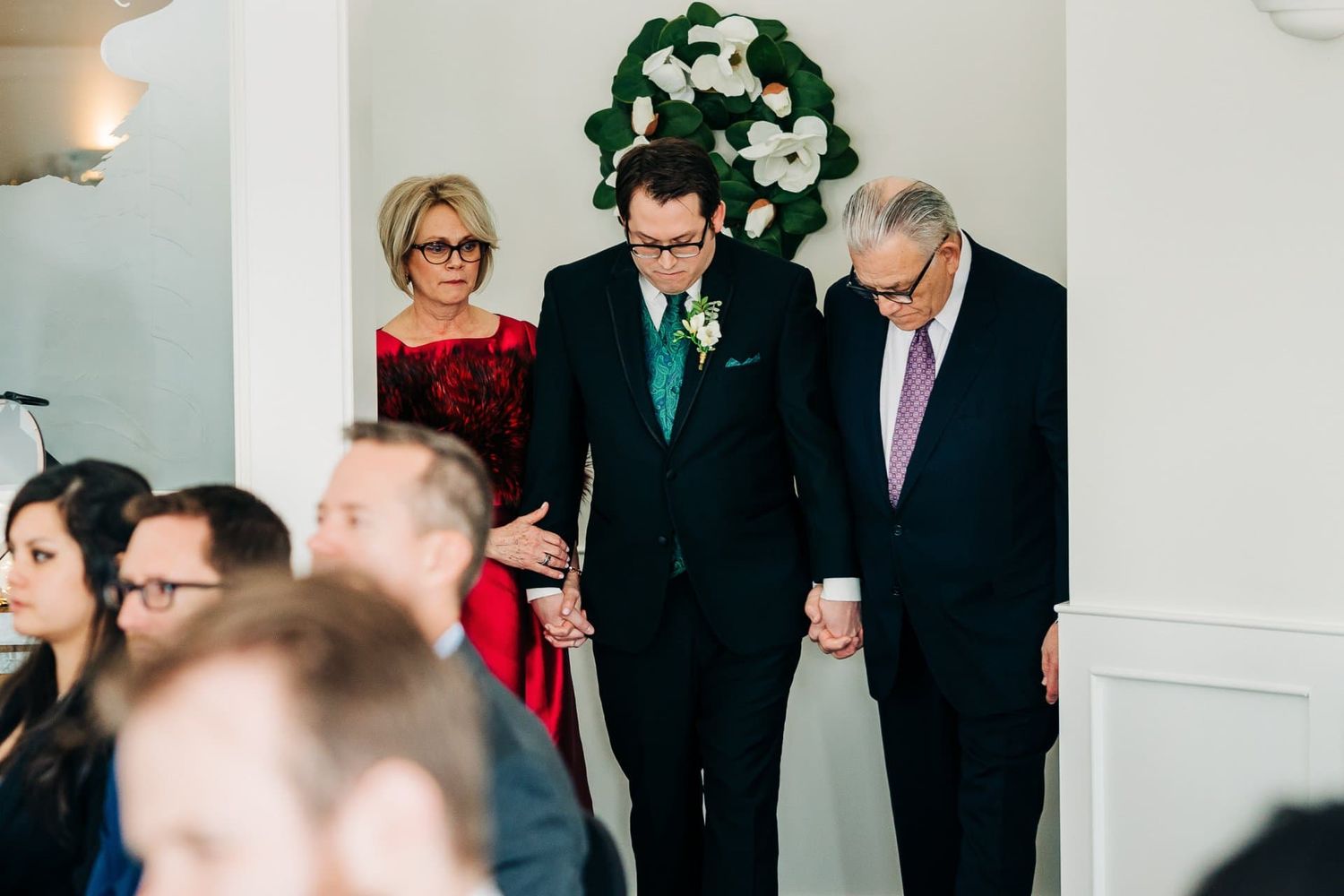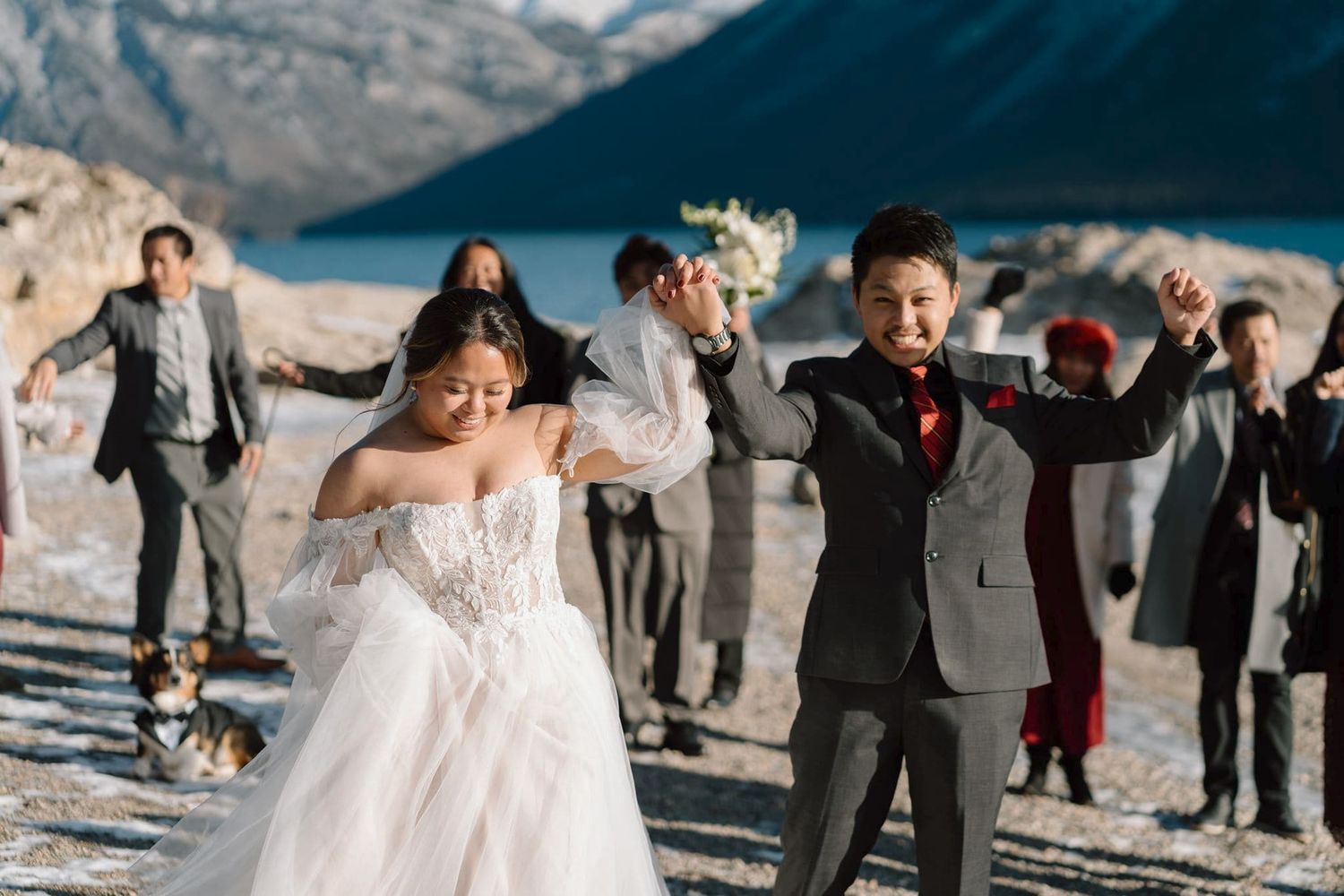

The first words you share at the altar are often the words you barely remember saying. There is adrenaline, wind in the trees, a room full of people you love, and the weight of a promise that changes everything. To record clear wedding ceremony audio is to protect those words - the nervous laugh before a vow, the pause that makes everyone tear up, the tiny breath between “I do” and the applause.
Beautiful ceremony audio is not about making your day feel produced. It is about making sure the truth of it survives. When you watch your film years from now, you should hear each other clearly enough to return to the feeling of standing there together.
Why ceremony audio deserves its own plan
A wedding film can be visually breathtaking and still lose some of its emotional shape if the vows are distant, muffled, or swallowed by wind. The spoken parts of a ceremony carry its heartbeat: personalized vows, readings, a parent’s blessing, the officiant’s words, and the reaction in your partner’s voice when emotion catches them off guard.
Audio is also less forgiving than many couples expect. A wide camera angle can beautifully show a mountain ceremony in Banff or an intimate Calgary gathering, but a camera placed at the back of the aisle cannot reliably capture quiet voices at the front. Distance is the enemy of clear sound. So are gusts of wind, rustling clothing, nearby traffic, clinking glassware, and an enthusiastic speaker system.
The answer is not to fill your ceremony with visible gear. A thoughtful filmmaker can work quietly, protect the atmosphere, and build a recording plan that gives every meaningful voice a place to land.
Record clear wedding ceremony audio with layered coverage
The most reliable approach is not one perfect microphone. It is multiple discreet recordings with different purposes. This redundancy matters because weddings are live events. A battery can fail, an officiant can move unexpectedly, or a wireless signal can encounter interference. A second or third source means a small technical surprise does not become a lost memory.
Mic the person closest to the vows
For most ceremonies, the groom or partner standing closest to the officiant is the best person to mic. A small recorder placed in an inside jacket pocket, paired with a discreet lavalier microphone, can capture both partners’ voices because they are facing each other. It often captures the officiant clearly, too.
This is usually more natural than asking a bride or partner in a fitted dress to carry a recorder. It also avoids altering the look or comfort of carefully chosen attire. That said, every ceremony is different. If you are exchanging very quiet handwritten vows, standing far apart, or wearing clothing that does not allow for secure placement, your filmmaking team may adjust the approach.
A lavalier microphone should be placed where fabric will not scrape against it. Silk, beading, scarves, loose ties, and flowers can create more noise than people realize. Your team should test placement before guests arrive, then leave you free to be present.
Capture the officiant independently
The officiant guides the ceremony, announces the important moments, and often delivers words that become more meaningful with time. A dedicated recorder or microphone on the officiant provides a clean safety track and is especially helpful when they move away from the couple during readings, rituals, or a unity ceremony.
This also protects the sound of the declaration and pronouncement, which may be difficult to recover from a single microphone on one partner. If your officiant uses a handheld microphone or a venue sound system, your filmmakers may be able to record a separate feed. That feed can be helpful, but it should not be the only source. Soundboards can have uneven levels, missed channels, or unexpected hum.
Place an ambient recorder with intention
Close microphones preserve words. Ambient recording preserves place.
A small recorder near a ceremony speaker, musician, or the front rows can capture the swell of live music, the collective laugh after an inside joke, and the applause that follows your first kiss. These sounds give your finished film dimension. They let it feel like a real room, not a studio recording.
Placement is a quiet art. An ambient recorder should be close enough to hear the room but far enough from a loudspeaker to avoid distortion. It should never distract your guests or become a visual interruption in your ceremony design.
Plan for the environment, not just the gear
Outdoor ceremonies are generous with beauty and demanding with audio. The same wind that moves a veil beautifully can overwhelm an unprotected microphone. The sound of a river in Canmore may be part of why you chose the location, but it can also compete with soft-spoken vows. Helicopters, passing motorcycles, and gusts across an open ridge do not follow a timeline.
Wind protection on microphones is essential outdoors, but planning goes further than equipment. If possible, consider the direction you will face during the ceremony. A sheltered location, a natural tree line, or a structure that breaks the wind can make a genuine difference. Ask your planner, venue, and filmmaking team to walk the ceremony space before the day, paying attention not only to the view but also to noise sources.
Indoor ceremonies have their own complications. High ceilings create echo. HVAC systems can be louder than they seem during a quiet room. Guests may hear the officiant perfectly through speakers while a camera-mounted microphone receives mostly room reverb. Close microphones and a clean audio feed are particularly valuable in these settings.
Give your vows the space they deserve
You do not need to perform your vows for the microphone. In fact, the most moving vows are rarely delivered like a speech. They are spoken directly to one person, with a shaky voice, a laugh, or a moment where you need to look down and gather yourself.
Still, a few small choices help preserve what you mean to say. Hold your vows close enough that you can read them without whispering into the page. Take a breath before you begin. Let the officiant know if you plan to turn toward each other for personal vows, since that may influence microphone placement. If you are using a private vow exchange before the ceremony, tell your photo and film team in advance. Those words can become a powerful thread in your film.
The same goes for readings. Ask readers to use the microphone provided and to speak at a comfortable, deliberate pace. A reader does not need to be theatrical, but they should be heard. The words were chosen for a reason.
Coordinate quietly with your vendors
Clear ceremony audio begins well before anyone presses record. Your filmmaking team should communicate with your planner, officiant, DJ or audio technician, and venue coordinator. That conversation is what prevents a microphone from becoming a surprise five minutes before the processional.
Let your officiant know that they may be asked to wear a small recorder or provide access to their microphone system. Most are happy to help when they understand the purpose. If there are faith or cultural traditions with specific movement, positioning, or sound considerations, share them early. A respectful recording plan works around the meaning of the ceremony, never through it.
At Conquer Your Journey, we treat audio setup the same way we approach every part of a wedding day: with preparation, minimal direction, and deep respect for what is unfolding. The goal is for you to remember holding hands, not being fitted with equipment.
What a clear recording gives back to you
Years from now, photographs will bring you back to a glance. Film will bring you back to a voice.
You will hear the exact way your partner said your name. You will hear your loved ones laugh when a vow lands perfectly. You may notice a soft “I love you” that neither of you caught in the moment. These are not polished details. They are the living texture of the day.
Choose a filmmaking team that has a calm, redundant plan for sound, then let yourself be fully there. Speak to each other, not to the cameras. The clearest audio is not only technically clean - it is honest enough to make you feel the promise all over again.